
Curious about how to keep your tropical garden thriving with minimal water waste? Drip irrigation might be the perfect solution for you! Let’s dive into this efficient watering method and explore how it can transform your gardening experience. Read Interesting article: Master Drip Irrigation: Transform Your Tropical Garden
Table of Contents
Understanding Drip Irrigation
What is Drip Irrigation?
Drip irrigation is a method of watering plants that uses a system of tubing and emitters to deliver water directly to the roots. This technique is designed to minimize evaporation and runoff, making it incredibly efficient. I first learned about drip irrigation when I was struggling to keep my garden lush during the dry season. I found it fascinating how such a simple system could dramatically improve my plants’ health and reduce water usage. It’s a game-changer for anyone looking to nurture a garden in a tropical climate!
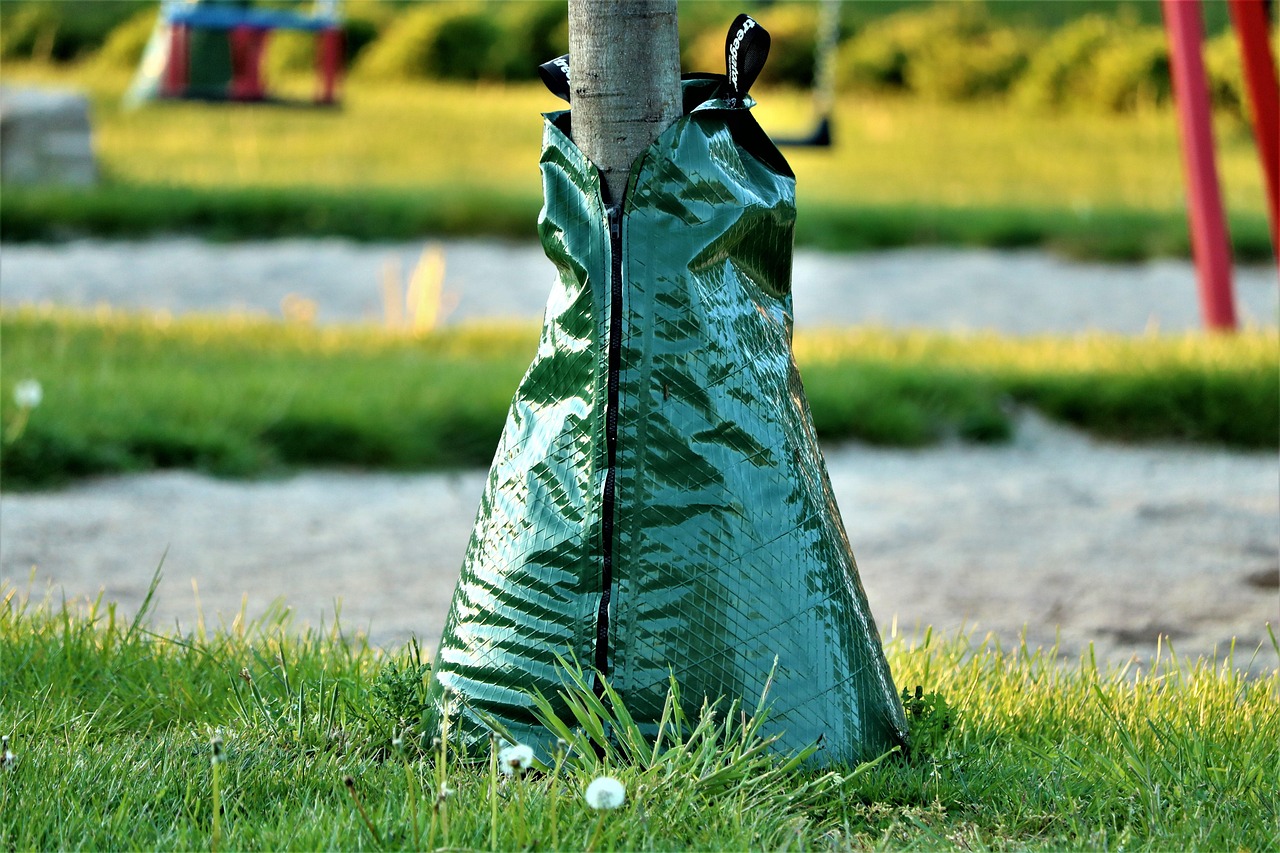
How Drip Irrigation Works
At the heart of drip irrigation is a network of tubes and pipes that transport water from a main supply. The water moves through these tubes and is dispensed through small emitters or drippers positioned close to the plant roots. This targeted watering approach ensures that plants receive the moisture they need without drowning them. I remember watching in awe as my plants perked up, thriving on just the right amount of water. It’s amazing how effective it can be when you’re not over-saturating the soil!
The system is typically powered by gravity or a small pump. In my experience, setting it up was easier than I anticipated. I started with a basic setup that included a mainline tube and emitters, and gradually added more components as I grew more comfortable with the system. It felt rewarding to watch my garden flourish with this new method!
Benefits of Drip Irrigation in Tropical Gardens
There are several benefits to using drip irrigation in tropical gardens that I’ve discovered over the years. Firstly, it conserves water. In regions where water can be scarce, using a drip system allows gardeners to use just the right amount of water without waste. I’ve seen my water bill decrease significantly since switching to drip irrigation, which was a pleasant surprise! Read Interesting article: Top 5 Drip Irrigation Techniques for Tropical Plants
Another major advantage is that drip irrigation helps reduce weed growth. By delivering water directly to the plants, it prevents water from reaching the surrounding soil, which can reduce the chances of weeds sprouting. I found my garden to be much easier to manage with fewer weeds to pull, allowing me to focus more on enjoying my plants rather than battling unwanted growth.
Additionally, since the water is delivered directly to the roots, plants are less prone to diseases that thrive in overly moist conditions. I noticed that my plants appeared healthier overall, with less leaf mold and other issues that can arise from traditional watering methods. This system allows for more control over the amount of water each plant receives, which can be crucial in a tropical environment where conditions can vary widely from one plant to another.
Lastly, drip irrigation can be easily automated with timers. This means you can set it and forget it, allowing you to enjoy your garden without the constant worry of watering. I remember the first time I set my system on a timer; it was such a relief to know that my plants were being taken care of even when I was busy with other tasks.
Overall, embracing drip irrigation has changed the way I garden. It’s not just a labor-saving solution; it’s also an environmentally friendly choice that promotes healthy growth in tropical gardens. I wholeheartedly recommend giving it a try if you’re looking to enhance your gardening experience while being mindful of water usage. Read Interesting article: Optimize Watering: Essential Drip Irrigation Tips
Components of a Drip Irrigation System
Drip Tubing
Drip tubing is the backbone of any drip irrigation system. It’s flexible enough to navigate through your garden layout while being sturdy enough to last for years. When I first set up my system, I was amazed at how easy it was to manipulate the tubing to fit my garden’s unique shape. Depending on your garden size and plant types, you can choose between different diameters and lengths. I prefer using a thicker tubing for durability, especially since I have several plants with robust root systems. The right drip tubing can make a significant difference in how efficiently water is delivered to your plants!
Emitters and Drippers
Emitters are the tiny devices that release water from the tubing directly to the roots of your plants. They come in various flow rates, which is super helpful for customizing your watering needs. I remember when I first experimented with different emitters; I was surprised by how much of a difference the flow rate made in my plants’ growth. For instance, I found that some of my tropical plants thrived with a slow drip, while others needed a bit more water. By choosing the right emitters, I could cater specifically to each plant’s requirements, leading to a healthier garden overall.
Filters and Pressure Regulators
Filters and pressure regulators are essential for keeping your system running smoothly. Filters prevent debris from clogging the emitters, which I learned the hard way when a few emitters stopped working due to sediment buildup. Now, I always ensure I have a good filter in place! Pressure regulators are just as important because they ensure the water pressure is consistent, preventing damage to the emitters and ensuring even water distribution. I found that using these components not only improved the efficiency of my system but also saved me from unnecessary headaches!
Pressure Compensating Devices
If your garden has varying elevations, pressure compensating devices can be a lifesaver. These devices ensure that all your plants receive an adequate amount of water, even if some are higher up than others. I didn’t realize how crucial they were until I noticed that some plants weren’t getting enough water compared to others due to my garden’s slight slope. Adding pressure compensating emitters helped balance things out, and I could finally rest easy knowing that every plant was being taken care of equally!
Fittings and Connectors
Fittings and connectors are the small but mighty components that tie everything together. They help connect the tubing, emitters, and other parts of your system. When I set mine up, I quickly learned that using quality connectors made a world of difference in preventing leaks. I recommend investing a bit more in good fittings because they can save you from a lot of headaches down the road. Plus, having a well-connected system ensures that water flows freely, maximizing the efficiency of your irrigation setup.
Designing a Drip Irrigation System for Tropical Gardens
Assessing Your Garden Layout
Before diving into the design of your drip irrigation system, take a moment to assess your garden layout. I found it incredibly helpful to sketch a rough map of my garden to visualize where each plant is located. This helps in planning where to run the tubing and place the emitters. I also considered the sun exposure and how it might affect water evaporation. By mapping out my garden, I could ensure that every plant received the right amount of water according to its needs.
Calculating Water Needs
Calculating the water needs of your plants is an essential step in designing your system. Each plant has different water requirements based on its type and size. I remember spending an afternoon researching the specific watering needs of each plant in my garden. It was a bit time-consuming, but it paid off in the long run! After determining how much water each plant needed, I could better choose the right emitters and adjust the flow rates accordingly.
Choosing the Right Components
Once I had a clear understanding of my garden layout and the water needs of my plants, it was time to choose the right components. I made a list of everything I would need, from tubing to emitters, and even filters and connectors. I recommend visiting a local garden store or checking online for options. It was exciting to see all the different components available, and I enjoyed picking out the ones that would work best for my unique garden.
Creating a System Map
Creating a detailed system map can be incredibly helpful when installing your drip irrigation system. I took the time to mark where each emitter would go and how the tubing would run through my garden. This visual aid made it so much easier when it came time to install everything. Plus, having a map helped me identify any potential challenges beforehand, allowing me to plan accordingly. I even made notes on the map about the specific needs of each plant, which came in handy later on!
Installation Process
Preparing the Garden Area
Getting ready for your drip irrigation installation is crucial. I remember the first time I prepared my garden; it felt like I was setting the stage for an exciting new project. I cleared away any debris, like fallen leaves and branches, which could interfere with the tubing. It’s also essential to check for any existing plants or flowers that might get in the way. I spent some time marking where I wanted the tubing to run, taking care to avoid any delicate plants. This preparation made the actual installation process much smoother, and I highly recommend taking the time to map out your area carefully!
Installing the Main Line
Once everything was prepped, I started with the main line tubing. This part of the system delivers water from the source to the various points in my garden. I found it helpful to lay the tubing out first before securing it, just to ensure everything fit well. I positioned it so that it could easily connect to the water supply, whether it was a faucet or a water storage tank. One tip I learned was to keep the main line slightly elevated in areas where I had slopes; this helped prevent any potential drainage issues. After laying it out, I secured it with stakes, making sure it was snug against the ground but not too tight that it would restrict water flow.
Placing Emitters and Drippers
Next came the fun part—placing the emitters and drippers! I carefully chose where each emitter would go, ensuring it was close enough to the roots of my plants but not too close to create waterlogging. I found that spacing them out appropriately made a huge difference in how effectively water reached each plant. After I placed the emitters, I connected them to the main line with small connector tubes. It was satisfying to see my garden layout come to life, knowing that each plant would receive the right amount of water. I made sure to test the placement by running the system for a short while to see if water reached each emitter, adjusting as needed.
Testing the System
Testing the system was an exciting moment! I remember feeling a mix of anticipation and nerves as I turned on the water. Watching the emitters release water for the first time felt like a small victory. I took note of how each emitter was functioning—was it dripping steadily, or was there a clog? I also looked for any leaks or areas where water wasn’t reaching as intended. This testing phase is crucial, as it allows you to make any necessary adjustments before the system is fully operational. I discovered a few adjustments I needed to make, and after a little tweaking, my drip irrigation system was ready to go!
Maintenance of Drip Irrigation Systems
Regular Inspections
Once your drip irrigation system is set up, regular inspections are vital to keep everything running smoothly. I found that taking time every few weeks to check on the system saved me from major headaches later on. I’d look at the emitters to see if they were delivering water effectively and inspect the main line for any signs of wear or damage. It’s also a good idea to check for any plant growth that might be encroaching on your tubing. By staying proactive, I was able to catch small issues before they turned into bigger problems.
Cleaning Filters and Emitters
Cleaning filters and emitters is another key part of maintenance. I remember when I first noticed a few emitters weren’t working as well as they used to. After some investigation, I realized that sediment buildup was the culprit. Now, I make it a point to clean my filters and emitters regularly. Most filters can be easily removed and rinsed under running water. For the emitters, I’ve found that soaking them in a vinegar solution helps dissolve any deposits. Keeping everything clean not only extends the life of the system but also ensures that my plants continue to receive the right amount of water.
Seasonal Adjustments and Winterization
As seasons change, so do the water needs of your plants. I always keep an eye on the weather and adjust my watering schedule accordingly. During the rainy season, I might reduce the watering frequency, while in the dry season, I might increase it. If you live in an area with freezing temperatures, it’s essential to winterize your system. I learned this the hard way when I left my system running late into the fall, only to find some of my tubing had cracked when it froze. To avoid this, I now make sure to drain the system and store any removable components indoors before winter hits. This simple step has saved me from needing to replace parts each spring!
Common Issues and Troubleshooting
Clogged Emitters
One of the most common issues I encountered with my drip irrigation system was clogged emitters. It can be frustrating to find that some plants aren’t getting the water they need simply because of a tiny blockage. I remember the first time I noticed this; one of my favorite plants looked wilted, and upon inspection, I found the emitter completely blocked. To tackle this, I make a habit of checking my emitters regularly. Sometimes, a quick cleaning with a small needle or soaking in vinegar can get them back to working condition. If you find persistent clogs, consider using finer filters or emitters that can handle sediment better. It’s definitely worth the effort to keep everything flowing smoothly!
Uneven Water Distribution
Another issue I faced was uneven water distribution across my garden. Some areas were thriving, while others seemed parched. This can happen for a few reasons, such as improper emitter placement or variations in pressure. I learned to pay close attention to the layout of my emitters, ensuring they were evenly spaced and adjusted according to the specific needs of different plants. I also found that checking the pressure in my system helped. If you notice some plants are getting more water than others, you might need to adjust the flow rate of certain emitters or add more to specific areas. It’s all about finding the right balance!
Leakage Problems
Leaks are another issue that can arise with drip irrigation systems. I recall the first time I discovered a leak in my main tubing; it felt like I was losing precious water right before my eyes! Regular inspections are crucial, as they allow you to catch leaks early. When I do find a leak, I usually just cut out the damaged section and use a connector to fix it. Investing in high-quality fittings and connectors has made a noticeable difference in minimizing leaks for me. It’s a simple fix, but it can save you a lot of water and frustration!
Water Conservation and Environmental Impact
How Drip Irrigation Conserves Water
I truly believe that drip irrigation is one of the best ways to conserve water in gardening. Since I started using it, I’ve noticed a significant decrease in my water consumption. The targeted method delivers water straight to the roots, minimizing evaporation and runoff. In my experience, this helps not only my plants thrive but also reduces water waste, which is essential, especially in tropical areas where water can be limited. By using this approach, I’m doing my part to support sustainable gardening practices.
Impact on Soil Health
Another aspect I love about drip irrigation is how it positively impacts soil health. By providing consistent moisture directly to the plant roots, the soil structure remains intact, and beneficial microorganisms can thrive. I’ve seen my soil become richer and more alive since I adopted this system. It feels rewarding knowing that I’m fostering a healthy ecosystem just beneath the surface! Plus, avoiding waterlogging helps prevent root rot, which can be a significant issue in tropical gardens.
Supporting Local Ecosystems
Using drip irrigation doesn’t just benefit my garden; it also supports local ecosystems. By minimizing water runoff, I’m reducing the chances of chemical and nutrient leaching into nearby streams and rivers, which can harm aquatic life. I’ve noticed an increase in butterflies and bees in my garden, and I believe that by creating an environment that promotes healthy plant growth, I’m also helping to sustain local wildlife. It feels great to know that my gardening practices have a positive ripple effect on the environment!
Comparing Drip Irrigation with Other Irrigation Methods
Drip Irrigation vs. Sprinkler Systems
When I first considered drip irrigation, I weighed it against traditional sprinkler systems. While sprinklers can cover large areas, I found that they often lead to water waste through evaporation and overspray. In my experience, drip irrigation is much more efficient, allowing me to target specific plants without saturating the entire garden. Plus, with sprinklers, I often struggled with uneven watering. Drip irrigation has transformed the way I approach watering, giving me more control and better results for my plants.
Drip Irrigation vs. Traditional Irrigation
Comparing drip irrigation to traditional irrigation methods, such as hose watering or flood irrigation, further highlighted the advantages of drip systems. Traditional methods can lead to significant water loss and uneven moisture distribution. I used to spend a lot of time hand watering, hoping I was giving each plant the right amount. Now, with drip irrigation, I know that each plant is getting just what it needs. It’s a more efficient use of my time and resources, and I’ve seen the benefits in the health of my plants.
Cost Considerations
Initial Investment vs. Long-Term Savings
Investing in a drip irrigation system may seem daunting at first. I remember hesitating at the initial cost, but the long-term savings made it worth it. Since switching to drip irrigation, I’ve noticed a significant drop in my water bills. Plus, I spend less time watering my garden, which means I can focus on enjoying my plants instead of laboring over them!
Cost of Components
The components of a drip irrigation system can vary in cost, and I found that it pays to shop around. I initially bought some budget-friendly options, but I learned that investing in quality components can save me money in the long run. Choosing the right tubing, emitters, and fittings is crucial for a well-functioning system. I recommend considering local garden stores, as they often have knowledgeable staff who can help guide you in choosing the best components for your specific needs.
Potential Return on Investment
When considering the return on investment for a drip irrigation system, I think of both financial savings and the time I save. My garden has become easier to maintain, and I’ve seen healthier plants grow more consistently. The peace of mind I get from knowing my plants are well-watered, even during hot spells, is invaluable. It’s hard to put a price on the satisfaction of watching my garden thrive while using less water!
Additional Resources and Tools
Recommended Tools for Installation
For anyone looking to set up a drip irrigation system, I recommend having some essential tools on hand. A good pair of scissors or a tubing cutter is a must for neatly cutting the tubing. A shovel or trowel can help with burying any tubing, and a measuring tape is handy for planning your layout. I also found a label maker useful for marking different sections of my system, so I could easily identify components when needed.
Online Calculators and Planners
There are some fantastic online calculators and planners that can help you design your drip irrigation system. I used one to determine my garden’s specific water needs and components, which made the planning process much more manageable. Many of these tools allow you to input your garden’s dimensions and plant types, giving you tailored recommendations.
Further Reading and Guides
If you’re looking to deepen your understanding of drip irrigation, I recommend checking out books and online resources dedicated to efficient gardening. There are plenty of guides that cover everything from troubleshooting common issues to advanced design techniques. I’ve found these resources invaluable as I continue to refine my gardening practices!
Final Thoughts
Embracing drip irrigation has truly transformed my gardening journey. From conserving water to promoting healthy plant growth, the benefits are undeniable. I’ve learned so much about my plants and their needs, and I feel more connected to my garden than ever. If you’re considering switching to drip irrigation, I wholeheartedly encourage you to take the plunge. You might just find, as I did, that it’s one of the best decisions you can make for your garden and the environment.
Frequently Asked Questions
What is drip irrigation?
Drip irrigation is a method of watering plants that uses a system of tubing and emitters to deliver water directly to the roots, minimizing evaporation and runoff for efficient water use.
How does drip irrigation work?
Drip irrigation works by transporting water through a network of tubes and pipes to emitters positioned close to plant roots, delivering moisture precisely where it’s needed without over-saturating the soil.
What are the benefits of using drip irrigation in tropical gardens?
The benefits include conserving water, reducing weed growth, lessening the risk of diseases due to overwatering, and the ability to automate watering with timers, making garden care easier and more efficient.
What components are essential for a drip irrigation system?
Essential components include drip tubing, emitters, filters, pressure regulators, pressure compensating devices, and fittings and connectors, all of which work together to deliver water effectively to plants.
How do you design a drip irrigation system for a garden?
Designing a drip irrigation system involves assessing your garden layout, calculating the water needs of your plants, choosing the right components, and creating a detailed system map for installation.
What is the installation process for a drip irrigation system?
The installation process includes preparing the garden area, installing the main line, placing emitters and drippers, and testing the system to ensure proper water distribution and functionality.
How can you maintain a drip irrigation system?
Maintenance includes regular inspections, cleaning filters and emitters, and making seasonal adjustments to accommodate changes in plant water needs and weather conditions.
What common issues might arise with drip irrigation systems?
Common issues include clogged emitters, uneven water distribution, and leakage problems, all of which can usually be resolved with proper maintenance and adjustments.
How does drip irrigation support environmental conservation?
Drip irrigation conserves water by minimizing evaporation and runoff, promotes soil health by maintaining moisture levels, and supports local ecosystems by reducing chemical leaching into waterways.
What are the cost considerations for installing a drip irrigation system?
Cost considerations include the initial investment in components, the potential for long-term savings on water bills, and the overall return on investment through healthier plants and reduced maintenance time.