
Dwarf and Eastern Redbud trees are stunning additions to any landscape, known for their vibrant colors and unique shapes. Whether you’re looking to enhance your garden or create a focal point, these trees offer beauty and versatility. For those considering smaller options, small ornamental trees can also add charm to your space.
Overview of Dwarf and Eastern Redbud Trees
What are Dwarf Redbud Trees?
Dwarf Redbud trees are smaller versions of the traditional Eastern Redbud, making them perfect for gardens with limited space. I remember the first time I encountered a Dwarf Redbud—it was like discovering a hidden gem! These trees typically reach heights of 3 to 4 feet, and they boast beautiful heart-shaped leaves adorned with small pink to purple flowers in the spring. Their compact size allows them to fit comfortably in small yards, patios, or even containers, making them an excellent choice for urban gardening. For more information on trees with minimal growth rates, check out the Zero Growth Chart.
What are Eastern Redbud Trees?
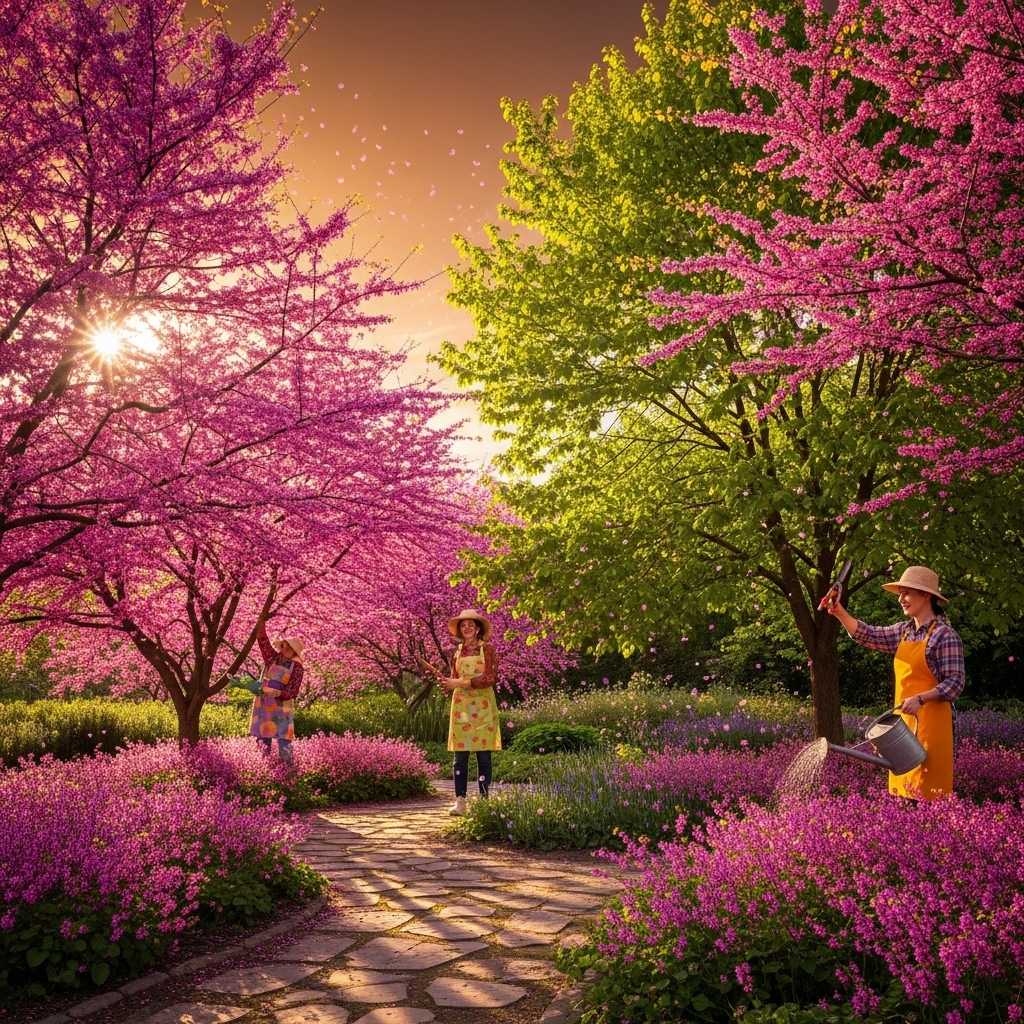
The Eastern Redbud, scientifically known as Cercis canadensis, is a native tree to North America. I’ve always admired its graceful branches that seem to dance in the breeze, adorned with stunning clusters of pink flowers that bloom before the leaves emerge. These trees can grow anywhere from 20 to 30 feet tall and can spread about 25 to 35 feet wide. Their distinctive bark, which is often a purplish-brown, adds to their charm, especially in winter when the tree stands bare against the snowy landscape.
Importance in Landscaping
From my experience, both Dwarf and Eastern Redbud trees play a crucial role in landscaping. They offer seasonal interest with their vibrant blooms in spring, lush green foliage in summer, and striking fall colors. Not only do they serve as beautiful focal points, but they also attract pollinators like bees and butterflies, which is something I’ve noticed in my own garden. Their unique shape and size make them versatile for various design styles, whether you’re going for a cottage garden look or a more modern aesthetic. I’ve seen them paired with perennials, groundcovers, and even other trees, creating a layered, dynamic landscape.
Varieties of Dwarf and Eastern Redbud Trees
Dwarf Redbud Varieties
When it comes to Dwarf Redbuds, there are several varieties that stand out. I’ve explored a few, and each has its unique charm and appeal.
Cercis canadensis ‘Covey’
This variety is known for its compact growth and stunning pink flowers that bloom in early spring. I’ve found that the ‘Covey’ Redbud is particularly striking when planted in clusters, creating a beautiful display that draws the eye. Its heart-shaped leaves turn a lovely yellow in the fall, adding to its appeal throughout the seasons.
Cercis canadensis ‘Pink Pom Poms’
‘Pink Pom Poms’ is another delightful option. This variety fascinates me with its round, fluffy clusters of pink flowers that look like little pom-poms covering the branches. It tends to stay around 3 to 4 feet tall, making it perfect for small spaces. I often recommend this variety to friends looking to make a colorful statement in their gardens. For more ideas on small trees, see Small Pink Flowering Trees.
Cercis canadensis ‘Forest Pansy’
Then there’s the ‘Forest Pansy,’ a bit larger than the others but still manageable. Its deep burgundy leaves provide a striking contrast to the pink blooms, making it a standout in any landscape. I’ve enjoyed watching the leaves change to a vibrant green in summer and then back to a rich purple in the fall. You really can’t go wrong with this variety!
Eastern Redbud Varieties
Eastern Redbuds also come in various cultivated forms that enhance their natural beauty.
Cercis canadensis
The standard form of Cercis canadensis is a classic choice. I’ve planted this variety in my yard, and it never ceases to amaze me with its abundant pink flowers that blanket the branches in spring. Its sturdy structure and beautiful foliage make it a reliable addition to any garden.
Cercis canadensis ‘Hearts of Gold’
‘Hearts of Gold’ is a variety that caught my eye because of its unique golden leaves. I find that it adds a splash of brightness to the landscape, especially against the pink blossoms. This tree is slightly larger but still manageable, making it a popular choice among gardeners.
Cercis canadensis ‘Alba’
Lastly, the ‘Alba’ variety produces stunning white flowers, which is a refreshing alternative to the typical pink. I’ve noticed that this tree can be a fantastic choice for those looking to create a more understated or monochromatic garden theme.
Ideal Growing Conditions
Soil Requirements
When I first started planting Dwarf and Eastern Redbuds, I quickly learned that the right soil can make a huge difference in their growth and overall health. These trees thrive in well-drained soil that is rich in organic matter. I remember mixing in some compost before planting to improve drainage and nutrient content, which really helped the trees establish themselves. Sandy loam or clay loam works well, but it’s essential to avoid overly compacted or heavy clay soils that can retain too much moisture. For me, ensuring the right soil type has been a game changer in keeping my trees healthy.
Light Preferences
Light is another crucial factor for Dwarf and Eastern Redbuds. I’ve noticed that they flourish best in full sun to partial shade. Ideally, they should get at least 6 hours of direct sunlight each day. In my garden, I found the perfect spot where they receive morning sun and some afternoon shade, which helps them stay vibrant without getting too stressed in the heat of the day. It’s fascinating to see how the light affects their flowering and leaf color; in my experience, a little bit of shade can enhance their beauty.
Watering Needs
Watering is an area where I learned through trial and error. Dwarf and Eastern Redbuds prefer consistent moisture, especially in their first few years while they’re establishing roots. I found that giving them a deep watering about once a week works well, particularly during dry spells. However, I also learned that overwatering can lead to problems, so I always check the soil moisture before adding more water. I’ve seen how the trees respond positively when I strike that balance—they thrive and bloom beautifully!
Climate and Hardiness Zones
Understanding the climate and hardiness zones is essential for successful growing. Dwarf and Eastern Redbuds are generally hardy in USDA zones 4 to 9. I live in zone 6, which has worked perfectly for me. I remember visiting a friend in a warmer region, and his Eastern Redbud was blooming much earlier than mine, thanks to the warmer climate. It’s important to consider your local conditions; for instance, if you’re in a colder area, planting these trees in a sheltered spot can help them survive harsh winter winds.
Planting Dwarf and Eastern Redbud Trees
When to Plant
Timing can be critical when it comes to planting Dwarf and Eastern Redbud trees. I’ve found that the best time to plant is in the spring or fall, when temperatures are mild, and the soil is workable. I remember planting my first Dwarf Redbud in early April, and it took off wonderfully. Spring planting allows the tree to establish itself before the summer heat, while fall planting gives it a head start for the next growing season. Either way, it’s essential to avoid planting during extreme heat or cold.
Choosing the Right Location
Choosing the right spot for these trees can make all the difference. I’ve learned that they prefer locations with good air circulation and protection from strong winds. When I planted my Eastern Redbud, I made sure it was positioned away from tall structures that might cast shade during the day. I suggest considering sightlines as well; planting them near a window or patio can provide stunning views of their vibrant blooms throughout spring.
Step-by-Step Planting Guide
Planting Dwarf and Eastern Redbuds isn’t complicated, but I’ve found that following a few simple steps can make the process easier. Here’s how I usually go about it:
-
Start by selecting a healthy tree from a nursery. I always look for vibrant leaves and a strong trunk.
-
Dig a hole that’s about twice as wide and as deep as the root ball. Make sure to loosen the soil at the bottom to aid drainage.
-
Place the tree in the center of the hole, ensuring the root flare is at soil level. I always take a moment to admire how the roots spread out—it’s a great sign!
-
Backfill the hole with the original soil, gently tamping it down as I go to remove air pockets.
-
Water thoroughly right after planting to help settle the soil around the roots. I often watch the water soak in, knowing I’ve done it right.
-
Finally, apply a layer of mulch around the base to retain moisture and suppress weeds. I love how mulch can also give the garden a finished look!
Following these steps has led to successful planting experiences for me, and I hope it helps you too!
Caring for Dwarf and Eastern Redbud Trees
Fertilization Tips
When it comes to fertilizing my Dwarf and Eastern Redbud trees, I’ve learned that a little goes a long way. I usually apply a balanced, slow-release fertilizer in early spring, just as new growth begins. This helps to give the trees a boost as they wake up from winter dormancy. I remember my first year of fertilizing—too much nitrogen can lead to excessive leaf growth at the expense of flowers, which is something I definitely wanted to avoid! A soil test can also be helpful to determine the specific needs of your trees. I find that using organic fertilizers, like compost or well-rotted manure, not only nourishes the trees but also improves soil structure. It’s rewarding to see how a little extra care translates into beautiful blooms and healthy foliage throughout the growing season.
Pruning Techniques
Pruning is another crucial aspect of keeping Dwarf and Eastern Redbuds healthy and visually appealing. I’ve discovered that the best time to prune is in late winter or early spring, right before new growth starts. I love taking a moment to survey my trees during this time—it’s like a little spring ritual for me! I focus on removing any dead or damaged branches first, which not only enhances the tree’s appearance but also promotes better air circulation. I also like to thin out crowded areas to encourage a strong structure. One technique I’ve found really effective is to prune to an outward-facing bud, which helps the tree grow into a more open shape. It’s amazing how much a good pruning can rejuvenate my trees, making them more vibrant and healthier!
Pest and Disease Management
No gardener wants to deal with pests, but I’ve learned that being proactive can keep my Dwarf and Eastern Redbud trees healthy. I often check my trees for signs of common pests like aphids and spider mites. I’ve found that a simple blast of water can dislodge many of these pests, allowing me to avoid chemical treatments. For me, it’s all about maintaining balance in the garden. If I do notice an infestation, I’ve had success with insecticidal soap or introducing beneficial insects, like ladybugs, which are natural predators. As for diseases, I keep an eye out for leaf spot and cankers. Good air circulation and proper watering practices help to minimize these issues. I’ve learned that being vigilant and addressing problems early can save my trees and keep them thriving.
Mulching and Ground Cover
Mulching has become a favorite practice of mine when it comes to caring for Dwarf and Eastern Redbud trees. I usually apply a layer of organic mulch, such as wood chips or shredded bark, around the base of the trees. This not only helps retain moisture in the soil but also suppresses weeds, which can compete for nutrients and water. I remember the first time I mulched around my trees—it felt like I was giving them a cozy blanket of protection! I make sure to keep the mulch a few inches away from the trunk to prevent rot. Additionally, I’ve experimented with ground covers to plant underneath my redbuds. I find that low-growing perennials, like creeping thyme or ajuga, complement the trees beautifully while also enhancing the overall aesthetic of my garden.
Common Issues and Solutions
Leaf Spot and Fungal Diseases
Leaf spot and other fungal diseases can sometimes be a concern for Dwarf and Eastern Redbud trees. I’ve experienced this firsthand when I noticed unsightly brown spots appearing on the leaves of one of my trees. After doing some research, I learned that these issues are often related to overly wet conditions or poor air circulation. To combat this, I make sure to prune for better airflow and avoid overhead watering, which can promote fungal growth. If the problem persists, I’ve found that applying a fungicide in early spring can help manage these diseases. It’s all about being diligent and treating problems early on!
Insect Infestations
As much as I love my Dwarf and Eastern Redbud trees, I’ve had to deal with insect infestations from time to time. One of the more common culprits is the redbud borer, which can weaken the trees if not addressed. I’ve learned to look for signs of boring holes or frass (insect droppings) on the trunk. If I spot any, I take immediate action by removing the affected branches and applying an appropriate insecticide. I also keep beneficial insects in mind; they can help keep pest populations in check. I’ve found that maintaining a healthy garden ecosystem is key to preventing these issues.
Environmental Stress Factors
Environmental stress factors can also impact the health of my Dwarf and Eastern Redbud trees. I remember a particularly hot summer when I noticed my trees struggling. I realized that they weren’t getting enough water during the heatwave. Since then, I’ve made it a point to monitor soil moisture more closely during dry spells and to water deeply when needed. Additionally, I’ve learned to protect my trees from harsh winter winds by strategically placing other plants or structures nearby. Understanding the local climate and adapting my care routine accordingly has made a tremendous difference in how well my trees thrive.
Designing with Dwarf and Eastern Redbud Trees
Complementary Plantings
I’ve always found that planting Dwarf and Eastern Redbud trees alongside other plants can really enhance the overall beauty of my garden. For instance, pairing them with spring-flowering bulbs like daffodils or tulips creates a stunning display. I remember planting some vibrant yellow daffodils at the base of my Dwarf Redbud, and the combination of colors was breathtaking! I also recommend using perennials such as hostas or daylilies. Their lush foliage contrasts beautifully with the heart-shaped leaves of the redbuds. It’s amazing how the right companions can elevate the visual appeal and create a harmonious garden space.
Using Redbuds in Small Spaces
One of the reasons I love Dwarf Redbud trees is their adaptability to small spaces. I’ve discovered that they can fit perfectly in tight corners or smaller gardens without overwhelming the area. I’ve even used them on my patio in decorative containers. This adds a pop of color and life to the space. When considering small spaces, I suggest planting them in groups of three for a cohesive look. They create an inviting atmosphere and can be a striking focal point. I often find that a well-placed Dwarf Redbud can be the highlight of my garden, drawing attention and admiration from neighbors and guests alike.
Seasonal Interest and Color
One of the things I cherish most about Dwarf and Eastern Redbud trees is the seasonal interest they provide. In spring, the pink blooms bring joy and warmth after a long winter. As summer rolls in, the lush green leaves provide a cool respite. Then, when fall comes, the foliage transforms into vibrant yellows and oranges that make every walk in the garden a delightful experience. I remember the first time I witnessed the fall colors—it felt like nature was putting on a show just for me! Even in winter, the unique structure of the trees adds interest to the landscape. Being able to enjoy these trees through all four seasons makes them a cherished part of my gardening experience.
Final Thoughts
In my opinion, Dwarf and Eastern Redbud trees are truly a treasure for any gardener. Their stunning blooms, beautiful foliage, and ability to adapt to various landscapes make them a must-have. Whether you have a small patio or a sprawling garden, these trees can bring life and color to your space. I’ve found that with a little care, they thrive and become a beloved part of my garden. If you’re considering adding a touch of charm to your outdoor area, I wholeheartedly recommend exploring these magnificent trees. Trust me, you won’t regret it!
Frequently Asked Questions
What are Dwarf Redbud Trees?
Dwarf Redbud trees are smaller versions of the traditional Eastern Redbud, typically reaching heights of 3 to 4 feet. They feature beautiful heart-shaped leaves and small pink to purple flowers in the spring, making them ideal for gardens with limited space.
What are Eastern Redbud Trees?
The Eastern Redbud, scientifically known as Cercis canadensis, is a native tree to North America that can grow anywhere from 20 to 30 feet tall and spread about 25 to 35 feet wide. They are known for their graceful branches and stunning clusters of pink flowers that bloom before the leaves emerge.
What are some popular varieties of Dwarf Redbud Trees?
Popular Dwarf Redbud varieties include Cercis canadensis ‘Covey’, known for its compact growth and striking pink flowers; ‘Pink Pom Poms’, which features round clusters of pink flowers; and ‘Forest Pansy’, which has deep burgundy leaves that contrast with pink blooms.
What are some varieties of Eastern Redbud Trees?
Eastern Redbud varieties include the standard Cercis canadensis, which is a classic choice for its abundant pink flowers; ‘Hearts of Gold’, known for its unique golden leaves; and ‘Alba’, which produces stunning white flowers.
What are the ideal growing conditions for Dwarf and Eastern Redbud Trees?
These trees thrive in well-drained soil rich in organic matter, prefer full sun to partial shade with at least 6 hours of direct sunlight daily, and require consistent moisture, especially in their first few years. They are generally hardy in USDA zones 4 to 9.
When is the best time to plant Dwarf and Eastern Redbud Trees?
The best time to plant Dwarf and Eastern Redbud trees is in the spring or fall when temperatures are mild and the soil is workable. This timing allows the trees to establish themselves before summer heat or winter cold.
What are the fertilization tips for Dwarf and Eastern Redbud Trees?
It is recommended to apply a balanced, slow-release fertilizer in early spring, just as new growth begins. A soil test can help determine specific needs, and using organic fertilizers like compost is beneficial for tree health and soil structure.
How should Dwarf and Eastern Redbud Trees be pruned?
Pruning should be done in late winter or early spring, before new growth starts. Focus on removing dead or damaged branches and thinning crowded areas to encourage a strong structure. Pruning to an outward-facing bud helps the tree grow into a more open shape.
What common issues can affect Dwarf and Eastern Redbud Trees?
Common issues include leaf spot and fungal diseases, insect infestations (such as the redbud borer), and environmental stress factors like drought. Maintaining good air circulation, proper watering, and being vigilant about pests can help manage these problems.
How can Dwarf and Eastern Redbud Trees enhance a garden’s design?
Dwarf and Eastern Redbud Trees provide seasonal interest, vibrant blooms in spring, lush green foliage in summer, and striking fall colors. They can complement other plants, fit into small spaces, and serve as focal points, enhancing the overall beauty of any landscape.