
The Eastern Redbud tree is a stunning addition to any landscape, boasting beautiful blossoms and heart-shaped leaves. This guide will take you through everything you need to know about its growth, care, and unique features.
Overview of the Eastern Redbud Tree
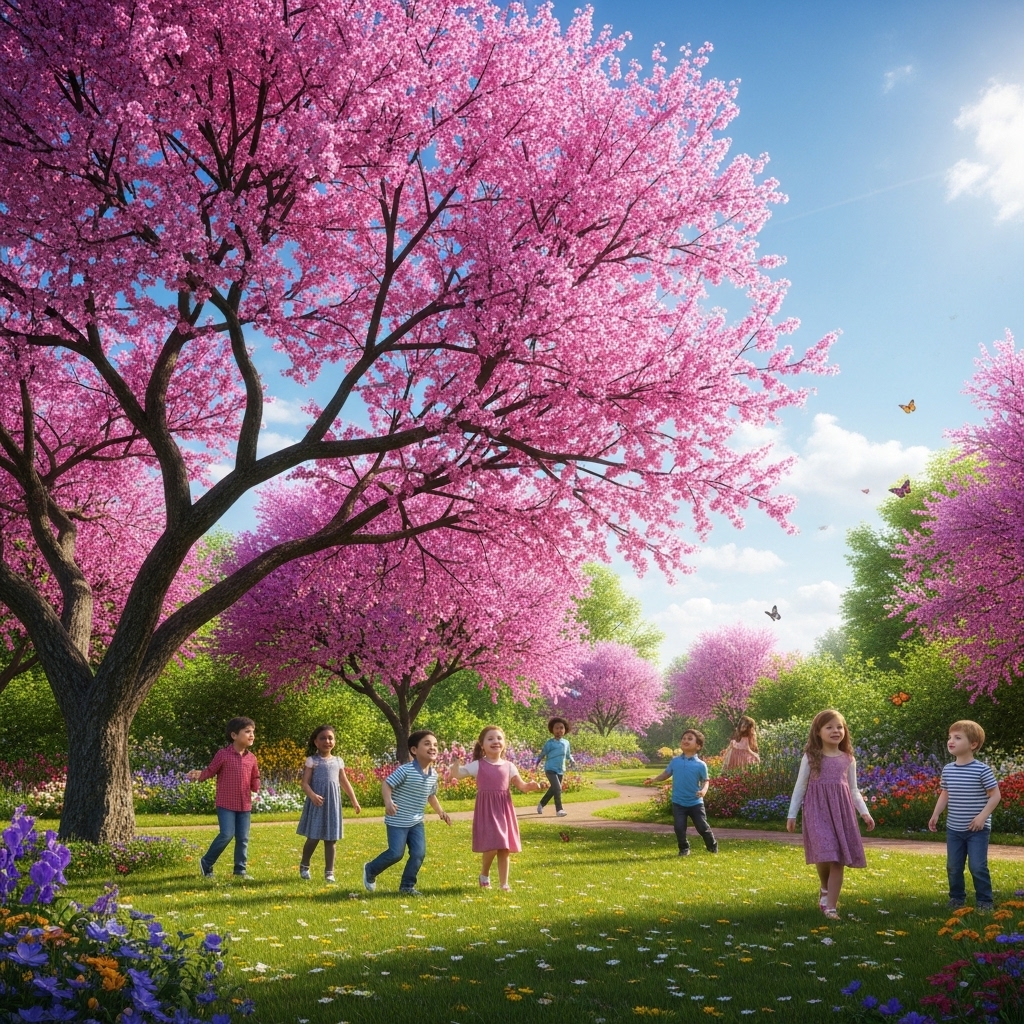
When I first encountered the Eastern Redbud, I was captivated by its beauty. This small to medium-sized tree, known for its vibrant pink flowers in spring, has a unique charm that draws me in every time I see one. Let’s dive into some essential facts about this wonderful tree.
Scientific Classification
The Eastern Redbud (Cercis canadensis) is part of the Fabaceae family, commonly known as the legume, pea, or bean family. This scientific classification places it among other flowering plants that are crucial for various ecosystems. I find it fascinating how the roots of the Eastern Redbud can fix nitrogen in the soil, enriching it for other plants nearby.
Common Names and Synonyms
This tree goes by several common names, such as the Judas tree and pinkbud. Each name carries a story, often tied to local folklore or historical significance. I remember learning about the “Judas tree” in school, which referred to the legend that Judas Iscariot hanged himself from one of these trees. It’s a striking name for a tree that brings so much beauty to landscapes.
Native Habitat and Range
The Eastern Redbud is native to North America, particularly in the eastern United States. I’ve noticed them thriving in wooded areas, along roadsides, and in gardens across regions like Ohio, Kentucky, and Tennessee. Their adaptability to various soil types and conditions makes them a popular choice for homeowners and landscapers alike. I love seeing them bloom in parks and along highways, adding a splash of color to the scenery.
Growth Characteristics
Understanding how the Eastern Redbud grows is essential for anyone looking to plant or care for one. I’ve learned that their growth traits can really help shape our gardening decisions. For more detailed advice on growth rates, check out Eastern Redbud Tree Growth Rate and Flowering Advice.
Size and Height
The Eastern Redbud typically grows to about 20 to 30 feet tall, with a spread of about 25 to 35 feet. I find this size perfect for smaller yards or urban gardens. Their relatively compact size means they can provide beauty without overwhelming a space. I’ve planted a few in my own yard, and they fit in beautifully without taking over the whole garden.
Growth Rate
These trees are known for their moderate growth rate. Generally, you can expect them to grow around 1 to 2 feet per year. I remember feeling impatient when I first planted one. I wanted it to grow faster, but I learned to appreciate the steady growth and the seasonal changes that came with each passing year. Patience really does pay off in gardening!
Root System
The Eastern Redbud has a shallow, fibrous root system that helps it absorb moisture effectively. I’ve seen how this root system can make it more susceptible to wind, especially as it matures. So, when I planted mine, I made sure to choose a sheltered spot to protect it as it grew. Understanding its roots helped me create a supportive environment for my tree.
Leaves of the Eastern Redbud
The leaves of the Eastern Redbud are truly one of its standout features. When I see these heart-shaped leaves emerge in spring, I can’t help but feel a sense of joy and renewal.
Leaf Shape and Size
The leaves are typically heart-shaped, measuring about 3 to 5 inches long. They grow in clusters, and their unique shape is one of the reasons I find this tree so appealing. I always look forward to the moment those leaves unfurl; it feels like the tree is waking up from winter’s slumber. Their vibrant green color adds a lush backdrop to the stunning pink flowers.
Seasonal Changes in Color
As the seasons change, so do the leaves. In the fall, the foliage takes on beautiful hues of yellow and orange, providing a stunning contrast to the vibrant summer green. I remember taking pictures of my tree every fall, marveling at how the colors transformed. It’s like nature’s artwork, and each season brings its own masterpiece.
Photosynthesis and Leaf Function
The leaves play a crucial role in photosynthesis, converting sunlight into the energy the tree needs to thrive. I always find it amazing how much life happens in those green leaves. They not only provide energy for the tree but also contribute to the overall health of the ecosystem. I often see birds and insects flocking to my Redbud, drawn by the healthy foliage, and it fills me with a sense of connection to nature.
Flowers and Fruits
The flowers of the Eastern Redbud are truly a spectacle to behold. Every spring, when they burst into bloom, I feel the excitement of warmer weather and longer days. It’s like a vibrant announcement that life is awakening around us.
Blooming Season
For me, the blooming season of the Eastern Redbud is one of the most anticipated times of the year. Typically, these trees start to bloom in early to mid-spring, often around March to April, depending on the climate. I remember the first time I saw one in bloom; the sight was so breathtaking that I had to stop and take a moment to appreciate it. The flowers usually last for a few weeks, but during this time, they create a stunning display that can brighten even the dullest of days.
Flower Color and Structure
One of the things that fascinate me about Eastern Redbud flowers is their unique structure and vivid color. They come in a lovely shade of pink, sometimes even appearing almost purple. Each flower is small, measuring about 1 inch in diameter, and they grow in clusters directly on the branches, creating a beautiful contrast against the tree’s dark bark. I’ve always found it interesting how their blossoms seem to almost float in the air, giving the tree a whimsical appearance. It’s a perfect sight for photography, and I’ve taken countless pictures during their peak bloom, trying to capture their beauty.
Seed Pods and Propagation
After the flowers fade, the Eastern Redbud produces small, flat seed pods that can be around 2 to 4 inches long. I remember my surprise when I first noticed these pods during the summer. They start off green and gradually turn brown as they mature. These seed pods contain seeds that can be used for propagation. While I’ve seen many people enjoy the beauty of the Redbud without caring about propagation, I decided to collect a few pods to see if I could grow my own. It was a rewarding experience, and I learned that they can be planted in the fall or early spring, giving me a sense of connection to the tree as I nurtured new life.
Images and Visual Identification
Visual identification is an important aspect of appreciating the Eastern Redbud. I’ve always enjoyed learning how to recognize different plants, and this tree has some very distinct features that make it stand out.
Pictures of Eastern Redbud Trees
Whenever I come across images of Eastern Redbud trees in bloom, I can’t help but feel inspired. Whether it’s a close-up of the delicate pink flowers or a wide shot showcasing the tree in a landscape, each image tells a story of spring’s arrival. I often browse through gardening blogs and social media for beautiful shots, which help me appreciate their beauty even more. If you’re ever in doubt about identifying one, I recommend searching for images online; you’ll see just how stunning they are, and it might just inspire you to plant one in your own garden.
Identifying Features
Identifying an Eastern Redbud is relatively easy once you know what to look for. Aside from its gorgeous pink flowers, the heart-shaped leaves are a significant clue. The bark, which is dark brown to gray with a smooth texture, adds to its uniqueness. I often encourage friends to look for these distinguishing features when they’re trying to spot one. The overall silhouette of the tree, with its broad, spreading crown, is another characteristic that’s hard to miss. Once you start looking for them, you’ll notice how they add a touch of elegance to any landscape.
Care and Maintenance
Caring for an Eastern Redbud is a joyful experience. I’ve found that understanding their needs is key to keeping them healthy and vibrant.
Soil Requirements
Eastern Redbuds thrive in well-drained soil that is rich in organic matter. I remember when I first planted mine, I took extra time to amend the soil with compost. It really helped the tree establish itself quickly. They can tolerate a range of soil types, but I’ve noticed that they flourish best in loamy or sandy soils. If you’re considering planting one, I recommend testing your soil to ensure it’s suitable.
Watering Guidelines
Watering is crucial, especially during the first few years as the tree establishes its roots. I learned from experience that while Eastern Redbuds are somewhat drought-tolerant, they appreciate consistent moisture. I usually water mine deeply during dry spells, keeping an eye on the weather and soil conditions. It’s a balancing act; too much water can lead to root rot, while too little can stress the tree.
Fertilization Tips
Fertilizing your Eastern Redbud can boost its growth and flowering. I’ve used a slow-release fertilizer in early spring to give mine a little boost. Organic options work well too, and I find that they help maintain the health of the tree without the risk of over-fertilizing. Always follow the instructions on the package for the best results.
Pruning Techniques
Pruning is another essential aspect of Eastern Redbud care. I’ve pruned mine in late winter or early spring before new growth begins. This helps remove any dead or crossing branches and encourages a healthy shape. I love standing back after a good prune, seeing how much more open and airy the tree looks. Plus, it promotes better air circulation and light penetration, which is beneficial for its overall health.
Pests and Diseases
As much as I adore the Eastern Redbud, I’ve learned that like any plant, it can face its share of challenges from pests and diseases. Understanding these issues has helped me take better care of my tree and keep it healthy.
Common Pests Affecting Redbuds
One of the most common pests I’ve encountered with my Eastern Redbud is the leafcutter bee. While they may sound intimidating, I’ve discovered that they don’t cause severe damage. They make small, circular cuts in the leaves to use in their nests. I’ve seen these little holes, and while they can be alarming at first, I’ve learned to coexist with them since they don’t seem to affect the overall health of the tree. Another pest to watch for is the redbud borer, which can be more detrimental. These larvae can tunnel into the branches, causing dieback. I’ve found that if I notice any wilting or dying branches, it’s essential to inspect for these pests and remove any affected areas promptly.
Diseases to Watch For
In my experience, Eastern Redbuds can be susceptible to a few diseases. One that I’ve had to keep an eye out for is powdery mildew. This fungal disease often appears as a white, powdery coating on the leaves, especially in humid conditions. If I see this, I make sure to improve air circulation around the tree and avoid overhead watering, as moisture can promote the spread of the fungus. Another disease to be aware of is verticillium wilt. I remember reading about it and feeling worried, as it can cause leaves to yellow and drop prematurely. I’ve learned that maintaining a healthy tree through proper care can significantly reduce the risk of these diseases.
Preventative Measures
Taking preventative measures has become a routine part of my care for the Eastern Redbud. I always start with choosing a healthy specimen when planting. Ensuring good soil drainage is crucial, as it helps prevent root rot and other diseases. I’ve also found that keeping a close eye on the tree during the growing season allows me to catch any issues early. Regularly inspecting the leaves and branches for pests or signs of disease has helped me take action before problems escalate. Additionally, I make it a point to remove any fallen leaves and debris around the base of the tree to minimize the risk of diseases taking hold.
Landscaping Uses and Benefits
One of the reasons I love the Eastern Redbud is its versatility in landscaping. I’ve discovered various ways to incorporate this beautiful tree into my garden and the benefits it brings.
Ornamental Uses
In my opinion, the Eastern Redbud serves as a fantastic ornamental tree. Its stunning blossoms in spring are often the first sign of life after winter, making it a focal point in any landscape. I’ve seen them used as standalone specimens in gardens, creating a vibrant splash of color. They also work well in group plantings, where their natural beauty can complement other flowering plants. I often recommend planting them near patios or walkways, as their beauty can be enjoyed up close.
Wildlife Attraction
I’ve noticed that the Eastern Redbud is a magnet for wildlife. The flowers attract bees and butterflies, making my garden feel alive with activity. Observing these creatures has deepened my connection to nature. I remember one spring when my tree was buzzing with bees, and the sight brought such joy. It’s rewarding knowing that by planting a Redbud, I’m not only enhancing my landscape but also providing a habitat for important pollinators.
Shade and Aesthetic Value
Aside from its beauty, the Eastern Redbud can provide a bit of shade in my garden, especially as it matures. I appreciate how its broad crown can create a cozy nook in the yard. It’s perfect for setting up a bench or a small seating area where I can enjoy the view. The tree’s aesthetic value extends beyond just its flowers; the heart-shaped leaves and interesting bark add texture and visual interest throughout the seasons. I often find myself stopping to admire how the tree looks against the sky, especially when it’s in full bloom or adorned with fall colors.
Best Practices for Planting Eastern Redbud Trees
Planting an Eastern Redbud can be a fulfilling experience, especially when you see it thrive in your garden. I’ve learned a few best practices that can make a significant difference in ensuring your tree grows strong and healthy.
Ideal Planting Location
Choosing the right spot for your Eastern Redbud is crucial. I’ve discovered that they flourish in areas that receive full sun to partial shade. I tend to plant mine in a location where it can soak up the morning sun but is slightly shaded during the hottest parts of the afternoon. This balance helps prevent leaf scorch and keeps the tree comfortable as it grows. Additionally, I recommend avoiding low-lying areas where water can collect, as standing water can lead to root rot.
Timing for Planting
The timing of planting can really set the tone for your Eastern Redbud’s success. I always aim to plant mine in either the fall or early spring. Planting in the fall gives the tree a chance to establish its roots before winter, while early spring planting allows it to take advantage of the warming temperatures. I remember my first planting experience; I chose spring and was amazed to see how quickly my tree took off once the weather warmed up. Just make sure the danger of frost has passed before you dig in!
Spacing and Companions
When planting multiple Eastern Redbuds, spacing is key. I’ve found that giving each tree enough room to grow is essential for their health. Ideally, I space them about 25 to 30 feet apart. This allows them to fully spread their branches without competing for resources. I also enjoy pairing my Redbuds with other flowering plants or shrubs that bloom at different times, creating a layered, colorful landscape. For instance, I’ve planted some daylilies nearby, and together they create a beautiful display throughout the growing season.
Frequently Asked Questions
How fast do Eastern Redbuds grow?
Eastern Redbuds are known for their moderate growth rate. From my experience, they typically grow about 1 to 2 feet per year. I remember being thrilled to see mine reach a certain height after just a few years. While it may feel slow sometimes, the steady growth allows them to develop strong roots and a good structure.
Do Eastern Redbuds attract bees?
Absolutely! Eastern Redbuds are fantastic at attracting bees and other pollinators. I’ve loved watching butterflies and bees flutter around my tree during bloom time. It really adds life to the garden and helps support the local ecosystem. Seeing these pollinators at work has been one of the highlights of having a Redbud in my yard.
What is the lifespan of Eastern Redbud trees?
On average, Eastern Redbuds can live for about 20 to 30 years, but I’ve seen some that thrive even longer with proper care. I think the key is maintaining a healthy environment and keeping an eye out for any pests or diseases. With the right attention, they can be a lasting treasure in our gardens.
Final Thoughts
Having an Eastern Redbud tree in my life has been a journey filled with beauty and connection to nature. From its stunning blooms in spring to its vibrant fall colors, this tree has added so much joy to my garden. I believe that by understanding its needs and characteristics, we can ensure these trees thrive for years to come. Whether you’re looking to enhance your landscape, attract wildlife, or simply enjoy its beauty, the Eastern Redbud is a wonderful choice. If you’re considering planting one, I encourage you to take the plunge. You’ll be rewarded with a tree that brings life and color to your space, just as it has done for me. For further insights on the pros and cons of this tree, check out Eastern Redbud Tree Pros and Cons – 20 Facts You Need to Know.
Frequently Asked Questions
What is the scientific classification of the Eastern Redbud tree?
The Eastern Redbud (Cercis canadensis) is part of the Fabaceae family, commonly known as the legume, pea, or bean family.
What are some common names for the Eastern Redbud?
This tree goes by several common names, such as the Judas tree and pinkbud.
What is the typical height and spread of an Eastern Redbud tree?
The Eastern Redbud typically grows to about 20 to 30 feet tall, with a spread of about 25 to 35 feet.
When does the Eastern Redbud typically bloom?
The Eastern Redbud typically starts to bloom in early to mid-spring, often around March to April, depending on the climate.
What color are the flowers of the Eastern Redbud?
The flowers of the Eastern Redbud come in a lovely shade of pink, sometimes appearing almost purple.
What are the leaf characteristics of the Eastern Redbud?
The leaves are typically heart-shaped, measuring about 3 to 5 inches long, and they grow in clusters with a vibrant green color.
What type of soil do Eastern Redbuds prefer?
Eastern Redbuds thrive in well-drained soil that is rich in organic matter, ideally in loamy or sandy soils.
How often should Eastern Redbuds be watered?
Watering is crucial, especially during the first few years as the tree establishes its roots. They appreciate consistent moisture but can tolerate some drought.
What common pests affect Eastern Redbud trees?
Common pests include leafcutter bees, which make small circular cuts in the leaves, and redbud borers, which can tunnel into the branches causing dieback.
What is the average lifespan of an Eastern Redbud tree?
On average, Eastern Redbuds can live for about 20 to 30 years, but some can thrive even longer with proper care.