
Integrated Pest Management (IPM) offers sustainable solutions for tackling pest problems in tropical agriculture. By using a combination of techniques, we can protect our crops while minimizing environmental impact and promoting biodiversity. For more insights, check out Top Strategies for Integrated Pest Management in Tropical Gardens.
Table of Contents
Understanding Integrated Pest Management (IPM)
Definition of Integrated Pest Management
IPM is a holistic approach to managing pests that combines biological, cultural, mechanical, and chemical methods. Instead of relying solely on pesticides, IPM focuses on understanding the pest’s life cycle, their natural enemies, and the ecosystem. This approach helps us develop strategies that are effective in controlling pests while being mindful of the environment.
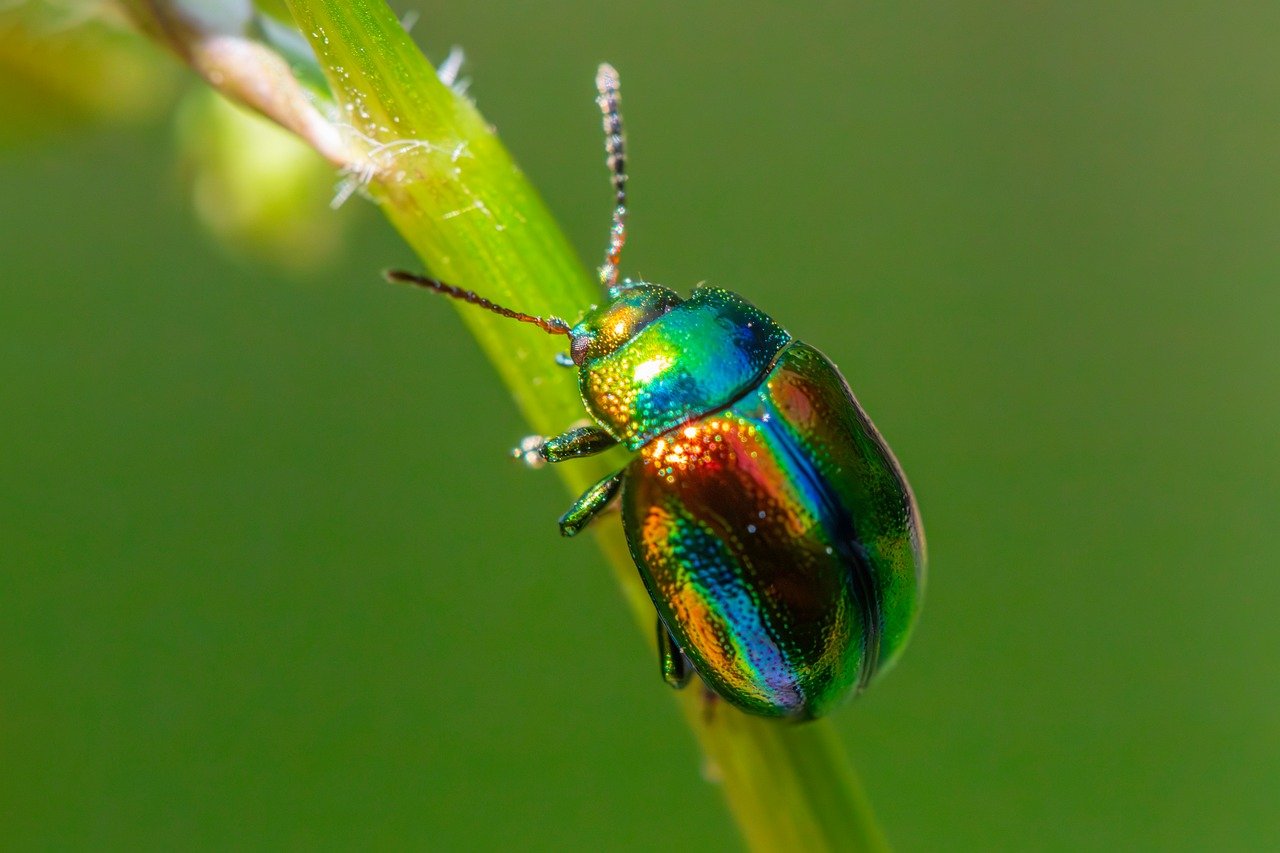
Importance of IPM in Tropical Agriculture
I’ve seen firsthand how crucial IPM is for tropical agriculture, where diverse ecosystems often harbor a variety of pests and beneficial organisms. In tropical regions, the warm climate can lead to rapid pest population growth, making it essential to have a proactive management strategy. By adopting IPM, we can not only protect our crops but also ensure that our agricultural practices are sustainable for future generations. This is especially vital as many smallholder farmers depend on these crops for their livelihood.
Key Principles of IPM
From my experience, there are several key principles that guide effective IPM practices:
- Prevention: The best way to manage pests is to prevent them from becoming a problem in the first place. This can include practices such as selecting resistant crop varieties or implementing proper sanitation measures.
- Monitoring: Regularly checking for pests and their damage allows for early detection and timely intervention. I remember using sticky traps in my garden to monitor pest populations effectively.
- Identification: Knowing which pests are affecting your crops is vital. Identifying pests accurately helps in deciding the best course of action. I often attend local workshops to learn how to recognize both harmful pests and beneficial insects.
- Management: Once pests are identified and monitored, we can select appropriate management strategies, tailoring them to the specific situation. This might include a mix of cultural, biological, and chemical controls.
- Evaluation: After implementing control measures, evaluating their effectiveness is crucial. I’ve found that keeping records of pest populations and crop performance can inform future decisions and improve our practices.
Common Pests Affecting Tropical Crops
Insects: Types and Impact
Insects can wreak havoc on tropical crops. Some common pests I’ve encountered include aphids, whiteflies, and the notorious fall armyworm. Each of these pests has its unique way of damaging plants, whether by sucking sap or chewing through leaves. I remember the first time I saw my tomato plants covered in aphids; it was disheartening. Learning about their life cycle helped me develop a targeted strategy to control them. For more strategies, you can refer to Effective Strategies to Manage Common Tropical Garden Pests.
Weeds: Identification and Management
Weeds are another significant challenge in tropical agriculture. They compete with crops for nutrients, water, and sunlight. I’ve learned that identifying weeds early is vital for effective management. Some common tropical weeds include crabgrass and morning glory. My go-to method for managing weeds has been a combination of mulching and manual removal. It’s labor-intensive, but it pays off in the long run.
Pathogens: Fungal, Bacterial, and Viral Diseases
Plant diseases caused by pathogens can also devastate crops. Fungal infections like powdery mildew and bacterial wilt can spread rapidly, especially in humid tropical climates. I recall a time when I lost a significant portion of my squash crop to a fungal disease. It reinforced the importance of crop rotation and selecting resistant varieties to help mitigate these threats.
Nematodes: Threats to Root Health
Nematodes, microscopic roundworms, can be a silent menace in the soil. They attack plant roots, leading to stunted growth and reduced yields. I didn’t realize the impact nematodes could have until I noticed wilting plants that appeared healthy otherwise. Implementing practices like soil solarization has helped me manage nematode populations effectively.
IPM Techniques for Tropical Environments
Cultural Control Methods
When it comes to managing pests in tropical agriculture, cultural control methods have been a game-changer for me. These techniques focus on changing farming practices to make the environment less conducive to pest infestations. I find that cultural controls not only help reduce pest pressures but also improve the overall health of the ecosystem.
Crop Rotation and Diversity
One of the most effective cultural practices I’ve adopted is crop rotation. By changing the types of crops I plant each season, I disrupt the life cycles of pests that thrive on specific plants. For example, after a season of tomatoes, I’ll switch to legumes. This practice not only keeps pests guessing but also enhances soil health. I’ve noticed that rotating crops helps maintain soil fertility and reduces the buildup of pests and diseases.
Soil Management Practices
Healthy soil is the foundation of successful pest management. I’ve learned that implementing good soil management practices, like composting and mulching, can make a significant difference. Mulching, in particular, has been beneficial in suppressing weed growth while retaining moisture. The organic matter from compost enriches the soil, supporting beneficial microorganisms that can help keep pest populations in check.
Timing of Planting and Harvesting
Timing can be everything in pest management. I’ve experimented with varying my planting and harvesting times to avoid peak pest populations. For instance, I learned that planting crops earlier in the season can sometimes help dodge the worst of the insect invasions that occur later in the year. This strategy has not only increased my crop yields but has also reduced the need for interventions.
Biological Control Methods
Biological control methods have become one of my favorite aspects of pest management. This approach uses natural predators and parasites to keep pest populations under control. I love the idea of working with nature rather than fighting against it.
Beneficial Insects and Their Role
Introducing beneficial insects into my garden has been incredibly rewarding. Ladybugs and lacewings are two of my favorites because they feast on aphids and other pests. I remember the first time I released ladybugs in my vegetable patch; within days, I noticed a significant drop in aphid populations. It was a great reminder of how interconnected our ecosystems are and how we can leverage natural relationships to manage pests effectively.
Microbial Pesticides
I’ve also had success using microbial pesticides, which contain beneficial bacteria or fungi that target specific pests. For example, I’ve used Bacillus thuringiensis (Bt) to control caterpillar pests. It was fascinating to see how this natural pesticide worked without harming beneficial insects. I always recommend doing thorough research to ensure that the microbial options we choose are safe for our crops and the environment.
Mechanical Control Methods
Mechanical control methods can be very straightforward and effective. These strategies involve using physical means to manage pests, and I’ve found them to be especially useful in small-scale settings.
Physical Barriers and Traps
Installing physical barriers like row covers has been a lifesaver for my crops. These covers protect young plants from pests while still allowing light and moisture to reach them. I’ve also employed traps, such as yellow sticky traps, to monitor and catch flying insects. It’s always satisfying to see those pesky pests trapped, knowing that my crops are a little safer.
Hand-Picking and Weeding Techniques
While it may be labor-intensive, hand-picking pests off plants has proven effective for me, especially in smaller gardens. It’s a therapeutic experience, and I often find it easier to notice other issues, like disease or nutrient deficiencies, while I’m out there. Alongside hand-picking, I maintain a regular weeding schedule to keep competition low and reduce pest habitats. Trust me, a little time spent weeding goes a long way in maintaining crop health.
Chemical Control Methods
While I prefer using natural methods when possible, sometimes chemical controls are necessary. However, I approach this with caution and responsibility, always prioritizing safety and environmental impact.
Safe Use of Pesticides
I believe that if we need to use pesticides, we must do so safely. I’ve learned to read labels carefully and follow instructions regarding application rates and timing. Applying pesticides when beneficial insects are less active helps protect those important allies in the garden. I also wear protective gear to ensure my own safety while applying these products.
Integrated Use of Chemical Controls
Integrating chemical controls with other methods has been key for me. I tend to reserve pesticides for when pest populations are beyond manageable levels, using them in conjunction with cultural and biological controls to minimize reliance on them. This approach has allowed me to maintain healthier crops while still addressing significant pest issues when they arise.
Monitoring and Assessment Techniques
Regular Field Inspections
One of the most crucial aspects of effective Integrated Pest Management (IPM) is regular field inspections. I can’t stress enough how important it is to walk through your fields or gardens frequently. I’ve made it a habit to check my plants at least once a week, looking for any signs of pests or diseases. Early detection can make all the difference. I remember a time when I caught a small aphid infestation early on. By addressing it promptly, I managed to prevent a much larger problem later.
During these inspections, I take notes on what I observe. I look for changes in plant health, pest populations, and even signs of beneficial insects. Keeping a log has helped me track trends over time, allowing me to adjust my management strategies accordingly. It’s fascinating how this simple practice can provide such valuable insights into the overall health of my crops.
Use of Traps and Sticky Cards
Using traps and sticky cards has become a fun and effective way for me to monitor pest activity. I’ve experimented with various types of traps over the years, including pheromone traps that attract specific pests. Setting these traps has not only provided me with real-time data on pest populations but also offered a hands-on approach to pest management.
Sticky cards, especially the yellow ones, have been surprisingly effective in capturing flying insects. I hang them around my garden and check them regularly. It’s always a bit of a surprise to see what I’ve caught! By analyzing the captured pests, I can identify potential threats before they become a problem. I’ve found this method to be a great combination of monitoring and immediate action.
Data Collection and Pest Forecasting
In today’s age, data collection is more vital than ever. I’ve started integrating simple data collection methods into my pest management practices. Keeping track of pest populations, their life cycles, and their impact on my crops has helped me make more informed decisions. I feel like I’m building a little database of knowledge that aids my farming efforts.
Moreover, I’ve come across various pest forecasting tools and resources that utilize weather patterns to predict pest outbreaks. I remember using a local extension service resource that provided pest alerts based on climatic conditions. By understanding these patterns, I can prepare for potential pest invasions ahead of time. It has changed the way I think about pest management and has made me more proactive rather than reactive.
Case Studies of Successful IPM in Tropical Regions
Coffee Plantations in Central America
One of the standout examples of successful IPM comes from coffee plantations in Central America. I’ve read about how farmers in this region have adopted IPM strategies to combat coffee leaf rust, a devastating fungal disease. By integrating cultural practices like shade management and resistant coffee varieties with biological controls such as introducing natural predators, these farmers have managed to keep coffee production stable.
Witnessing the community’s dedication to IPM gives me hope. They not only protect their crops but also preserve the delicate ecosystem that supports coffee farming. It’s inspiring to see how collaboration among farmers, researchers, and local organizations has led to innovative solutions that are sustainable in the long run.
Cocoa Farms in West Africa
Another fascinating case is that of cocoa farms in West Africa, where farmers face challenges from pests like the cocoa pod borer. I remember reading about how these farmers implemented an IPM approach that included regular monitoring and the use of pheromone traps to disrupt the pest’s mating cycle. By combining these strategies with proper sanitation practices—removing old pods and debris—they have seen significant improvements in their cocoa yields.
This experience highlights the power of local knowledge combined with scientific research. Farmers often know their land best, and when they apply IPM tailored to their specific challenges, the results can be remarkable. I believe there’s a great lesson here about the importance of localized solutions in agriculture.
Rice Fields in Southeast Asia
In Southeast Asia, rice farmers have also embraced IPM with great success. I came across stories of farmers who have integrated pest-resistant varieties with biological controls like using ducks to manage weed populations and pests. Ducks can be quite effective at searching for pests in rice paddies, providing a natural form of pest control while also fertilizing the fields.
This creative use of animals in pest management is something I’ve always found fascinating. It shows that IPM is not just about chemical or mechanical solutions; it’s about being resourceful and utilizing the natural ecosystem. The collaboration between traditional farming methods and modern techniques has led to better crop health and higher yields, proving that integrating IPM can lead to a sustainable future for agriculture.
Challenges in Implementing IPM in Tropical Areas
Climate Change and Its Effects
As someone who has spent years observing farming practices, I can’t ignore the impact of climate change on Integrated Pest Management (IPM) in tropical regions. The shifts in weather patterns, increased temperatures, and unpredictable rainfall have created a breeding ground for pests and diseases. I’ve noticed that certain pests seem to thrive in the warmer conditions, leading to unexpected infestations. This has made it even more important for all of us to adapt our IPM strategies to account for these changes.
For example, I’ve learned that understanding local climate trends can help us anticipate pest outbreaks. By being proactive, we can adjust our planting dates or select more resilient crop varieties. It’s a constant reminder that we need to be flexible and responsive to our environment, which is changing faster than ever before.
Access to Resources and Education
Another challenge I’ve encountered is the uneven access to resources and education among farmers. Not every farmer has the same level of access to information about IPM practices, which can lead to inconsistent implementation. I remember attending a workshop where experts shared vital information about pest management techniques, but I realized that not everyone in my community had the chance to participate.
In my opinion, improving access to educational resources is crucial. Community workshops, local extension services, and farmer co-operatives can play a vital role in sharing knowledge. When we come together to learn, we empower each other and create a stronger agricultural community. I’ve seen how sharing experiences and solutions can lead to innovative practices tailored to our unique challenges. For a comprehensive guide, consider reading Master Integrated Pest Management for Tropical Plants.
Resistance to Pesticides
Resistance to pesticides is a significant issue that many of us face in tropical agriculture. I’ve seen how over-reliance on chemical controls can lead to pests developing resistance, making them harder to manage over time. This was a tough lesson for me when I noticed that a particular pest I had been spraying for years began to show no signs of decline. It was frustrating and made me rethink my whole approach.
To combat this problem, I believe we should diversify our control methods. By integrating cultural, biological, and mechanical strategies, we can reduce the pressure on chemical controls and help prevent resistance. I’ve also started sharing this knowledge with fellow farmers, emphasizing that a multi-faceted approach is often the best way forward.
Future Trends in Integrated Pest Management for Tropicals
Technological Innovations
The future of IPM in tropical agriculture is exciting, especially with the advancements in technology. I often find myself amazed at how technology is shaping our practices. For instance, smartphone apps for pest identification and monitoring are becoming increasingly popular. I’ve started using one that allows me to photograph pests and receive identification and management tips almost instantly. This has made monitoring more efficient and accessible.
Furthermore, innovations like drones for aerial monitoring can provide a broader perspective on crop health and pest populations. I remember hearing about a local farm using drones to assess their fields more effectively. It’s clear that embracing these technologies can enhance IPM strategies and make our farming practices more precise and efficient.
Role of Genetic Engineering
Genetic engineering is another area that holds promise for the future of IPM in tropical agriculture. While I approach this topic with some caution, I can’t deny the potential benefits. For example, developing pest-resistant crop varieties could significantly reduce the need for chemical interventions. I’ve read about some crops that have been genetically modified to withstand certain pests and diseases, which could be a game-changer for smallholder farmers.
As we look to the future, it’s essential that we continue to research and discuss the implications of genetic engineering in agriculture. Balancing innovation with safety and ethical considerations is crucial. I believe that, as a community, we must engage in conversations about these technologies to ensure they align with our values and needs.
Community Involvement and Education
Lastly, community involvement and education are vital for the future of IPM. I think it’s important to foster a culture of learning and sharing among farmers. Programs that promote collaboration and knowledge exchange can build resilience in our agricultural practices. I often participate in local farmer groups where we share experiences, successes, and failures. This has been invaluable in my journey and can only strengthen our collective efforts in IPM.
Investing in education and encouraging community engagement will ensure that everyone has the tools and knowledge they need to implement effective IPM strategies. Together, we can create a sustainable future for our crops and the environment.
Final Thoughts
Reflecting on my journey with Integrated Pest Management, I realize how much we can achieve when we work with nature rather than against it. The challenges we face in tropical agriculture are significant, but the solutions are within our reach. By embracing IPM principles and fostering a community of learning and adaptation, I believe we can safeguard our crops and promote a healthier ecosystem for future generations.
As I continue my farming journey, I remain committed to exploring innovative practices, sharing knowledge, and collaborating with fellow farmers. Together, we can pave the way for sustainable agriculture that respects our environment and supports our livelihoods.
Frequently Asked Questions
What is Integrated Pest Management (IPM)?
IPM is a holistic approach to managing pests that combines biological, cultural, mechanical, and chemical methods. It focuses on understanding the pest’s life cycle, their natural enemies, and the ecosystem to develop effective strategies for pest control while minimizing environmental impact.
Why is IPM important in tropical agriculture?
IPM is crucial in tropical agriculture due to the diverse ecosystems that harbor various pests and beneficial organisms. The warm climate can lead to rapid pest population growth, making proactive management strategies essential to protect crops and ensure sustainable agricultural practices, particularly for smallholder farmers.
What are the key principles of IPM?
The key principles of IPM include prevention, monitoring, identification, management, and evaluation. These principles guide effective pest management practices by encouraging early detection and tailored management strategies.
What types of pests commonly affect tropical crops?
Common pests affecting tropical crops include insects such as aphids and whiteflies, weeds like crabgrass and morning glory, pathogens causing diseases like powdery mildew and bacterial wilt, and nematodes that threaten root health.
What cultural control methods are used in IPM?
Cultural control methods in IPM include practices like crop rotation, soil management (composting and mulching), and timing of planting and harvesting to disrupt pest life cycles and promote healthier ecosystems.
How do biological control methods work in IPM?
Biological control methods involve using natural predators and parasites to manage pest populations. For example, introducing beneficial insects like ladybugs helps control pests such as aphids, leveraging natural relationships within the ecosystem.
What role do mechanical control methods play in IPM?
Mechanical control methods use physical means to manage pests, such as installing physical barriers like row covers and employing traps to monitor or catch pests. These methods can be straightforward and effective, especially in small-scale settings.
How should pesticides be used in IPM?
Pesticides should be used safely and responsibly, following label instructions and applying them when beneficial insects are less active. It is crucial to integrate chemical controls with other methods to minimize reliance on them and protect the environment.
What are some challenges in implementing IPM in tropical areas?
Challenges in implementing IPM include the effects of climate change which create favorable conditions for pests, uneven access to resources and education among farmers, and resistance to pesticides due to over-reliance on chemical controls.
What trends are shaping the future of IPM in tropical agriculture?
Future trends in IPM include technological innovations like smartphone apps for pest identification and monitoring, the potential role of genetic engineering in developing pest-resistant crops, and the importance of community involvement and education in fostering effective IPM practices.