
Tropical gardens are vibrant and full of life, but they also attract pests that can wreak havoc if not managed properly. Understanding these common pests and how to handle them is crucial for any gardener looking to maintain a thriving oasis. For more information on recognizing these pests, check out Identifying Common Pests in Tropical Gardens: A Complete Guide.
Understanding Tropical Garden Pests
As I’ve spent time cultivating my tropical garden, I’ve learned firsthand how critical it is to understand the pests that can invade our green spaces. Tropical environments are rich in biodiversity, which unfortunately also means they can host a variety of pests. From ants to aphids, recognizing them early is key to preserving the health of our plants.
Common Types of Tropical Garden Pests
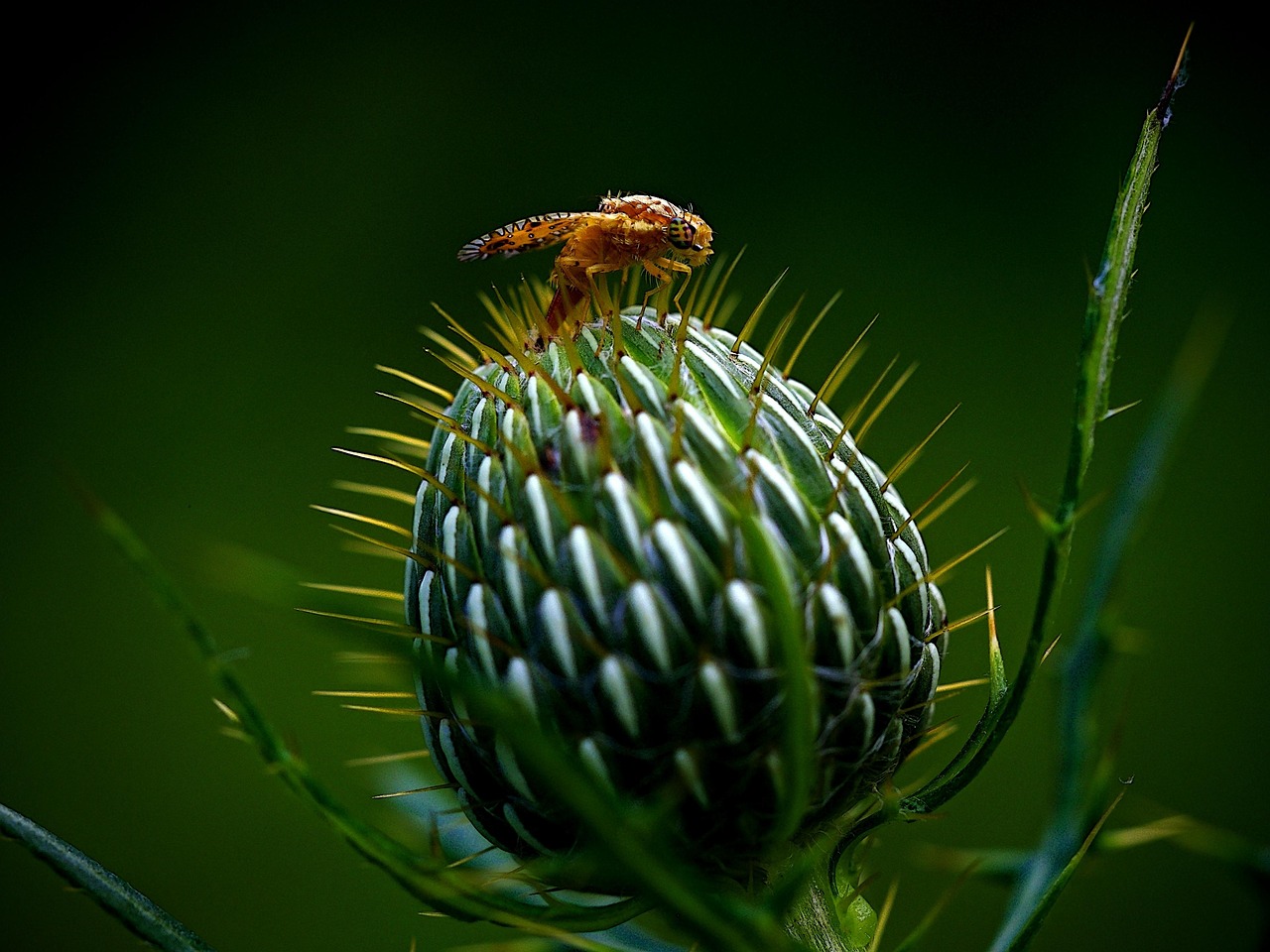
There are several pests that I’ve encountered repeatedly in my garden. Each affects plants differently, and knowing what to expect can help us prepare. For instance, aphids are tiny but can multiply quickly, sucking the sap from our beloved plants. Another common pest is the leafcutter ant, which can decimate foliage as they gather materials for their nests. I’ve also bumped into whiteflies, which can create a sticky mess and lead to sooty mold. The spider mite is another troublemaker, often hidden on the undersides of leaves, sucking out nutrients and causing discoloration. If you’re looking for specific information on these pests, I recommend reading Top 7 Common Pests in Tropical Gardens and How to Combat Them.
Impact of Pests on Garden Health
When I first started gardening, I underestimated how much of an impact pests could have on my plants. They don’t just damage foliage; they can weaken plants, making them more susceptible to diseases. For me, seeing my once-lush ferns wilt and turn yellow was an eye-opener. I realized that an unchecked pest problem could lead to a cascading failure in the garden, threatening not just individual plants but the overall ecosystem. Additionally, some pests can attract other problems, such as fungi and bacteria, which can further compromise the health of our gardens.
Identification of Garden Pests
Identifying pests early is one of the best strategies I’ve learned to protect my garden. Knowing the signs of infestation can save plants before it’s too late. I often take the time to closely observe my plants, especially when something seems off.
Signs of Infestation
One of the first signs I look for is discoloration in the leaves. Yellowing or wilting can indicate pest problems. I’ve noticed that if leaves are sticky or covered in a black, sooty substance, that’s often a sign of aphid or whitefly presence. Additionally, webbing on leaves can indicate spider mites, while chewed leaves may suggest an army of leafcutter ants. It’s all about paying attention to the clues our plants give us.
Common Pests and Their Characteristics
Understanding specific pests can make identification easier. Here are some common culprits I’ve encountered in my tropical garden:
Leafcutter Ants
Leafcutter ants are fascinating yet destructive. They don’t eat the leaves directly; instead, they cut them and carry them back to their nests to cultivate fungus, which they consume. I’ve seen entire areas of my garden stripped bare in a matter of days if I don’t take action.
Whiteflies
These tiny, white, moth-like insects can be hard to spot until they swarm. They thrive on the undersides of leaves, sucking sap and leaving behind a sticky residue. I remember my first encounter with them; I was confused until I noticed the telltale signs of a whitefly infestation. They can also spread diseases, so acting quickly is essential.
Spider Mites
Spider mites are minuscule, often undetectable to the naked eye, but their damage is visible. They can cause stippling on leaves and can lead to webbing that looks like tiny spider webs. I’ve learned to inspect the undersides of leaves regularly to catch them early.
Mealybugs
These fuzzy little pests are often mistaken for cotton. They feed on plant sap and can be found clustered in leaf joints or on stems. I found them on my hibiscus once, and it took some time to clear them out completely. They can create a sticky mess and invite secondary pests if left unchecked.
By understanding these pests and their characteristics, I’ve been able to take proactive steps to protect my garden. The more we know about what we’re dealing with, the better equipped we are to manage our plants effectively. Each encounter has taught me valuable lessons about vigilance and care, turning pest management from a daunting task into a manageable part of my gardening routine.
Preventive Measures for Pest Management
Over the years, I’ve discovered that preventing pests from becoming a problem in my tropical garden is just as important as dealing with them once they appear. Taking proactive measures has saved me a lot of heartache and kept my plants thriving. I’ve learned a few strategies that have worked well for me, and I’m excited to share them with you. Additionally, I often refer to Effective Strategies for Managing Pests in Tropical Gardens for more tips.
Choosing Resistant Plant Varieties
One of the best decisions I made for my garden was to choose plant varieties that are naturally resistant to pests. I started doing some research and found that certain tropical plants have built-in defenses against common pests. For example, I’ve planted marigolds and nasturtiums, which not only add color to my garden but also deter pests like aphids and whiteflies. I remember the thrill of discovering that simply swapping out a few plants in my garden could lead to a noticeable reduction in pest problems. It felt like I was outsmarting the pests without even lifting a finger!
Maintaining Soil Health
Healthy soil is the foundation of a vibrant garden, and I’ve learned that it’s crucial for pest management as well. When my soil is rich in nutrients and teeming with beneficial microorganisms, my plants are stronger and more resilient. I’ve made it a habit to regularly add organic matter, like compost and well-rotted manure, to my garden beds. I also try to rotate my crops, which helps keep pest populations in check. The healthier the soil, the healthier the plants, and the less likely they are to attract pests. It’s a simple concept, but it has made a world of difference in my gardening experience.
Utilizing Companion Planting Techniques
Companion planting has become one of my favorite pest management strategies. By planting certain species together, I’ve been able to create a natural balance in my garden. For instance, I learned that planting basil near tomatoes can help repel aphids and whiteflies. I’ve played around with different combinations and have seen fantastic results. Not only have I kept pests at bay, but I’ve also enhanced the flavors of my vegetables. It’s like hosting a dinner party where everyone gets along perfectly!
Natural Pest Control Methods
Sometimes, despite our best efforts, pests still find their way into our gardens. When that happens, I prefer to use natural pest control methods. I find them effective, and I feel better knowing I’m not harming beneficial insects or the environment.
Introduction to Biological Control
Biological control involves using natural predators to manage pest populations. I’ve always been fascinated by this method. By inviting beneficial insects into my garden, I’ve seen a significant decrease in pest numbers without resorting to chemicals. For example, I’ve learned that introducing ladybugs can help keep aphid populations in check. It’s amazing to watch nature do its thing! I often think of my garden as a mini-ecosystem where every creature plays a role.
Utilizing Beneficial Insects
Speaking of beneficial insects, I have a couple of favorites that have become my garden allies. These little helpers assist in keeping the bad pests away, and I appreciate having them around.
Lacewings
Lacewings are beautiful insects that I actively encourage in my garden. They are voracious consumers of aphids, spider mites, and mealybugs, which makes them a valuable addition to my pest control arsenal. I remember the first time I spotted a lacewing – I was excited to know that I had a natural ally on my side!
Ladybugs
Ladybugs are another beneficial insect that I’ve grown to love. They are not only cute but also incredibly effective at controlling pest populations. I often purchase ladybug larvae and release them in my garden. Watching them munch on aphids gives me a sense of satisfaction like I’m winning a battle without lifting a finger. Plus, they reproduce quickly, so it’s like having an army of tiny soldiers ready to defend my plants.
Homemade Organic Pesticides
In some cases, I find that I need to take a more direct approach. That’s when I turn to homemade organic pesticides. They’re easy to make and can be quite effective against a range of pests without harming my garden ecosystem.
Neem Oil
Neem oil has become one of my go-to solutions. This natural oil, derived from the seeds of the neem tree, disrupts the life cycle of pests and can deter them effectively. I mix it with water and a few drops of dish soap to create a spray that I apply to affected plants. It’s a simple solution, but I’ve noticed a significant improvement in pest control since I started using it.
Soap Spray Solutions
Another homemade remedy I’ve found effective is a simple soap spray. I mix water and pure liquid soap (not detergent) to create a gentle solution that suffocates soft-bodied pests like aphids and mealybugs. It’s reassuring to know that I can whip up a pest control solution right from my kitchen. I feel empowered knowing that I have the tools to protect my garden, and it’s all natural.
Chemical Pest Control Options
While I prefer to use natural methods in my tropical garden, I know that sometimes chemical pest control options can be necessary. In certain situations, when pests are overwhelming and natural solutions haven’t worked, it’s important to have a solid understanding of how to use these products effectively and safely.
Types of Chemical Pesticides
There are various types of chemical pesticides available, and I’ve learned a bit about each category to make informed choices. The main types include insecticides, fungicides, and herbicides. Insecticides specifically target insect pests, and they can be divided into contact insecticides, which kill pests on contact, and systemic insecticides, which are absorbed by plants and affect pests that feed on them. I’ve found that with specific pests, like aphids or whiteflies, systemic insecticides can be particularly effective because they can eliminate the problem from within the plant.
Another category worth mentioning is fungicides, which help control fungal diseases that can arise from pest infestations or other factors. I’ve had to use fungicides during particularly humid seasons when my plants seemed to be more susceptible to mold and mildew. Finally, herbicides are used to control unwanted weeds, which can sometimes harbor pests that harm our desired plants. It’s essential to read labels carefully and ensure that any chemical product is suitable for the plants in my garden.
Safe Application Methods
When I do opt for chemical pesticides, I always prioritize safety, both for myself and for the environment. I’ve made it a point to wear protective gear, such as gloves and a mask, to minimize my exposure. Early mornings or late afternoons are my preferred times for applications, as the temperatures are cooler and the wind is typically calmer, allowing for better control over where the chemicals land.
I also learned to follow the instructions on the label closely. Each product comes with guidelines that specify how much to use and how often to apply it. I’ve found that being diligent about adhering to these instructions not only protects my plants but also helps prevent the development of pesticide-resistant pests. It’s so easy to get carried away and think that more is better, but I’ve discovered that moderation is key.
Finally, I try to apply pesticides in a targeted manner. Instead of spraying my entire garden, I focus on areas where I’ve identified pest activity. This approach not only helps reduce chemical usage but also minimizes the impact on beneficial insects and other wildlife in my garden. It’s all about finding that balance, and I feel proud when I can protect my plants without causing harm to the broader ecosystem.
Integrated Pest Management (IPM) Strategies
As I’ve grown more experienced with gardening, I’ve become a big fan of Integrated Pest Management (IPM) strategies. This approach combines various management techniques and practices to control pests in a more sustainable way. I’ve found that blending different methods has not only improved my pest control success but also helped maintain a healthier garden overall.
Monitoring and Assessment Techniques
One of the foundational aspects of IPM is monitoring. I’ve learned that regularly checking my plants for signs of pests is crucial. This means not just looking for visible pests but also examining plants for any changes in appearance or growth. For instance, I keep a close eye on new growth, as young leaves are often the first targets for pests. I’ve even started a simple pest journal to track what I see over time. This practice has helped me understand patterns in pest activity and anticipate potential problems before they escalate.
I also utilize traps for certain pests, like sticky traps for whiteflies and aphids. Placing these around my garden has given me visual cues about pest populations, and it’s a satisfying way to see the impact of my efforts. The more information I gather, the better prepared I am to address any issues that arise.
Combining Control Methods
Another key element of IPM is the integration of various control methods. I’ve found that combining biological controls, cultural practices, and chemical methods, when necessary, creates a more effective strategy against pests. For example, I might introduce ladybugs to my garden to manage aphids while simultaneously using companion planting to deter other pests. If these methods don’t completely eliminate the issue, I’ll resort to targeted chemical treatments, always keeping my garden’s health in mind.
By embracing IPM, I feel empowered as a gardener. It allows me to be proactive rather than reactive, and it helps foster a sense of harmony within my garden. I believe that by understanding the pest dynamics in my tropical space, I can cultivate a thriving garden that not only flourishes despite the challenges but also becomes an inviting habitat for beneficial wildlife.
Best Practices for Pest Management
Having navigated my own journey through tropical gardening, I’ve picked up some best practices for pest management that have really simplified the process for me. These methods not only keep my plants healthy but also make gardening more enjoyable.
Regular Garden Maintenance
One of the wisest moves I’ve made is committing to regular garden maintenance. This includes tasks like pruning, weeding, and cleaning up fallen leaves or debris that can harbor pests. By maintaining a tidy garden, I’ve noticed a significant decrease in pest problems. It’s essential to create an environment that discourages pests from making a home in my green space.
I’ve also started practicing seasonal clean-ups, especially after the rainy season. This helps minimize potential breeding grounds for pests as the weather changes. Taking the time to keep my garden well-maintained has made a world of difference, and it’s a great way to connect with my plants.
Seasonal Pest Management Tips
Each season brings its own set of challenges, and I’ve learned to adjust my pest management strategies accordingly. For instance, during the warmer months, when pests are more active, I increase my monitoring efforts and be proactive in introducing beneficial insects. In contrast, during the cooler months, I focus more on soil health and prevention.
I’ve also found that keeping a gardening calendar to track seasonal changes, planting schedules, and pest activities has been incredibly helpful. This way, I can prepare ahead of time and know what to expect as the seasons shift. It’s all about being one step ahead, and I feel much more in control of my garden ecosystem.
Frequently Asked Questions
What are common pests found in tropical gardens?
Common pests in tropical gardens include aphids, leafcutter ants, whiteflies, spider mites, and mealybugs. Each of these pests affects plants in different ways, such as sucking sap or damaging foliage.
How can I identify signs of pest infestation in my garden?
Signs of pest infestation include discoloration in leaves, yellowing or wilting, sticky residue on leaves, webbing that indicates spider mites, and chewed leaves that suggest the presence of leafcutter ants.
What are some preventive measures for managing pests in tropical gardens?
Preventive measures include choosing pest-resistant plant varieties, maintaining soil health, and utilizing companion planting techniques to create a natural balance in the garden.
What are biological control methods for pest management?
Biological control methods involve using natural predators, such as ladybugs and lacewings, to manage pest populations. These beneficial insects can effectively reduce the number of harmful pests without chemicals.
What homemade organic pesticides can be used in tropical gardens?
Homemade organic pesticides include neem oil, which disrupts the life cycle of pests, and soap spray solutions made with water and pure liquid soap, effective against soft-bodied pests like aphids and mealybugs.
What types of chemical pesticides are available for pest control?
Types of chemical pesticides include insecticides, fungicides, and herbicides. Insecticides target insect pests, fungicides control fungal diseases, and herbicides manage unwanted weeds that may harbor pests.
What are safe application methods for using chemical pesticides?
Safe application methods include wearing protective gear, applying pesticides during cooler times of the day, following label instructions carefully, and targeting specific areas where pest activity is observed.
What is Integrated Pest Management (IPM) in gardening?
Integrated Pest Management (IPM) combines various techniques and practices to control pests sustainably. This includes regular monitoring, combining control methods, and being proactive in addressing pest problems.
How can regular garden maintenance help with pest management?
Regular garden maintenance, such as pruning, weeding, and cleaning up debris, helps create an environment that discourages pests. Seasonal clean-ups also minimize potential breeding grounds for pests.
What seasonal pest management tips can be followed for better results?
Seasonal pest management tips include increasing monitoring during warmer months when pests are more active, focusing on soil health during cooler months, and keeping a gardening calendar to track seasonal changes and pest activities.