
Imagine stepping into your garden and being greeted by lush, vibrant plants, all thriving effortlessly. That’s the beauty of tropical gardening, especially when combined with automation. Let’s explore how we can simplify the process and enjoy the fruits of our labor with ease.
Table of Contents
Understanding Tropical Gardening
What is Tropical Gardening?
Tropical gardening is all about cultivating plants that flourish in warm, humid climates. This style of gardening usually features a variety of colorful flowers, lush foliage, and sometimes even fruit-bearing trees. I remember the first time I laid eyes on a tropical garden; the vibrant colors and exotic scents were enchanting. It’s almost like walking into a paradise where every plant tells a story. Tropical gardening allows us to recreate that experience right in our backyards, even if we live in a less-than-tropical climate.
Benefits of Tropical Gardening
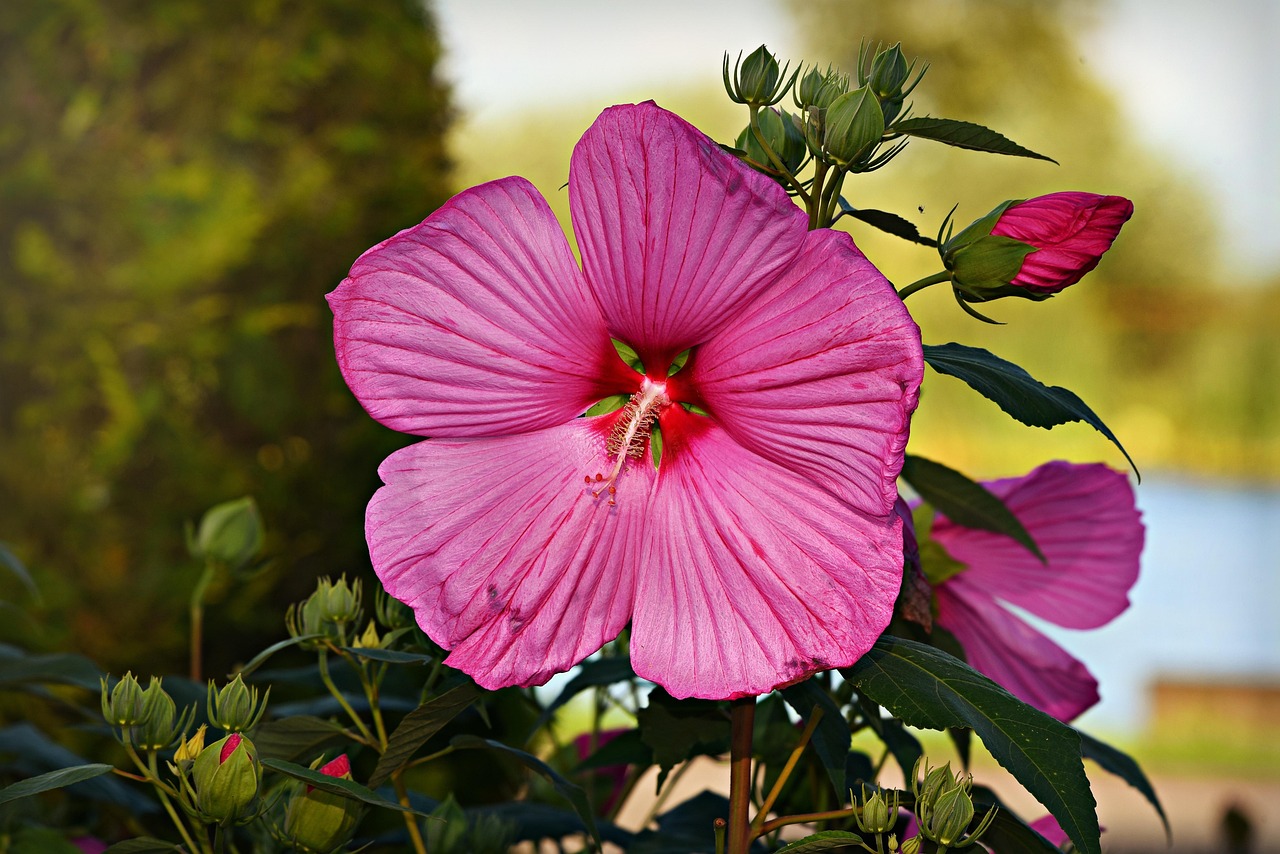
There are numerous benefits to embracing tropical gardening. For one, the sheer diversity of plants available can bring a unique aesthetic to any space. From hibiscus to bird of paradise, the possibilities are endless. I’ve found that these plants not only look beautiful but also attract butterflies and hummingbirds, creating a lively ecosystem. Additionally, many tropical plants are resilient and can thrive in various conditions, making them easier to care for.
Another significant advantage is the potential for year-round gardening. In a tropical climate, the growing season never really ends. This means that we can enjoy fresh produce, vibrant flowers, and lush greenery throughout the year. I personally love having fresh herbs at my fingertips, and growing them in a tropical garden makes it a breeze. The warm temperatures mean that my basil and mint flourish, providing endless culinary inspiration. How Automated Watering Enhances Tropical Gardening Success further explains how efficient watering can complement this.
Common Tropical Plants and Their Care
When starting a tropical garden, it’s essential to choose the right plants and understand their needs. Some of my favorites include:
- Hibiscus: Known for their large, stunning blooms, hibiscus plants thrive in full sun. They need regular watering, and I’ve found that a bit of fertilizer every few weeks keeps them blooming beautifully.
- Bird of Paradise: These striking plants can grow quite tall and bring a dramatic flair to any garden. They prefer well-drained soil and require moderate watering. I’ve learned that pruning after flowering encourages even more blooms.
- Philodendron: This hardy tropical plant is perfect for beginners. It can adapt to various light conditions and only needs watering when the top inch of soil is dry. I’ve had mine for years, and it continues to thrive!
- Pineapple Plant: Who would have thought you could grow pineapple at home? These quirky plants are fun and relatively easy to care for. They thrive in sunlight and need minimal watering.
Caring for tropical plants isn’t overly complicated, but it does require some attention. I’ve learned the importance of understanding the specific needs of each plant. Some prefer more moisture, while others thrive in drier conditions. Keeping an eye on my plants and adjusting their care based on their unique needs has made my gardening experience much more rewarding.
The Role of Automation in Gardening
What is Gardening Automation?
Now, let’s delve into the exciting world of gardening automation. In simple terms, gardening automation involves using technology to streamline the growing process. This can include everything from automated watering systems to smart sensors that monitor plant health. I have to say, the first time I set up an automated irrigation system, it felt like I had unlocked a new level in gardening. Suddenly, I could spend less time worrying about watering and more time enjoying my garden.
Benefits of Automated Gardening Systems
Automated gardening systems offer several benefits that can make our gardening experience more enjoyable and efficient. For starters, they save time. I remember spending hours hand-watering my plants, but now, I just set it and forget it. This allows me to focus on other aspects of gardening, like planting new varieties or simply relaxing with a book in my garden. Top 5 Automated Watering Solutions for Tropical Plants can help you find the perfect system for your needs.
Another significant benefit is the precision that automation provides. Automated systems can deliver the right amount of water and nutrients at the right times, ensuring that our plants receive exactly what they need to thrive. I’ve noticed that my plants are healthier and more vibrant since I adopted automation. Plus, it reduces the risk of over-watering or under-watering, which can be detrimental to plant health.
Types of Automation Technologies
There are several types of automation technologies available that can enhance our gardening experience:
Smart Irrigation Systems
Smart irrigation systems are game-changers. They can be programmed to water plants based on weather conditions, soil moisture levels, and specific plant needs. I’ve found that these systems are incredibly efficient, conserving water while keeping my garden hydrated.
Automated Lighting Solutions
For those of us who want to grow tropical plants indoors or in shaded areas, automated lighting solutions can make all the difference. These lights can simulate natural sunlight, promoting growth even in less-than-ideal conditions. I’ve seen my indoor plants thrive under grow lights that I can set to turn on and off automatically.
Soil Moisture Sensors
Soil moisture sensors are a fantastic way to keep track of our plants’ hydration needs. They provide real-time data, letting us know when it’s time to water. I love knowing that I can rely on technology to help me maintain the perfect moisture levels.
Climate Control Systems
Finally, climate control systems can regulate temperature and humidity levels in greenhouses or indoor gardens. This is particularly useful for tropical plants that need specific conditions to thrive. I’ve experimented with a small greenhouse setup, and having control over the environment has made such a positive impact on my plants.
Setting Up Your Automated Tropical Garden
Choosing the Right Location
One of the most crucial steps in setting up an automated tropical garden is selecting the right location. I’ve learned that the placement of my garden can significantly impact the overall health and growth of my plants. Tropical plants generally thrive in bright, indirect sunlight, so finding a spot that receives ample light without harsh afternoon sun is ideal. I remember scouring my yard, looking for that perfect balance, and I finally found a sunny corner that was sheltered from the wind.
Additionally, considering the accessibility of the location for maintenance is essential. I want to be able to easily reach all my plants to check on them, adjust the automation systems, or just enjoy my garden. I recommend placing your garden close to a water source and power outlet if you’re using more advanced automation technologies. This makes installation and ongoing maintenance much simpler.
Essential Tools and Equipment
As I started my journey into automated tropical gardening, I realized that having the right tools and equipment can make all the difference. Here’s what I found essential for my setup:
- Automated irrigation system: Whether it’s drip irrigation or a sprinkler system, this is a game-changer. I opted for a drip irrigation system to provide targeted watering right where it’s needed.
- Soil moisture sensors: These little gadgets have become my best friends. They help me monitor the moisture levels in the soil, ensuring my plants get the right amount of water.
- Smart timers: I invested in a smart timer for my irrigation system. It’s programmable and can adjust watering schedules based on the weather, which saves water and keeps my plants happy.
- Grow lights: For my indoor tropical plants, I’ve found that LED grow lights significantly boost their growth. These lights are energy-efficient and mimic natural sunlight.
- Fertilizer dispensers: Some automated systems allow for fertilizer to be mixed with water, providing nutrients right where they’re needed. I’ve found this to be a huge help in keeping my plants healthy.
Steps to Create an Automated Garden
Now that we have the location and tools sorted, let’s get into the steps to create an automated tropical garden. This is where the magic happens!
Planning Your Garden Layout
Before digging in, it’s essential to plan your garden layout. I like to sketch out my garden on paper, marking where I want each plant to go based on their light and space requirements. I also consider the height of the plants; I usually place taller plants at the back and shorter ones in the front, so everything can receive adequate sunlight. This visual plan has helped me avoid overcrowding and allows for space to walk between the beds.
Installing Irrigation and Drip Systems
Once the layout is established, the next step is installing the irrigation system. I started by laying out the drip lines according to my plan. It was a hands-on project that I genuinely enjoyed. After carefully positioning the tubing, I connected it to the water source and set up the smart timer. The first time I turned it on and saw water gently flowing to my plants was incredibly satisfying. I felt like I was setting up a system that would take care of my plants while I focused on enjoying the garden.
Integrating Smart Technology
With the irrigation system in place, I moved on to integrating smart technology. I connected my soil moisture sensors to my smartphone, allowing me to monitor the moisture levels remotely. It was exciting to see real-time data about how my plants were doing. I also installed automated grow lights for my indoor plants, ensuring they received the right amount of light throughout the day. The setup process can be a bit daunting, but I found various online tutorials that made it easier. Plus, seeing everything come together was worth the effort!
Setting up an automated tropical garden is both a fun and rewarding experience. I’ve learned that with a bit of planning and the right tools, we can create a thriving space that requires less hands-on maintenance, allowing us to enjoy the beauty of our plants even more. The journey is personal and fulfilling, and I can’t wait to share more about maintaining this beautiful oasis.
Maintenance of an Automated Tropical Garden
Routine Checks and Balances
Maintaining an automated tropical garden might sound like a walk in the park, but I quickly learned that it still requires a bit of hands-on involvement. Regular checks are essential to ensure everything is functioning as it should. I make it a habit to walk through my garden at least once a week. During these strolls, I observe the plants closely and check the irrigation system for any leaks or blockages. I remember one time I noticed one of my soil moisture sensors was malfunctioning, which could have been detrimental if I hadn’t caught it early.
Additionally, it’s crucial to monitor the health of the plants. I usually keep a journal to jot down any changes I observe, like wilting leaves or unusual discolorations. This has helped me recognize patterns and specific needs for each plant. For instance, I learned that my philodendron needed more humidity during the colder months, which I could address with a simple humidifier nearby. I believe that staying on top of these checks not only keeps my garden thriving but also deepens my connection to it.
Seasonal Adjustments for Tropical Plants
As seasons change, so do the needs of our tropical plants. I’ve found that being proactive about these adjustments is key to maintaining a healthy garden. For example, during the summer months, I increase the watering frequency because the heat can dry out the soil quickly. Conversely, in the cooler months, I tend to reduce watering and focus on ensuring the plants don’t get too cold.
In my experience, seasonal pruning is also essential. Some plants, like hibiscus, benefit from a good trim to encourage new growth. I’ve made it a goal to prune my tropical plants at the end of winter, just before the growing season kicks in. This not only keeps them looking tidy but also helps promote healthier blooms and foliage. I learned this the hard way after letting my hibiscus grow wild one year; the blooms were sparse and less vibrant.
Troubleshooting Common Issues
Even with automation, we can face challenges in our tropical gardens. One of the most common issues I’ve encountered is pest infestations. I once found aphids on my bird of paradise plants, which was disheartening. I quickly realized that while my automated systems were keeping my plants hydrated, they didn’t account for pests. I’ve since started incorporating organic pest control methods, like introducing ladybugs or using neem oil. This way, I can protect my plants without harming the environment.
Another issue I’ve faced is nutrient deficiencies. Despite using an automated fertilizer dispenser, I noticed my plants didn’t seem as vibrant as they once were. It took some research, but I discovered that certain plants have specific nutrient needs, and I needed to adjust the fertilizer type and frequency. Now, I keep a close eye on my plants’ growth patterns and adapt the feeding schedule accordingly. It may take a bit of trial and error, but each challenge has taught me something valuable about tropical gardening.
Best Practices for Successful Tropical Gardening Automation
Choosing the Right Plants for Automation
Choosing the right plants for an automated tropical garden is one of the first and most crucial steps. I’ve learned that not all tropical plants respond well to automation. Some may prefer more hands-on care or specific environmental conditions that technology can’t always replicate. For example, while I adore my orchids, I found they require more humidity than my automated system could provide. On the other hand, my snake plants thrive with minimal care and have adapted beautifully to my automated setup.
I recommend researching the specific needs of each plant before incorporating them into your automated garden. It’s all about finding that balance between what you love and what will thrive with less intervention. My favorite plants are those that complement each other, creating a harmonious environment where they all benefit from the automation.
Watering Schedule Optimization
Finding the perfect watering schedule has been a journey of experimentation. Initially, I set my smart timer to water my plants daily. However, I soon noticed that some plants were becoming waterlogged. I decided to adjust the schedule based on plant types and the season. Some plants, like my bromeliads, prefer to stay drier, while my ferns love moisture.
Now, I’ve optimized my watering schedule by grouping plants with similar needs together. This has not only helped in conserving water but has also kept my plants happy. I can’t stress enough how important it is to fine-tune this aspect of automated gardening. Regularly checking the moisture levels and adjusting the watering times accordingly has made a world of difference in plant health.
Using Sensors for Plant Health Monitoring
Utilizing sensors has been one of the best decisions I made for my garden. These little gadgets have given me invaluable insights into the health of my plants. I’ve set up soil moisture sensors that alert me when the soil is too dry or too wet. It’s like having a gardening assistant that keeps me informed! I’ve also started using light sensors to ensure my indoor tropical plants receive adequate light throughout the day.
These advancements have reduced my guesswork and made me more in tune with my plants. I’ve learned when to intervene and when to let nature take its course. This connection between technology and nature has truly transformed my gardening experience. Maximize Growth with Effective Irrigation Systems for Tropicals can provide further insights.
Maximizing Energy Efficiency
As I embraced automation, I became increasingly conscious of energy use. I found myself wanting to ensure that my automated systems were not only effective but also energy-efficient. I switched to LED grow lights, which consume much less power and have a longer lifespan compared to traditional bulbs. I also programmed my smart irrigation system to water early in the morning or late in the evening, when temperatures are cooler, to reduce evaporation.
I’ve noticed that being mindful of energy efficiency not only helps the environment but also reduces my utility bills. It’s a win-win situation, and I feel good knowing I’m doing my part while enjoying the beauty of my tropical garden.
Frequently Asked Questions
What is tropical gardening?
Tropical gardening involves cultivating plants that thrive in warm, humid climates, featuring colorful flowers, lush foliage, and sometimes fruit-bearing trees. It allows people to recreate a tropical paradise in their backyards, regardless of their actual climate.
What are the benefits of tropical gardening?
The benefits of tropical gardening include a diverse range of plants that enhance aesthetic appeal, attract butterflies and hummingbirds, and provide the potential for year-round gardening. Many tropical plants are resilient and easier to care for than other plants.
What are some common tropical plants and their care requirements?
Common tropical plants include hibiscus, which requires full sun and regular watering; bird of paradise, which needs well-drained soil and moderate watering; philodendron, which is hardy and requires watering only when the top inch of soil is dry; and pineapple plants, which thrive in sunlight and need minimal watering.
What is gardening automation?
Gardening automation involves using technology to streamline the growing process, including automated watering systems and smart sensors that monitor plant health, allowing gardeners to spend less time on maintenance.
What are the benefits of automated gardening systems?
Automated gardening systems save time and provide precision in delivering the right amount of water and nutrients, reducing the risk of over-watering or under-watering, which can harm plant health.
What types of automation technologies can be used in gardening?
Types of automation technologies include smart irrigation systems that adjust based on weather and soil moisture, automated lighting solutions that simulate natural sunlight, soil moisture sensors for monitoring hydration needs, and climate control systems for regulating temperature and humidity.
What are the essential tools and equipment for setting up an automated tropical garden?
Essential tools include an automated irrigation system, soil moisture sensors, smart timers for irrigation scheduling, grow lights for indoor plants, and fertilizer dispensers for nutrient delivery.
How can I maintain an automated tropical garden?
Maintenance involves routine checks of the irrigation system and plant health, monitoring moisture levels, making seasonal adjustments to watering schedules, and addressing common issues like pests and nutrient deficiencies.
What are best practices for successful tropical gardening automation?
Best practices include choosing the right plants that respond well to automation, optimizing the watering schedule based on plant types and seasons, using sensors for plant health monitoring, and maximizing energy efficiency in automated systems.
How can I troubleshoot common issues in an automated tropical garden?
Common issues include pest infestations and nutrient deficiencies. Implement organic pest control methods and adjust fertilizer types and frequencies based on plant needs to address these challenges effectively.