
Tropical plants bring a vibrant touch to our lives, offering lush greenery and a sense of paradise in our homes and gardens. Let’s explore essential tips for caring for these beautiful varieties!
Table of Contents
Understanding Tropical Plants
What Are Tropical Plants?
Tropical plants are native to warm, humid climates found near the equator. They thrive in conditions that are often too hot and humid for other plant species. I remember the first time I laid eyes on a tropical plant; its large, glossy leaves and vibrant colors immediately caught my attention. There’s something magical about these plants that makes them feel like a slice of the tropics in our everyday lives. If you’re interested in starting with some easy care options, check out Easy Care Low Light Tropical Plants for Beginners.
Common Characteristics of Tropical Plants
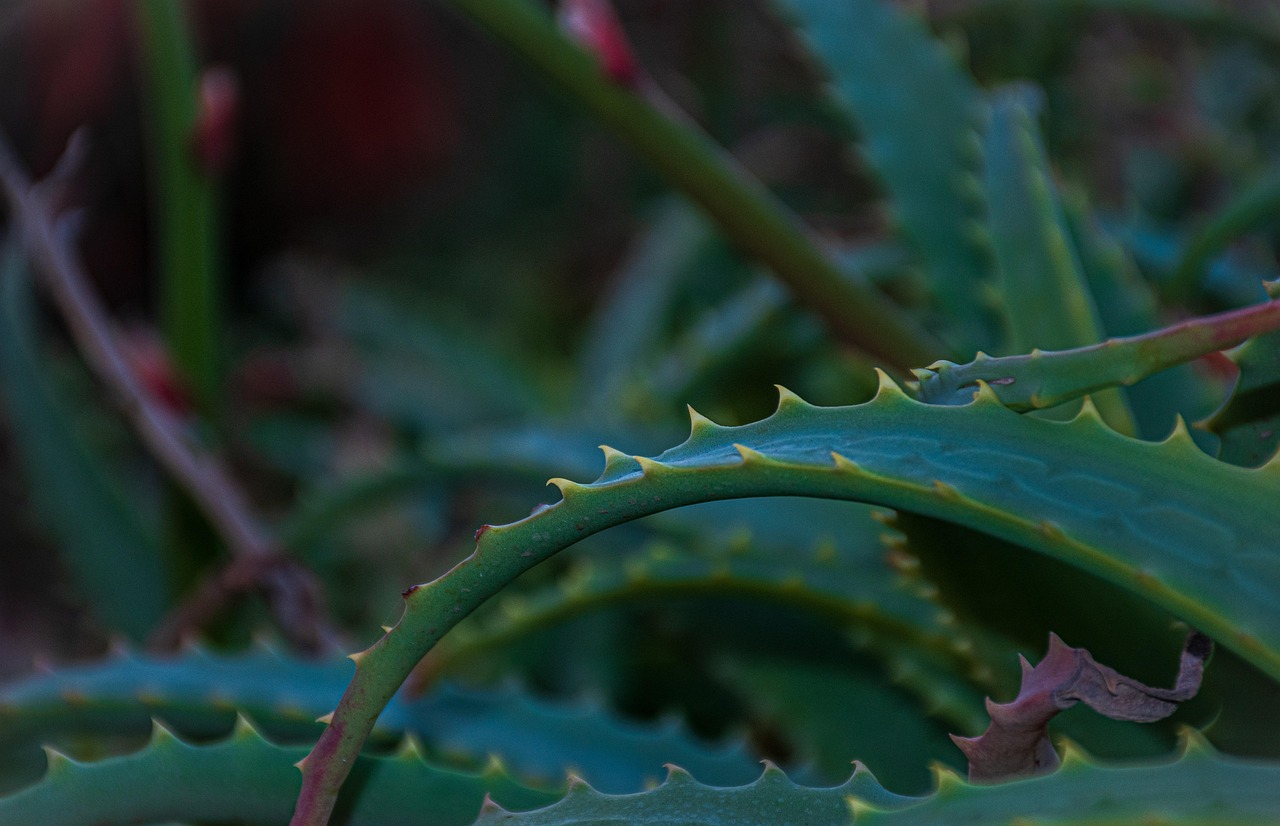
One of the most fascinating aspects of tropical plants is their adaptability. They often have broad leaves that can capture sunlight in dense forests. I’ve noticed that many tropical varieties also have a unique ability to thrive in low-light conditions, which makes them perfect for indoor spaces. Their vibrant colors can brighten up any room, making them a popular choice for houseplants.
Another characteristic I find interesting is their growth habit. Many tropical plants, like the Monstera or the Philodendron, are climbers or creepers. They often need support to grow upward, which adds an interactive element to their care. You get to decide how you want them to grow, which is such a rewarding experience.
Benefits of Growing Tropical Plants Indoors and Outdoors
Growing tropical plants offers numerous benefits, both indoors and out. For me, having tropical plants indoors has transformed my living space. They improve air quality by filtering toxins and releasing oxygen, which is a fantastic bonus. I enjoy the feeling of serenity they bring, creating a mini-ecosystem that makes my home feel more alive.
Outdoors, tropical plants can create an exotic garden atmosphere. I’ve spent many weekends experimenting with different layouts and pairings. They can serve as focal points or serve to create privacy screens, making outdoor spaces more personal and inviting. Plus, they attract various pollinators, such as butterflies and bees, which adds life to any garden. If you’re curious about the various species you can choose from, consider exploring the Top 10 Common Tropical Plant Species for Your Home.
Furthermore, I’ve found that the maintenance of tropical plants can be a satisfying hobby. The more I take care of them, the more I learn about their specific needs, and the more they thrive. It’s a continuous cycle of growth, which is incredibly rewarding.
Popular Tropical Plant Varieties
Monstera Deliciosa
Monstera Deliciosa, often called the Swiss cheese plant, is undeniably trendy right now. I’ve seen them everywhere, from homes to cafes. They have unique, perforated leaves that add a bold statement to any space. Caring for them is relatively easy; they enjoy bright, indirect light and don’t mind a bit of neglect when it comes to watering.
Philodendron
Another favorite of mine is the Philodendron. With its heart-shaped leaves, it feels like a piece of art hanging on my wall. I appreciate their versatility; they can be trailing or upright depending on the variety. They thrive in similar conditions as the Monstera, making them great companions in a plant collection.
Pothos
Pothos is perhaps one of the easiest tropical plants I’ve ever cared for. Their trailing vines can grow quite long, and I love the way they look cascading down from shelves. They tolerate low light and irregular watering, making them perfect for beginners. I’ve gifted many Pothos cuttings to friends, and they always appreciate how forgiving this plant can be.
Bird of Paradise
The Bird of Paradise is a showstopper in any garden. Its striking flowers resemble a bird in flight, adding a whimsical touch to outdoor spaces. I remember planting one in my backyard, and it quickly became the centerpiece of my garden. They thrive in full sun and need regular watering, but the effort is worth it for the beauty they bring.
Orchids
Orchids might seem daunting, but I’ve learned they can be manageable with the right care. Their delicate flowers can last for weeks, bringing elegance to any room. I find that they appreciate bright, indirect light and a careful watering schedule. It’s fascinating to watch them bloom, and I feel a sense of pride knowing I played a part in their growth.
Succulents
While not always classified as tropical, many succulents thrive in warm, humid conditions and are often grouped with tropical plant enthusiasts. I love their quirky shapes and colors, and they require minimal care. They prefer bright light and well-draining soil, making them perfect for those of us who might forget to water regularly!
Essential Care Tips for Tropical Plants
Light Requirements
When it comes to light, tropical plants have specific needs that can greatly affect their growth. I’ve learned that most of them thrive in bright, indirect sunlight. Direct sunlight can scorch their leaves, which is something I’ve unfortunately experienced firsthand. For example, I placed my Monstera too close to a window during the summer and noticed browning edges on a few leaves. Now, I make it a point to position my plants a bit further back or use sheer curtains to filter the light. In shady spots, I’ve found that many plants can still survive, but their growth may slow down. Keeping an eye on how your plant responds to its light situation can be a game-changer!
Watering Guidelines
Watering tropical plants can be tricky. Overwatering is a common mistake I’ve made in the past, which led to root rot in my beloved Pothos. I now check the soil moisture before watering; I usually stick my finger about an inch into the soil. If it feels dry, it’s time for a drink! Tropical plants like their soil to be consistently moist but not soggy. I also try to use room temperature water, as I’ve noticed that cold water can shock the plants. Observing the leaves can also help; if they start to droop, it’s a sign they need water!
Humidity Needs
Humidity is key for tropical plants, and I can’t stress this enough. Since I live in a drier climate, I’ve found that my plants benefit from a boost in humidity. I often mist my plants, especially during the winter months when the air is drier due to heating. Additionally, I’ve set up a pebble tray filled with water beneath some of my plants. As the water evaporates, it adds moisture to the air around them. I’ve seen a significant difference in their health and vibrancy. If you have a bathroom or kitchen with higher humidity, those spots can be perfect homes for your tropical friends!
Soil and Potting Considerations
Choosing the right soil is essential for tropical plants. I’ve found that a well-draining potting mix works best. You can often purchase soil blends specifically for tropical plants or create your own by mixing regular potting soil with perlite or orchid bark to enhance drainage. I’ve also learned the importance of pot size; using a pot that’s too large can lead to water retention and root issues. It’s best to repot when you notice roots growing out of the drainage holes. I remember the first time I repotted my Bird of Paradise, and it felt like an accomplishment to give it a new home where it could grow even more!
Fertilization Tips
Feeding tropical plants can be a bit of an art. I usually fertilize during the growing season, which is typically spring and summer. I prefer a balanced, water-soluble fertilizer, and I dilute it to about half strength. The first time I used a fertilizer at full strength, I accidentally burned the tips of some leaves, which was a tough lesson learned! I’ve also found that not all plants need the same amount of nutrients. For instance, my orchids require a different type of feed than my Philodendrons. I keep a little journal to track which plants get what, and it’s made caring for them so much easier. If you’re looking for specific care tips on different plants, you might find the article Money Tree Care: How to Trim a Money Tree? helpful.
Temperature Preferences
Tropical plants generally enjoy warm temperatures, ideally between 65°F to 85°F (18°C to 29°C). I remember moving my plants outside for the summer and bringing them back in as the weather cooled. It was crucial to acclimate them slowly; I learned not to just plop them back inside during a chilly night. Sudden temperature changes can stress them out. I also avoid placing my plants near drafty windows or heating vents. Keeping them in stable conditions has really helped them thrive, and I appreciate the lush green vibes they bring into my home.
Common Issues and Solutions
Pest Management
Working with tropical plants can sometimes mean dealing with pests. I’ve encountered aphids and spider mites a few times, and it’s been a learning experience! I’ve found that regularly inspecting the leaves helps catch any pesky critters early. If I notice any, I often use a mixture of water and a few drops of dish soap to spray the affected areas. It’s a simple remedy that usually does the trick. I’ve also learned to isolate any new plants for a couple of weeks to avoid spreading pests to my other plants.
Dealing with Fungal Infections
Fungal infections can be a challenge, especially in humid environments. I’ve had to deal with powdery mildew before, and it can be quite frustrating. I’ve learned that good air circulation is vital for preventing these issues. I try to not overcrowd my plants and keep the leaves clean by gently wiping them with a damp cloth. If I spot any signs of fungal infection, I usually remove the affected leaves and treat the plant with a fungicide, which has worked well for me.
Signs of Overwatering vs. Underwatering
Understanding the signs of overwatering and underwatering has been crucial in my journey as a plant parent. Overwatered plants often exhibit yellowing leaves and a mushy texture, while underwatered plants tend to droop and have crispy leaves. I’ve had both experiences, and learning to identify the differences has helped me become more intuitive in my care. Keeping a routine can help; I try to water my plants on a specific schedule while also paying attention to their specific needs.
Leaf Care and Maintenance
Taking care of the leaves is something I’ve come to appreciate. Dust can accumulate on leaves, blocking sunlight and affecting photosynthesis. I make it a habit to gently wipe down the leaves with a damp cloth every couple of weeks. It not only keeps them clean but also gives me a chance to inspect them for any issues. Plus, there’s something satisfying about seeing shiny, healthy leaves!
Propagation Techniques for Tropical Plants
Cuttings
One of the most rewarding experiences I’ve had with tropical plants is propagation. Taking cuttings is a straightforward way to create new plants from the ones you already cherish. I typically choose healthy stems with a few leaves. For example, when I propagated my Pothos, I selected a vine with several nodes. After cutting it just below a node, I placed the cutting in a glass of water, making sure the node was submerged while the leaves stayed above water. Watching the roots develop over a few weeks was incredibly satisfying! Once I noticed a good amount of roots, I transferred it to soil, and now I have a thriving new plant.
Division
Division is another method I’ve found effective, especially for larger tropical plants like the Philodendron. When the plant becomes root-bound or outgrows its pot, it’s time to divide. I usually wait until spring, which is the best time for this kind of propagation. I carefully remove the plant from its pot and gently separate the root ball into sections, ensuring each section has roots and some stems. I remember the first time I divided my Bird of Paradise; it felt like I was giving it a fresh start. After replanting the divisions in their own pots, I made sure to give them some extra care as they adjusted to their new homes.
Seeds
Propagating tropical plants from seeds can be a bit more challenging, but I love the thrill of starting from scratch. Some varieties, like certain orchids, require patience and special conditions to germinate. I’ve found that starting seeds in a seed tray with a light, well-draining potting mix is effective. Keeping the soil consistently moist but not soggy is crucial. I usually cover the tray with a clear plastic lid or plastic wrap to create a mini-greenhouse, which helps maintain humidity. After several weeks, when I see tiny seedlings, I transfer them to individual pots. There’s something magical about nurturing them from seed to plant!
Seasonal Care Tips
Spring Care Tips
Spring is such an exciting time for plant lovers! I love watching my tropical plants wake up from their winter dormancy. During this season, I usually increase watering as the days get longer and warmer. I also start fertilizing again, as plants begin their growth spurt. It’s a great time to check for any signs of pests or diseases that might have developed over the winter. I often repot plants that have outgrown their containers, giving them fresh soil for the growing season. I remember how my plants perked up after a good repot last spring; it was like they were ready to flourish!
Summer Care Tips
Summer is all about maximizing growth! I try to give my tropical plants as much light as possible, adjusting their positions as needed. I also increase my watering routine because the heat can dry out the soil faster. I’ve learned that some plants may need extra care during heatwaves, like providing some shade during the hottest parts of the day. I love to take my plants outside for a bit of natural sunlight, just make sure to acclimate them gradually to avoid shock. Plus, summer is a great time to take cuttings for propagation, making the most of the lush growth!
Fall Care Tips
As the weather starts to cool, I begin preparing my tropical plants for the changing seasons. I reduce watering since they don’t need as much moisture as during the summer. It’s also a good time to prune any dead or yellowing leaves to encourage healthy growth. I keep an eye out for pests that might try to invade as the temperatures drop; I’ve had a few surprise visitors! Bringing my plants indoors or providing protection from the cooler nights is essential. I remember the first time I had to bring my Bird of Paradise indoors, and it felt like a whole new challenge!
Winter Care Tips
Winter can be tough for tropical plants, especially in colder climates. I make sure my indoor plants are away from drafts and heating vents, which can dry them out. I often mist them or use a humidifier to keep the air moist. Watering becomes more cautious during this time; I let the soil dry out a bit more between waterings. I also limit fertilizing since most plants enter a dormant period. It’s important to watch for signs of distress, like dropping leaves or yellowing, which can indicate they’re not happy with the indoor conditions. I’ve learned to be extra attentive during winter, ensuring my plants are cozy and thriving despite the cold outside.
Common Myths about Tropical Plants
Myth: Tropical Plants Are Hard to Care For
I used to think that tropical plants were challenging to care for, but I’ve realized that with a bit of knowledge and practice, they can be quite manageable. Many popular varieties, like Pothos and Monstera, are forgiving and resilient. I’ve found that the more I learn about their specific needs, the easier it becomes to care for them. It’s all about understanding their preferences and creating the right conditions!
Myth: All Tropical Plants Need High Humidity
While many tropical plants do enjoy higher humidity, not all of them require it. I’ve seen plenty of tropical plants thrive in average household humidity levels. For example, my Pothos and Snake Plant do just fine without excessive misting. I think it’s important to know the specific needs of each plant type rather than assuming they all require the same conditions.
Myth: You Don’t Need to Fertilize Tropical Plants
Some people believe that tropical plants can survive without fertilization, but I’ve found that they benefit from regular feeding during the growing season. Just like us, plants need nutrients to thrive! I’ve seen the difference it makes when I fertilize my plants in spring and summer. It’s like giving them a little boost to help them grow strong and healthy.
Frequently Asked Questions
What are tropical plants?
Tropical plants are native to warm, humid climates found near the equator. They thrive in conditions that are often too hot and humid for other plant species, showcasing large, glossy leaves and vibrant colors.
What are some common characteristics of tropical plants?
Tropical plants often have broad leaves that capture sunlight in dense forests and can thrive in low-light conditions. Many varieties are climbers or creepers, requiring support for upward growth.
What are the benefits of growing tropical plants indoors?
Growing tropical plants indoors can improve air quality by filtering toxins and releasing oxygen. They create a sense of serenity and can transform a living space into a mini-ecosystem.
What light conditions do tropical plants require?
Most tropical plants thrive in bright, indirect sunlight. Direct sunlight can scorch their leaves, so it’s advisable to keep them away from windows or use sheer curtains to filter the light.
How should I water tropical plants?
Tropical plants prefer their soil to be consistently moist but not soggy. It’s important to check the soil moisture before watering and to use room temperature water to avoid shocking the plants.
How do I maintain humidity for tropical plants?
Humidity is crucial for tropical plants. Misting them or using a pebble tray filled with water can help increase humidity, especially in drier climates or during winter months.
What soil is best for tropical plants?
A well-draining potting mix works best for tropical plants. It can be beneficial to create a mix of regular potting soil with perlite or orchid bark to enhance drainage.
What are some common pests that affect tropical plants?
Aphids and spider mites are common pests that can affect tropical plants. Regularly inspecting leaves and using a mixture of water and dish soap can help manage these pests.
How can I propagate tropical plants?
Tropical plants can be propagated through cuttings, division, or seeds. Each method has its own techniques, such as placing cuttings in water or separating root balls during repotting.
What are some common myths about tropical plants?
One common myth is that all tropical plants require high humidity; however, many can thrive in average humidity levels. Another myth is that they don’t need fertilization, but regular feeding during the growing season is beneficial for their health.