
Indoor tropical plants can transform any space into a lush, vibrant oasis. With the right care, these plants can thrive and bring joy to our lives. Transform Your Home with Popular Indoor Tropical Plants can guide you on this journey.
Table of Contents
Understanding Indoor Tropical Plants
What Are Tropical Plants?
Tropical plants are native to regions with warm climates, like jungles and rainforests. They thrive in humid conditions and can often be found in lush, green environments. When we bring them indoors, we’re essentially trying to recreate those warm, inviting habitats. I remember the first time I got a tropical plant; it was a Peace Lily. I was fascinated by how such a beautiful plant could flourish indoors, despite being so far from its natural environment.
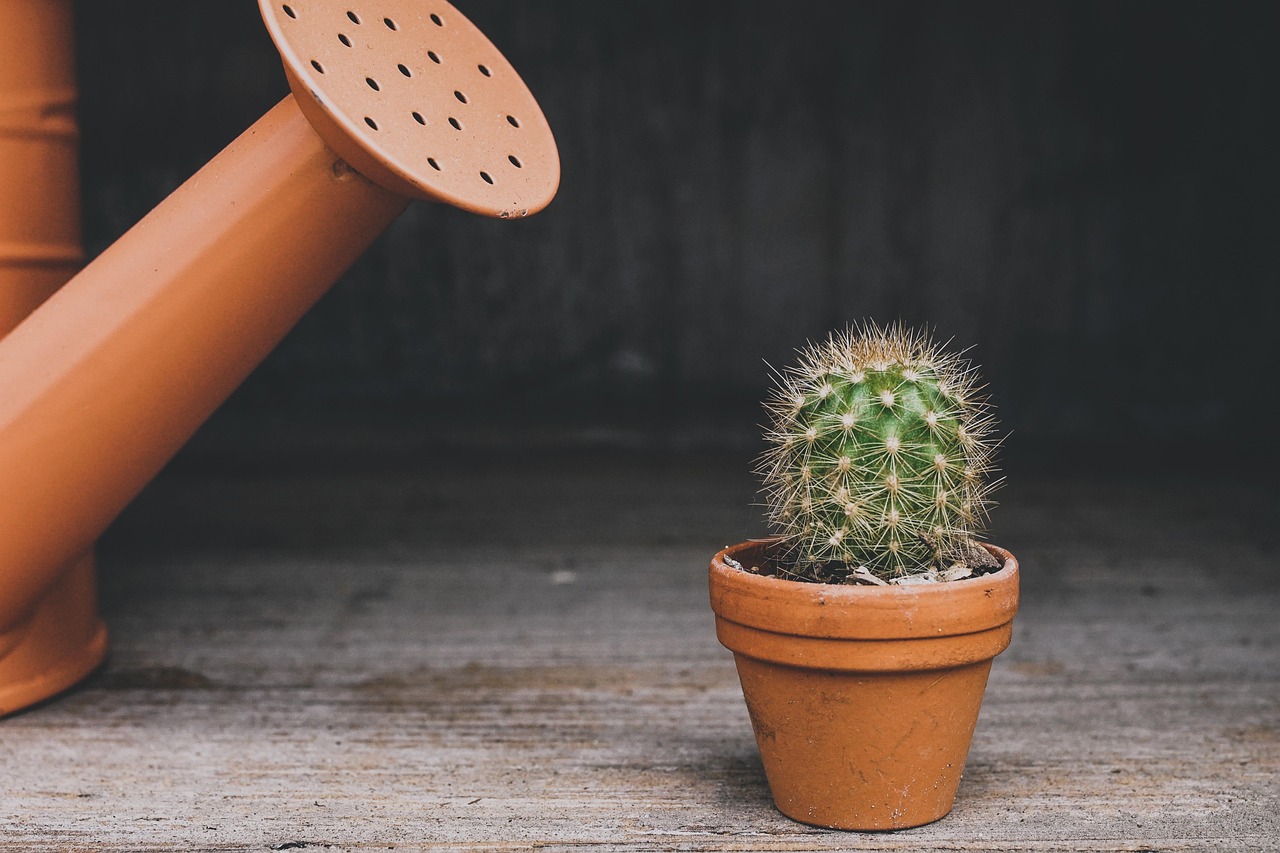
Benefits of Having Tropical Plants Indoors
Having tropical plants indoors isn’t just about aesthetics; there are numerous benefits as well. For one, they help purify the air by removing toxins and releasing oxygen, which makes our home environment healthier. I’ve noticed that when I have plants around, the air feels fresher and more vibrant. Additionally, taking care of these plants can be therapeutic. The act of nurturing them can reduce stress and boost my mood. Moreover, they add a touch of nature to our homes, making us feel more connected to the outdoors even when we’re inside. Indoor Tropical Plants: Best Varieties for Every Space offers great insights on selecting the right plants.
Common Indoor Tropical Plant Varieties
When it comes to choosing tropical plants for indoor spaces, there are several popular varieties that I’ve come to love. Each has its unique charm and care needs. Here are a few that I think everyone should consider:
Peace Lily
The Peace Lily is one of my favorites. Its stunning white flowers and lush green leaves make it a beautiful addition to any room. It’s also relatively low-maintenance, which is perfect for beginners. I’ve found that it thrives in low light, making it versatile for different spaces. Just be mindful of its water needs; it prefers to be kept moist but not soggy.
Snake Plant
The Snake Plant, or Sansevieria, is another excellent choice. This plant is nearly indestructible, which I appreciate! It can tolerate low light and irregular watering, making it perfect for anyone who may forget to water their plants. I always recommend it to friends who worry about their plant care skills.
Philodendron
Philodendrons are incredibly popular, and for a good reason. They come in various shapes and sizes, and they grow quickly. I’ve had a Heartleaf Philodendron that drapes beautifully from a hanging pot. They thrive in moderate humidity and indirect light, so they fit well in most indoor environments.
Fiddle Leaf Fig
The Fiddle Leaf Fig has become a bit of a social media darling, and I can see why. Its large, dramatic leaves can make any corner of the room pop. However, I’ve learned that they can be a bit temperamental with their light and watering needs. They prefer bright, filtered light and need to be watered when the top inch of soil feels dry. It’s a bit of a challenge, but the payoff is worth it!
Optimal Growing Conditions for Tropical Plants
Light Requirements
Light is one of the most critical factors for the health of indoor tropical plants. I’ve learned that while many tropical plants prefer bright, indirect light, some can thrive in low-light conditions. It’s essential to understand the specific needs of each plant. I often experiment with different locations in my home to find the perfect spot for each plant.
Natural Light vs. Artificial Light
Natural light is ideal, but sometimes we have to supplement it with artificial light, especially during the darker months. I’ve found that LED grow lights work wonders and can help keep my plants thriving even when the sun isn’t shining. Positioning the lights about 12-18 inches above the plants can provide the right amount of light without burning the leaves.
Best Locations in Your Home
Finding the best spots for my plants has been a bit of a trial-and-error process. South-facing windows usually receive the most light, but I’ve also seen great results with east-facing windows, which provide gentle morning sunlight. I try to avoid placing my tropical plants near drafty windows or heating vents as temperature fluctuations can stress them out.
Temperature Needs
Temperature is another critical aspect of keeping indoor tropical plants happy. Most tropical plants prefer a warm environment, typically between 65°F and 85°F. I’ve noticed that my plants tend to grow better during warmer months, and I try to keep them away from chilly drafts or direct contact with air conditioning.
Ideal Temperature Range
It’s fascinating how much temperature affects plant growth. I remember my first winter with indoor plants; I placed them too close to a drafty window, and some leaves started to drop. Since then, I’ve ensured that my plants are in stable, warm environments. Keeping the temperature consistent helps them thrive.
Effects of Temperature Fluctuations
Temperature changes can lead to stress in plants. I often notice that if the temperature drops too low or fluctuates too much, my plants might develop yellow leaves or stop growing altogether. This observation has taught me the importance of maintaining a stable environment.
Humidity Levels
Humidity plays a vital role in the well-being of tropical plants. Living in a dry climate, I quickly learned that maintaining adequate humidity levels is crucial for my indoor tropical plants. Most of them thrive in humidity levels of around 50% or higher, which can be challenging during winter.
Why Humidity Matters
Tropical plants have adapted to thrive in moist environments, so when the air is too dry, they can suffer. I’ve experienced issues like brown leaf tips and wilting due to low humidity. This realization pushed me to find ways to increase humidity for my plants.
Ways to Increase Humidity
There are several effective methods to boost humidity. I often place a tray of water with pebbles beneath my pots or use a humidifier in my plant room. Misting the leaves can also help, but I prefer to do it in moderation to avoid mold growth. Keeping my plants grouped together also creates a mini-humid microclimate that benefits them all.
Watering Techniques for Tropical Plants
Understanding Watering Needs
Watering is one of the most essential aspects of caring for indoor tropical plants, and I’ve learned that it can be a bit tricky. Each plant has its specific needs, but in general, tropical plants prefer to be watered thoroughly, allowing the water to drain out of the bottom of the pot. I often remind myself that underwatering can be just as harmful as overwatering. That balance is key!
Signs of Overwatering vs. Underwatering
I’ve had my fair share of experiences with both overwatering and underwatering. When a plant is overwatered, it often shows signs like yellowing leaves, wilting, or root rot. I remember a time when my beloved Peace Lily started drooping, and I panicked, thinking it was dying. I checked the soil and realized it was soggy! On the other hand, underwatered plants show signs of dryness, crisp leaves, and a general lack of vigor. It can be heartbreaking to see a plant struggle, so I try to keep an eye on their condition regularly.
Best Practices for Watering
Over time, I’ve developed a few best practices that I swear by when it comes to watering my tropical plants.
Frequency of Watering
The frequency of watering can depend on the season, humidity, and the specific plant type. I’ve found that during spring and summer, my plants tend to need more water due to their active growth. In contrast, during fall and winter, I scale back a bit. I typically stick my finger about an inch into the soil; if it feels dry, I know it’s time to water. This simple technique has saved many of my plants!
Water Quality Considerations
Water quality is another crucial factor. I’ve noticed that my plants respond better to room-temperature water, which helps them absorb it more efficiently. If possible, I try to use distilled or rainwater, as tap water can sometimes contain chlorine or fluoride that may harm sensitive tropical plants. I even keep a small jug of water out to let it sit overnight, allowing any chemicals to dissipate before watering.
Nutrient Requirements and Fertilization
Understanding Soil Nutrients
As much as I focus on watering, I’ve learned that nutrients in the soil play a significant role in the health of my indoor tropical plants. Most potting mixes deplete their nutrients over time, so it’s essential to replenish them. I often think of it like feeding my plants a balanced diet to keep them strong and vibrant.
Types of Fertilizers for Tropical Plants
Choosing the right fertilizer can be overwhelming, but I’ve found a few types that work wonders for my tropical plants. Top 10 Popular Indoor Tropical Plants for Your Home can help you choose the best options.
Liquid Fertilizers
Liquid fertilizers are my go-to during the growing season. I find that they provide an immediate nutrient boost that helps my plants thrive. I usually dilute the fertilizer to half strength and apply it every couple of weeks. This method has kept my plants flourishing, and I love seeing the growth after a feeding!
Slow-Release Fertilizers
Slow-release fertilizers are another option I appreciate. These can be mixed into the soil and will feed the plants over an extended period. I tend to use these when I’m repotting, as they provide consistent nutrients without the need for frequent application. It gives me peace of mind, knowing my plants have what they need as they settle into their new homes.
How and When to Fertilize
Timing is everything when it comes to fertilization. I generally start fertilizing in the spring when the days get longer, and my plants start growing. I avoid fertilizing during the winter months when growth typically slows down. I’ve learned to follow the instructions on the fertilizer packaging, but I also trust my instincts; if a plant looks like it’s ready for a nutrient boost, I don’t hesitate to give it a little extra love.
Pest and Disease Management
Common Pests Affecting Tropical Plants
Despite my best efforts, pests can sometimes invade my indoor tropical paradise. I’ve had to deal with a few common culprits, and it’s been quite the learning experience.
Aphids
Aphids are tiny, sap-sucking insects that can wreak havoc on my plants. The first time I spotted them, I was shocked to see these little guys clustered on the undersides of leaves. I quickly learned that they can stunt growth and even lead to leaf drop. I usually try to wash them off with a strong stream of water and follow up with insecticidal soap if needed.
Spider Mites
Spider mites are another pesky insect that I’ve had to contend with. These tiny creatures thrive in dry conditions, which is why I always keep an eye on humidity levels. I’ve noticed that when my plants are stressed, they are more vulnerable to these pests. If I see fine webs forming, it’s a clear sign that I need to take action. I often increase humidity around the affected plants and use miticides to get rid of them.
Mealybugs
Mealybugs are fuzzy little pests that I found nestled in the crevices of my plants. They can be a bit tricky to spot at first, but once you see their cotton-like appearance, you’ll know they’re there. I’ve had success treating infestations with a cotton swab dipped in alcohol. It’s a quick fix that helps eliminate them without spreading the problem further.
Pest and Disease Management
Common Pests Affecting Tropical Plants
Despite my best efforts, pests can sometimes invade my indoor tropical paradise. I’ve had to deal with a few common culprits, and it’s been quite the learning experience.
Aphids
Aphids are tiny, sap-sucking insects that can wreak havoc on my plants. The first time I spotted them, I was shocked to see these little guys clustered on the undersides of leaves. I quickly learned that they can stunt growth and even lead to leaf drop. I usually try to wash them off with a strong stream of water and follow up with insecticidal soap if needed.
Spider Mites
Spider mites are another pesky insect that I’ve had to contend with. These tiny creatures thrive in dry conditions, which is why I always keep an eye on humidity levels. I’ve noticed that when my plants are stressed, they are more vulnerable to these pests. If I see fine webs forming, it’s a clear sign that I need to take action. I often increase humidity around the affected plants and use miticides to get rid of them.
Mealybugs
Mealybugs are fuzzy little pests that I found nestled in the crevices of my plants. They can be a bit tricky to spot at first, but once you see their cotton-like appearance, you’ll know they’re there. I’ve had success treating infestations with a cotton swab dipped in alcohol. It’s a quick fix that helps eliminate them without spreading the problem further.
Signs of Plant Diseases
Alongside pests, diseases can also threaten our beloved tropical plants. I’ve learned to watch for a few key signs that indicate something might be wrong. Yellowing leaves, black spots, or unusual wilting can all be red flags. I remember nurturing a beautiful Fiddle Leaf Fig that suddenly started developing dark spots on its leaves. It was a panic moment for me, but I quickly got to researching and found out it could be a fungal issue. Understanding these signs early on can save our plants from severe damage.
Preventative Measures
Prevention is vital when it comes to pests and diseases. I’ve learned a few strategies that have helped me maintain a healthier indoor garden.
Quarantine New Plants
Whenever I bring a new plant home, I always quarantine it for a couple of weeks. It’s a little routine I’ve started that helps ensure that any hidden pests won’t spread to the rest of my collection. I set the new plant in a separate room or area and monitor it closely for any signs of trouble. This simple step has saved me from potential infestations more than once!
Regular Inspection and Cleaning
I make it a habit to inspect my plants weekly. During these check-ins, I look for any signs of pests or disease and also wipe the leaves gently with a damp cloth. Not only does this keep them looking their best, but it also helps remove dust that can harbor pests. It’s such a simple practice, but I’ve found that it goes a long way in keeping my plants healthy.
Treatment Options
When I do discover pests or diseases, I don’t hesitate to take action. Here are some of the treatments I’ve found effective.
Natural Remedies
I often prefer natural remedies when it comes to treating pests. For instance, a mix of water and dish soap can be a great way to combat aphids. I’ve also used neem oil as a natural pesticide; it’s gentle on my plants but tough on bugs. I find that these holistic approaches are not only safer for my plants but also for my household.
Chemical Treatments
Sometimes, however, the situation calls for stronger measures. If my plants are under severe attack, I might resort to commercial insecticides or fungicides. I always read the labels carefully and follow the instructions to ensure I’m using them safely. There have been times when I’ve had to apply multiple treatments, but seeing my plants recover makes it worthwhile.
Repotting and Propagation Techniques
When to Repot Your Tropical Plants
Repotting is an essential part of plant care that I’ve come to view as a sort of refresh for my indoor tropical plants. I typically look for signs like roots growing out of the drainage holes or stunted growth. A couple of times, I’ve waited too long, and the plant suffered because it was root-bound. Now, I try to repot every 1-2 years, or when I notice these signs. It’s amazing how a new pot with fresh soil can revitalize a plant!
How to Repot a Tropical Plant
Repotting might seem daunting, but I’ve developed a simple process that works for me. First, I choose a pot that is slightly larger than the current one—about 1-2 inches wider in diameter. I then carefully remove the plant from its old pot, trying not to damage the roots. If the roots are tangled, I gently tease them apart. After placing the plant in its new pot, I fill it with fresh potting soil and water it well. This method has worked well for me, and my plants always seem to perk up afterward!
Propagation Methods
Propagation has been one of the most rewarding parts of my plant journey. Successfully growing new plants from my existing ones has added to my collection and given me a sense of accomplishment.
Stem Cuttings
Stem cuttings are my favorite method of propagation. I’ve had great success taking cuttings from my Philodendron and placing them in water until they develop roots. Once they’re a few inches long, I transfer them to soil. Watching them grow into full plants is such a joy, and it’s a wonderful way to share plants with friends!
Leaf Cuttings
Leaf cuttings can also work, especially with plants like the African Violet. I’ve experimented with this method and found it to be quite successful. I take a healthy leaf, cut it into sections, and place them in soil. Before I know it, I have new little plants sprouting from those sections. It feels like magic!
Frequently Asked Questions
What are tropical plants?
Tropical plants are native to regions with warm climates, such as jungles and rainforests. They thrive in humid conditions and are typically brought indoors to recreate their natural habitats.
What are the benefits of having tropical plants indoors?
Tropical plants help purify the air by removing toxins and releasing oxygen, making the home environment healthier. Additionally, caring for these plants can be therapeutic, reducing stress and boosting mood, while also adding a touch of nature indoors.
What is the ideal light condition for indoor tropical plants?
Most tropical plants prefer bright, indirect light, though some can thrive in low-light conditions. It’s important to understand the specific light needs of each plant to ensure their health.
How can I increase humidity for my indoor tropical plants?
To increase humidity, you can place a tray of water with pebbles beneath the pots, use a humidifier, mist the leaves in moderation, or group plants together to create a mini-humid microclimate.
What are the signs of overwatering and underwatering tropical plants?
Signs of overwatering include yellowing leaves, wilting, and root rot, while underwatered plants show signs of dryness, crisp leaves, and a lack of vigor. Regularly checking the soil condition can help maintain the right balance.
What types of fertilizers are recommended for tropical plants?
Liquid fertilizers, which provide an immediate nutrient boost, are great during the growing season. Slow-release fertilizers can also be mixed into the soil when repotting to provide consistent nutrients over time.
What common pests affect indoor tropical plants?
Common pests include aphids, spider mites, and mealybugs. Each of these pests can cause significant damage if not addressed promptly.
How can I treat pest infestations on my tropical plants?
Natural remedies such as a mix of water and dish soap or neem oil can be effective. For severe infestations, commercial insecticides or fungicides may be necessary, but it’s important to read labels and follow instructions carefully.
When should I repot my tropical plants?
Repotting is typically needed when you notice roots growing out of drainage holes, stunted growth, or every 1-2 years. Fresh soil and a larger pot can help revitalize the plant.
What are effective methods for propagating tropical plants?
Stem cuttings are a popular method, particularly for plants like Philodendrons, while leaf cuttings can be successful for plants like African Violets. Both methods allow for the growth of new plants from existing ones.