
If you’re like me and have a love for vibrant tropical plants, caring for them through the seasons can be a rewarding adventure. Let’s explore how to keep our tropical container plants thriving all year round!
Understanding Tropical Container Plants
Characteristics of Tropical Plants
Tropical plants are truly remarkable, often showcasing stunning foliage and vibrant flowers that can brighten up any space. I’ve always been drawn to their lush green leaves and colorful blooms. These plants typically thrive in warm, humid environments, which means they’re often native to areas near the equator. One of the most exciting things I’ve learned is that many tropical plants have adaptations like large leaves to capture sunlight efficiently and a robust root system that allows them to absorb water and nutrients quickly.
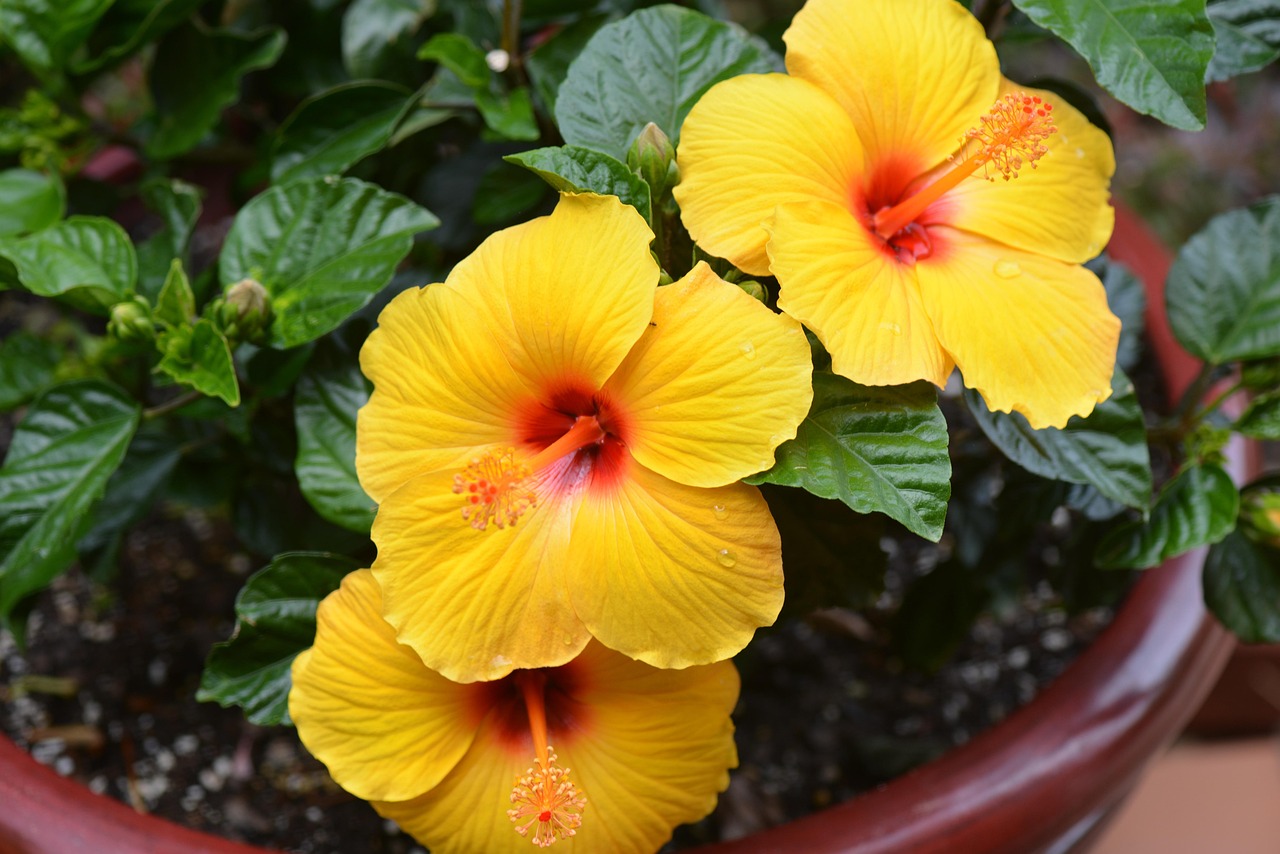
Another characteristic that stands out to me is their growth habits. Tropical plants can range from small, compact varieties to tall, sprawling types that can dominate a space. Understanding their growth patterns helps in choosing the right container, ensuring they have enough room to thrive while still fitting into our living spaces. A personal favorite of mine is the hibiscus, known for its large, beautiful flowers and ability to bring a tropical vibe to any garden.
Benefits of Container Gardening
Container gardening for tropical plants is one of my best gardening decisions! There are so many advantages to growing these beauties in pots. First, containers allow for flexibility. When the weather changes, I can easily move my plants to ensure they’re in the best spot for sunlight or to protect them from harsh conditions. I remember one summer when an unexpected storm rolled through, and I quickly moved my plants to a sheltered area, saving them from potential damage.
Another benefit that I truly appreciate is the ability to control soil quality and drainage. Tropical plants can be sensitive to overwatering, and using containers makes it easier to manage their watering needs. I’ve experimented with different soil mixes to find the perfect balance for my tropical friends, and it has made a world of difference. Plus, container gardening can add a beautiful aesthetic to our patios, balconies, and even indoor spaces, allowing us to create our own little tropical oasis!
Seasonal Care Overview
Why Seasonal Care is Important
As the seasons change, so do the needs of our tropical plants. I’ve learned that seasonal care is crucial for keeping them healthy and flourishing. Each season brings its own set of challenges and opportunities, which means I have to adjust my care routines accordingly. For instance, during the spring, I find that my plants are particularly eager to grow, requiring more attention and nutrients. On the other hand, in the fall, I focus on preparing them for the colder months ahead.
By recognizing the importance of seasonal care, I can help my plants thrive in their environment. I’ve seen a significant difference in their growth and health by simply being aware of what they need at different times of the year. It’s like a nurturing relationship; the more attention I give them, the more they flourish.
Impact of Seasons on Tropical Plants
Understanding how the seasons affect our tropical plants has been a game-changer for me. Each season brings distinct temperatures, humidity levels, and sunlight hours that influence plant growth. For example, during the spring months, the longer days and warmer temperatures signal my tropical plants to wake up from their winter dormancy. I often notice new growth and blooms appearing almost overnight. It’s a joy to witness!
However, summer can be quite tricky. The heat and humidity may stress some plants, requiring extra care. I’ve had to adjust my watering routine, making sure to keep my plants hydrated without drowning them. In my experience, the fall serves as a transition period where I prepare my plants for the cooler weather. I start to reduce watering and focus on ensuring they’re ready for any potential temperature drops. Finally, winter often means bringing plants indoors where they can thrive without the harsh outdoor elements, which can be a significant adjustment for them.
By observing and understanding how my plants respond to changing seasons, I can provide them with the right care and environment to flourish. It’s a fascinating journey that deepens my connection with them and enhances my gardening experience.
Spring Care for Tropical Container Plants
Optimal Soil and Fertilization
As spring rolls around, I find myself excited to refresh my tropical container plants with the right soil and fertilization. This is such a vital time for them since they’re waking up from their winter slumber and gearing up for growth. For me, choosing a well-draining potting mix is key. I’ve learned that tropical plants thrive in soil that retains moisture but also drains excess water to prevent root rot.
In my experience, a blend that includes ingredients like coconut coir, perlite, and compost works wonders. I’ve often mixed my own, aiming for a light and airy texture that allows roots to breathe. Along with the right soil, I find that fertilizing in the spring is crucial. I usually start with a balanced fertilizer, something I’ve found that provides the essential nutrients my plants need to kickstart their growth. I typically fertilize every four to six weeks, which has helped my plants show off their vibrant foliage and flowers throughout the season. One resource that has been incredibly helpful is Unlock Vibrant Growth: Fertilization for Tropical Container Plants.
Watering Needs as Temperatures Rise
With warmer temperatures in spring, I’ve noticed that my tropical plants have a growing appetite for water. It’s important to keep an eye on the moisture levels in the soil, as they can dry out faster than I expect. I’ve made it a habit to check the top inch of the soil; if it feels dry, it’s time to give them a good drink. However, I always keep in mind that overwatering can be just as harmful as underwatering.
I’ve learned to establish a watering routine that aligns with the changing weather. Monitoring the weather forecast also helps; if I see a warmer spell coming, I prepare to increase my watering frequency. I’ve found that using pots with drainage holes is essential, as it prevents water from pooling at the bottom and allows excess to escape. Finding this balance has been a learning curve, but it’s rewarding to see my plants thriving as they soak up the sun!
Pest and Disease Prevention
Springtime also means that pests are starting to come back, and I’ve had my fair share of battles with them. It’s essential to be proactive in preventing infestations. I’ve made it a routine to inspect my plants closely for any signs of pests, like aphids or spider mites. A quick glance can save a lot of trouble later!
To keep pests at bay, I often use a mixture of water and mild dish soap to spray the leaves, which acts as a natural deterrent. I’ve also found that introducing beneficial insects, like ladybugs, into my garden can help control pest populations without harming my plants. Additionally, ensuring that my plants have good air circulation and are not overcrowded has minimized the chances of diseases taking hold.
With regular monitoring and preventive measures, I feel more at ease about keeping my plants healthy and free from unwanted visitors.
Summer Care for Tropical Container Plants
Managing Heat and Humidity
As summer approaches, I find that managing heat and humidity becomes my top priority. The intense sun can be both a blessing and a challenge for my tropical container plants. I remember a particularly hot summer when I noticed some of my plants wilting in the afternoon heat, which prompted me to rethink their placement.
Now, I try to position my plants where they can receive bright, indirect sunlight rather than harsh direct rays, especially during the hottest part of the day. I’ve also started using shade cloths to protect vulnerable plants from scorching temperatures. Keeping them hydrated is another essential aspect of summer care. I often check for moisture more frequently, ensuring that they are getting enough water, especially if it’s been particularly hot.
Additionally, I make it a point to mist my plants occasionally, which not only provides them with extra humidity but also helps keep the leaves clean from dust—a little win-win in my book!
Pruning and Maintenance Practices
Summer is also a great time for pruning! I’ve learned that regular maintenance can encourage healthy growth and a more vibrant appearance. I often take a walk around my garden and look for any dead or yellowing leaves that may need to go. It’s like giving my plants a little haircut, and they seem to appreciate it, sprouting new growth soon after.
Another practice I’ve adopted is deadheading flowers as they fade. This not only keeps my plants looking tidy but also encourages them to produce more blooms. I’ve found that consistent pruning helps keep my tropical container plants looking their best and promotes better air circulation.
Signs of Stress and How to Address Them
Even with the best care, tropical plants can still show signs of stress during summer. I’ve learned to recognize the signs, like leaf curling, yellowing, or stunted growth. When I see these indicators, I immediately check their watering habits and sunlight exposure. Often, adjusting these factors helps my plants bounce back.
If I notice pests or diseases, I act quickly, applying treatments or relocating the affected plants. Sometimes, simply moving them to a shadier spot can make all the difference, especially during those heat waves. It’s all about being attentive and responsive, and I’ve found that my plants reward me with their resilience and beauty when I do!
Fall Care for Tropical Container Plants
Preparing for Cooler Temperatures
As summer fades into fall, I start feeling the urgency to prepare my tropical container plants for the cooler temperatures ahead. This transition can be quite critical since many tropical plants are sensitive to cold. I remember the first autumn I experienced with my plants; I didn’t realize how quickly temperatures could drop, and I lost a few plants to the chill. Now, I’m much more diligent about monitoring the weather forecasts to anticipate any sudden drops.
One of the first things I do is assess the location of my plants. If they’ve been enjoying the outdoors all summer, I begin to gradually acclimate them to less sunlight and cooler air by moving them to a more sheltered spot, ideally close to the house or porch. This not only helps them adjust but also protects them from harsh winds and unexpected frost. I’ve found that this slow transition makes a significant difference in how well my plants adapt to the changing conditions.
Repotting and Soil Refreshing
Fall is also the perfect time for repotting and refreshing the soil of my tropical container plants. I’ve learned that when plants are preparing for dormancy, they can benefit from a little extra care. When I repot, I like to gently shake off the old soil and inspect the root system. This gives me a chance to prune any unhealthy roots, which I’ve found can rejuvenate the plant before the winter months.
When it comes to soil, I typically freshen up the mix with new potting soil that retains moisture while ensuring proper drainage. This is crucial for my tropical plants as they still need to access nutrients even as their growth slows down. I often mix in some organic compost for a nutrient boost, helping them stay strong through the winter. I remember the satisfaction I felt after repotting my peace lily; it thrived beyond my expectations after I gave it a fresh start!
Transitioning to Indoor Conditions
As the nights grow colder, I find myself moving my tropical plants indoors to protect them from frost. This can be a bit of a juggling act, as I need to make sure each plant is placed in an ideal spot. I’ve learned that not all indoor environments are created equal, so I carefully consider factors like light availability and temperature consistency. For instance, placing my snake plant near a window with filtered sunlight has proven to be a successful strategy.
Before bringing my plants inside, I always give them a thorough inspection for pests. It’s so easy for little critters to hitch a ride indoors, and I’ve had my fair share of pest issues because I skipped this step. A gentle wash with water often does the trick to clean off any unwanted guests. Once I’m confident they’re pest-free, I carefully place them in their new indoor homes, ensuring they get as much natural light as possible without being directly in the path of heating vents, which can dry them out.
Winter Care for Tropical Container Plants
Indoor vs. Outdoor Considerations
During the winter months, the care for my tropical container plants shifts dramatically. If I’ve brought them indoors, I focus on creating an environment that mimics their natural habitat. I know firsthand that a warm, humid indoor space makes them much happier. I’ve added a small humidifier in my plant room, which has made a noticeable difference in their health. It’s like giving them a taste of summer during the cold months!
If I happen to have any plants that can tolerate the cold and stay outdoors, I ensure they are placed in a protected area, like a covered porch or under a tree. I’ve seen how even a small change in location can help them survive the chilly weather. However, it’s crucial to monitor the temperatures and be ready to bring them in if there’s a sudden cold snap.
Light Requirements and Adjustments
Light becomes another crucial factor in winter care. With shorter days, I’ve realized that my tropical plants often need more light than they receive naturally. I’ve invested in a few grow lights that help supplement their light intake. This has worked wonders for my plants like the monstera, which can show signs of stress without adequate light. I remember a winter where I neglected to provide enough light, and my plants became leggy and sad. Now, I make it a point to adjust their light exposure as needed.
Watering and Humidity Control
Watering practices also change drastically in winter. I check the soil moisture more frequently, as lower light levels lead to reduced evaporation and slower growth. I’ve learned to only water when the top inch of soil feels dry. It’s a bit of a balancing act; I want to keep them hydrated without risking overwatering, which can lead to root rot. Using pots with good drainage has been a lifesaver!
Humidity control remains vital, especially since indoor heating can strip the air of moisture. I often mist my plants or place trays filled with water and pebbles near them. I feel like these small efforts go a long way in keeping my tropical plants happy during the colder months. Watching them thrive is a constant reminder of the joys of gardening, even in winter!
Frequently Asked Questions
What are the characteristics of tropical container plants?
Tropical plants are known for their stunning foliage and vibrant flowers, typically thriving in warm, humid environments. They often have large leaves for efficient sunlight capture and robust root systems for quick absorption of water and nutrients. Their growth habits can vary from small compact varieties to tall sprawling types.
What are the benefits of container gardening for tropical plants?
Container gardening allows for flexibility in relocating plants based on weather conditions. It also enables better control over soil quality and drainage, which is essential for tropical plants that can be sensitive to overwatering. Additionally, it enhances the aesthetic of patios, balconies, and indoor spaces.
Why is seasonal care important for tropical plants?
Seasonal care is crucial because the needs of tropical plants change with the seasons. Adjusting care routines based on seasonal challenges and opportunities helps maintain the health and flourishing of the plants throughout the year.
How do temperatures and humidity levels affect tropical plants in different seasons?
Each season brings distinct temperatures and humidity levels that influence plant growth. For example, spring encourages new growth, while summer may require adjustments to watering due to heat stress. Fall is a transition period for preparing plants for cooler weather, and winter often necessitates bringing plants indoors to protect them from harsh elements.
What should I consider for optimal soil and fertilization in spring?
In spring, it’s important to use a well-draining potting mix that retains moisture without causing root rot. A blend of coconut coir, perlite, and compost is recommended. Fertilizing with a balanced fertilizer every four to six weeks helps provide essential nutrients for growth. For more detailed strategies, check out Top Fertilization Strategies for Thriving Tropical Container Plants.
How can I manage heat and humidity for tropical plants in summer?
To manage heat and humidity in summer, position plants in bright, indirect sunlight and use shade cloths to protect them from direct rays. Regularly check moisture levels and increase watering frequency during hot spells. Misting plants can also help provide additional humidity.
What steps should I take to prepare tropical plants for fall?
To prepare for fall, gradually acclimate plants to cooler temperatures by moving them to more sheltered spots. It’s also a good time to repot and refresh the soil to ensure they remain healthy as they prepare for dormancy.
How do I care for tropical plants during winter?
During winter, create a warm, humid indoor environment for plants brought inside, using a humidifier if necessary. Monitor light levels and consider using grow lights to supplement natural light. Adjust watering practices by checking soil moisture regularly to avoid overwatering.
What pest prevention methods can I use for tropical container plants?
Inspect plants regularly for signs of pests and use a mixture of water and mild dish soap to spray leaves as a natural deterrent. Introducing beneficial insects like ladybugs can also help control pest populations, alongside ensuring good air circulation to minimize disease risks.
Read Interesting article: Boost Your Tropical Container Plants with These Fertilization Tips