
If you dream of vibrant tropical plants thriving in your home, container gardening might just be your best bet. Let’s dive into the essentials of soil mixes that will help you cultivate a lush, green oasis. Read Interesting article: Create the Perfect Soil Mix for Your Tropical Container Plants
Understanding Tropical Container Gardening
What is Tropical Container Gardening?
Tropical container gardening is all about bringing the vibrant, lush growth of tropical plants into pots that can be placed indoors or outdoors. I first discovered this gardening style when I wanted to enjoy the beauty of tropical foliage without committing to planting in the ground. It offers a flexible way to explore exotic plants like orchids, ferns, and various flowering species, all while adapting to the unique conditions of our climate.
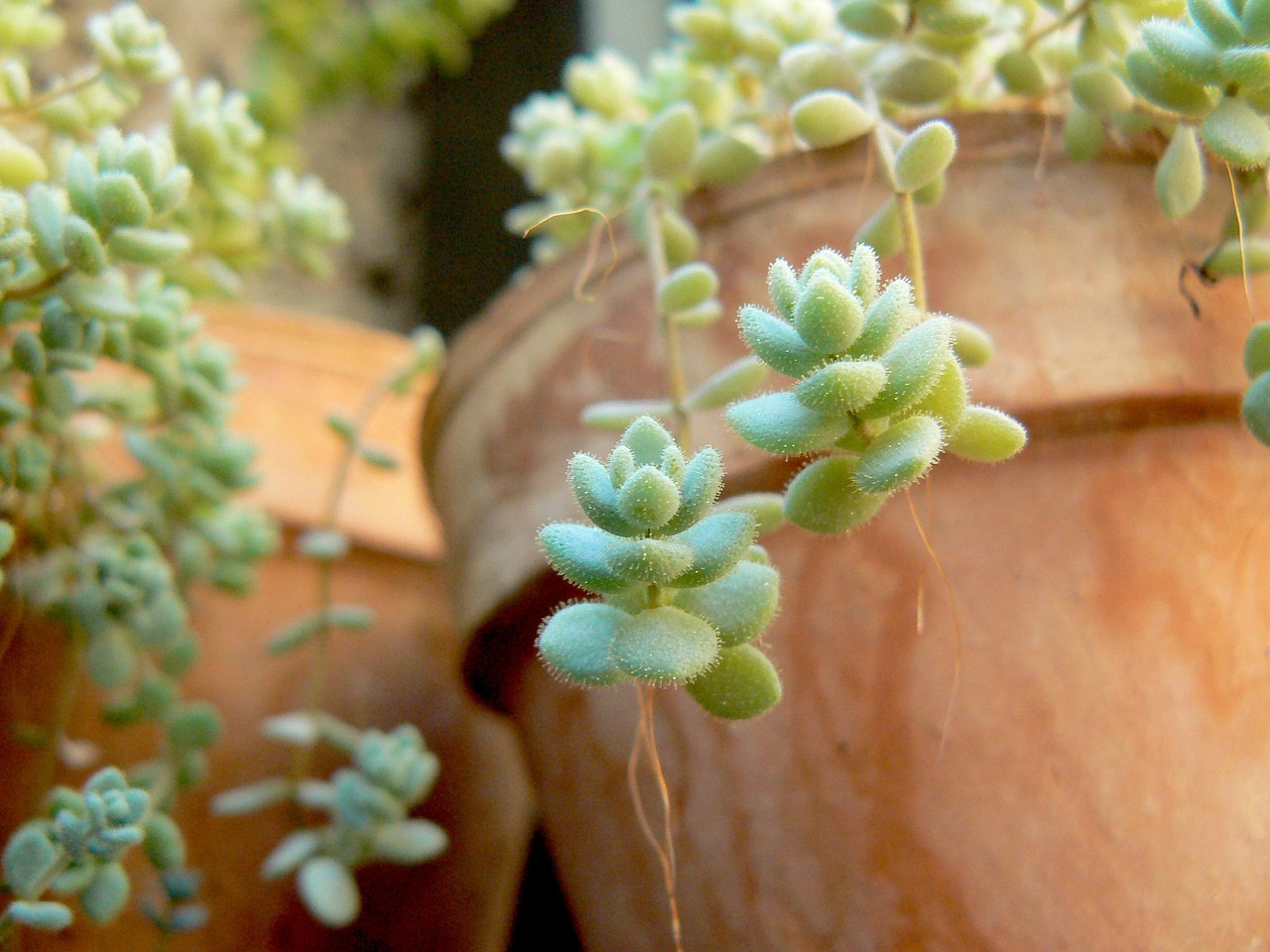
In tropical container gardening, the focus is on creating a suitable environment for plants that thrive in warm, humid conditions. Since conditions can vary widely in different areas—even within tropical zones—it’s important to customize your approach based on your location, available space, and personal preferences. This makes it not just a gardening method, but also a creative expression of our love for nature.
Benefits of Container Gardening in Tropical Climates
There are so many reasons why I fell in love with container gardening, especially in a tropical setting. For starters, container gardening allows for mobility. I can easily move my pots around to chase the sun or protect them from heavy rains. This adaptability is a game-changer. I remember a stormy season when I was able to quickly relocate my pots to a sheltered area. My plants thrived while others were battered by the elements.
Another benefit is the ability to control the growing conditions. In pots, we can better manage soil quality, moisture levels, and nutrient input. I enjoy experimenting with different soil mixes to see what works best for my plants. Plus, container gardening can save space, making it perfect for those of us with smaller yards or balconies. I often find myself filling every available nook with pots, creating a vibrant oasis right outside my door.
Lastly, container gardening offers a less risky entry point for gardening. If a plant doesn’t thrive, I can simply replace it without worrying about larger landscape implications. This freedom allows me to explore a variety of plants without the fear of making permanent mistakes in my garden.
Key Components of an Ideal Soil Mix
Organic Matter
When crafting the perfect soil mix for tropical container gardening, organic matter is essential. I always include materials like compost, peat moss, or coconut coir, as they enhance soil structure and provide vital nutrients. Organic matter improves water retention and encourages beneficial microbial activity, which is key to plant health. When I began adding organic matter to my mixes, I noticed a significant boost in growth and vitality among my plants.
Drainage Materials
Drainage is crucial for tropical plants, which often prefer well-draining soil to prevent root rot. I like to add perlite, vermiculite, or coarse sand to my mixes to improve drainage. These materials create air pockets in the soil, allowing roots to breathe while ensuring excess water flows away. I’ve learned that if my soil retains too much moisture, it can lead to a host of problems, including mold and fungal infections. Finding the right balance has made all the difference for me.
Nutrients and Fertilizers
Feeding my plants is a big part of my gardening routine. Tropical plants can be heavy feeders, so I make sure to incorporate slow-release fertilizers into my soil mix. I’ve found that products rich in nitrogen, phosphorus, and potassium (N-P-K) work wonders for promoting growth and flowering. For my indoor plants, I often use organic options that release nutrients gradually, ensuring a continuous supply without overwhelming my plants. It’s all about finding what works best for my specific tropical species.
pH Balance and Soil Testing
A good soil mix also requires attention to pH levels. Tropical plants generally thrive in slightly acidic to neutral pH ranges. I invested in a simple soil testing kit, which has made it easy to monitor the pH of my mixes. Adjusting the pH with amendments like lime or sulfur can help create the perfect environment for my plants. It was eye-opening to see how even minor adjustments impacted plant health and growth.
In my experience, understanding the key components of an ideal soil mix has been foundational in my journey toward a flourishing tropical container garden. By focusing on organic matter, drainage, nutrients, and pH balance, I’ve cultivated a thriving environment that supports my love for these exotic plants. Read Interesting article: Top 5 Soil Mixes for Thriving Tropical Container Gardens Let’s continue exploring the specific soil mixes that can further enhance our tropical gardening adventures.
Essential Soil Mixes for Tropical Plants
General Purpose Tropical Soil Mix
Creating a general-purpose tropical soil mix has been a revelation for me. It’s versatile and can cater to a variety of tropical plants. I usually mix equal parts of high-quality potting soil, coconut coir, and perlite. This combination provides a rich, organic base while ensuring excellent drainage. I’ve found that this mix works wonders for most of my tropical foliage, from vibrant ferns to lush philodendrons. The coconut coir not only retains moisture but also helps keep the soil light and airy, allowing roots to spread and breathe freely.
Cactus and Succulent Soil Mix
While it might seem counterintuitive to include cacti and succulents in a tropical garden, I’ve learned that certain varieties can thrive in a warm, humid environment. For these plants, I prepare a specific soil mix that consists of one part potting soil, one part perlite, and one part coarse sand. This blend ensures that water drains quickly, preventing root rot. I remember adding this mix to a few pots of tropical succulents, and the results were impressive—they flourished despite the high humidity! It’s all about finding the right balance.
Orchid Potting Mix
Orchids are such a delight to grow, and they require a unique potting mix to thrive. I’ve experimented with various ingredients, and my favorite mix consists of a combination of bark chips, sphagnum moss, and perlite. The bark chips provide excellent aeration for the roots, while the moss helps retain a bit of moisture. I’ve had great success with this combination, as it mimics the natural growing conditions of orchids, which often thrive in trees or other high-humidity environments. Watching them bloom has been incredibly rewarding!
Herb and Vegetable Soil Mix
Growing herbs in containers has become one of my favorite gardening activities. For an herb and vegetable soil mix, I typically use a blend of potting soil, compost, and a bit of vermiculite. This mixture promotes healthy growth while providing essential nutrients. I’ve noticed that my herbs, like basil and mint, flourish with this mix, and they add such wonderful flavors to our meals! It’s satisfying to grow something I can actually use in my cooking.
Aroid Soil Mix for Philodendrons and Monsteras
The aroid family, including popular plants like philodendrons and monsteras, has a special place in my heart. These plants thrive in a more specialized mix. I like to use a combination of potting soil, orchid bark, and charcoal. The charcoal helps with drainage and keeps the soil fresh by preventing mold and bacteria. I remember when I first introduced this mix to my monstera; it took off! The leaves grew larger and more vibrant, showcasing the beauty of this tropical plant.
DIY Soil Mix Recipes
Basic Tropical Soil Mix Recipe
If you’re looking to create your own basic tropical soil mix, here’s a simple recipe I often use. Combine two parts potting soil, one part coconut coir, and one part perlite. This mix is straightforward yet effective for most tropical plants. I love preparing my soil mixes at home; it adds a personal touch to my gardening experience. Plus, I always feel a sense of accomplishment when I see my plants thriving in soil I’ve crafted myself.
Customizing Soil Mixes for Specific Plant Needs
One of the best parts of tropical container gardening is the ability to tailor soil mixes to specific plants. I often adjust my basic recipe depending on the plant’s preferences. For instance, if I’m potting a plant that prefers more moisture, like a peace lily, I might add more coconut coir and less perlite. On the other hand, for a draught-tolerant plant, I’ll increase the amount of perlite for better drainage. This kind of customization has led to healthier plants with more vibrant growth.
Using Local and Sustainable Materials
In my quest for the perfect soil mix, I’ve discovered the importance of sustainability. I try to use local materials whenever possible, like leaf mold or native compost. Not only does this support local ecosystems, but it also reduces my environmental footprint. I remember visiting a local farm where they offered compost made from kitchen scraps and yard waste. Incorporating this into my soil mixes not only feels good but also helps me connect with my community and its resources.
How to Prepare Containers for Tropical Gardening
Choosing the Right Container Size and Material
When I first started my tropical container gardening journey, I realized that selecting the right container is just as important as choosing the right soil mix. The size of the container affects how well the plants grow and how much space their roots have to develop. I typically choose pots that are at least 10-12 inches in diameter for most tropical plants. This size allows for adequate root growth without overwhelming the plant.
Materials also play a crucial role in my container choices. I’ve tried various options such as plastic, ceramic, and terracotta. While plastic containers are lightweight and retain moisture well, I’ve found that terracotta pots offer excellent breathability and drainage. They tend to dry out faster, which can be beneficial for certain plants that prefer drier conditions. I remember when I swapped some of my smaller plants to terracotta; the improvement in their health and growth was noticeable almost immediately!
Drainage Techniques and Holes
One of the first lessons I learned was that drainage is paramount. Without it, I risk drowning my tropical plants. I always ensure that my containers have adequate drainage holes at the bottom. If I find a pot without holes, I get a little crafty; I either drill them myself or choose a different pot. I once ignored this lesson and used a beautiful ceramic pot without drainage. The result? A soggy mess and a couple of unhappy plants. Now, I always prioritize drainage!
Additionally, I often use a layer of small stones or gravel at the bottom of my pots before adding soil. This technique helps to prevent soil from washing out of the drainage holes while also improving drainage. It’s a small step, but it’s made a big difference in keeping my plants healthy and happy.
Layering Technique for Soil Mixes
Layering my soil mixes has become a fun and creative part of my gardening routine. When I prepare my containers, I don’t just dump all the soil in at once. Instead, I like to layer it, starting with larger materials at the bottom for drainage and then gradually working up to my nutrient-rich mix. For example, I’ll begin with a layer of perlite or gravel, followed by a mix of my potting soil and organic matter.
This layering technique not only enhances drainage but also allows for better moisture retention in the mix above. I’ve noticed that my plants seem to adapt better when I use this method. They access moisture when they need it but also have room to breathe. It’s interesting how a little extra care during the preparation phase can lead to such positive results!
Maintenance of Soil Health in Container Gardening
Watering Practices for Tropical Plants
Watering is one of those tasks that can seem simple, but it requires attention to detail. I’ve learned that tropical plants generally prefer consistent moisture but can be sensitive to overwatering. I like to check the soil with my fingers before watering. If the top inch feels dry, it’s usually time to give my plants a drink. This practice has saved me from many mishaps that come from guessing when to water.
I also try to water my plants in the early morning or late afternoon. This timing helps reduce evaporation and allows plants to absorb more moisture. I remember one summer when I was watering during the hottest parts of the day, and I could see the plants wilting. Switching to a cooler time of day made a world of difference. I’ve also experimented with different watering techniques, like using a watering can with a narrow spout for precise watering, which keeps my soil from getting too disturbed.
Fertilization Schedule and Techniques
Feeding my tropical plants is another crucial aspect of maintenance. I’ve found that a regular fertilization schedule helps keep my plants vibrant and lush. I typically use a balanced liquid fertilizer every four to six weeks during the growing season. When I first started, I was hesitant to fertilize, fearing I would overwhelm my plants. But I soon realized that proper feeding supports their growth and flowering.
I also like to rotate between organic and synthetic fertilizers, depending on the plants’ needs. I keep a journal of my plants and their responses to different fertilizers, which has been valuable in understanding what works best for each type. For instance, I noticed my ferns thrive better with organic options, while my flowering plants respond well to a synthetic formula. This kind of trial and observation has turned fertilization into a more enjoyable and insightful aspect of my gardening experience.
Common Soil Problems and Solutions
No garden is without its challenges, and I’ve encountered several soil-related issues along the way. One common problem I faced was compacted soil. I realized that when my plants began to show signs of stress, it was often due to soil compaction. To remedy this, I gently loosen the soil with a chopstick or a pencil, being careful not to disturb the roots too much. This simple act has helped rejuvenate my plants and improve air circulation.
Another issue was nutrient depletion. I’ve learned to keep an eye on my plants for signs of nutrient deficiency, like yellowing leaves or stunted growth. If I notice these signs, I immediately adjust my fertilization schedule or even repot the plants into fresh soil. By staying observant and proactive, I’ve been able to maintain a healthy environment for my tropical container garden.
Choosing the Right Plants for Tropical Container Gardening
Best Tropical Plants for Containers
Choosing the right plants for my tropical container garden has been both exciting and a bit overwhelming at times. There are so many stunning options out there! I’ve found that some plants thrive exceptionally well in containers, and they often become the stars of my garden. For instance, **pothos** is an excellent choice due to its adaptability and beautiful trailing vines. I love how they can climb or cascade, adding a lush look to any space.
Another favorite of mine is the **bird of paradise**. Its striking leaves and unique flowers bring a tropical feel to my garden, and it does well in larger containers. I remember when I first introduced one to my collection; it instantly became a conversation piece whenever friends visited! **Ferns** also deserve a mention. Varieties like the **Boston fern** or **maidenhair fern** do wonderfully in containers and thrive in the humidity that tropical environments provide.
For those who prefer flowering plants, **hibiscus** and **plumeria** are fantastic choices. When I see my hibiscus bloom, it’s like a burst of summer colors right on my patio. It’s truly rewarding to care for them and watch the flowers unfold. Lastly, I can’t forget about **caladiums**. Their colorful foliage adds vibrant accents to my garden, making them a favorite for filling in gaps among the greenery.
Understanding Plant Compatibility with Soil Mixes
Once I’ve selected my plants, understanding their compatibility with my soil mixes becomes crucial. Each plant has specific needs that dictate the type of soil it thrives in. For instance, I’ve learned that **succulents** and **cacti** prefer a blend that drains quickly, while **broadleaf tropical plants** like philodendrons thrive in richer, moisture-retaining mixes.
It’s fascinating how I can tailor my soil mixes based on these needs. When I set up an area for my ferns, I use more organic matter in the mix to retain moisture, mimicking their natural rainforest environment. Conversely, when potting my succulents, I prioritize drainage materials like sand and perlite. This understanding has transformed the way I approach planting, allowing me to create customized environments that best support each species I choose.
Environmental Considerations
Using Eco-Friendly Soil Amendments
As I’ve gotten deeper into tropical container gardening, I’ve become more aware of my environmental impact. I aim to incorporate eco-friendly soil amendments whenever possible. For example, instead of synthetic fertilizers, I often opt for compost or worm castings. These not only enrich the soil but also support beneficial microorganisms that promote plant health.
Another way I’ve made my gardening practices more sustainable is by using natural mulch around my plants. This helps retain moisture in the soil and reduces the need for frequent watering. Plus, it breaks down over time, adding nutrients back into the soil. I remember feeling proud of myself when I switched to using organic mulch; it felt good knowing I was contributing positively to the ecosystem.
Minimizing Soil Erosion and Runoff
Soil erosion and runoff are serious concerns, especially in container gardening. I’ve taken steps to minimize these issues by using heavier soil mixes that hold together better and don’t wash away easily. Additionally, I always ensure my pots are appropriately placed to prevent water from running off during heavy rains. This not only protects the soil but also helps conserve water in the long run, which is something I feel strongly about as a gardener.
Another technique I’ve implemented is creating barriers with stones or decorative gravel around my containers. This simple step keeps soil in place while adding a nice aesthetic touch. It’s amazing how these small changes can have a significant impact on both my garden’s health and the surrounding environment.
Final Thoughts
My journey into tropical container gardening has been a fulfilling adventure, filled with vibrant plants and new learning experiences. I’ve discovered the importance of the right soil mix, proper plant selection, and sustainable practices that benefit both my garden and the environment. I encourage anyone interested in gardening to take the plunge and explore the beauty of tropical plants in containers. It’s truly a rewarding experience to cultivate your little green oasis, and I hope my insights inspire you to create your own vibrant paradise! Read Interesting article: Best Container Options for Your Tropical Garden
Frequently Asked Questions
What is tropical container gardening?
Tropical container gardening involves growing vibrant tropical plants in pots that can be placed indoors or outdoors, allowing for flexibility without committing to planting in the ground. It focuses on creating a suitable environment for plants that thrive in warm, humid conditions.
What are the benefits of container gardening in tropical climates?
Container gardening offers mobility, allowing gardeners to move pots to chase sunlight or protect them from rain. It also enables better control over soil quality, moisture levels, and nutrients. Additionally, it saves space, making it ideal for smaller areas, and provides a less risky entry point for gardening.
What key components should be included in an ideal soil mix for tropical plants?
An ideal soil mix for tropical plants should include organic matter (like compost or coconut coir), drainage materials (such as perlite or coarse sand), nutrients and fertilizers (preferably slow-release), and attention to pH balance, which should generally be slightly acidic to neutral.
How do I create a general-purpose tropical soil mix?
A general-purpose tropical soil mix can be created by mixing equal parts of high-quality potting soil, coconut coir, and perlite. This combination provides a rich organic base while ensuring excellent drainage.
What is the importance of drainage in tropical container gardening?
Drainage is crucial for tropical plants to prevent root rot. Well-draining soil allows excess water to flow away, creating air pockets for the roots to breathe. Using materials like perlite or coarse sand helps improve drainage in soil mixes.
How should I water tropical plants in containers?
Tropical plants generally prefer consistent moisture but can be sensitive to overwatering. It’s best to check the soil moisture by feeling the top inch before watering. Watering in the early morning or late afternoon helps reduce evaporation and allows for better absorption.
What types of tropical plants are best suited for container gardening?
Some of the best tropical plants for containers include pothos, bird of paradise, ferns (like Boston and maidenhair ferns), hibiscus, plumeria, and caladiums. These plants thrive well in containers and can add vibrant beauty to any garden.
How can I customize soil mixes for specific tropical plants?
Soil mixes can be customized based on the specific needs of each plant. For plants that prefer more moisture, like peace lilies, you can add more coconut coir. Conversely, for drought-tolerant plants, increase the perlite for better drainage.
What are some eco-friendly practices for soil amendments in tropical gardening?
Using eco-friendly soil amendments can include opting for compost or worm castings instead of synthetic fertilizers. Additionally, using organic mulch helps retain moisture and adds nutrients back into the soil over time.
How can I prevent soil erosion and runoff in container gardening?
To minimize soil erosion and runoff, use heavier soil mixes that hold together well and ensure pots are placed to prevent water runoff during heavy rains. Creating barriers with stones or decorative gravel around containers can also help maintain soil integrity.