
When choosing between a gazebo and a ramada, understanding their unique features and benefits is crucial. Both outdoor shelters offer different aesthetic and functional advantages, making them suitable for various needs and climates.
Understanding Gazebos and Ramadas
When it comes to outdoor shelters, gazebos and ramadas each have their own charm and purpose. Let’s dive into what makes them unique, their history, and their cultural significance.
What is a Gazebo?
A gazebo is a freestanding structure, often with a roof and open sides. They usually come in fun shapes, like octagons or hexagons. Gazebos are perfect spots for relaxation, offering a 360-degree view of your surroundings. Made from wood or metal, they often include benches or seating.
- Pros:
- Provides a shaded area.
- Great for gatherings and events.
- Adds aesthetic value to your garden.
What is a Ramada?
A ramada is a covered structure typically supported by columns. It has a roof that offers shade while maintaining an open design. Ramadas are especially popular in sunny or arid climates. They allow a nice breeze but keep you protected from the sun.
- Pros:
- Versatile and customizable.
- Provides privacy and comfort.
- Suitable for outdoor kitchens or entertaining areas.
Historical Context and Cultural Significance
Both gazebos and ramadas have rich histories. Gazebos trace back to ancient civilizations, often built in gardens for leisure and socializing. They symbolize elegance and community gathering.
Table of Contents
Ramadas have roots in various cultures, especially in areas with hot climates. They serve as communal spaces for shade and protection, highlighting the importance of outdoor living in many societies.
Quick Comparison:
| Feature | Gazebo | Ramada |
|---|---|---|
| Design | Freestanding, often ornate | Supported by columns, open-style |
| Purpose | Gathering, relaxation | Shade, outdoor activities |
| Cultural Roots | Ancient gardens | Communal spaces in hot climates |
In summary, both structures have unique offerings. Knowing their definitions, history, and functions can help you decide which is right for your outdoor space!
Design Features: Gazebo vs. Ramada
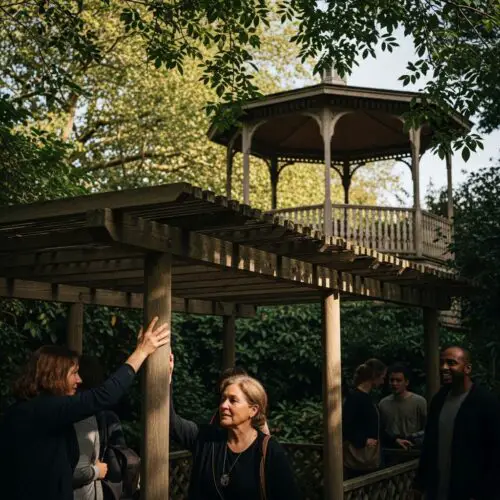
When it comes to outdoor shelters, gazebos and ramadas each bring their own flair. Understanding their design differences can help you find the perfect fit for your space.
Structural Design Differences
Gazebos are often freestanding and can be quite ornate, with unique shapes—think octagons and hexagons. They generally have a solid roof and open sides, allowing for a lovely view while providing shelter from the elements.
Ramadas, on the other hand, are usually supported by columns and have a more open structure. Their roofs are often flat or slightly sloped, designed to provide shade while keeping the space airy.
Here’s a quick comparison:
| Feature | Gazebo | Ramada |
|---|---|---|
| Shape | Freestanding, often octagonal | Supported by columns, open-style |
| Roof Type | Solid roof | Flat or sloped roof |
| Side Coverage | Open sides | Open design |
Aesthetic Appeal and Customization
Gazebos can add a touch of romance and elegance to your yard. They often come with decorative elements and can be customized with benches or railings. This makes them perfect for gatherings, weddings, or simply lounging with a book.
Ramadas are typically simpler and more functional. While they might not have the same ornate design as gazebos, they can be stylish in their own right. You can customize them with curtains or outdoor furniture to enhance their look.
Size and Space Considerations
When choosing between a gazebo and a ramada, size matters. Gazebos can take up more space, so consider your yard size. They often come in various sizes, accommodating anywhere from a small family to a larger gathering.
Ramadas, being more open, can fit into tighter spots. They offer flexibility in design and can be built to suit your specific space needs.
Decision Rule: If you want a focal point with elegance, go for a gazebo. If you need shade in a compact area, a ramada might be the ticket!
Functional Benefits of Each Outdoor Shelter
When it comes to outdoor shelters, both gazebos and ramadas offer unique advantages. Understanding these benefits can help you choose the right one for your needs.
Protection from Elements
Both gazebos and ramadas provide great protection from the sun and rain, but they do so in different ways.
- Gazebos: These structures have a solid roof and, often, partially enclosed sides. They provide excellent cover from rain and harsh sunlight while allowing for airflow. This makes them perfect for those summer barbecues or rainy afternoons.
- Ramadas: With their open design and solid roof, ramadas offer shade and shelter while keeping the space airy. They’re ideal for areas with light rain or for enjoying a breeze on a hot day. If you live in a warmer climate, a ramada can be a stylish way to stay cool.
Social and Recreational Uses
Both structures serve as fantastic gathering spots, but they cater to different social vibes.
- Gazebos: These are often seen as romantic and elegant. They’re perfect for hosting outdoor dinners or family gatherings. Picture a candlelit dinner under the stars, surrounded by nature. Gazebos create a cozy atmosphere that draws people in.
- Ramadas: These spaces are more versatile. They can serve as a lounge area for casual get-togethers or even as an outdoor kitchen setup. Imagine grilling with friends while enjoying the shade! Ramadas allow for more flexibility in how you use the space.
Privacy and Seclusion Benefits
Privacy can be a big factor in choosing your outdoor shelter.
- Gazebos: With their solid roofs and potential wall options, gazebos can offer more privacy. They create a secluded space where you can relax without feeling exposed. This makes them great for quiet evenings or intimate gatherings.
- Ramadas: While typically more open, ramadas can also be designed with partial walls or screens. This allows for some privacy while still feeling connected to your garden. If you enjoy morning coffee in peace, a ramada can be just the right spot.
Quick Comparison
| Feature | Gazebo | Ramada |
|---|---|---|
| Protection | Solid roof, good airflow | Open design, airy |
| Social Use | Romantic, cozy gatherings | Versatile, casual get-togethers |
| Privacy | More secluded | Adjustable privacy options |
In summary, if you’re leaning toward elegant gatherings, a gazebo may be your best bet. If you want a flexible space for casual hangouts, consider a ramada. Each structure has its own charm and functionality, making them both great choices for enhancing your outdoor space!
Material Choices and Durability

When deciding between a gazebo and a ramada, the materials used in their construction play a major role in their durability and upkeep. Let’s break down the common materials and their maintenance needs.
Common Materials Used
Both gazebos and ramadas can be made from various materials. Here’s a quick look:
| Material | Gazebo | Ramada |
|---|---|---|
| Wood | Classic, aesthetically pleasing | Traditional, rustic charm |
| Metal | Durable, modern look | Sturdy, often aluminum or steel |
| Vinyl | Low maintenance, weather-resistant | Easy to clean, fade-resistant |
| Concrete | Long-lasting, heavy | Solid, requires more labor |
Longevity and Maintenance Requirements
Understanding how long these materials last and what care they need is crucial. Here’s a breakdown:
- Wood: While it offers beauty, wood requires regular sealing and painting to prevent rot. Expect a lifespan of 10-15 years with good care.
- Metal: Metal structures are generally very durable. They may need occasional rust treatment. They can last 20+ years if properly protected.
- Vinyl: This is a fantastic low-maintenance option. Just a wash with soap and water keeps it looking fresh. Lifespan can exceed 30 years.
- Concrete: Very durable and low maintenance but can crack over time. A lifespan of 30+ years is common if installed correctly.
Environmental Impact Considerations
Choosing materials also involves considering their environmental footprint. Here’s what to keep in mind:
- Sustainable Wood: Opt for certified sustainable sources to minimize deforestation.
- Recycled Metal: Using recycled metal reduces waste and is a more eco-friendly option.
- Vinyl: While low maintenance, it’s made from plastic, which isn’t biodegradable.
- Concrete: Producing concrete has a high carbon footprint, but it’s long-lasting, which can offset its impact.
By weighing these material options and their respective durability, you can make a more informed decision between a gazebo and a ramada.
Cost Analysis of Gazebos and Ramadas
When it comes to choosing between a gazebo and a ramada, understanding the costs is key. Both structures have unique price points and ongoing expenses. Let’s break it down.
Initial Costs of Construction
The initial cost can vary widely based on size, materials, and design. Here’s a quick comparison:
- Gazebo:
- Basic model: $2,000 – $5,000
- Custom-built: $5,000 – $10,000 or more
- Materials: Wood, metal, or vinyl options.
- Ramada:
- Basic model: $1,500 – $4,000
- Custom-built: $4,000 – $8,000 or more
- Materials: Generally wood or metal, often lighter than gazebos.
Ongoing Maintenance Expenses
Maintenance costs are also important to consider. Here’s what you might expect:
- Gazebo:
- Annual maintenance: $200 – $500
- Common tasks: Staining or painting, cleaning, and repairing any damage.
- Ramada:
- Annual maintenance: $150 – $400
- Common tasks: Cleaning and checking for any structural issues.
Value Over Time
Both structures can add value to your property, but how much? Here’s a glance:
- Gazebo:
- Adds aesthetic value.
- Great for hosting events.
- Can enhance resale value by up to 10%.
- Ramada:
- Practical for outdoor gatherings.
- Provides shade and comfort.
- Increases outdoor living space appeal.
Budget Checklist
To help you estimate costs based on your preferences, consider this checklist:
- Determine your budget: Set a clear range.
- Choose materials: Decide between wood, metal, or vinyl.
- Consider size: How much space do you need?
- Evaluate location: Will you need a foundation?
- Factor in maintenance: Plan for annual upkeep.
By understanding these costs, you can make a more informed decision. Whether you lean towards a gazebo’s elegance or a ramada’s practicality, knowing the financial side is crucial.
Common Mistakes When Choosing Outdoor Shelters
Selecting the right outdoor shelter can be tricky. Gazebos and ramadas each have unique benefits, but common mistakes can lead to regret. Avoid these pitfalls to make the best choice for your space.
Design Mistakes to Avoid
Design plays a crucial role in how your shelter looks and functions. Here are some common design mistakes:
- Ignoring the Purpose: Ask yourself what you want your shelter for. Entertaining? Relaxation? This will guide your design.
- Neglecting Style Compatibility: Ensure your gazebo or ramada matches your home’s style. A modern home may clash with a traditional gazebo.
- Overlooking Size: A shelter too big or too small can throw off your outdoor space. Measure carefully before you decide.
Location Miscalculations
The location of your outdoor shelter can make or break your experience. Consider these factors:
- Sunlight and Shade: Think about where the sun hits at different times of the day. A ramada is great for shade, while a gazebo offers more openness.
- Accessibility: Ensure your shelter is easy to reach. If it’s too far from your home, it may not get used.
- Ground Stability: Check if the ground is suitable for building. A solid foundation is essential for both gazebos and ramadas.
Ignoring Climate Factors
Climate can significantly impact your shelter’s durability and comfort. Keep these points in mind:
- Material Selection: Choose materials that withstand your local weather. Wood is beautiful but may not hold up in humid areas without proper treatment.
- Wind Exposure: If you live in a windy area, a ramada’s open design might be more stable than a gazebo’s enclosed structure.
- Seasonal Use: Consider how often you’ll use your shelter throughout the year. A gazebo can provide a cozy spot year-round, while a ramada shines in warmer months.
Quick Checklist for Choosing the Right Shelter
- Purpose: Define what you need the shelter for.
- Design: Match the style with your home.
- Size: Measure your space accurately.
- Location: Ensure easy access and suitable ground.
- Materials: Select durable options for your climate.
- Wind and Sun: Consider exposure and comfort.
By avoiding these common mistakes, you can confidently choose between a gazebo and a ramada that fits your needs perfectly!
Conclusion: Making the Right Choice
Choosing between a gazebo and a ramada can feel overwhelming. But don’t worry! Let’s break down the key points to help you find the perfect outdoor shelter for your needs.
Recap of Key Features
- Gazebos:
- Typically freestanding with a roof and open sides.
- Offers a cozy, elegant space for gatherings and relaxation.
- Ideal for year-round use due to its protected design.
- Ramadas:
- Often built as extensions of a home or as standalone structures.
- Provides substantial shade and a comfortable area for outdoor dining.
- Best suited for warmer climates and casual settings.
Decision-Making Framework
When deciding which shelter is right for you, consider this simple flowchart:
1. Purpose: What will you primarily use it for?
- Gatherings or relaxation? -> Choose a gazebo.
- Dining or casual hangouts? -> Go for a ramada.
2. Climate: What’s the weather like in your area?
- Year-round use needed? -> Gazebo is better.
- Mainly for summer? -> Ramada shines.
3. Design Preference: What style do you prefer?
- Classic and elegant? -> Gazebo fits the bill.
- Simple and functional? -> Ramada works well.
4. Space: How much room do you have?
- Need something compact? -> A gazebo might be the answer.
- Have a larger area? -> A ramada can spread out more comfortably.
Final Recommendations
To sum it up, think about your personal needs and how you plan to use your outdoor shelter. A gazebo offers charm and year-round comfort, while a ramada provides ample shade for warm days.
Here’s a quick checklist to help you finalize your decision:
- Define Your Purpose: Social gatherings, relaxation, or dining?
- Check Your Climate: Will you use it year-round or just in the summer?
- Consider Your Style: Do you prefer classic elegance or a more casual vibe?
- Measure Your Space: Ensure it fits nicely in your yard.
By weighing these factors, you’ll be well on your way to choosing the perfect structure for your outdoor oasis!
Frequently Asked Questions
These quick answers cover the most common questions about this topic, including key details, practical tips, and common concerns.
How do I choose between a gazebo and a ramada for my outdoor space?
Consider your primary use, climate, and style preferences. If you want an elegant, all-season structure for relaxing or entertaining, a gazebo is ideal. For hot, sunny regions where shade and airflow are priorities, a ramada offers a practical solution. Measure your space and match the design to your home’s aesthetic to ensure the best fit.
Are outdoor gazebos worth it?
Yes, gazebos add aesthetic appeal and functional space to your yard. They create a focal point for gatherings and provide year-round shelter if built with durable materials. Properly maintained, they can increase your property value and enhance your outdoor living experience.
Do UV rays go through a gazebo?
UV rays can pass through open sides of a gazebo, especially if the sides are not enclosed or shaded with UV-protective fabrics. The roof provides some protection, but to block UV rays effectively, consider adding UV-filtering curtains or covers.
What is the difference between a ramada and a gazebo?
A gazebo is a freestanding structure with a solid roof and open sides, often ornate and decorative. A ramada is usually supported by columns with an open design, offering shade and airflow. Gazebos tend to be more aesthetic, while ramadas focus on functionality in hot climates.
What are common gazebo mistakes?
Common mistakes include choosing a size too small for your needs, placing it in an unsuitable location with poor sunlight or drainage, and neglecting maintenance like sealing or painting. Also, not considering local building codes can lead to legal issues.
What is the best material for a gazebo?
Wood is popular for its natural look but requires regular maintenance. Metal offers durability and a modern appearance with less upkeep. Vinyl is low-maintenance and weather-resistant, making it a practical choice for long-term durability.
Can a ramada be used in rainy climates?
Yes, but with some considerations. A ramada’s open sides allow rain to enter unless equipped with curtains or partial walls. Ensure the roof has a proper slope for rain runoff and use weather-resistant materials to withstand frequent moisture.
How much does it cost to build a gazebo?
Basic models start around $2,000, while custom designs can exceed $10,000. Costs depend on size, materials, and complexity. Budget for additional expenses like foundation work, permits, and ongoing maintenance.
What maintenance do gazebos require?
Regular maintenance includes cleaning, sealing or staining wood, inspecting for rust or damage, and repairing any structural issues. Metal structures may need rust treatment, and vinyl or metal options require minimal upkeep.
Are there zoning laws for outdoor structures?
Yes, local building codes and zoning laws often regulate outdoor shelters. These rules specify size limits, setback requirements, and permits needed. Check with your local authorities before starting construction to ensure compliance.