
Growing roses in pots requires selecting the right container, ensuring proper drainage, choosing suitable soil, providing adequate sunlight, and maintaining consistent watering and fertilization.
Readers will learn practical techniques such as container selection, soil requirements, watering schedules, pruning tips, pest control, and strategies for blooming success, based on expert advice from horticultural sources.
Growing Roses In Pots Option 1
Choosing the correct pot size is fundamental when growing roses in containers. A properly sized pot promotes healthy root growth and supports vibrant flowering while preventing issues like root binding or inadequate nourishment.
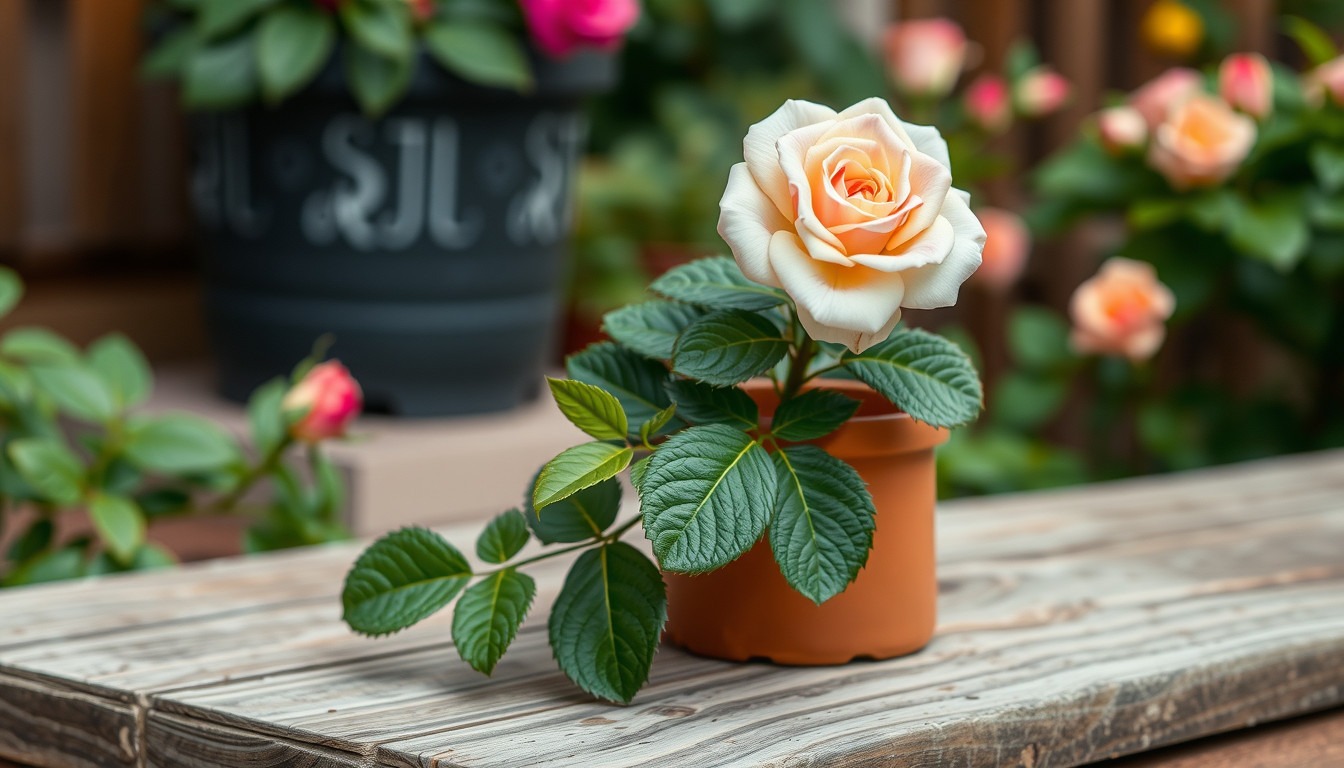
1. Key Points: Practical Fit | Key Details | Limitations
| Pot Size | Impact on Rose Health | Suitability |
|---|---|---|
| 3-gallon (11 liters) | Adequate for small or dwarf roses, limiting root expansion and flowering potential | Suitable for miniature roses; limited for larger varieties |
| 5-gallon (19 liters) | Provides more space for root development, encouraging better growth and blooms | Ideal for standard roses with moderate growth |
| 10-gallon (38 liters) or larger | Supports full-sized roses, reduces potting stress, and enhances flowering | Best for mature roses and vigorous varieties; requires sturdy support |
Choosing a pot of at least 5 gallons generally strikes a balance between growth potential and manageable size. Larger pots promote a healthier root system and due to more soil volume, help maintain moisture levels and nutrient availability. However, bigger containers are heavier, more expensive, and require more frequent watering and fertilization. Smaller pots may seem easier to handle but limit the plant’s growth and can lead to stress or poor flowering if the roots become cramped. Proper drainage is equally critical regardless of pot size to prevent waterlogging, which can damage the roots. Keep in mind that larger pots need sturdy, stable placement to avoid tipping, especially as roses grow and flower generously.
Growing Roses In Pots Option 2
This method emphasizes selecting the right soil composition to support healthy root development and vibrant blooms. Proper soil is fundamental for growing roses in containers because it directly influences water retention, drainage, and nutrient availability.
Table of Contents
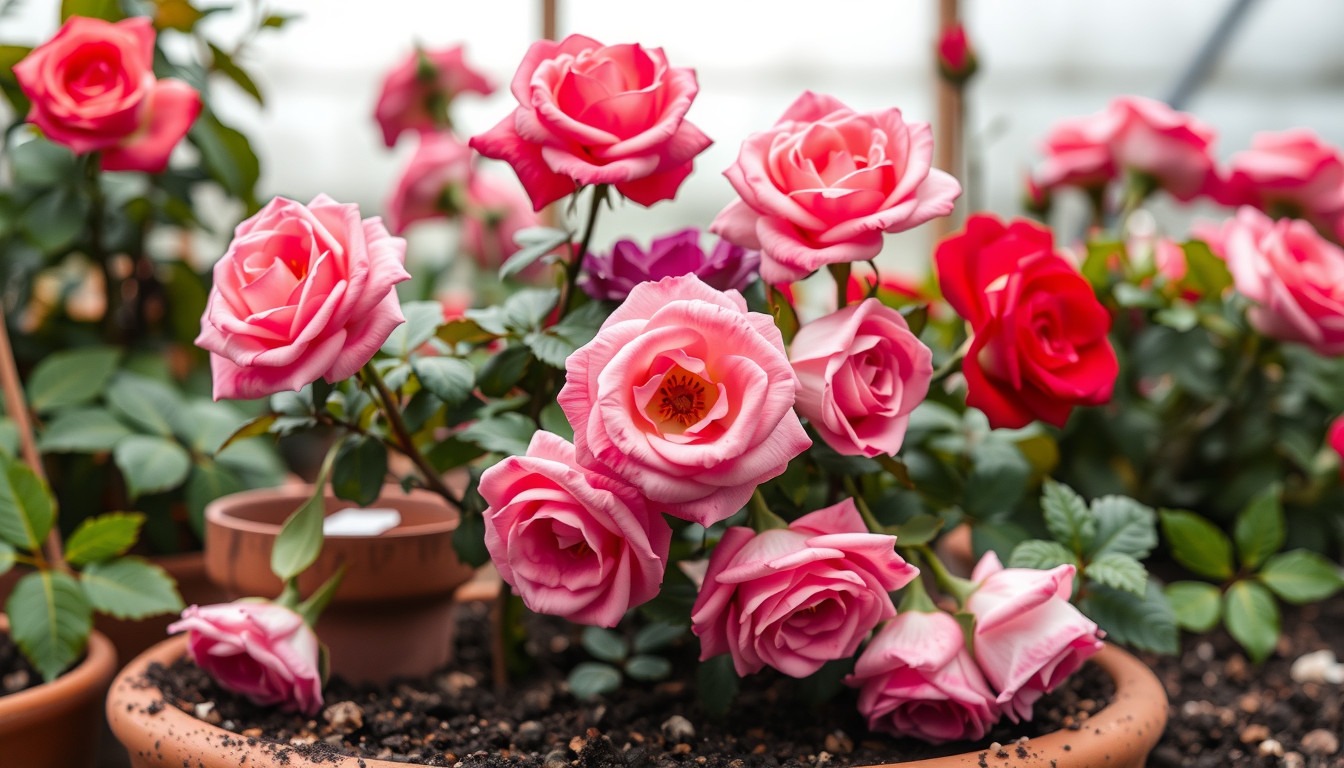
1. Best Soil Composition for Potted Roses
For thriving potted roses, use a well-draining soil mix that combines equal parts of loamy garden soil, organic compost, and coarse sand or perlite. This blend ensures roots receive enough oxygen while preventing waterlogging, which can cause root rot. Incorporating organic matter provides essential nutrients and improves moisture retention, reducing the need for frequent watering. It’s advisable to avoid heavy clay soils in pots, as they tend to retain too much water and hinder root growth.
2. Practical Fit
This soil approach suits gardeners who prefer a controlled environment, as it allows precise management of nutrients and moisture. Containers filled with this soil promote vigorous growth and rich flowering, especially when combined with regular fertilization and watering routines.
3. Key Details
The relationship between soil type and root health cannot be overstated. Properly aerated, nutrient-rich soil supports a flourishing root system, which is crucial for overall plant vitality and resilience. Regularly checking soil moisture levels helps avoid both drought stress and overwatering.
4. Limitations
While customized soil mixes improve growth, they require more attention and maintenance than simply using garden soil. Overly rich or poorly balanced mixes may encourage fungal diseases or pests. Additionally, as roses grow larger, their root systems need more space, so choosing a sufficiently large pot—at least 5 gallons—is necessary to sustain healthy growth. Larger containers demand heavier and more stable placement, especially in windy areas, and may involve higher initial costs.
Growing Roses In Pots Option 3
This method involves choosing a well-draining pot with sufficient volume to accommodate a mature rose’s root system, typically at least five gallons. Proper sunlight exposure is essential, as roses require a minimum of six hours of direct sunlight daily for optimal flowering and growth.
Disclosure: As an Amazon Associate I earn from qualifying purchases.
To ensure safe and comfortable handling of your roses, choosing the right gloves can be beneficial. Shop suitable garden gloves for rose gardening on Amazon (affiliate link).
1. Sunlight and Growing Conditions
Placing potted roses in a location with ample sunlight directly influences their flowering potential and overall vitality. If sunlight is limited, expect reduced blooms and a weaker plant. Conversely, too much intense afternoon sun in very hot climates may cause leaf scorch, so some afternoon shade can be beneficial in those cases.
2. Practical Fit | Key Details | Limitations
Growing roses in pots suits gardeners with limited space or those who prefer container gardening for mobility and control. It allows for easy repositioning to optimize sun exposure or protect from harsh weather. The soil must be rich in organic matter and well-draining to support healthy roots. Regular watering, along with balanced fertilizing, maintains growth vigor. However, larger pots are necessary for mature roses, which adds weight and cost. Be mindful that oversized containers demand sturdy placement and can be more difficult to move, especially in windy areas. Overly dense soil mixes or inadequate drainage can lead to root rot and pest issues, which are common pitfalls in potted rose cultivation.
Growing Roses In Pots Option 4
This method involves using large, sturdy containers filled with rich, well-draining soil to grow roses, offering flexibility and control over growing conditions. Proper watering practices are essential to keep the roots healthy and prevent issues like root rot, which is a common risk in potted rose cultivation.
1. Key points: practical fit | key details | limitations
Growing roses in pots works well for gardeners with limited space, as it allows easy repositioning of plants to maximize sunlight or avoid harsh weather conditions. Choosing a pot with sufficient size for mature roots is crucial; smaller containers may restrict growth and lead to stress. Regular watering is necessary—generally once to twice a week, depending on climate and pot size—and should involve thorough soaking to ensure the soil remains evenly moist. Fertilizing with a balanced, rose-specific formula promotes steady growth and flowering.
This approach requires larger, heavier pots for mature roses, which can be cumbersome to move and may demand sturdy placement. Overly dense soil or poor drainage can cause root rot, so it’s vital to use well-draining mixes and ensure proper drainage holes in the container. While this method offers excellent control over soil quality and watering, it comes with the limitation that bigger pots add weight and cost. In windy areas, sturdy placement becomes essential to prevent tipping or damage, especially as the plants grow larger.
Growing Roses In Pots Option 5
This approach emphasizes detailed fertilization management to support continuous flowering and vigorous growth in potted roses. It is especially suitable for gardeners who can commit to regular feeding and monitoring of their plants.
1. Key points: practical fit
Growing roses in pots with careful fertilization suits those with limited garden space or those who prefer container gardening. It allows precise control over soil nutrients, enabling better adaptation to the plant’s needs. Regular fertilization ensures healthy, long-lasting blooms and prevents nutrient deficiencies that can hamper growth.
2. Key details
Using a balanced, rose-specific fertilizer according to a set schedule—typically every 4 to 6 weeks during active growth—supports steady development. Liquid feeds are often preferred for quick absorption, while slow-release formulations reduce application frequency. Supporting continuous flowering depends on maintaining adequate nutrient levels, especially potassium and phosphorus, which promote blooms. Fertilization must be paired with consistent watering, thorough soil saturation, and proper pot drainage to prevent root rot. Larger pots provide room for roots to expand but add weight and expense. Since soil quality influences plant health, choosing well-draining mixes rich in organic matter is essential for avoiding issues associated with dense or poorly drained soil.
3. Limitations
While targeted fertilization enhances growth and flowering, excessive feeding can lead to overly lush, weak stems susceptible to pests and diseases. Maintaining a strict schedule requires ongoing attention and can be labor-intensive. Larger pots, although beneficial for root health, increase the difficulty of moving plants, especially in windy conditions. Over-fertilizing or neglecting drainage can cause root problems, making this method less suited for gardeners unwilling to monitor inputs closely or those with limited mobility. Ultimately, success depends on consistent care and understanding the specific nutritional needs of the rose variety in containers.
Growing Roses In Pots Option 6
This option focuses on selecting the right pot material for growing roses, which significantly influences moisture retention, temperature stability, and overall aesthetic appeal. Choosing an appropriate container enhances root health and plant vigor but requires balance to address limitations such as weight and drainage.
Maintaining consistent moisture levels for your roses can be made easier with a suitable watering tool. Shop suitable watering can for plants on Amazon (affiliate link).
1. Pot Material — Types of Containers Suitable for Roses
Plastic, ceramic, terracotta, and metal pots are common choices. Plastic containers are lightweight, retain moisture well, and are easy to handle, making them suitable for gardeners who move their plants frequently. Ceramic and terracotta pots are more porous, allowing excess moisture to escape, which helps prevent root rot in poorly drained soils but can lead to faster soil drying. Metal containers are durable and provide a sleek look but tend to heat up quickly in direct sunlight, which can stress the roots.
The type of material directly affects moisture retention and temperature regulation. For example, plastic pots keep soil moist longer but may lead to overly damp conditions if not monitored carefully. Terracotta, with its breathability, reduces excess moisture but requires more frequent watering. Metal pots can accelerate soil drying, necessitating more regular watering during hot weather.
2. Practical Fit, Key Details, and Limitations
Selecting the right pot material depends on climate, rose variety, and personal aesthetic preferences. Gardeners in hotter, sunnier regions might favor terracotta for its natural cooling properties, whereas those in cooler or shaded environments might lean toward plastic for moisture retention. However, heavier materials like ceramic and metal can complicate moving large pots, increasing labor and handling difficulty. Additionally, porous materials like terracotta may dry out more quickly, requiring more attentive watering routines.
While durable, some materials such as metal can cause rapid temperature fluctuations that stress roots. It’s crucial to consider these factors together with proper drainage solutions to prevent root diseases and ensure healthy growth.
Growing Roses In Pots Option 7
This method emphasizes the importance of proper pruning techniques and timing to promote healthy growth and abundant flowering in potted roses.
1. Pruning Techniques and Timing
Regular pruning encourages new growth, shapes the plant, and removes dead or overcrowded stems. For potted roses, it is best to prune in early spring just as new buds begin to swell. This ensures the plant channels energy into developing strong wood and flowering buds. Use clean, sharp scissors or pruning shears to cut just above outward-facing buds, which directs growth away from the center for better air circulation. Avoid heavy pruning during the growing season, as this can stress the plant and reduce flowering.
Proper timing and technique serve to maintain the plant’s vitality and readiness for flowering, making pruning a vital part of growing roses in pots.
2. Why It Belongs in the List
This method directly impacts the health and flowering potential of potted roses by managing growth through pruning. It is an active, cost-effective way to keep roses vigorous in limited container space and can prevent common problems like disease and legginess.
3. Who It Suits
This approach benefits gardeners who want to maximize flowering and health in smaller or mobile gardens, especially those comfortable with seasonal maintenance routines. It is suitable for both beginners and experienced growers looking to refine their plant care.
4. Practical Detail and Limitation
Consistent pruning requires attentive timing and technique. Over-pruning can weaken the plant, reduce flowering, or leave it vulnerable to stress and pests. Additionally, pruning should be balanced with watering and fertilizing to support recovery and growth, especially in containers where nutrients deplete faster than in-ground gardens.
Growing Roses In Pots Option 8
Proper pest management helps prevent damage and disease in container-grown roses. Regularly inspecting roses for common pests and applying control methods can keep the plants healthy and vibrant, especially in confined spaces where infestations can spread quickly.
1. Key points: practical fit | key details | limitations
This approach suits gardeners who want to maintain healthy, flowering roses without extensive chemical use. It works well for those growing roses in limited spaces like balconies or patios, where quick action is necessary to prevent pests from spreading to nearby plants.
Common pests that affect roses in containers include aphids, spider mites, and scale insects. These pests can weaken the plant, cause deformities, and open pathways for disease. Control methods range from frequent manual removal and applying insecticidal soaps to introducing natural predators like ladybugs. Maintaining good airflow around the pots and keeping plants healthy through proper watering and fertilizing also reduces pest susceptibility.
However, this strategy has dos and don’ts. Overuse of pesticides can damage beneficial insects and lead to resistance, so preventive measures like pest inspection and removal are preferred. Additionally, pest control methods can be less effective during adverse weather conditions or in shaded, humid spots where pests thrive and natural predators may be scarce. Regular monitoring is essential for success, especially in small or mobile gardens where pests can rapidly cause damage.
Growing Roses In Pots Option 9
This method involves selecting the appropriate pot size to promote healthy growth and development of potted roses. The container’s size directly influences root expansion, water retention, and overall plant vigor, making it a crucial consideration for successful growing in limited spaces.
Selecting the right soil is crucial for healthy rose growth in containers. Shop suitable potting soil for roses on Amazon (affiliate link).
1. Pot Size — Recommended for Growing Roses in Pots
Choosing the right pot size stems from understanding the relationship between container volume and plant health. Generally, a minimum of 18 to 24 inches in diameter and depth is advised for mature roses, providing ample space for roots to establish and access nutrients. Larger pots not only support vigorous growth but also help maintain consistent moisture levels, reducing the risk of stress or drought conditions.
2. Practical Fit, Key Details, and Limitations
This option suits gardeners with limited space or those who prefer mobility, such as balcony or patio growers. Using appropriately sized pots can make maintenance easier and allow for repositioning to improve sunlight exposure. However, larger pots require more soil, which increases weight and cost, and they may need more frequent watering due to increased soil volume. Small or too shallow containers restrict root growth and can lead to root-bound conditions, weakening the plant and diminishing blooms. Ultimately, selecting a pot that balances size, weight, and ease of handling is essential for sustainable growth, but overpotting can waste resources and complicate care. Regular monitoring remains vital to prevent issues like waterlogging or nutrient deficiencies, especially in less-than-ideal growing environments.
}#}**
Growing Roses In Pots Option 10
Choosing the right soil composition is crucial for the success of growing roses in pots. The soil determines root health, influences water retention, and impacts nutrient availability, all vital factors for vibrant rose blooms.
1. Best Soil Composition for Potted Roses
A well-draining, nutrient-rich soil mix supports healthy root development and overall plant vigor. A common formulation combines high-quality potting soil with organic matter such as compost or aged manure, along with coarse sand or perlite to enhance drainage. This mixture prevents waterlogged roots, which can cause rot, while providing enough nutrients to sustain growth. The relationship between soil type and root health is direct: proper soil composition ensures roots can spread freely and access necessary nutrients without suffocation or excessive moisture retention.
2. Practical Fit, Limitations, and Considerations
This soil approach fits well for gardeners interested in container growing who prioritize ease of maintenance and control over soil quality. It suits those with limited garden space or those who prefer movable plants to optimize sunlight exposure. However, creating the ideal soil mix requires attention to ingredients and proportions, which can take time and resources. Additionally, overly rich or poorly balanced soil may encourage excessive vigor at the expense of flowering, while insufficient drainage can lead to root diseases. Regular soil monitoring and amendments are necessary to sustain healthy growth, especially in pots that dry out faster than garden beds.
Growing Roses In Pots Option 11
This method involves carefully selecting and managing the soil mixture to optimize growing conditions for roses in containers. It emphasizes the importance of soil quality, drainage, and regular adjustments to sustain healthy growth and vibrant flowering.
Feeding your roses with an appropriate fertilizer can support vibrant blossoms. Shop suitable fertilizer for flowering plants on Amazon (affiliate link).
1. Key points: practical fit | key details | limitations
This approach suits gardeners who want full control over soil conditions, especially in small gardens or balconies. It is ideal for those willing to invest time in preparing and maintaining the soil, ensuring it provides adequate nutrients while draining well to prevent root rot. Using a well-balanced, nutrient-rich soil mix enhances rose vigor and flowering potential.
However, creating and maintaining the right soil mixture requires understanding the ingredients and proportions, which can be time-consuming and resource-intensive. Poorly balanced soil can lead to excessive plant growth at the expense of blooms or promote root diseases if drainage is inadequate. Regular monitoring and soil amendments are necessary, as potted soil dries out faster than garden beds, demanding more frequent watering and nutrition adjustments. This method is limited by the need for ongoing maintenance and the potential for soil imbalance over time.
Frequently Asked Questions
1. How often should I water my potted roses?
Water potted roses when the top inch of soil feels dry, typically every 2-3 days in warm weather. Adjust frequency based on temperature, humidity, and pot size.
2. What fertilization schedule do container roses need?
Feed roses with a balanced, slow-release fertilizer every 4-6 weeks during the growing season, supplementing with liquid feed during peak bloom times for optimal results.
3. Which rose varieties are best for pots?
Miniature, patio, and dwarf rose varieties are best for containers, as they maintain compact growth and bloom well in smaller spaces without overwhelming the pot.
4. How do I protect roses during winter?
In colder climates, move potted roses indoors or to a sheltered location, or insulate the pots with burlap or straw to shield roots from freezing temperatures.
5. What are the most common pests attacking container roses?
Common pests include aphids, spider mites, and Japanese beetles; regularly inspect plants and use targeted organic controls or insecticidal soap when necessary.
6. How should I prune roses in containers?
Prune in early spring, removing dead or crossing branches, and shape the plant to encourage airflow and new growth, which promotes more flowers in the season.
7. Can I grow roses in small pots or only large ones?
Small pots are suitable for miniature or dwarf roses, but larger containers—at least 5 gallons—are recommended for full-sized varieties to support healthy root development and flowering.