
If you rely on well water for your drinking supply, ensuring its cleanliness and safety is crucial. This guide provides essential steps to test, treat, and maintain your well water, protecting your health and that of your family.
Table of Contents
Understanding the Importance of Well Water Safety
When you rely on well water, keeping it clean and safe is a big deal. The quality of your water directly affects your health. Let’s dive into why maintaining well water safety is essential.
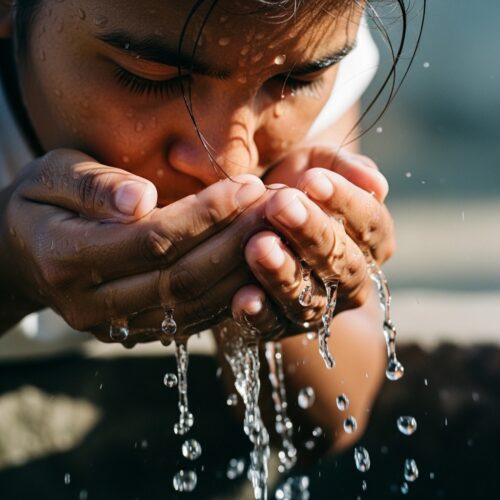
The Health Risks of Contaminated Well Water
Well water can contain various contaminants. These include bacteria, viruses, nitrates, and even heavy metals like arsenic. Drinking contaminated water can lead to serious health issues.
Did you know that nearly 15% of private wells in the U.S. test positive for E. coli? That’s a statistic worth paying attention to. Contaminated water can cause gastrointestinal illnesses and other health problems. Protecting your family starts with understanding these risks.
Why Regular Maintenance is Essential
Regular maintenance of your well is crucial to ensure clean water. Here’s a quick checklist to help you stay on top of it:
- Test your water at least once a year for bacteria and nitrates.
- Inspect the well for any visible damage or leaks.
- Monitor changes in taste or smell. Unusual changes can indicate contamination.
- Be aware of local agricultural activities. Pesticides and fertilizers can seep into the groundwater.
Taking these steps can prevent contamination before it becomes a problem. Remember, your well water is your responsibility. Stay vigilant!
Common Contaminants Found in Well Water
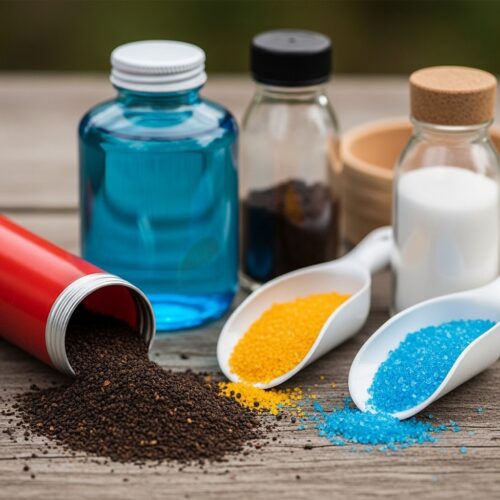
Well water can be a hidden treasure, but it can also harbor some nasty surprises. Understanding the common contaminants is key to keeping your water clean and safe. Let’s dive into what you might find lurking in your well.
Bacterial Contaminants: A Hidden Danger
Bacteria can sneak into your well water and cause serious health risks. The most common culprits are:
- E. coli: Often linked to livestock or human waste, this bacteria can cause severe gastrointestinal issues.
- Salmonella: Sometimes found in water contaminated with animal droppings, it can lead to fever, diarrhea, and stomach cramps.
- Coliforms: These bacteria indicate the presence of other harmful pathogens. Their presence is a red flag for water safety.
To protect your family, test your water for bacteria at least once a year. If you notice a change in taste, smell, or color, test it immediately.
Chemical Contaminants: Sources and Effects
Chemicals can seep into your well water from various sources, posing significant health risks. Here are some common offenders:
- Nitrates: Often from fertilizers, they can cause “blue baby syndrome” in infants, affecting oxygen levels in the blood.
- Pesticides: Agricultural runoff can introduce harmful chemicals into your water supply, leading to various health concerns.
- Heavy Metals: Lead, arsenic, and mercury can contaminate well water through old pipes or natural sources. These metals can cause long-term health issues, including developmental problems in children.
Be aware of local farming practices. If you live near agricultural areas, consider more frequent testing for these chemicals.
Real-World Example of Contamination
Imagine a small rural community where residents rely on well water. Nearby farms use fertilizers heavily, especially during growing season. Tests reveal elevated nitrate levels in several wells. Health officials alert the community and recommend boiling water until further treatment can be done.
In this case, understanding the connection between local agriculture and water safety was crucial. It highlights why regular testing and awareness of surrounding activities are so important.
Stay on top of your well water safety by knowing what to test for and how contaminants can enter your supply.
How to Test Your Well Water Effectively
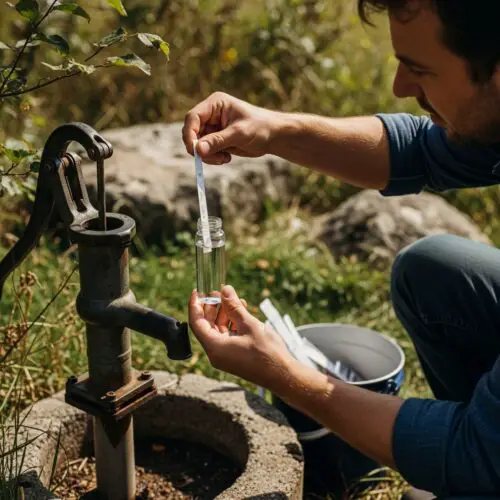
Testing your well water is essential for ensuring it’s safe to drink. Regular checks can keep your family healthy and alert you to any potential issues. Here’s how to get started.
Recommended Testing Frequency
Testing your well water isn’t a one-time thing. Here’s a quick guide on when to test:
- At least once a year: Check for bacteria and nitrates.
- Every 3-5 years: A comprehensive test for a wider range of contaminants.
- After any significant weather event: Heavy rains or floods can introduce new contaminants.
- If you notice changes: Changes in smell, taste, or color? Test it right away.
Finding Certified Labs for Testing
To ensure accurate results, use certified labs. Here’s how to find one:
1. Check with local health departments: They often maintain lists of certified labs.
2. Look for EPA-certified labs: These labs meet national standards for testing.
3. Ask your neighbors: They might have recommendations from their own experiences.
Checklist for Finding a Lab:
- Confirm the lab’s certification status.
- Make sure they test for the contaminants you’re concerned about.
- Call the lab to ask about their testing procedures and turnaround times.
Decision Tree for Testing
Here’s a simple decision tree to help you decide when and how to test your well water:
1. Notice a change in water quality?
- Yes: Test immediately.
- No: Go to step 2.
2. Is it time for your annual test?
- Yes: Schedule a test.
- No: Go to step 3.
3. Has it been 3-5 years since your last comprehensive test?
- Yes: Schedule a comprehensive test.
- No: Monitor your water quality and test again next year.
By following these steps, you can stay on top of your well water safety. Regular testing is the best way to ensure that your drinking water remains clean and safe for your family.
Treatment Methods for Contaminated Well Water
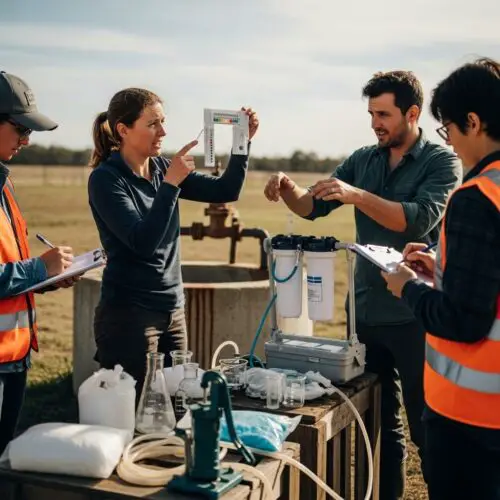
When it comes to purifying well water, you have options. Each method tackles specific contaminants, making it essential to choose wisely. Let’s dive into some popular treatment methods.
Filtration vs. Disinfection: Which Method is Right for You?
Filtration removes particles and some contaminants from water. It’s great for sediment, chlorine, and some heavy metals. Here are some common filtration methods:
- Activated Carbon Filters: Excellent for removing chlorine, taste, and odor.
- Reverse Osmosis: Effective against a wide range of contaminants, including heavy metals and nitrates.
- Sediment Filters: Captures larger particles, protecting your plumbing.
Disinfection, on the other hand, kills bacteria, viruses, and other pathogens. Here are a few methods:
- Chlorination: A common method that introduces chlorine to disinfect water. It’s often used after shock treatments.
- Ultraviolet (UV) Light: Kills microorganisms without chemicals. It’s a great option if you want to avoid chemical residues.
- Ozonation: Uses ozone gas to disinfect. It’s highly effective but requires specialized equipment.
Understanding Distillation and Its Benefits
Distillation is another effective method. It works by boiling water and then collecting the steam. This process leaves contaminants behind. Here’s why distillation can be beneficial:
- Removes Heavy Metals: It effectively separates heavy metals, like lead and arsenic.
- Eliminates Microorganisms: Boiling kills bacteria and viruses, making your water safe.
- Improves Taste: Distillation can enhance the overall taste of your water.
Comparison of Treatment Methods
Here’s a quick comparison of the main treatment methods:
| Method | Best For | Limitations |
|---|---|---|
| Activated Carbon | Chlorine, taste, odor | Not effective against all contaminants |
| Reverse Osmosis | Heavy metals, nitrates | Slower process, requires storage tank |
| Chlorination | Bacteria, viruses | Chemical taste, potential byproducts |
| UV Light | Microorganisms | Requires power, no residual effect |
| Distillation | Heavy metals, microorganisms | Slower process, energy-intensive |
When selecting a method, consider the specific contaminants in your well water. Regular testing can guide you in making the best choice.
Common Mistakes in Well Water Treatment
When it comes to keeping your well water safe, small mistakes can lead to big problems. Here are some common pitfalls and how to sidestep them.
Neglecting Regular Testing and Maintenance
One of the biggest blunders is skipping regular water testing. Your well water can change over time. Contaminants can seep in, and you might not even know it. Regular testing helps catch these issues early.
Checklist for Regular Testing:
- Test for bacteria at least once a year.
- Check for nitrates and other chemicals every 3-5 years.
- Monitor for heavy metals if you suspect contamination.
Don’t just test once and forget about it. Make it a routine!
Relying Solely on Boiling Water
Boiling water is a good short-term solution, especially if you suspect contamination. But it’s not a fix-all. Boiling doesn’t remove chemicals or heavy metals. It only kills germs.
When to Boil Water:
- After a flood or natural disaster.
- If your water tests positive for bacteria.
Remember: Always follow up with proper testing and treatment methods. Boiling is just a temporary band-aid.
Common Mistakes to Avoid
Here’s a quick list of dos and don’ts for treating your well water:
Dos:
- Do test regularly. Keep track of your water quality over time.
- Do consult a professional. If you’re unsure about treatment options, seek expert advice.
- Do follow manufacturer instructions. For any treatment systems you install.
Don’ts:
- Don’t skip treatments. If your water tests positive for contaminants, act quickly.
- Don’t assume all filters are the same. Different filters address different issues. Choose wisely!
- Don’t ignore signs of contamination. Unusual taste, odor, or color can be red flags.
Avoiding these common mistakes can keep your well water clean and safe for your family. It’s all about staying informed and proactive!
Emergency Measures: What to Do if Your Well Water is Contaminated
If you suspect that your well water might be contaminated, it’s important to act quickly. Contaminated water can pose serious health risks. Here’s what you need to do right away.
Boiling Water: When It’s Necessary
Boiling water is a simple and effective way to kill pathogens. Here are the steps to follow:
1. Boil Water for at Least One Minute: Bring water to a rolling boil and let it boil for at least one minute. If you’re at higher altitudes (over 6,500 feet), boil for three minutes.
2. Let it Cool: After boiling, allow the water to cool down before using it.
3. Store in Clean Containers: Use clean, sanitized containers to store boiled water. Avoid reusing old containers that may harbor bacteria.
Remember: Boiling does not remove chemicals or heavy metals. If you suspect chemical contamination, do not use boiling as a treatment.
Alternative Water Sources During Contamination
While your well water is being tested or treated, you may need an alternative water source. Here are some options:
- Bottled Water: Purchase bottled water from a store. Look for brands that specifically label their water as filtered or purified.
- Neighbor’s Well Water: If you have a neighbor with a tested and safe well, ask if you can use their water temporarily.
- Public Water Sources: In emergencies, use public water sources, such as community water supplies, if available.
Quick Checklist for Emergency Measures
- Suspect Contamination? Check for unusual taste, odor, or color.
- Boil water for drinking and cooking.
- Use bottled water if available.
- Avoid using well water for bathing, brushing teeth, or washing dishes until tested safe.
By following these steps, you can minimize risks and ensure your family stays safe while dealing with well water contamination.
Frequently Asked Questions
These quick answers cover the most common questions about this topic, including key details, practical tips, and common concerns.
What are the most common contaminants found in well water?
Well water can contain bacteria like E. coli, Salmonella, and coliforms, which pose health risks. Chemical contaminants such as nitrates, pesticides, and heavy metals like arsenic, lead, and mercury are also common. These pollutants often originate from natural sources, agricultural runoff, or aging infrastructure. Regular testing helps identify these hazards before they impact health.
How often should I test my well water?
It’s recommended to test your well water at least once a year for bacteria and nitrates. For other contaminants like heavy metals or chemicals, testing every 3 to 5 years is advisable. After weather events like floods or heavy rains, testing immediately is crucial, as these can introduce new contaminants.
What should I do if my well water tests positive for contaminants?
If your tests detect bacteria, chemicals, or heavy metals, take prompt action. Disinfect the well with chlorination if bacteria are present. For chemical or heavy metal contamination, consider installing specialized treatment systems like reverse osmosis or activated carbon filters. Always consult a water treatment professional for guidance.
Are there specific treatment systems for different contaminants?
Yes, treatment systems are designed for particular pollutants. For bacteria, UV disinfection or chlorination works well. Heavy metals are often removed with reverse osmosis or activated carbon filters. Nitrates can be reduced with ion exchange systems. Matching the treatment method to the contaminant ensures effective purification.
Can I rely on boiling water to make it safe to drink?
Boiling water effectively kills bacteria and viruses but does not remove chemicals, heavy metals, or pesticides. It’s a good emergency measure if microbial contamination is suspected. However, for chemical or metal contamination, specialized filtration or treatment is necessary for safe drinking water.
How do I find a certified lab for testing my well water?
Contact your local health department or environmental agency for a list of certified laboratories. Look for EPA-certified labs or those accredited by recognized standards. Ensure the lab tests for the specific contaminants you’re concerned about and ask about their procedures and turnaround times.
What are the signs of well water contamination?
Signs include changes in taste, odor, or color of the water, which may indicate chemical or biological contamination. Unusual stains, sediment, or cloudiness can also be warning signs. Regular testing is essential, as many contaminants are odorless and invisible.
What are the long-term health effects of drinking contaminated well water?
Long-term exposure to contaminants like heavy metals can cause developmental issues, organ damage, or increased cancer risk. Bacterial contamination can lead to gastrointestinal illnesses and infections. Regular testing and proper treatment are vital to prevent these health risks.