
Tropical gardening is vibrant and lush, but it also comes with its share of challenges, particularly pests. Understanding how to effectively manage these pests using chemical control methods is crucial for a thriving garden. For more information on managing these issues, check out Top Chemical Solutions for Tropical Plant Diseases.
Table of Contents
Understanding Chemical Pest Control in Tropical Gardening
What is Chemical Pest Control?
Chemical pest control involves the use of synthetic or natural chemical substances to manage harmful organisms that threaten plants in our gardens. These chemicals can target insects, weeds, fungi, and other pests that can wreak havoc on our tropical plants. I remember the first time I faced a pest problem in my garden; it was overwhelming trying to figure out what to do. Learning about chemical pest control transformed my approach and helped me protect my beloved plants effectively. For those interested in specific treatments, Effective Chemical Treatments for Tropical Plant Pests is a great resource.
Importance of Pest Control in Tropical Gardens
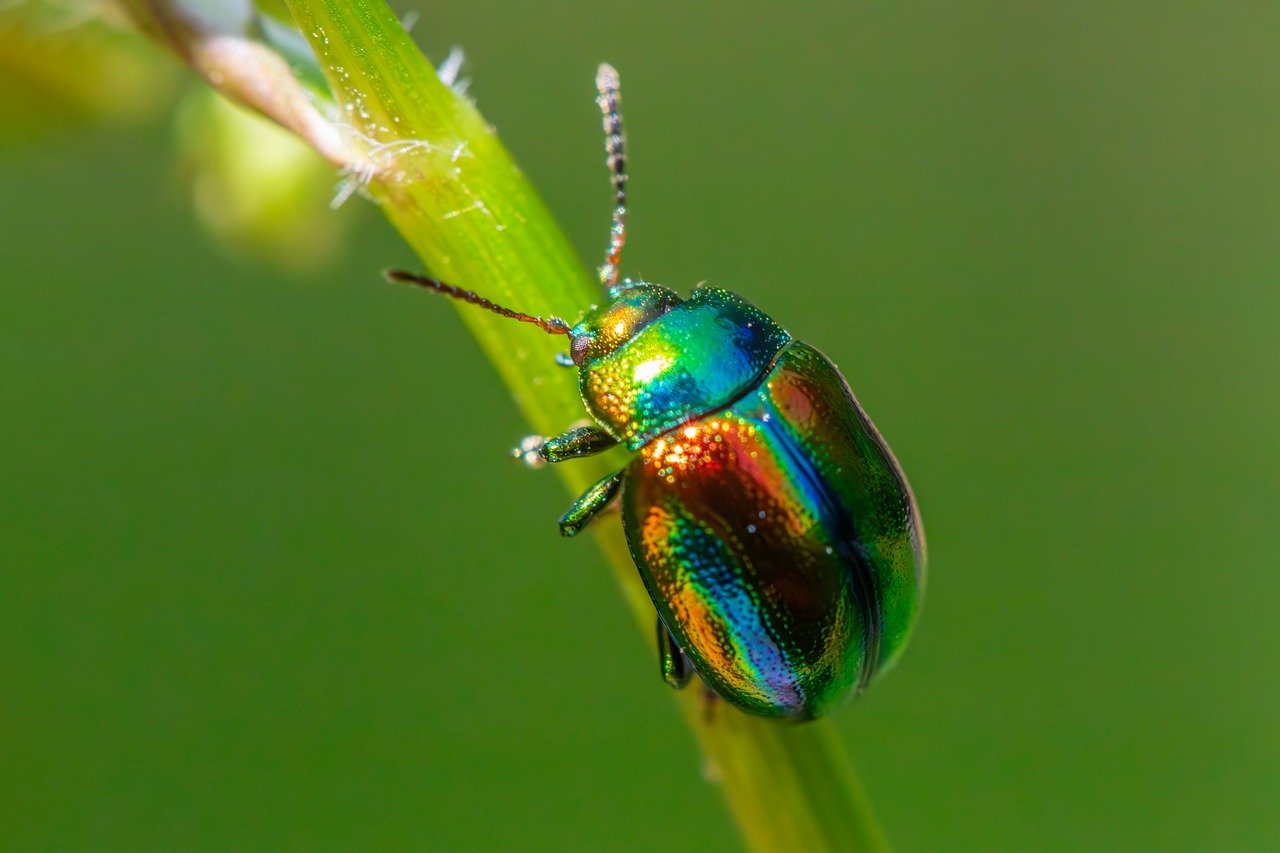
In tropical gardens, pest control is not just important; it’s essential. The warm, humid climate is a paradise for many pests, which can multiply quickly if not managed. I’ve seen firsthand how a small pest problem can escalate into a larger infestation, ruining the harvest of fruits and vegetables. Effective pest control helps ensure healthy plant growth, increases yield, and protects the overall ecosystem of the garden. By controlling pests, we can also prevent the spread of diseases, allowing our gardens to flourish. For more tips on preventing pests, see Essential Tips for Preventing Pests in Tropical Gardens.
Common Pests in Tropical Gardens
There are a variety of pests that commonly invade tropical gardens. Some of the most notorious include:
- Aphids: These tiny insects suck the sap from plants, weakening them and potentially transmitting diseases.
- Whiteflies: Similar to aphids, they can cause significant damage to leaves and spread viruses.
- Leafhoppers: Known for their jumping ability, these pests can also transmit diseases while feeding on plant sap.
- Caterpillars: The larvae of butterflies and moths can be very destructive, munching on leaves and fruit.
- Mealybugs: These pests create a cottony substance on plants and can severely affect their health.
Understanding the pests that threaten our gardens is the first step toward effective control. I’ve learned that identifying the pest correctly can make a huge difference in choosing the right treatment.
Types of Chemical Pesticides
Insecticides
Insecticides are designed to target insects. They can be classified further into contact insecticides, which kill pests upon contact, and systemic insecticides, which are absorbed by plants and poison insects that feed on them. I often recommend starting with less toxic options before moving to stronger chemicals, as sometimes a simple soap solution can do the trick!
Herbicides
Herbicides control unwanted plants or weeds that compete with your garden plants for nutrients and sunlight. There are selective herbicides that target specific types of plants and non-selective herbicides that kill any plant they touch. I once used a selective herbicide and was amazed at how quickly it cleared out the weeds without harming my flowers.
Fungicides
Fungicides help combat fungal diseases that thrive in the humid conditions of tropical gardens. From powdery mildew to root rot, these chemicals can prevent infections or stop them in their tracks. I’ve found that applying fungicides preventatively during the wet season has saved many of my plants from potential fungal issues.
Rodenticides
Rodenticides are used to control rodents that can damage plants and spread diseases. However, using them requires careful consideration, especially in gardens with pets or wildlife. I’ve learned the hard way that a baiting strategy must be thoughtfully executed to avoid harming non-target animals.
Understanding these different types of chemical pesticides can empower us to make informed decisions in managing our tropical gardens. I often feel that education is key; the more we know about what’s in our garden arsenal, the better we can protect our plants while promoting a healthy ecosystem. Remembering to balance chemical use with other methods can lead to a more sustainable gardening experience.
Choosing the Right Chemical Pesticide
Identifying Pest Problems
Before I even think about reaching for a pesticide, I always start with identifying the pest problems in my garden. This step is crucial because not all pests require the same treatment. I’ve learned that observing my plants closely can reveal a lot. For example, yellowing leaves might indicate aphids or spider mites, while chewed edges could signal caterpillars. I often take a moment to inspect the undersides of leaves and around the stems, as many pests love to hide there. By knowing what I’m dealing with, I can choose a chemical pesticide that targets the specific pest and minimizes harm to beneficial insects.
Factors to Consider When Choosing Pesticides
When choosing a chemical pesticide, there are several factors I consider. First, I think about the type of pest I’m dealing with. Some chemicals are designed specifically for certain insects or diseases, so it’s important to match the pesticide to the problem. Then, I look at the impact on beneficial insects, like bees and ladybugs. I really prefer using pesticides that are less harmful to these helpful creatures. Additionally, I consider the stage of my plants; young seedlings may be more sensitive to chemicals than established plants. Lastly, I always check for the environmental impact. I love my garden and want to ensure that I’m not harming the surrounding ecosystem.
Understanding Pesticide Labels and Safety Guidelines
Pesticide labels are not just a bunch of legal jargon—they contain vital information that every gardener should understand. I remember when I first started gardening; I was intimidated by the labels, but I soon realized they are my best friend. They provide details on how to apply the pesticide, the recommended dosage, and any safety precautions I need to take. I always make sure to read the label thoroughly before using any pesticide. It’s essential to follow all instructions, as improper use can lead to ineffective pest control or, worse, harm to my plants and the environment. I also take note of re-entry intervals, which tell me how long to wait before re-entering the area after application. This is crucial for ensuring my safety and the safety of anyone else who might be in the garden.
Application Methods for Chemical Pesticides
Spraying Techniques
When it comes to applying pesticides, I’ve found that spraying is one of the most common methods. I usually opt for a sprayer that allows me to control the flow and coverage. It’s all about getting the right amount on the target area without oversaturating. I learned the hard way that applying too much can cause damage to the plants or create a mess in my garden. I prefer to spray in the early morning or late afternoon when temperatures are cooler, which helps minimize evaporation and ensures the pesticide sticks effectively to the plants.
Soil Application
Soil application is another method that I’ve experimented with, especially for certain herbicides and fungicides. This technique involves applying the pesticide directly to the soil, where it can be absorbed by the roots of the plants. I find this method particularly useful for controlling root diseases and some pests that burrow into the soil. However, I always ensure that the product is safe for my plants before using it this way, as some chemicals can be harmful to the roots.
Granular vs. Liquid Pesticides
Deciding between granular and liquid pesticides can also impact my pest control strategy. Granular pesticides are often easier to apply and can provide a slow-release effect, which is beneficial for long-term control. I remember trying granular bait for ants and was surprised at how effective it was. On the other hand, liquid pesticides usually work faster and can cover a larger area more effectively. I juggle between the two types depending on the pest problem. If I need a quick solution, liquid is my go-to, but for ongoing issues, granular formulations have served me well.
Timing and Frequency of Application
Best Times to Apply Pesticides in Tropical Climates
Timing is everything in gardening, especially when it comes to applying pesticides. From my experience, the best times to apply pesticides in tropical climates are early in the morning or late in the afternoon. This is when the temperatures are cooler, and the wind is usually calmer. I’ve found that applying during these times helps to avoid evaporation, ensuring that the chemicals stay on the plants longer and work effectively. Additionally, I try to avoid applying pesticides when it’s raining or if rain is forecasted shortly after, as this can wash away the treatment.
Frequency of Application Based on Pest Life Cycle
Understanding the life cycle of pests has changed the way I approach pesticide application. Some pests, like aphids, reproduce quickly, so I often need to apply treatments more frequently to keep them in check. I’ve learned that timing my applications to coincide with the vulnerable stages of the pest life cycle can make a huge difference. For instance, targeting newly hatched caterpillars with a pesticide can effectively reduce their populations before they cause significant damage. I like to keep a garden journal where I note when I see pests and when I apply treatments, which helps me track effectiveness and adjust my strategy accordingly.
Safety Precautions for Chemical Pest Control
Protective Gear and Equipment
Whenever I’m preparing to use chemical pesticides, I make it a point to gear up properly. I’ve learned from experience that wearing protective gear is crucial, not just for my safety, but also for the health of my garden. I typically wear gloves, long sleeves, and a mask to minimize my exposure to any harmful chemicals. It might feel a bit cumbersome at times, but I remind myself that it’s worth it to protect myself. A good pair of eye goggles is also essential, especially when spraying, as the mist can easily drift and cause irritation. Investing in proper equipment has made me feel more confident when tackling pest problems, knowing that I’m taking precautions to stay safe.
Environmental Considerations
I’m always aware of the impact that chemical pesticides can have on the environment. Tropical ecosystems are delicate, and I want to do my part in preserving them. I’m careful to apply pesticides only when absolutely necessary and try to select products that have minimal environmental impact. For example, I often research whether a pesticide is biodegradable or if it poses a risk to beneficial insects or nearby wildlife. I’ve found that applying pesticides with an eye toward the surrounding ecosystem not only helps maintain biodiversity in my garden but also reduces the likelihood of harming pollinators like bees, which are crucial for the health of my plants.
Health Risks and Emergency Procedures
Another key aspect of using chemical pest control is understanding the health risks involved. I take the time to read the labels carefully for information on toxicity and the necessary first-aid procedures in case of accidental exposure. I remember a time when I accidentally spilled a little pesticide on my skin. I quickly washed it off and followed the emergency instructions, but it made me realize how important it is to have a plan in place. I keep a bottle of soap and a garden hose nearby when I’m spraying, just in case. Additionally, I make sure to have the contact information for poison control readily available in case of an emergency. Being prepared has made me feel much more secure about working with these chemicals.
Integrating Chemical Pest Control with Other Methods
Biological Control Methods
While I can’t deny the effectiveness of chemical pest control, I’ve discovered that integrating biological control methods can lead to a healthier garden. For instance, I often introduce beneficial insects like ladybugs and lacewings, which help keep aphid populations in check. I’ve seen them work their magic firsthand, and it’s quite satisfying to watch nature play its role. Whenever I can, I try to use these natural allies to reduce my reliance on chemicals. It creates a more balanced ecosystem in my garden and often leads to more sustainable pest management in the long run.
Cultural Practices for Pest Prevention
Adopting certain cultural practices has also helped me veer away from excessive chemical use. Crop rotation, for example, is one of those practices I started implementing. By changing the locations of my plants, I can break the life cycles of pests and diseases that thrive in specific crops. I also try to maintain healthy soil by adding compost and organic matter, which strengthens my plants and makes them more resilient against pests. I find that these cultural methods not only improve my garden’s health but often reduce the need for chemical interventions.
Using Chemical Control Responsibly
Using chemical pest control responsibly is a commitment I take seriously. I focus on treating only the affected areas rather than blanket spraying, which helps minimize the impact on non-target organisms. I’ve learned to be patient and observe my garden closely before deciding on a course of action. There are times when nature can take its course, and I’ve found that letting some pests thrive can actually be beneficial for attracting predators. In my opinion, being judicious with chemicals not only protects my plants but also helps maintain a vibrant garden ecosystem.
Regulations and Best Practices in Chemical Pest Control
Understanding Local Regulations
As I’ve delved deeper into tropical gardening, I’ve realized the importance of understanding local regulations regarding pesticide use. Each region has its own guidelines, and I make it a priority to stay informed. This means checking with local agricultural extensions or garden centers to ensure that I’m using legal and safe products. I once encountered a situation where a popular pesticide was banned due to environmental concerns, and I was grateful to have been aware of the changes. Staying updated not only helps me comply with the law but also protects my garden’s health and the surrounding environment.
Best Practices for Sustainable Pest Management
In my journey as a gardener, I’ve come to appreciate the necessity of best practices for sustainable pest management. This includes rotating my chemical pesticides to prevent resistance development in pests. I also strive to keep records of what I use and when, allowing me to monitor any changes in pest populations and adjust my approach accordingly. It’s all about finding a balance between effective pest control and maintaining a healthy garden environment. By following best practices, I feel more confident that I’m doing right by my plants and the ecosystem they belong to.
Resources for Tropical Gardeners
Recommended Products and Brands
Finding the right products can be daunting, so I often turn to recommendations from fellow gardeners, local gardening clubs, or online forums. Some of my favorite brands are known for their environmentally friendly approaches. I find that using products with natural ingredients not only works well but gives me peace of mind knowing they’re less harmful to beneficial creatures. It’s worth doing some research to find the best options available to us tropical gardeners.
Further Reading and Educational Resources
There’s always something new to learn in gardening, and I’ve found that reading books and articles can really expand my knowledge. I often browse local libraries or online platforms for resources specifically tailored to tropical gardening. There are a few dedicated websites and blogs that share invaluable tips and experiences, and I love following them for fresh ideas and insights.
Local Extension Services and Support
Utilizing local extension services has been a game changer for me. They offer advice and support that’s specific to our climate and soil conditions. I’ve attended workshops and events where I’ve met other gardeners, exchanged tips, and built a community. Having that local support network not only boosts my confidence but enriches my gardening experience.
Frequently Asked Questions
What is chemical pest control?
Chemical pest control involves the use of synthetic or natural chemical substances to manage harmful organisms that threaten plants in gardens. These chemicals target insects, weeds, fungi, and other pests that can damage tropical plants.
Why is pest control essential in tropical gardens?
Pest control is essential in tropical gardens due to the warm, humid climate that supports rapid pest multiplication. Effective pest control helps ensure healthy plant growth, increases yield, and protects the ecosystem, preventing the spread of diseases.
What are some common pests found in tropical gardens?
Common pests in tropical gardens include aphids, whiteflies, leafhoppers, caterpillars, and mealybugs. Identifying these pests is the first step toward effective pest control.
What types of chemical pesticides are available?
The main types of chemical pesticides include insecticides, herbicides, fungicides, and rodenticides. Each type is designed to target specific pests or issues within the garden.
How can I choose the right chemical pesticide for my garden?
Choosing the right chemical pesticide involves identifying the pest problems in your garden, considering the impact on beneficial insects, the stage of plant growth, and the environmental impact of the pesticide.
What safety precautions should I take when using chemical pesticides?
When using chemical pesticides, it’s important to wear protective gear, such as gloves, long sleeves, and a mask, to minimize exposure. Additionally, understanding the health risks and having emergency procedures in place is crucial.
What are the best times to apply pesticides in tropical climates?
The best times to apply pesticides in tropical climates are early in the morning or late in the afternoon when temperatures are cooler and wind is calmer to minimize evaporation and ensure effective application.
How can I integrate chemical pest control with other methods?
Integrating chemical pest control with biological control methods, such as introducing beneficial insects, and adopting cultural practices like crop rotation can lead to a healthier and more sustainable garden ecosystem.
What are some regulations to consider when using pesticides?
It’s important to understand local regulations regarding pesticide use, as each region has its own guidelines. Staying informed helps ensure the use of legal and safe products while protecting the garden and surrounding environment.
Where can I find resources and support for tropical gardening?
Resources for tropical gardening can be found through local extension services, gardening clubs, books, online platforms, and forums. These resources provide valuable advice, product recommendations, and community support.