
Hackberry trees are fascinating and resilient plants that often get overlooked. Understanding their distinctive leaves and bark can enhance your appreciation of these trees and aid in proper identification. For a comprehensive resource, check out the Hackberry Tree Identification Guide: How to Identify Leaves, Bark, Fruit & Look-Alike Trees.
Table of Contents
Overview of Hackberry Trees
Scientific Classification
Hackberry trees, scientifically known as Celtis occidentalis, belong to the Ulmaceae family, which includes elms and other similar species. This classification might not mean much at first glance, but it helps us understand the tree’s characteristics and relationships with other plants. These trees are deciduous hardwoods, meaning they shed their leaves in the fall, and they can reach heights of 30 to 60 feet, creating a majestic presence in any landscape.
Habitat and Distribution
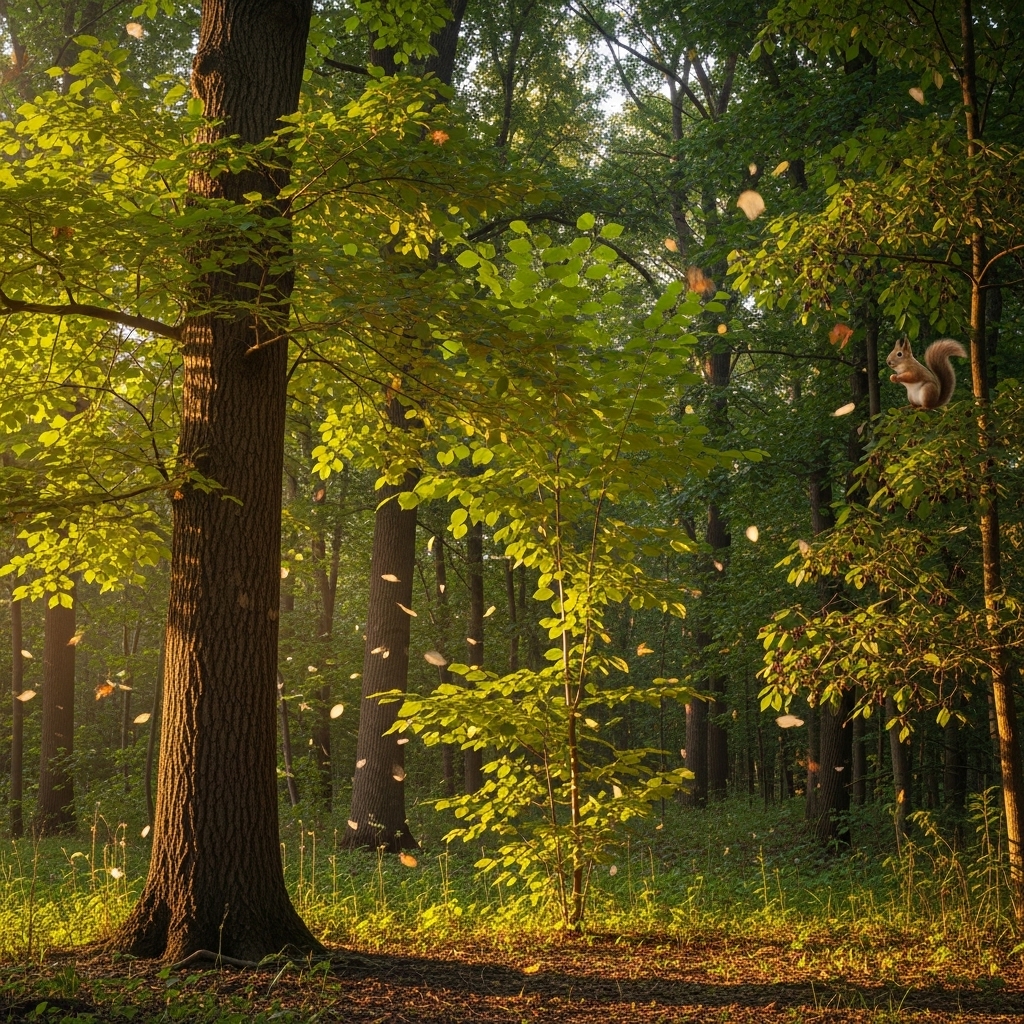
From my experience, hackberry trees thrive in a variety of habitats, showcasing a remarkable adaptability. They are commonly found in the eastern and central United States, stretching from Texas all the way up to Minnesota and even into parts of Canada. I’ve seen them flourishing in both urban and rural environments, often growing along riverbanks, in forests, and even in open fields. They prefer well-drained soils but can also tolerate poor conditions, making them a popular choice for landscaping and reforestation projects.
Growth Characteristics
Hackberry trees are known for their rapid growth and resilience. I remember planting a young hackberry in my backyard and watching it shoot up within just a few years. They can grow up to 24 inches a year under the right conditions. The trunk is typically straight, with a diameter that can reach up to 2 feet. One interesting feature is their irregular crown shape, which can make them stand out in a grove. This unique growth pattern, combined with their adaptability, makes them a valuable resource in many landscapes.
Identifying Hackberry Tree Leaves
Leaf Shape and Size
When it comes to identifying hackberry trees, the leaves are a major clue. The leaves are simple, meaning they consist of a single blade, and I find them to be quite distinctive. They usually measure about 2 to 5 inches long and have an elliptical shape, tapering at the ends. The edges of the leaves are serrated, which adds to their unique charm. I’ve often noticed how the leaves can vary slightly in size depending on the tree’s environment; those in sunnier spots tend to be larger.
Leaf Color and Texture
Hackberry leaves are typically a vibrant green during the growing season, turning a lovely yellow in the fall. One of my favorite aspects of these leaves is their texture; they are rough and somewhat coarse, which is a characteristic that can help in identification. When I run my fingers over a hackberry leaf, I can feel the subtle bumps and ridges, which is quite different from the smoother leaves of some other tree species. This texture can often provide a tactile clue if you’re trying to identify one while hiking or walking through a park. For more detailed guidance, refer to the Hackberry Tree Identification Guide: How to Identify Leaves.
Seasonal Changes in Leaves
As the seasons change, so do hackberry leaves. In the spring, they emerge fresh and bright, contributing to the lively green canopy. I love seeing the transition to fall, where the leaves shift to various shades of yellow and sometimes even orange before they fall to the ground. This seasonal transformation not only adds beauty to the landscape but also offers a chance for tree lovers like me to observe the changes in our environment. The way hackberry trees shed their leaves can also signify their readiness for winter, a reminder of nature’s cycles.
Understanding Hackberry Tree Bark
Bark Texture and Color
When I first started paying attention to hackberry trees, I was fascinated by their bark. The texture is one of the most distinctive features I noticed. The bark typically has a rough, warty appearance, which I find quite appealing. It’s grayish-brown, and as I run my hand over it, I can feel the bumps and ridges that give it character. I remember being surprised at how different it felt compared to the smooth bark of other trees, like birches or maples. This texture adds to the tree’s rustic charm and makes it easy to identify even from a distance.
Age-related Bark Changes
Another thing I’ve learned about hackberry trees is how their bark changes as they age. Young trees often have a relatively smooth bark that gradually develops those characteristic warty bumps as they mature. I’ve observed that older hackberry trees can have deeply furrowed bark, which creates an even more textured appearance. It’s interesting to think about how this transformation reflects the life of the tree, telling a story of resilience and adaptation over time.
Signs of Health in Bark
While exploring hackberry trees, I’ve also become more aware of the health indicators related to their bark. Healthy bark should be intact and free from significant peeling or cracking. I remember once spotting a hackberry tree with some areas of damaged bark, which raised my concern about its health. This damage can often be a sign of pests or diseases affecting the tree. A well-maintained hackberry will have a consistent texture, and any abnormalities can be a cue to investigate further. I believe that paying attention to these details helps us appreciate the tree even more and ensures we care for it properly.
Look-Alike Species of Hackberry Trees
Common Look-Alikes
When I started learning about hackberry trees, I didn’t realize how many other species look similar. One common look-alike is the sugarberry, or Celtis laevigata, which shares many characteristics with hackberries. I’ve seen these trees growing in similar habitats, and at first glance, it can be tricky to tell them apart. Another contender is the elm tree, particularly the slippery elm. These trees have their own unique features, but I remember being confused by their similarities when I was first learning to identify them.
Key Differences in Leaves
One of the easiest ways I’ve found to differentiate hackberry trees from their look-alikes is by examining their leaves. For instance, the leaves of the sugarberry tend to be a bit smoother and have a more pronounced serration compared to hackberry leaves. I’ve noticed that hackberry leaves are often more asymmetrical at the base, which is a distinctive trait. When I’m out in the field, taking a closer look at these subtle differences has become part of the fun of tree identification.
Key Differences in Bark
The bark is another key area where I can spot differences. Sugarberry bark tends to be smoother compared to the warty texture of hackberry bark. I remember once running my hand along the trunk of a sugarberry and thinking it felt almost like a young birch tree, which was a stark contrast to the hackberry’s rugged texture. Elms can also have a similar appearance, but their bark usually has a more consistent and less warty surface, making it less textured than that of the hackberry. These differences, though subtle, are fascinating to note as I dive deeper into understanding these trees.
Photos for Identification
Hackberry Tree Leaves – Photo Gallery
As I continue my journey of identifying hackberry trees, I found that photos can be incredibly helpful. I often take my camera on walks to capture the unique shapes and textures of hackberry leaves. It’s amazing how different lighting can affect the leaf color and how the serrated edges stand out in various settings. I’ve created a little photo gallery for myself, showcasing the leaves in different seasons, and I recommend doing this if you’re passionate about trees.
Hackberry Tree Bark – Photo Gallery
Alongside the leaves, I’ve also started documenting the bark. I’ve taken pictures of both young and mature hackberry trees, highlighting the changes in texture and color over time. There’s something satisfying about compiling these images, as it allows me to compare and contrast the bark’s features. It’s a great resource for anyone looking to learn about tree identification since visuals can often clarify what words can’t express.
Comparison Photos with Look-Alike Species
Additionally, capturing comparison photos with look-alike species has been enlightening. I’ve taken shots of hackberries next to sugarberries and elms to emphasize the differences in bark and leaves. This visual reference not only helps me remember what to look for but also makes it easier to share my findings with friends and fellow tree enthusiasts. I believe that having this visual documentation is an invaluable tool for anyone keen on becoming more knowledgeable about trees.
Common Uses and Benefits of Hackberry Trees
Ecological Importance
I’ve often marveled at how hackberry trees contribute to our ecosystem. These trees play a significant role in supporting local wildlife. The berries produced by hackberries are a favorite food source for various birds, including thrushes and cedar waxwings. I remember observing a flock of birds feasting on the ripe berries one fall afternoon, and it was a beautiful sight. These trees also provide essential cover and nesting sites for many species. Their broad canopy can create a habitat for insects and small mammals, helping maintain biodiversity in the areas where they grow.
Uses in Landscaping
In my experience, hackberry trees can be an excellent choice for landscaping projects. Their adaptability means they can thrive in various soil types and environmental conditions, making them suitable for urban and rural settings alike. I’ve seen them planted in parks, residential yards, and commercial properties, where they provide shade and beauty. The irregular crown shape can add visual interest to a landscape, while their ability to withstand drought conditions makes them a low-maintenance option. I often recommend planting hackberries to friends looking for trees that require minimal upkeep but still offer ecological and aesthetic benefits.
Medicinal Properties
One aspect of hackberry trees that surprised me was their medicinal uses. Traditionally, various parts of the hackberry tree have been used in herbal medicine. For instance, the inner bark has been utilized in some cultures to create teas believed to have anti-inflammatory properties. I remember chatting with a local herbalist who spoke highly of the hackberry’s potential benefits for treating respiratory issues. While I haven’t personally tried these remedies, it’s fascinating to learn how people have historically utilized these trees for their health benefits. It reminds me of the wisdom in connecting with nature and using what’s around us for healing.
Frequently Asked Questions (FAQs)
How to Care for Hackberry Trees?
Caring for hackberry trees is relatively straightforward, which is one reason I love them. They are quite resilient and can handle various environmental conditions. However, watering them adequately, especially when young, is essential. I’ve found that providing a deep watering during dry spells encourages strong root development. Pruning is also beneficial to maintain a healthy structure and remove any dead or damaged branches. I’ve learned that a little bit of care can go a long way in ensuring these trees thrive for years.
Are Hackberry Trees Invasive?
In my journey of learning about hackberry trees, I’ve come across the question of invasiveness. Generally, hackberry trees are not considered invasive. They are native to many regions in the United States, which helps them fit well into the local ecosystem without outcompeting native species. However, I’ve noticed that in some areas, they can spread rapidly if left unchecked, so it’s crucial to monitor their growth, especially in small gardens or landscapes. For the most part, though, I find them to be a welcome addition to a variety of settings.
What Pests and Diseases Affect Hackberry Trees?
While hackberry trees are generally hardy, they are not entirely immune to pests and diseases. From my observations, one of the main pests affecting them is the hackberry nipple gall maker, which can cause unsightly galls on leaves. While these pests can be concerning, I’ve learned that they rarely cause significant harm to the overall health of the tree. In terms of diseases, hackberries can sometimes suffer from leaf spot and powdery mildew, especially in damp conditions. I always recommend keeping an eye out for any unusual signs and consulting a local arborist if you notice any serious issues. Keeping these trees healthy not only benefits the individual tree but the entire ecosystem surrounding it.
Final Thoughts
I’ve really enjoyed diving deep into the world of hackberry trees, and I hope my experiences resonate with you too. It’s fascinating to think about how much these trees contribute to our environment while often going unnoticed. From the way they support wildlife to their unique identification features, there’s much to appreciate. Every time I see a hackberry tree, I’m reminded of their strength and adaptability, which can inspire us in our daily lives.
Whether you’re a seasoned naturalist or just starting your journey in tree identification, I encourage you to take a moment to observe these beautiful trees in your surroundings. Consider taking a walk in your local park or along a riverbank to see if you can spot some hackberries. Bring your camera along for that photo gallery I mentioned earlier; you’ll find it’s a rewarding way to document your encounters with nature.
And if you decide to plant one in your yard, I believe you’ll find it to be a wonderful addition. They’re low-maintenance and provide shade and beauty, enriching your space while supporting local ecosystems. The more I learn about hackberry trees, the more I appreciate them, and I hope you come to feel the same way.
Let’s continue to share our love for trees, spread awareness about their importance, and encourage others to appreciate the incredible world of nature around us. After all, it’s through our shared experiences that we can foster a deeper connection to the environment and inspire future generations to care for it.
Frequently Asked Questions
What is the scientific classification of hackberry trees?
Hackberry trees are scientifically known as Celtis occidentalis and belong to the Ulmaceae family, which includes elms and other similar species.
Where are hackberry trees commonly found?
Hackberry trees thrive in a variety of habitats across the eastern and central United States, from Texas to Minnesota and parts of Canada. They can be found in urban and rural environments, often along riverbanks, in forests, and open fields.
How fast do hackberry trees grow?
Hackberry trees are known for their rapid growth, capable of growing up to 24 inches a year under the right conditions.
What do hackberry tree leaves look like?
Hackberry leaves are simple, elliptical, and typically measure about 2 to 5 inches long. They have serrated edges and are usually vibrant green during the growing season, turning yellow in the fall.
How does the bark of a hackberry tree appear?
The bark of hackberry trees has a rough, warty appearance and is grayish-brown in color. Young trees have relatively smooth bark that develops bumps as they mature.
What wildlife benefits from hackberry trees?
Hackberry trees play a significant role in supporting local wildlife by providing berries that are a food source for birds, such as thrushes and cedar waxwings, as well as cover and nesting sites for various species.
Are hackberry trees invasive?
Generally, hackberry trees are not considered invasive as they are native to many regions in the United States. However, they can spread rapidly if left unchecked, so monitoring their growth is important.
What pests and diseases commonly affect hackberry trees?
Hackberry trees can be affected by pests such as the hackberry nipple gall maker, which causes galls on leaves, and diseases like leaf spot and powdery mildew, especially in damp conditions.
What are the medicinal properties of hackberry trees?
Various parts of the hackberry tree have been used in herbal medicine, with the inner bark sometimes utilized to create teas believed to have anti-inflammatory properties.
How can one best care for hackberry trees?
Caring for hackberry trees includes providing adequate watering, especially when young, and pruning to maintain a healthy structure. They are resilient and can handle various environmental conditions.