
Automated watering systems can revolutionize tropical gardening. By ensuring consistent moisture and reducing manual labor, these systems pave the way for lush, thriving gardens. Read Interesting article: Revolutionize Your Garden with Automated Watering Systems
Table of Contents
Understanding Automated Watering Systems
When I first delved into the world of gardening, I quickly realized how crucial watering was, especially in a tropical climate. The heat and humidity can be relentless, and keeping my plants hydrated became a daily challenge. That’s when I discovered automated watering systems, which changed everything for me. Automated watering systems are designed to provide plants with the right amount of water at the right time, making gardening much more manageable and successful.
Types of Automated Watering Systems
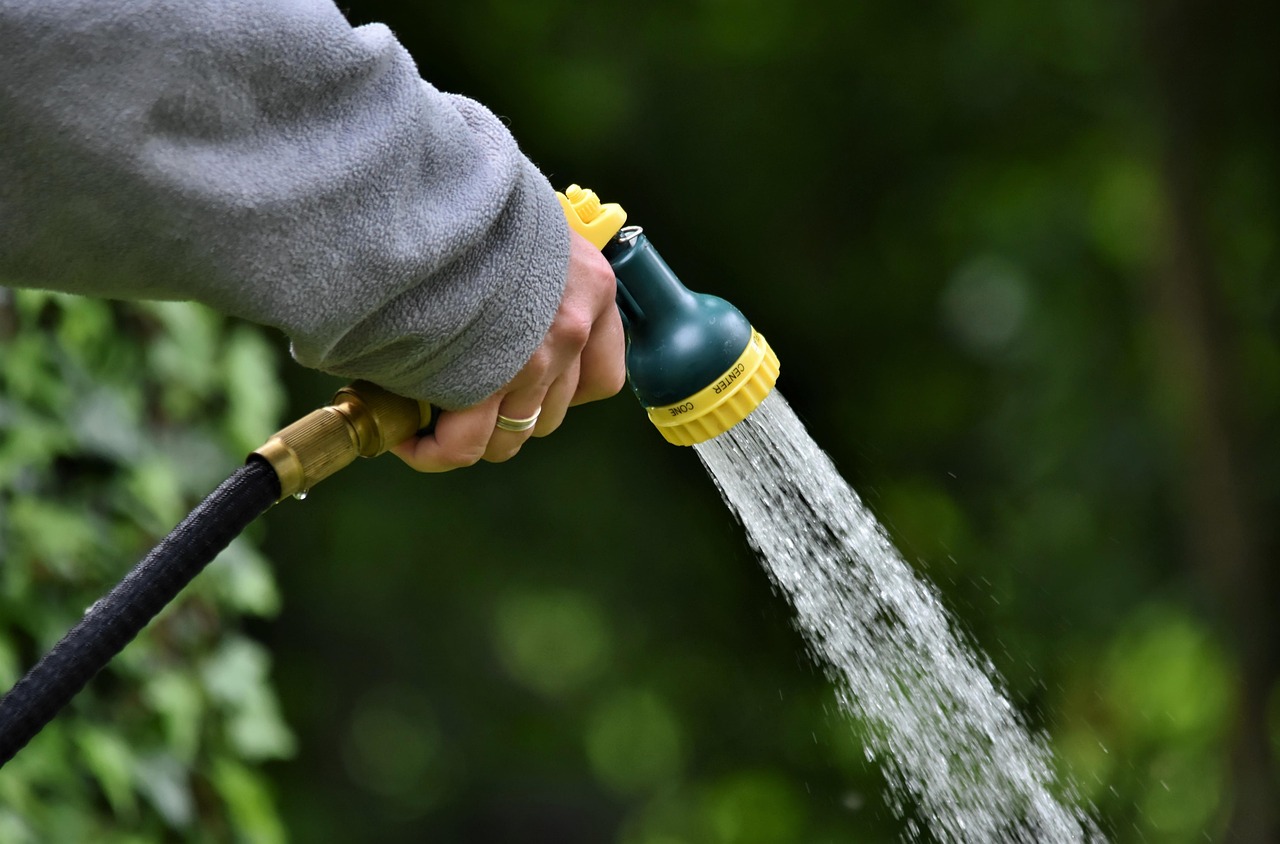
There are various types of automated watering systems, each suited to different needs and garden styles. Here are some of the most common types I’ve encountered:
- Drip Irrigation: This system delivers water directly to the plant roots through a network of tubes and emitters. I found it especially useful for conserving water while ensuring that my tropical plants received adequate moisture.
- Sprinkler Systems: These systems spray water over a large area and can be adjusted for different patterns and timings. I enjoyed using them for larger garden spaces, as they provide even coverage.
- Soaker Hoses: These porous hoses allow water to seep out slowly along their length. They’re simple to set up and work great for rows of plants, which I found to be particularly effective in my vegetable garden.
- Smart Irrigation Systems: These high-tech systems can be controlled via smartphone apps, allowing for precise watering schedules based on weather conditions. I was amazed at how convenient this made my gardening routine.
Components of an Automated Watering System
Setting up an automated watering system involves several key components. Understanding these parts can simplify the process and help you select the best system for your garden:
- Water Source: This can be a tap or a rainwater collection barrel. I often use rainwater for my garden since it’s eco-friendly and beneficial for my plants.
- Pipes and Tubing: These transport water from the source to your plants. I discovered that the right sizing and layout are essential for effective delivery.
- Emitters or Sprinklers: These are the parts that distribute water to your plants. Choosing the right type for your specific plants can make a big difference. For example, I prefer drip emitters for delicate seedlings.
- Timer or Controller: This allows you to set specific watering times and durations. I initially relied on a basic timer, but later upgraded to a smart controller for added convenience.
How Automated Watering Works
Setting up an automated watering system might seem daunting at first, but it’s quite straightforward once you understand how it works. The system typically operates on a simple cycle: water flows from the source through the tubing and reaches the emitters or sprinklers at the designated time. I remember the sense of relief and excitement when I programmed my first timer. It felt like I had gained a little extra time for myself!
The beauty of automated watering lies in its ability to adapt. Many modern systems can adjust watering schedules based on weather forecasts, which is especially important in tropical regions where rain can be sporadic and unpredictable. For instance, I’ve seen how my smart irrigation system automatically reduces water output during rainy days, preventing overwatering and ensuring my plants thrive.
Moreover, these systems can be integrated with moisture sensors that detect the soil’s moisture levels. If the soil is still damp, the system can delay watering. I’ve found this feature to be a game-changer, as it truly tailors the watering process to my plants’ needs, preventing both under and overwatering.
Using automated watering systems has not only saved me time but has also improved the overall health of my garden. I’ve noticed that my plants grow more robustly, and I spend less time worrying about whether I’ve remembered to water them. This newfound freedom allows me to enjoy my garden in other ways, like planting new species and experimenting with different arrangements.
The Importance of Proper Watering in Tropical Gardening
When I first started my tropical gardening journey, I quickly learned that proper watering is the cornerstone of success. In such a vibrant and humid environment, plants thrive on a delicate balance of moisture. Too much or too little can lead to problems that I wish I had avoided in the beginning. Understanding the unique challenges of watering in a tropical climate has been a game-changer for me.
Climate Considerations for Tropical Plants
Living in a tropical climate means dealing with high temperatures and humidity levels that can fluctuate dramatically. I’ve noticed that while some days bring refreshing rain, others can be scorching hot, drying out the soil almost immediately. This inconsistency makes knowing when and how much to water a bit tricky. For me, adapting to these climate conditions meant paying close attention to the weather and learning to read my garden. I found that early morning watering helps minimize evaporation and gives my plants the best chance to absorb moisture before the heat hits.
Soil Types and Water Retention
The type of soil in my garden has also played a vital role in how I approach watering. Tropical soils can vary widely; some are rich and loamy, while others might be sandy or clay-heavy. I remember experimenting with different soil amendments to improve water retention in my sandy areas, mixing in organic matter like compost. This not only helped retain moisture but also provided essential nutrients. I’ve learned that understanding the soil type can significantly influence how much water my plants actually need. For example, clay soils retain water longer, while sandy soils dry out quickly, making it necessary for me to adjust my watering schedules accordingly.
Common Watering Challenges in Tropical Gardening
Despite my best efforts, I’ve faced a few challenges when it comes to watering in a tropical garden. One of the most significant issues I encountered was root rot from overwatering. It was heartbreaking to lose beautiful plants because I didn’t allow the soil to dry out adequately. I quickly discovered that using my automated watering system with moisture sensors helped tremendously. These sensors can tell when the soil is still damp, preventing me from accidentally drowning my plants.
Another challenge is dealing with pests and diseases that thrive in humid conditions. I found that overly wet foliage can encourage fungal growth, which often led to issues like powdery mildew. By ensuring that my watering system delivered water directly to the roots and not the leaves, I could reduce humidity levels around the plants. This simple change made a noticeable difference in the overall health of my garden.
Benefits of Automated Watering for Tropical Gardens
As I became more experienced with automated watering systems, I started to appreciate the many benefits they brought to my tropical garden. These systems not only eased my workload but also enhanced the quality of my gardening experience.
Consistent Moisture Levels
One of the most significant advantages I found with automated watering is the consistent moisture levels it provides. Unlike manual watering, where I might forget to water one day or overdo it the next, automated systems deliver the exact amount of water my plants need at precisely the right time. I noticed that my tropical plants responded positively to this consistency, showing more robust growth and vibrant colors.
Reduced Water Waste
In the past, I often found myself wasting water through inefficient watering methods. With drip irrigation, for example, I discovered that the water goes directly to the plant roots, minimizing evaporation and runoff. This not only conserves water but also saves me money on my water bill. I feel good knowing that I’m gardening sustainably and responsibly. Read Interesting article: Top 5 Automated Watering Solutions for Tropical Plants
Time Savings for Gardeners
Time is a precious commodity for all of us, and I cherish every moment I can spend in my garden. Implementing an automated watering system freed up a significant chunk of my time. Instead of standing outside with a hose or watering can, I can now focus on other important tasks like planting, weeding, or simply enjoying the beauty of my garden. I often joke that my garden has become a place of relaxation rather than a chore, thanks to automation!
Healthier Plants and Higher Yields
I’ve seen firsthand how automated watering has contributed to healthier plants and, consequently, higher yields. With consistent moisture, my tropical plants are stronger, more resilient, and less prone to disease. In my vegetable garden, I’ve noticed that my crops have not only thrived but produced more fruit than ever before. It’s incredibly satisfying to reap the rewards of my gardening efforts and enjoy fresh produce right from my backyard.
How to Implement Automated Watering in Your Tropical Garden
Once I decided to embrace automated watering systems in my tropical garden, I found the process both exciting and rewarding. Implementing an automated system requires some planning and consideration, but it’s much simpler than I initially thought. Here’s how I went about it, and I hope my experience can help you too!
Choosing the Right System for Your Garden
Choosing the right automated watering system for my garden was one of the most important steps. I remember feeling a bit overwhelmed by the options available. To make a decision, I first assessed my garden size, the types of plants I had, and my budget. For example, I have a mix of flowers, vegetables, and some tropical fruit trees, which required a versatile system.
Based on my needs, I gravitated towards a drip irrigation system. It offered precise watering, which was essential for my delicate seedlings and mature plants alike. I also explored smart systems that could adapt to changing weather conditions, something I believe is vital in a tropical climate. After doing my research and reading reviews, I chose a system that I felt would efficiently cover all my plants without excessive water use.
Setting Up an Automated Watering Schedule
Once I settled on a system, setting up the watering schedule was the next step. I found this part to be intuitive yet crucial. I began by observing my garden: how quickly the soil dried out, the growth patterns of my plants, and the amount of rainfall we typically received. I initially set the timer to water early in the morning, which helped reduce evaporation and allowed my plants to absorb moisture before the heat of the day kicked in.
At first, I was a bit hesitant about how much water to provide. I started with shorter watering durations, around 15 to 20 minutes, and gradually adjusted based on how my plants responded. It was fascinating to see how they thrived with consistent moisture. I learned that tweaking the schedule was part of the process, especially during the rainy season when I needed to scale back on watering.
Integrating Sensors for Optimal Performance
As I became more comfortable with my automated system, I decided to enhance it further by integrating moisture sensors. This decision transformed my watering routine. The sensors provided real-time feedback on the soil moisture levels, which I found incredibly helpful. In my case, this meant that I could reduce the risk of overwatering, which I had struggled with in the past.
Setting up the sensors was straightforward. I placed them strategically throughout my garden to get accurate readings. What I loved most was their ability to communicate with my watering system. If the soil was still damp, the system would delay watering until it was genuinely needed. This feature not only saved water but also ensured that my plants were always in the best condition. I remember the peace of mind I felt knowing that I wasn’t drowning my plants anymore.
Common Mistakes to Avoid with Automated Watering
Even with the best systems, there are pitfalls to avoid when implementing automated watering. I learned a great deal from my mistakes, and I hope sharing these lessons helps you skip some unnecessary challenges!
Overwatering vs. Underwatering
It’s easy to think that an automated system will take care of everything, but I quickly realized that overwatering could still occur. I had to be vigilant about checking my moisture levels and not just rely on the system. I’ve seen many gardeners fall into this trap, thinking more water is always better. I recommend starting conservatively and adjusting based on your observations. Also, pay attention to the signs your plants give you. If they’re wilting or showing yellowing leaves, it could indicate either too much or too little water.
Neglecting System Maintenance
Another mistake I made was neglecting the maintenance of my watering system. I learned that keeping the hoses, emitters, and timers clean is crucial for optimal performance. I remember one time I had a clog in an emitter and didn’t realize it until my plant was drooping. Regularly flushing out the system helped prevent blockages and maintained efficient water distribution. I now set a reminder to check my system every few weeks, and it makes a world of difference!
Ignoring Plant Specific Water Needs
Different plants have different water requirements, and it was easy for me to forget that. I found that while some of my tropical plants thrived with daily watering, others preferred less frequent moisture. I made a chart of my plants and their specific needs, which helped me adjust the system settings. I encourage you to do the same; it’s a simple step that can lead to healthier plants and a more productive garden!
Case Studies: Successful Tropical Gardens Using Automated Watering
Home Gardens
One of my favorite stories comes from a friend who transformed her small backyard into a vibrant tropical garden. Struggling with inconsistent watering, she decided to install a drip irrigation system after seeing the success I had with mine. The change was remarkable! Her once patchy garden flourished into a lush retreat filled with colorful hibiscus and healthy banana plants. She shared with me how she now spends more time enjoying her garden rather than worrying about watering, and the satisfaction she feels seeing her plants thrive is evident in her voice. I truly believe that automated watering played a significant role in her success.
Community Gardens
In my local community, we have a community garden that has recently adopted automated watering systems. Initially, gardening was a challenge for the volunteers due to varying schedules and the inability to maintain consistent watering. After researching together, we collectively decided to install a smart irrigation system. The results have been astonishing! The garden now boasts a variety of fruits and vegetables, and the community has come together to celebrate the bounty. The time saved is now spent on education programs and workshops, creating a sense of community and fostering connections among garden enthusiasts. It’s heartwarming to see how technology has not only helped the plants but also strengthened our community bonds.
Commercial Tropical Plantations
While visiting a commercial tropical plantation, I was amazed to see how they utilized advanced automated watering systems. They had integrated high-tech sensors and smart controllers, allowing them to monitor and adjust watering schedules in real-time. The plantation manager explained that this not only improved crop yields significantly but also optimized their water usage. Such innovations have made it possible for them to sustain their operations while being mindful of environmental impacts. It was inspiring to see how large-scale operations can also embrace sustainability through technology.
Future Trends in Automated Watering for Gardening
Smart Technology Integration
As I look to the future of gardening, I can’t help but feel excited about the advancements in smart technology for automated watering systems. I’ve noticed a growing trend towards integrating AI and machine learning, which can analyze weather patterns and soil conditions, providing tailored watering solutions. Imagine a system that learns from your garden’s needs over time and automatically adjusts the watering schedule without any input! I believe these innovations will make gardening easier and more efficient, allowing us to focus on the joy of growing.
Environmental Sustainability Practices
Environmental concerns are becoming increasingly important, and I feel that automated watering systems will continue to evolve towards more sustainable practices. With a focus on conserving water and reducing waste, we might see systems that utilize rainwater harvesting or greywater recycling becoming more common. These practices will not only help us garden responsibly but also promote a healthier ecosystem. I’m personally excited about the idea of incorporating more eco-friendly options into my gardening routine.
Advancements in Water Conservation Techniques
Water conservation is a hot topic, especially as climate change impacts many regions. I’ve read about various research efforts focused on developing new technologies that optimize water usage in gardens. Techniques like moisture-retaining soil amendments and innovative watering methods, such as hydroponics and aquaponics, are being explored. I believe that as these advancements come to fruition, they will offer gardeners more options to efficiently manage water while still producing healthy plants. I can’t wait to try some of these methods myself!
Final Thoughts
My journey into automated watering systems has transformed my tropical gardening experience in ways I never expected. From saving time to seeing my plants flourish, I’ve learned the importance of embracing technology in our gardens. By understanding how to properly implement these systems, we can overcome common challenges and enjoy the benefits that come with consistent moisture and healthy plants. I truly believe that the future of gardening lies in our ability to adapt, innovate, and connect with nature in a sustainable way. No matter what size your garden is or your level of expertise, automated watering can help you cultivate a beautiful, thriving space that you can enjoy to the fullest.
Frequently Asked Questions
What are automated watering systems?
Automated watering systems are designed to provide plants with the right amount of water at the right time, making gardening more manageable and successful, especially in challenging climates like tropical regions.
What types of automated watering systems are available?
Common types of automated watering systems include drip irrigation, sprinkler systems, soaker hoses, and smart irrigation systems, each suited to different garden needs and styles.
How does a drip irrigation system work?
A drip irrigation system delivers water directly to the plant roots through a network of tubes and emitters, making it efficient for water conservation and ensuring plants receive adequate moisture.
What components are needed for an automated watering system?
Key components of an automated watering system include a water source (like a tap or rainwater collection), pipes and tubing, emitters or sprinklers, and a timer or controller to set watering schedules.
How can automated watering systems adapt to weather conditions?
Many modern automated watering systems can adjust watering schedules based on weather forecasts and can be integrated with moisture sensors to delay watering when the soil is still damp.
What challenges do gardeners face when watering in tropical climates?
Common challenges include dealing with inconsistent rainfall, the risk of overwatering leading to root rot, and the potential for fungal diseases due to high humidity levels.
What are the benefits of using automated watering systems for tropical gardens?
Benefits include consistent moisture levels, reduced water waste, time savings for gardeners, and healthier plants that yield higher produce due to improved watering practices.
How should one set up an automated watering schedule?
Setting up an automated watering schedule involves observing how quickly the soil dries, understanding plant growth patterns, and adjusting the timer based on rainfall and seasonal changes.
What common mistakes should be avoided when using automated watering systems?
Common mistakes include overwatering or underwatering, neglecting system maintenance, and ignoring the specific water needs of different plants, which can lead to unhealthy growth.
What future trends are expected in automated watering systems?
Future trends may include the integration of smart technology for automated adjustments, a focus on environmental sustainability practices, and advancements in water conservation techniques to optimize gardening efficiency.