
When planning a barbecue, it’s essential to know how many ribs to serve per person. A good rule of thumb is to allocate about 3/4 to 1 pound of ribs per adult, depending on the type of ribs and sides being served. This guide will help you calculate the perfect amount for your next gathering.
Table of Contents
Understanding Rib Types and Their Serving Sizes
When you’re planning a barbecue, knowing the types of ribs and their serving sizes is key. Different ribs mean different amounts of meat. Let’s break it down.
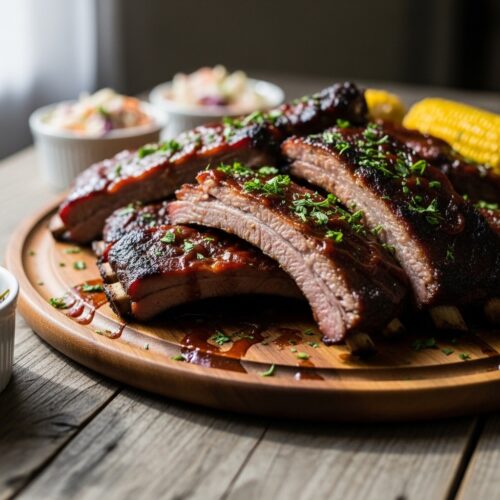
Types of Ribs: An Overview
1. Baby Back Ribs:
- Sourced from the top of the rib cage.
- Smaller and leaner, with a tender bite.
2. Spare Ribs:
- Taken from the bottom of the rib cage.
- Meatier and fattier, offering a bold flavor.
3. St. Louis-Style Ribs:
- A specific cut from spare ribs.
- The sternum bone and cartilage are removed, giving a neat rectangular shape.
Recommended Serving Sizes
The amount of ribs per person can vary based on the type. Here’s a quick guide:
| Rib Type | Ribs Per Person | Pounds Per Person |
|---|---|---|
| Baby Back Ribs | 5-6 ribs | 3/4 to 1 pound |
| Spare Ribs | 3-4 ribs | 3/4 to 1 pound |
| St. Louis Ribs | 4-5 ribs | 3/4 to 1 pound |
Rib Count Per Rack
Knowing how many ribs are in a rack helps with planning. Here’s what to expect:
- Baby Back Ribs: Typically 10-13 ribs per rack.
- Spare Ribs: Usually around 11-13 ribs per rack.
- St. Louis Ribs: About 10-12 ribs per rack.
This means if you have a full rack, you can easily divide the count to determine servings.
Example: If you have 3 guests and plan on serving baby back ribs, you’ll need at least 15 ribs (3 × 5). That’s a little over one rack!
Tips for Accurate Serving
- Consider Guest Appetites: If your guests are big eaters, lean towards the higher end of the serving sizes.
- Include Side Dishes: If you’re serving hearty sides, you might need less meat.
And don’t forget to keep an eye on those ribs while they cook! A Grill and BBQ Meat Thermometer can help ensure they come out perfectly every time.
Calculating Ribs Needed Per Person
Planning how many ribs to serve can be tricky. It’s all about the number of guests and their appetites. Let’s break it down!
Basic Calculation Method
Start with the basics. Here’s a general guideline:
- Baby Back Ribs: 5-6 ribs per adult, 3 per child.
- Spare Ribs: 3-4 ribs per adult, 2 per child.
- St. Louis Ribs: Similar to spare ribs, about 3-4 per adult.
Now, here’s a simple formula to calculate:
1. Count your adults.
2. Count your children.
3. Multiply the counts by the appropriate serving size.
4. Add it all up!
Adjustments for Appetites
Not everyone eats the same amount. If you know your guests love to eat, adjust your numbers:
- For big eaters, add an extra rib or two per adult.
- If your crowd is more casual, stick to the lower end of the guideline.
Sample Calculations
Let’s say you have 4 adults and 2 children. Here’s how you’d calculate:
1. Baby Back Ribs:
- Adults: 4 × 6 = 24 ribs
- Children: 2 × 3 = 6 ribs
- Total: 30 ribs (about 2-3 racks)
2. Spare Ribs:
- Adults: 4 × 4 = 16 ribs
- Children: 2 × 2 = 4 ribs
- Total: 20 ribs (just over 1.5 racks)
3. St. Louis Ribs:
- Same as spare ribs: 20 ribs total.
Use this method for any number of guests. Just plug in your numbers!
This way, you can plan your barbecue with confidence. Don’t forget to keep an eye on those ribs while they cook! A Grill and BBQ Meat Thermometer can help ensure they come out perfectly every time.
How Many Pounds of Ribs Per Person?
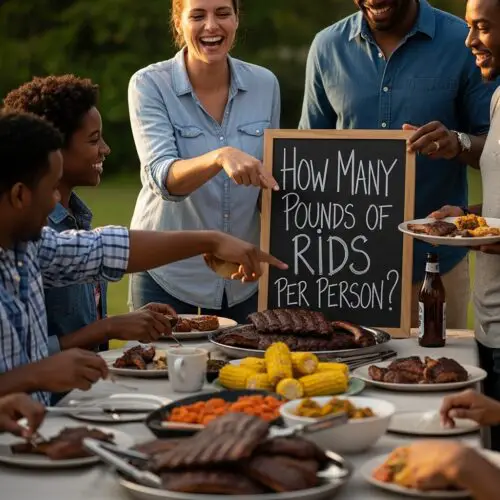
Planning how many pounds of ribs to serve can feel tricky. But don’t worry! Here are some solid guidelines to help you out.
General Guidelines for Weight
A good rule of thumb is to plan for about 1/2 to 1 pound of ribs per person. This can vary based on the type of ribs you choose and how hungry your guests are.
- Baby Back Ribs: 1/2 pound per person is usually enough. They’re smaller and leaner.
- Spare Ribs: Aim for about 3/4 to 1 pound per person. They’re meatier and more filling.
- St. Louis Ribs: Similar to spare ribs, plan for about 3/4 to 1 pound per person.
Impact of Cooking Method on Serving Size
Cooking methods can affect how much meat you’ll get after cooking. Here are a few things to consider:
- Smoking: This can reduce weight due to moisture loss. Expect about a 20% yield loss.
- Grilling: A quicker method with less moisture loss, but still plan for about a 10% yield loss.
- Boiling or Braising: These methods can retain more moisture, so your yield might be better.
Comparison by Rib Type
Here’s a quick comparison of different rib types and serving sizes:
| Rib Type | Average Weight per Person | Yield Loss (%) |
|---|---|---|
| Baby Back Ribs | 1/2 pound | 10% |
| Spare Ribs | 3/4 – 1 pound | 20% |
| St. Louis Ribs | 3/4 – 1 pound | 20% |
Remember, it’s always smart to overestimate a bit. Ribs tend to disappear quickly at barbecues! And don’t forget to have a reliable Grill and BBQ Meat Thermometer on hand to ensure everything is cooked to perfection.
Importance of Side Dishes in Estimating Ribs
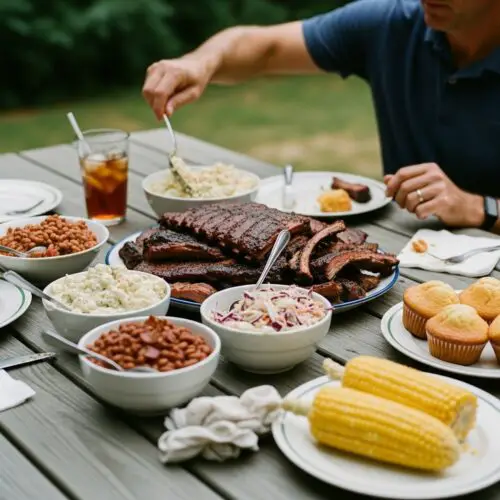
When planning a barbecue, side dishes play a crucial role in determining how many ribs you’ll need. A variety of sides can fill guests up, allowing you to adjust your rib count accordingly. Let’s dive into how side dishes impact your rib estimates.
Filling vs. Light Sides
Not all sides are created equal! Some are hearty and filling, while others are light and can leave guests wanting more ribs.
- Filling Sides: These include baked beans, macaroni and cheese, and coleslaw. They can satisfy hungry guests, reducing the need for extra ribs.
- Light Sides: Options like salads or vegetable platters are refreshing but might not curb appetites as effectively. Guests might crave more ribs if these are the main sides.
Recommended Side Dish Pairings
Pairing the right sides with your ribs can enhance the meal and help you estimate portions better. Here’s a quick checklist of side dishes to consider:
- Baked beans
- Cornbread
- Coleslaw
- Potato salad
- Grilled vegetables
- Macaroni and cheese
- Garlic bread
Mix and match these options to create a well-rounded meal that fills your guests.
Adjusting Rib Counts Based on Sides
Here’s a simple rule of thumb: if you’re serving heavier sides, you can plan for fewer ribs per person. For example:
- With filling sides: Estimate around 3 spare ribs or 5 baby back ribs per person.
- With lighter sides: Consider increasing to 4 spare ribs or 6 baby back ribs per person.
This approach ensures everyone leaves satisfied without overcooking ribs.
Using this method allows you to enjoy the barbecue without worrying about leftovers or running out of food. Happy grilling!
Common Mistakes in Estimating Ribs
When planning for ribs at your barbecue, it’s easy to miscalculate how much you need. Here are some common pitfalls and how to avoid them.
Underestimating vs. Overestimating
One of the biggest mistakes is not knowing how many ribs your guests will eat. If you underestimate, you risk running out of food. Overestimating leads to a fridge full of leftovers. Here’s a quick guide to help:
- Baby Back Ribs: 5-6 ribs per person.
- Spare Ribs: 3-4 ribs per person.
- St. Louis Ribs: 4-5 ribs per person.
Adjust based on your sides. Heavier sides mean fewer ribs.
Ignoring Guest Preferences
Every guest has different appetites. Not considering this can lead to waste or disappointment. Ask yourself:
- Are your friends big eaters?
- Do they prefer one type of rib over another?
For example, if you know your pals love baby back ribs, lean towards planning a few extra of those.
Not Accounting for Cooking Loss
Ribs lose some weight during cooking. Fat renders, and moisture evaporates. This means you need to calculate a bit more.
- Plan for about 25% loss: If you want to serve 1 pound of ribs per person, buy 1.25 pounds.
Real-Life Example
Imagine hosting a barbecue for 10 people. You decide on spare ribs, estimating 3 ribs per person. That’s 30 ribs, or about 6 pounds. However, you forget about cooking loss and guest appetites.
After cooking, you find you only have 4 ribs left! To avoid this, calculate for loss and maybe bump it to 3.5 ribs per person.
In summary, keep these tips in mind to avoid those awkward moments when the ribs run out or there’s too much left over. Happy grilling!
Alternatives to Ribs for Barbecues
Ribs are a barbecue classic, but there are plenty of delicious alternatives you can serve. These options can complement your rib feast or stand alone as the main attraction. Let’s explore some tasty alternatives and their serving sizes.
Popular Alternative Meats
1. Chicken: A crowd favorite!
- Serving Size: About 1/2 to 1 whole chicken per person, depending on the cut.
2. Pork Shoulder: Perfect for pulled pork sandwiches.
- Serving Size: 1/3 to 1/2 pound per person.
3. Brisket: A smoky delight.
- Serving Size: 1/2 pound per person.
4. Sausages: Easy and flavorful.
- Serving Size: 1 to 2 sausages per person.
5. Turkey Legs: A fun, hearty option.
- Serving Size: 1 leg per person.
Serving Sizes for Alternatives
Here’s a quick reference table to help you plan:
| Meat Type | Serving Size per Person |
|---|---|
| Chicken | 1/2 to 1 whole chicken |
| Pork Shoulder | 1/3 to 1/2 pound |
| Brisket | 1/2 pound |
| Sausages | 1 to 2 sausages |
| Turkey Legs | 1 leg |
Complementing Ribs with Other Proteins
When planning your barbecue, consider balancing ribs with other proteins. This can cater to various tastes and appetites.
- Mix it Up: Serve ribs alongside chicken for variety.
- Add Some Flavor: Include sausages for a spicy kick.
- Go Hearty: Pair ribs with brisket for a meat lover’s dream.
Remember, the key is to gauge your guests’ appetites. If you have lots of sides, you might need less meat. But if your friends love their meat, err on the side of more!
Final Tips for Cooking Ribs to Perfection
Cooking ribs can be a delicious art. The right method ensures they’re tender and packed with flavor. Here’s how to do it right!
Best Cooking Techniques
When it comes to ribs, two popular methods stand out: grilling and smoking.
- Grilling: This method cooks ribs quickly over direct heat. It’s great for a quick meal. Aim for medium heat and flip frequently to avoid burning.
- Smoking: A slower process that infuses deep flavor. Use indirect heat and wood chips for that perfect smoky taste. This method is ideal for baby back and spare ribs.
Cooking Times and Temperatures
Understanding how long to cook your ribs is crucial. Here’s a handy chart:
| Type of Ribs | Cooking Time (Indirect Heat) | Ideal Temperature |
|---|---|---|
| Baby Back Ribs | 2.5 to 3 hours | 225°F – 250°F |
| Spare Ribs | 3 to 4 hours | 225°F – 250°F |
| St. Louis Ribs | 3 to 4 hours | 225°F – 250°F |
| Beef Back Ribs | 3 to 4 hours | 225°F – 250°F |
| Beef Short Ribs | 2.5 to 3 hours | 225°F – 250°F |
Tips for Ensuring Tender Ribs
Want your ribs to be fall-off-the-bone tender? Here are some key tips:
- Marinate: Use a good marinade or rub to add flavor and moisture.
- Wrap in Foil: Halfway through cooking, wrap ribs in foil. This helps retain moisture and speeds up cooking.
- Rest Before Serving: Let the ribs rest for about 10-15 minutes after cooking. This helps the juices redistribute.
By following these techniques, you’ll impress your guests with tender, flavorful ribs every time!
Frequently Asked Questions
These quick answers cover the most common questions about this topic, including key details, practical tips, and common concerns.
How many people will 20 lbs of ribs feed?
Typically, 20 pounds of ribs can serve about 10 to 15 people, depending on the type of ribs and side dishes. For example, if you plan on serving baby back ribs at 1/2 to 1 pound per person, it will comfortably feed 10 to 20 guests. Adjust based on appetites and whether other proteins are included.
Is 1 lb of ribs a full rack?
No, 1 pound of ribs usually equates to about 2 to 3 ribs, which is less than a full rack. A standard rack of baby back ribs weighs around 1.5 to 2 pounds and contains 10-13 ribs. For a full meal, most adults will eat more than 1 pound, so plan accordingly.
Is 10 pounds of meat enough for 30 people?
Generally, 10 pounds of meat is enough for about 10 to 15 people, depending on portion size and sides. For 30 guests, you should plan for at least 15 to 20 pounds of meat, especially if ribs are the main dish. Consider adding other meats or larger portions for bigger appetites.
How many people will a 20 lb bone-in prime rib feed?
A 20-pound bone-in prime rib typically serves about 12 to 16 people, depending on portion sizes. Bone-in roasts usually yield about 50-55% of their weight as edible meat. For generous servings, estimate around 1.25 pounds per person.
What are the best side dishes to serve with ribs?
Popular sides include baked beans, coleslaw, cornbread, potato salad, grilled vegetables, and mac and cheese. These sides complement the rich flavor of ribs and help round out the meal. Hearty sides can also reduce the amount of meat needed per person.
How do I know when ribs are done cooking?
Ribs are ready when they are tender and the meat pulls away slightly from the bone. You can also check internal temperature—aim for about 190°F to 203°F for tender, fall-off-the-bone ribs. Using a meat thermometer ensures precise doneness.
Can I freeze leftover ribs?
Yes, leftover ribs can be frozen for later. Wrap them tightly in foil or place in an airtight container. To reheat, thaw in the fridge overnight and warm in the oven or on the grill until heated through. This preserves flavor and texture.
How many ribs are in a full rack?
A typical rack of ribs contains about 10 to 13 ribs, depending on the type. Baby back ribs usually have more ribs per rack, while spare ribs have slightly fewer but larger ribs. Knowing this helps in planning how many racks to buy for your guest count.