
Deer possess a unique form of intelligence tailored for survival. While they may not match human cognitive abilities, their skills in memory, adaptability, and sensory perception place them among the more intelligent animals in the wild.
Table of Contents
Understanding Deer Intelligence: An Overview
Deer have a unique kind of intelligence that’s all about survival. They might not think like humans do, but their cognitive abilities are impressive in their own right. Let’s dive into what makes deer smart and how their intelligence compares to other animals.
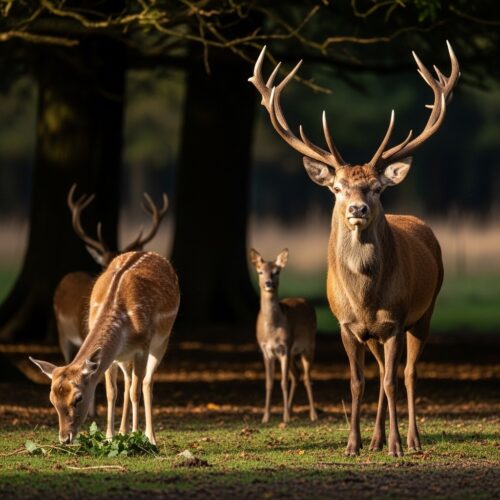
The Unique Cognitive Abilities of Deer
Deer are equipped with a variety of cognitive skills. Here are some key abilities that showcase their intelligence:
- Memory: Deer have strong spatial memory. They can remember the locations of food sources and safe paths through their territory.
- Adaptability: They quickly adapt to changes in their environment. For example, urban deer learn to navigate roads, fences, and human structures.
- Problem-Solving: Deer can solve basic problems. They often find ways to reach food, like jumping over obstacles or figuring out how to get past barriers.
- Communication: They use a range of sounds and body language to communicate. This helps them alert others to danger or signal mating readiness.
These skills are fine-tuned for survival, allowing deer to flourish in diverse habitats.
Deer vs. Human Intelligence
When comparing deer intelligence to that of humans, it’s essential to recognize the differences. Here’s a quick look:
- Brain Size: A deer’s brain is about one-sixth the size of a human brain. While size matters, brain structure and function are more critical in understanding intelligence.
- Learning Styles: Humans excel in complex problem-solving and abstract thinking. Deer, on the other hand, are experts in practical problem-solving related to their environment.
- Social Structures: Deer live in social groups and have learned behaviors that enhance their survival. Unlike humans, their social interactions are primarily based on safety and breeding.
In summary, deer intelligence is context-specific. They may not solve puzzles like humans, but their skills are perfectly adapted for life in the wild.
The Role of Senses in Deer Intelligence
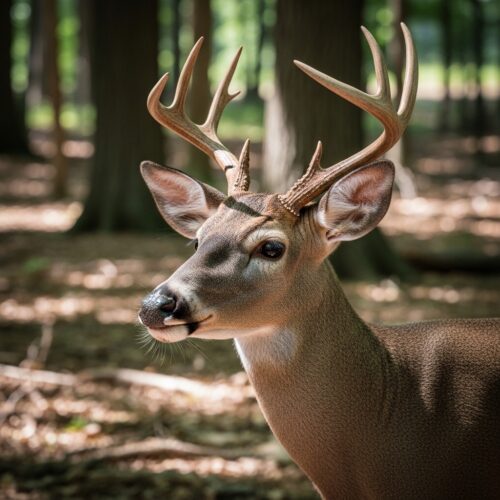
Deer are equipped with remarkable sensory capabilities that play a crucial role in their intelligence and survival. Their senses help them navigate their environment, detect threats, and find food. Let’s dive into how their unique sensory abilities set them apart.
Smell: The Superior Sense
Deer have an extraordinary sense of smell. They possess up to 297 million olfactory receptors, compared to just five million in humans. This allows them to detect scents at incredibly low concentrations. Here’s what this means for their intelligence:
- Identifying Food: Deer can sniff out food sources from great distances.
- Predator Detection: They can detect predators before they’re even visible.
- Social Interactions: Smell helps deer recognize each other and communicate through scent marking.
In practical terms, this means a deer can pick up on the scent of a predator lurking nearby while still being able to identify a delicious patch of clover.
Hearing and Vision: Survival Aids
Deer also excel in hearing and vision. Their ears can rotate independently, allowing them to pinpoint sound sources accurately. Here are some key points:
- Hearing: Deer can hear ultra-high frequencies that humans can’t. This helps them stay alert to potential dangers.
- Vision: Their eyes are positioned on the sides of their heads, giving them a nearly panoramic view of their surroundings—about 310 degrees. This wide field of vision allows them to spot movement quickly.
Together, these senses create a well-rounded survival strategy. For instance, while grazing, a deer can hear a snap of a twig behind them, while also keeping an eye on the horizon for any movement.
Practical Examples of Sensory Adaptation
Deer are masters of adaptability. Here are some real-life scenarios that highlight their intelligence:
- Urban Adaptation: In urban areas, deer have learned to navigate roads and avoid cars, often feeding on gardens and lawns.
- Seasonal Changes: They adjust their foraging behavior based on seasonal food availability, showcasing memory and learning.
These examples illustrate that deer utilize their keen senses not just to survive but to thrive in various environments. Their intelligence shines through in how they interact with their world.
Memory and Learning: Key Components of Deer Intelligence
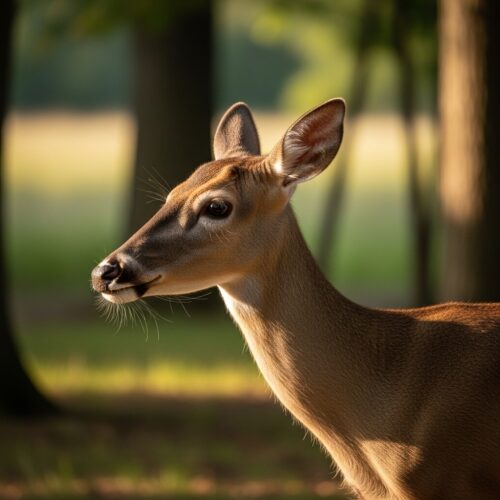
Memory is a game changer for deer. It helps them survive in the wild. Deer use their memory to learn from past experiences. This ability influences their foraging, social behavior, and even threat avoidance.
Long-Term Memory and Environmental Awareness
Deer have impressive long-term memory. They remember essential locations like food and water sources. This memory is crucial for navigating their environment, especially in changing landscapes.
- Food Locations: Deer recall where to find food based on past successes. If a spot yielded tasty treats before, they are likely to return.
- Threat Recognition: For example, some deer avoid areas where they encountered hunters. They can remember specific threats for over two years, adapting their behavior accordingly.
Learning from Experience: Adaptations Over Time
Deer adapt their behavior based on experiences. This learning is vital for their survival.
- Urban Navigation: In cities, deer learn to cross roads safely. They recognize traffic patterns and adjust their crossing times. This shows they’re not just instinctual, but can think ahead.
- Seasonal Behavior: As seasons change, deer modify their foraging strategies. They remember which plants are available at different times of the year, ensuring they have enough to eat.
These examples highlight how deer leverage their memory and learning capabilities. It’s not just about instinct; it’s about smart choices that enhance their survival chances.
Adaptability: Deer Intelligence in Action
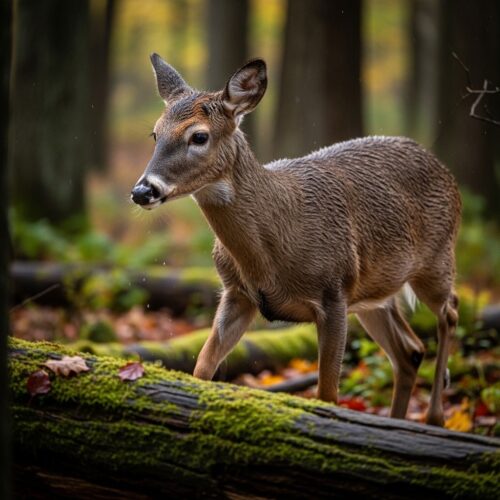
Deer are more than just graceful creatures. They show impressive adaptability and problem-solving skills, especially in changing environments like urban areas. Let’s dive into how these animals navigate their worlds with smarts.
Navigating Urban Landscapes
In cities, deer face unique challenges. They must learn to coexist with humans and their busy lifestyles. Here are some ways deer showcase their intelligence:
- Traffic Awareness: Deer learn to cross roads at quieter times. They observe traffic patterns and adjust their movements accordingly.
- Finding Food: Urban deer have a knack for finding food sources. They raid gardens and bird feeders, adapting their diets to include more human offerings.
- Safe Hiding Spots: In the urban jungle, deer identify safe hiding places. They might choose to rest in secluded spots, like backyards or even storm sewers, to avoid predators.
Problem-Solving in the Wild
Deer also display remarkable problem-solving abilities in the wild. Their adaptability shines through in various scenarios:
- Avoiding Predators: When a hunting season starts, deer change their behavior swiftly. They move from open feeding areas to dense cover to stay safe, showing strategic thinking.
- Learning from Experience: Deer remember where they’ve encountered threats. If they’ve had a close call with a predator, they change their routes to avoid those areas in the future.
- Navigating Obstacles: Deer can figure out how to breach fences or navigate around barriers to access food. This flexibility demonstrates their cognitive abilities in problem-solving.
These examples highlight that deer intelligence isn’t just about instinct. They learn, adapt, and make choices that enhance their survival chances, making them quite remarkable in the animal kingdom.
Social Behavior and Communication Among Deer
Deer are social creatures, and their intelligence shines through in their interactions. They rely on complex communication methods and social structures to thrive in their environments.
Communication Methods: Vocalizations and Body Language
Deer use various ways to communicate, ensuring the herd’s safety and cohesion. Here are some key methods:
- Vocalizations: They grunt, bleat, and snort. Each sound has a specific meaning, from signaling danger to calling for a mate.
- Body Language: Tail positions and postures convey emotions. For example, a raised tail can indicate alarm, while relaxed body posture suggests calmness.
- Chemical Signals: Deer use scents to share important information. They mark their territory and communicate reproductive status through pheromones.
These methods help maintain social bonds and alert the herd to potential threats. By understanding each other’s signals, deer can react quickly to dangers in their environment.
Social Structures: Herd Dynamics and Learning
Deer live in groups, often led by older females. These matriarchs guide the herd and help them navigate challenges. The social structure is crucial for their survival. Here’s how it works:
- Learning from Elders: Younger deer learn essential survival skills from older members. They watch and imitate, picking up on where to find food or how to evade predators.
- Coordinated Behavior: When danger approaches, deer communicate and react as a unit. This collective response enhances their chances of survival.
- Social Hierarchies: Understanding their place in the group helps deer maintain order. Dominant females often lead, while younger ones learn their roles.
For example, in urban areas, deer have adapted their behaviors by observing human patterns. They may time their movements to avoid busy streets, showcasing their problem-solving skills and adaptability. This ability to learn from both their environment and their social group highlights their intelligence compared to other animals.
Comparing Deer Intelligence to Other Animals
When it comes to intelligence, deer have some unique traits. They’re not the smartest animals out there, but they hold their own compared to many. Let’s see how they stack up against domestic and wild animals.
Deer vs. Domestic Animals
When comparing deer to domestic animals, the differences become clear. Here’s a quick rundown:
| Animal | Intelligence Traits |
|---|---|
| Deer | Good memory for threats, adaptable to environments, observant |
| Dogs | Highly trainable, excellent social skills, responsive to humans |
| Cats | Independent problem solvers, quick reactions to danger |
| Farm Animals | Basic problem-solving, some can be trained (like pigs) |
Deer may not respond to commands like dogs, but they excel in remembering past threats. For instance, a deer that encounters a predator learns to avoid that area in the future. This is a key survival skill.
Deer Intelligence Compared to Wild Animals
Now, how do deer compare to other wild animals? Let’s break it down:
- Raccoons: Known for their cleverness, raccoons are problem solvers. They can open containers and navigate complex environments. Deer, on the other hand, rely more on instinct and memory.
- Elephants: These giants are famous for their intelligence and social structures. They can use tools and show empathy. Deer lack this level of social interaction but excel in memory and adaptability.
- Horses: Horses display clear learning abilities and can understand human cues. They also form strong social bonds. Deer’s intelligence is more about survival tactics than social learning.
Key Takeaways
- Deer are smart in their own right, especially when it comes to survival.
- They remember past experiences, which helps them stay safe.
- While they may not be as trainable or social as dogs and horses, their adaptability and observational skills are impressive.
In environments like urban areas, deer have shown remarkable adaptability. For example, they often learn to navigate traffic by observing the flow of cars, demonstrating problem-solving skills. This ability to adapt is a strong indicator of their intelligence compared to other animals.
Frequently Asked Questions
These quick answers cover the most common questions about this topic, including key details, practical tips, and common concerns.
What is the 1 most intelligent animal?
The most intelligent animal is often considered to be the dolphin. Dolphins demonstrate complex problem-solving, social behaviors, and communication skills. They can learn new tasks quickly and even understand abstract concepts.
Are deer highly intelligent?
Deer are quite intelligent in terms of survival skills. They have strong memories, excellent senses, and problem-solving abilities that help them adapt to various environments, including urban areas. While not as trainable as domestic animals, their survival intelligence is impressive.
Which animal has 45 IQ?
The IQ of animals is a debated topic, but some studies suggest that pigs have an IQ around 45. Pigs are known for their problem-solving skills, social complexity, and ability to learn tricks, making them quite intelligent among farm animals.
What animal has 70 IQ?
Elephants are often estimated to have an IQ around 70. They display advanced social behaviors, use tools, and have excellent memories, especially in remembering water sources and social bonds.
How do deer use their senses for survival?
Deer rely heavily on their senses of smell, hearing, and vision. Their keen olfactory sense detects predators early, while their wide field of vision and acute hearing help them stay alert to dangers. These senses enable quick reactions and strategic behaviors for survival.
Can deer learn from their mistakes?
Yes, deer can learn from past experiences. They remember threats and avoid dangerous areas or predators based on previous encounters. This learning helps them adapt their behavior over time for better safety.
What factors influence deer behavior?
Deer behavior is influenced by environmental conditions, seasonal changes, predator presence, and human activity. They adapt their foraging, movement, and social interactions based on these factors to maximize survival.
What are the main senses that contribute to deer intelligence?
Deer’s main senses include their sense of smell, which is highly developed; their sharp hearing; and their panoramic vision. These senses work together to detect threats, find food, and communicate, forming the basis of their survival intelligence.
How does deer intelligence compare to that of dogs?
While dogs are highly trainable and excel in understanding human cues, deer are more specialized for survival. Deer rely on instinct, memory, and sensory perception, whereas dogs are capable of complex social learning and obedience.
Are deer social animals?
Yes, deer are social animals that live in groups called herds. Their social structure involves communication through vocalizations, body language, and scent marking, which helps coordinate group movements and alert others to danger.