
Attracting dragonflies to your backyard not only enhances its beauty but also provides natural pest control. With the right strategies, you can create a welcoming habitat for these beneficial insects. Here’s how to attract dragonflies effectively, with 15 actionable tips.
Create a Water Feature to Attract Dragonflies
Installing a water feature is essential for attracting dragonflies. These fascinating insects lay their eggs in water, making it a vital part of their life cycle. Let’s explore the best options for creating a dragonfly haven right in your backyard.
How to Design an Ideal Pond or Water Garden
A pond is the gold standard for attracting dragonflies. Here’s what to consider:
- Size: Aim for at least 2 feet deep. This depth helps keep the water cooler and provides a safe space for dragonfly larvae to grow.
- Plants: Add native aquatic plants like water lilies. They offer shelter and laying spots for eggs.
- Location: Place your pond in a sunny spot. Dragonflies love basking in the sun.
- Shelter: Include tall grasses and shrubs nearby. They give adult dragonflies a place to rest and hide from predators.
Alternative Water Features for Small Spaces
Don’t worry if you don’t have room for a full pond. There are plenty of smaller options:
- Fountains: A bubbling fountain can attract dragonflies. Just ensure it has shallow areas for laying eggs.
- Birdbaths: These can work too! Just make sure they’re deep enough (at least several inches) and refreshed regularly.
- Water Tubs: A large container filled with water and aquatic plants can serve as a mini-pond.
Maintaining Clean Water for Healthy Habitats
Clean water is crucial for a thriving dragonfly habitat. Here are some tips:
Table of Contents
- Regular Cleaning: Clear debris and algae regularly. This keeps the water healthy and inviting.
- Avoid Chemicals: Stay away from pesticides. They can harm dragonflies and other helpful insects.
- Natural Filtration: Use plants to help filter the water naturally. They not only clean but also provide shelter.
| Water Feature Type | Size Requirement | Benefits for Dragonflies |
|---|---|---|
| Pond | At least 2 ft deep | Ideal for larvae, natural habitat |
| Fountain | Varies | Attracts adults, adds movement |
| Birdbath | Several inches deep | Provides a quick water source |
| Water Tub | Varies | Small but effective, easy to manage |
By creating a water feature, you’re setting the stage for dragonflies to thrive. For those looking to jumpstart their dragonfly garden, consider a Dragonfly Garden Kit to make the process even easier!
Select the Right Plants for Dragonfly Habitat
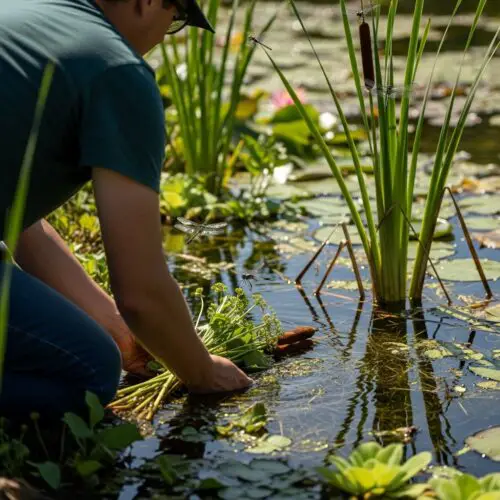
Choosing the right plants is a game-changer when it comes to attracting dragonflies. These beautiful insects thrive in environments with plenty of food, shelter, and places to perch. Let’s dive into the best plants to make your backyard a dragonfly haven.
Top Aquatic Plants for Dragonfly Larvae
Aquatic plants are essential for dragonfly larvae. They offer protection and hunting spots. Here are some top picks:
- Water Lilies: These floating beauties provide shade and a perfect spot for dragonflies to lay eggs.
- Cattails: Not only do they create a cozy environment, but they also serve as a hunting ground for larvae.
- Arrowhead: This plant grows in shallow waters and provides excellent cover for young dragonflies.
- Fanwort: A great underwater plant offering shelter and a place for larvae to thrive.
Best Flowering Plants for Adult Dragonflies
Adult dragonflies love to perch on flowers and shrubs. Here’s a list of flowering plants that attract them:
- Black-eyed Susans: Their bright yellow blooms are hard to resist for dragonflies.
- Meadow Sage: This plant offers both beauty and a resting spot.
- Yarrow: Known for its feathery leaves, yarrow provides a nice perch above the ground.
- Borage: With its star-shaped flowers, borage is attractive to both dragonflies and pollinators.
Native Grasses to Enhance Habitat Diversity
Incorporating native grasses into your garden adds diversity and creates a more natural habitat. Here are some grasses that work well:
- Switchgrass: Tall and sturdy, it provides excellent perching spots.
- Little Bluestem: This grass offers a natural look while attracting dragonflies.
- Prairie Dropseed: Known for its delicate appearance, it also serves as a shelter.
Quick Checklist for Plant Selection
When choosing plants for your dragonfly-friendly garden, consider these tips:
- Native or Local Plants: Always prefer native species for better adaptation.
- Variety: Mix aquatic and flowering plants for diverse habitats.
- Perching Spots: Ensure plants have height for dragonflies to rest.
- Seasonal Blooms: Include plants that bloom at different times for year-round attraction.
By selecting the right combination of plants, you’re not just inviting dragonflies into your backyard. You’re also creating a vibrant ecosystem that benefits both your garden and the environment!
Provide Perching Spots and Open Spaces

To attract dragonflies, you need to create a welcoming environment. They love to perch and rest between hunting sessions. Having open spaces and suitable perching spots is crucial for their activity.
Creating Natural Perches with Plants and Structures
Dragonflies require spots to land and rest. Here’s how to provide them:
- Choose Tall Plants: Incorporate flowering plants and tall grasses that stand above the ground. These serve as perfect perches.
- Add Structures: Consider adding small stakes or bamboo poles. They can sit on these while keeping an eye out for prey.
- Mix Varieties: Use a combination of plants that bloom at different times. This ensures continuous support for dragonflies throughout the seasons.
Designing Open Spaces for Dragonfly Flight Patterns
Open spaces are vital for dragonflies to patrol and hunt effectively. Here’s how to design your garden layout:
- Trim Overgrown Areas: Regularly cut back dense shrubs and trees to create clear flight paths. This helps dragonflies navigate easily.
- Balance is Key: While open spaces are important, also maintain sheltered areas. This provides them with safe spots to retreat when needed.
- Consider Flight Patterns: Observe how dragonflies move in your garden. Adjust the layout to avoid barriers that might hinder their flight.
Importance of Sunlit Areas for Dragonfly Activity
Dragonflies love sunbathing. Sunlit areas help them regulate their body temperature. Here’s how to create sunny spots:
- Clear Foliage: Trim back any plants that block sunlight. Create patches where the sun shines directly on the ground.
- Position Wisely: Place perching plants in sunny areas. This encourages dragonflies to come and settle.
By setting up perching spots and open areas, you create a dynamic environment for dragonflies. Want a little help getting started? Consider using a Dragonfly Garden Kit for a great selection of plants and materials!
Avoid Pesticides and Chemicals

Pesticides might seem like a quick fix for garden pests, but they can hurt dragonflies and the ecosystems around them. Choosing organic methods benefits both your plants and these beautiful insects.
The Dangers of Chemical Pesticides to Dragonflies
Chemical pesticides can be deadly for dragonflies, even in small amounts. These chemicals disrupt their life cycle and can kill off larvae in the water. When larvae die, fewer dragonflies grow up to control pesky insects.
Here’s why you should steer clear of pesticides:
- Toxic Effects: Pesticides can harm not just pests but also beneficial insects like dragonflies.
- Water Contamination: Chemicals can wash into ponds, impacting dragonfly habitats during their early life stages.
- Ecosystem Imbalance: Reducing dragonfly populations can lead to a rise in unwanted pests, creating more problems.
Natural Pest Control Techniques
Instead of reaching for chemicals, try these natural pest control methods:
- Encourage Beneficial Insects: Attract ladybugs and spiders, which help manage pests naturally.
- Plant Companion Crops: Grow plants that repel pests or attract beneficial insects. For example, marigolds deter aphids.
- Introduce Natural Predators: Birds and frogs can help keep pest numbers down without harming your dragonflies.
Building a Balanced Ecosystem for Pest Management
Creating a diverse garden is key to attracting dragonflies. Here are some steps to foster a healthy ecosystem:
- Plant Variety: Include native and aquatic plants. They provide food and shelter for dragonflies.
- Create Water Features: Dragonflies need water to breed. A small pond can be a perfect habitat.
- Maintain Biodiversity: Promote a range of plant and animal life. This attracts dragonflies and supports natural pest control.
By avoiding pesticides and focusing on organic gardening practices, you’ll create a welcoming environment for dragonflies while enjoying a healthier garden.
Understand the Life Cycle of Dragonflies
Dragonflies have a fascinating life cycle that relies heavily on water. Understanding their stages can help you create a welcoming backyard habitat.
Egg, Nymph, and Adult Stages Explained
Dragonflies undergo three main stages:
1. Egg Stage:
- Female dragonflies lay eggs in or near water.
- Eggs hatch into nymphs within a few weeks, depending on species and environmental conditions.
2. Nymph Stage:
- This is the longest phase, lasting from a few months to several years.
- Nymphs live underwater, developing in ponds or streams.
- They need clean water with plenty of vegetation to thrive and hide from predators.
3. Adult Stage:
- After molting, nymphs emerge as adults.
- They spend most of their time near water, where they hunt for insects and mate.
Role of Water Bodies in Dragonfly Development
Water bodies are vital for dragonfly development. Here’s why:
- Breeding Ground: Dragonflies require water to lay eggs.
- Larval Habitat: Nymphs live in water, which provides food and protection.
- Predator Avoidance: Aquatic environments help nymphs evade birds and other predators.
Duration of Each Life Stage and Its Importance
Understanding the duration of each life stage helps in planning your garden:
- Egg Stage: Lasts a few weeks.
- Nymph Stage: Can last 1-5 years, depending on conditions.
- Adult Stage: Generally lasts a few weeks to months.
The longer nymph stage allows for population growth if conditions are right. A well-maintained water feature can support this life cycle, ensuring dragonflies thrive in your backyard.
Quick Checklist for Supporting Dragonfly Life Cycle
- Install a water feature (pond or fountain).
- Choose native plants for nymph habitat.
- Maintain clean water free of pollutants.
- Avoid pesticides to protect all life stages.
Creating a dragonfly-friendly environment ensures these beautiful insects can thrive, benefiting your garden and the ecosystem!
Encourage Biodiversity in Your Garden
Creating a diverse ecosystem in your backyard is a fantastic way to attract dragonflies. A variety of plants and habitats supports their diet and encourages a healthy environment. Let’s dive into how you can make your garden a dragonfly haven.
Importance of Diverse Plant Life for Dragonflies
Dragonflies are attracted to gardens rich in diverse plant life. Different plants bring various insects, which serve as food for dragonflies. Here are some tips to enhance your plant variety:
- Native Plants: Choose plants that are native to your area. They are better at supporting local insects.
- Aquatic Plants: Incorporate water-loving plants like water lilies or cattails around your pond. These attract both dragonflies and their prey.
- Flower Variety: Plant a mix of flowers. Bright blooms can attract butterflies and bees, which are great food sources.
For example, planting daisies or coneflowers can draw in pollinators, creating a buffet for dragonflies.
Supporting Local Wildlife with Varied Habitats
Biodiversity isn’t just about plants. It’s also about creating different habitats. Here’s how to support local wildlife:
- Create Shelter: Add rocks, logs, or brush piles. These provide hiding spots for insects and small animals.
- Sunny Spots: Dragonflies love to bask in the sun. Make sure there are open areas for them to warm up.
- Water Features: Install a pond or fountain. This creates a breeding ground for dragonflies and a habitat for their larvae.
By supporting a range of species, you’ll foster a balanced ecosystem that attracts dragonflies while benefiting your garden’s health.
Creating Microhabitats for Ecosystem Balance
Microhabitats play a vital role in attracting dragonflies. These small areas can provide specific conditions that benefit different species. Here are some ideas:
- Shady Areas: Plant trees or tall shrubs to create shaded spots. This helps maintain moisture in the soil.
- Wet Zones: Designate a part of your garden to stay damp. This can be a small bog or a low area where rainwater collects.
- Diverse Heights: Include plants of varying heights. Tall plants provide perching spots, while shorter ones attract insects on the ground.
These microhabitats not only support dragonflies but also contribute to a thriving ecosystem overall. By embracing biodiversity, you’ll see more dragonflies flitting about, enhancing both the beauty and health of your backyard.
Offer Sunny Areas for Basking
Dragonflies love to soak up the sun. They need sunny spots to warm up and regulate their body temperature. Creating these sunlit areas in your garden is simple and essential for attracting dragonflies.
Identifying Optimal Sunlit Areas in Your Yard
Look for places in your yard that receive direct sunlight for most of the day. Here are some tips to help you find those perfect sunny spots:
- Observe Sun Patterns: Spend some time watching how sunlight moves through your yard during the day. Identify areas that stay bright and warm.
- Trim Overhanging Foliage: If trees or tall plants block sunlight, consider trimming them back. This opens up sunny patches for dragonflies to bask.
- Create Open Spaces: Clear out any clutter or dense plantings that may block sunlight. Wide, open spaces are ideal for dragonflies to zoom around.
Planting Strategies for Sun-Exposed Gardens
Choosing the right plants can enhance these sunny areas. Here’s how to maximize your garden for dragonflies:
- Select Sun-Loving Plants: Choose flowers and grasses that thrive in sunlight. Examples include coneflowers, black-eyed Susans, and tall grasses.
- Diverse Heights: Plant a mix of tall and short plants. Tall plants offer perching spots while shorter ones attract insects.
- Placement Near Water Features: Position these plants near a water source, like a pond or birdbath. This creates an inviting habitat for dragonflies.
Benefits of Sunlight for Dragonfly Behavior and Activity
Sunlight plays a crucial role in dragonfly behavior. Here’s why it matters:
- Temperature Regulation: Sunlight helps dragonflies warm up their bodies, making them more active and ready to hunt.
- Increased Hunting Success: Warm dragonflies are better hunters. They can catch more pests, helping control unwanted insects in your yard.
- Enhanced Mating: Sunlit areas can attract more dragonflies, especially during mating season. More dragonflies mean a thriving ecosystem in your backyard.
By creating sunny areas, you not only attract dragonflies but also encourage a vibrant, healthy garden.
Maintain Open Spaces for Hunting and Patrolling
Creating open spaces in your garden is essential for attracting dragonflies. These natural aerial hunters need room to patrol and catch their prey. Here’s how to manage your garden layout to create the perfect environment for them.
Creating Clear Flight Paths in Your Garden
Dragonflies thrive in open areas. They need clear flight paths to hunt effectively. Here are some tips to create those paths:
- Trim Overgrown Shrubs and Trees: Keep some areas of your garden free from dense vegetation. This allows dragonflies to zoom around without obstacles.
- Designate Open Spaces: Aim for patches of grass or bare soil where dragonflies can easily navigate. A small clearing can make a big difference.
- Mix Open and Sheltered Areas: While open spaces are crucial, dragonflies also need spots to rest. Balance your garden by having both open areas and sheltered spots.
Trimming Overgrown Areas for Ideal Habitat
Regular maintenance is key to ensuring your garden remains dragonfly-friendly. Overgrown areas can deter them. Here’s what to focus on:
- Regularly Assess Your Garden: Take a walk through your garden at least once a month. Look for areas that have become too dense and need trimming.
- Use Natural Barriers: Instead of dense hedges, consider using low-growing plants or decorative stones to create boundaries. This keeps the space open while still providing some shelter.
- Encourage Diversity: Having a mix of plants can attract dragonflies and other beneficial insects. Different plants offer various perching spots for them.
Understanding Dragonfly Hunting Behavior
To attract more dragonflies, it helps to understand how they hunt. They are skilled predators, and knowing their behavior can guide your gardening efforts.
- Hunting Zones: Dragonflies often hunt near water bodies. Position your water feature where it’s easily visible yet surrounded by open spaces.
- Visual Cues: They rely on sight to catch prey. Planting flowers with isolated leaves or tall flower stalks can provide easy landing spots while allowing them to spot their next meal.
- Monitor the Action: Spend some time observing your garden. Notice where dragonflies are most active, and adjust your layout to maximize these areas.
By maintaining open spaces and understanding dragonfly behavior, you can create a thriving environment in your backyard. Regular upkeep and thoughtful design will keep them coming back!
Provide Shelter from Wind and Predators
Dragonflies need safe spots to rest and hide from predators. Creating these sheltered environments in your garden is key to attracting them.
Creating Natural Windbreaks with Plants
Planting the right greenery can provide wind protection. Choose dense shrubs or tall grasses to create natural barriers. Here are some great options:
- Native Grasses: They thrive in your local climate and provide excellent cover.
- Evergreen Shrubs: These offer year-round protection from harsh winds.
- Tall Perennial Flowers: They can also serve as a shield while adding color to your garden.
These plants not only shelter dragonflies but also enhance your garden’s beauty.
Using Garden Structures for Dragonfly Refuge
You can also build structures to offer shelter. An insect hotel is a fantastic idea! Fill a birdhouse with:
- Bark
- Straw
- Twigs
Position this near your water feature. It’ll give adult dragonflies a cozy spot to rest after a long day of hunting.
Beneficial Shelters for Larval and Adult Stages
Dragonflies go through various life stages. Their larvae live in water, so having a healthy pond is crucial. Ensure your water feature has:
- Aquatic Plants: They provide food and hiding spots for larvae.
- Rocks or Logs: These give adult dragonflies perching areas and spots to warm up in the sun.
By creating a mix of these elements, you can support both adult dragonflies and their young. Remember, a diverse ecosystem attracts more dragonflies, making your garden a buzzing haven!
Use Natural Pest Control Techniques
Creating a dragonfly-friendly backyard involves more than just adding water features. It means fostering a healthy ecosystem. Using natural pest control methods will help you attract these beautiful insects while keeping your garden thriving.
Encouraging Beneficial Insects for Pest Management
Dragonflies love a buffet of insects. To keep them around, you need to encourage other beneficial bugs, too. Here’s how:
- Create a Diverse Plant Palette: Plant a variety of flowers and shrubs. This draws in pollinators and other insects that dragonflies feed on.
- Avoid Pesticides: Chemical sprays can harm dragonflies and their food sources. Instead, rely on natural methods.
- Introduce Insect Hotels: Build small shelters with sticks, straw, and bark. These attract beneficial insects like spiders and beetles, which are part of the dragonfly diet.
Using Organic Solutions for Pest Problems
When pests invade, go organic. Here are some effective methods to keep your garden healthy:
- Neem Oil: This natural pesticide disrupts the life cycle of common pests without harming dragonflies.
- Companion Planting: Certain plants repel pests naturally. For example, marigolds deter aphids and other nuisances.
- Handpicking: Sometimes, a good old-fashioned pick-off is the best way to manage pests. Just check your plants regularly!
The Role of Dragonflies in Your Pest Control Strategy
Dragonflies are nature’s own pest control agents. They consume a lot of unwanted insects, making them essential for a healthy garden. Here’s why they matter:
- Mosquito Control: One dragonfly can eat hundreds of mosquitoes in a day.
- Ecosystem Balance: Healthy dragonfly populations indicate a balanced ecosystem. They thrive in clean water, so their presence is a good sign for your backyard.
- Lifecycle Awareness: Understanding dragonflies’ life stages helps you maintain their habitat. Their larvae live in water, so a clean pond or water feature is key.
By incorporating these natural pest control techniques, you create an inviting space for dragonflies. Plus, you’ll enjoy a healthier, more vibrant garden!
Implement Seasonal Care Tips for Dragonfly Habitats
Creating a dragonfly-friendly backyard isn’t a one-time task. It’s essential to adjust your care routine with the seasons. This way, you’ll keep your garden thriving and attractive to these beautiful insects all year round.
Spring Preparation for Dragonfly Habitats
Spring is the perfect time to set the stage for dragonflies. Here’s what you can do:
- Install or Clean Your Water Feature: If you have a pond or water garden, clean it up. Ensure it’s at least 2 feet deep to provide a safe nursery for dragonfly larvae.
- Add Native Plants: Choose native aquatic plants. They provide shelter and food for emerging dragonflies. Look for species that thrive in your region.
- Create Perching Spots: Position rocks, logs, or tall plants around your water feature. Dragonflies love to perch and warm up in the sun.
Summer Maintenance Tips to Attract More Dragonflies
During summer, your focus shifts to maintenance and observation:
- Keep Water Clean: Regularly check your water feature for debris. Clean water attracts dragonflies and keeps larvae healthy.
- Provide Sunny Areas: Ensure there are sunny spots for dragonflies to bask. They need warmth to fly actively.
- Avoid Pesticides: Steer clear of chemical treatments. They can harm dragonflies and the insects they eat.
Fall Cleanup for Winter Resilience
As temperatures drop, prepare your habitat for winter:
- Trim Back Plants: Cut back overgrown vegetation but leave some stems standing. They provide shelter for dragonflies and other beneficial insects.
- Seal Up Water Features: If you have a pond, consider installing a net to prevent debris buildup. Clean out any fallen leaves to keep the water clear.
- Plan for Next Spring: Make a list of any additional plants or features you want to install next season. This will keep your dragonfly habitat healthy and vibrant.
Seasonal Checklist
Here’s a quick checklist to keep your dragonfly habitat thriving throughout the seasons:
| Season | Task |
|---|---|
| Spring | Install or clean water feature |
| Add native plants | |
| Create perching spots | |
| Summer | Keep water clean |
| Provide sunny areas | |
| Avoid pesticides | |
| Fall | Trim back plants |
| Seal up water features | |
| Plan for next spring |
By following these seasonal tips, you’ll create a welcoming environment for dragonflies and enjoy their beauty and pest control benefits all year long!
Explore Local Plant Varieties to Attract Dragonflies
Understanding local flora is key to creating a dragonfly-friendly environment. Native plants not only thrive in your region but also attract the insects that dragonflies love to munch on. Let’s dive into how to select the right plants for your garden.
Identifying Native Plants in Your Area
Start by figuring out which plants are native to your region. Native plants are adapted to your local climate, soil, and pests. They also support local wildlife, including dragonflies.
Here are some common native plants to consider:
- Black-eyed Susan: Bright and cheerful, these flowers attract many insects.
- Meadow Sage: A lovely plant that provides nectar for dragonflies.
- Yarrow: Not only does it look good, but it also attracts beneficial bugs.
- Borage: Its vibrant blue flowers are a magnet for pollinators.
How to Source Local Plant Varieties for Your Garden
Finding local plant varieties is easier than you think. Check out local nurseries, garden clubs, or conservation groups. They often have a selection of native plants.
Here are some tips for sourcing:
- Visit Local Nurseries: They usually stock regional plants.
- Join Gardening Clubs: Connect with fellow gardeners who know the best sources.
- Attend Plant Fairs: These events often feature native plants and knowledgeable vendors.
Benefits of Planting Local Flora for Ecosystem Health
Planting local flora is a win-win for your garden and the ecosystem. Native plants support a balanced environment. They help maintain soil health, attract pollinators, and provide food for dragonflies.
Benefits include:
- Less Maintenance: Native plants require less water and care.
- Pest Control: They attract beneficial insects that keep pests at bay.
- Enhanced Biodiversity: A diverse plant community supports a variety of wildlife.
By focusing on local plants, you’ll create a thriving habitat for dragonflies. Plus, you’ll enjoy the beauty and ecological benefits they bring to your backyard.
Include Educational Insights on Dragonfly Behavior
Understanding dragonfly behavior is essential for creating an inviting backyard. These fascinating insects have unique habits and preferences that you can leverage to attract them.
Understanding Dragonfly Feeding and Mating Habits
Dragonflies are skilled hunters. They feast on insects like mosquitoes, flies, and even gnats. A single dragonfly can eat dozens of these pests each day.
- Feeding: Dragonflies catch their prey mid-air. They use their incredible flying skills to swoop in quickly. Providing plenty of insects around your garden will help keep them fed.
- Mating: During mating, male dragonflies often establish territories. They perform aerial displays to attract females. Creating a safe and inviting habitat can encourage these displays, making your garden a dragonfly hotspot.
The Role of Temperature and Weather in Dragonfly Activity
Dragonflies love warm weather. They are most active on sunny days with mild temperatures. Here’s what you can do:
- Sunny Areas: Ensure there are sunny spots in your garden for dragonflies to bask. They need warmth for energy.
- Weather Patterns: Be aware of seasonal changes. Dragonflies tend to be more active in late spring and summer. This is the best time to observe their behavior.
Observing Dragonfly Patterns for Garden Management
Monitoring dragonfly activity can help you manage your garden better. Here’s how:
- Keep a Journal: Document when and where you see dragonflies. Note the time of year and weather conditions. This will help you understand what attracts them.
- Identify Species: Learn to recognize different dragonfly species. Each may have specific preferences for habitat and food sources.
By understanding these behaviors, you can create a thriving environment for dragonflies in your backyard. They’re not just pretty to look at; they’re also invaluable for pest control and enhancing your garden’s ecosystem!
Address Common Misconceptions about Dragonflies
Dragonflies are fascinating creatures, but there are many myths surrounding them. Understanding these misconceptions can help you appreciate their benefits and encourage more people to attract them.
Myths About Dragonflies and Their Behavior
Here’s a quick look at some common myths about dragonflies compared to the facts.
| Myth | Fact |
|---|---|
| Dragonflies are aggressive. | They are harmless and won’t sting or bite humans. |
| Dragonflies only eat mosquitoes. | They eat a variety of insects, not just mosquitoes, enhancing pest control. |
| Dragonflies are only around water. | They can be found in various habitats but prefer areas near water. |
Understanding the Importance of Dragonflies in Nature
Dragonflies play a crucial role in our ecosystem. They are not just beautiful; they also help keep pest populations in check. A single dragonfly can eat hundreds of mosquitoes in a day! This makes them excellent allies for anyone looking to reduce pests naturally.
Additionally, dragonflies are indicators of a healthy environment. Their presence suggests clean water and a balanced ecosystem. If you see them buzzing around your garden, it’s a good sign that you’re doing something right!
Fostering a Positive Image of Dragonflies
To attract dragonflies, you need to create a welcoming habitat. Here are some tips:
- Install a Water Feature: A pond or water garden is essential. It provides a place for them to lay eggs and for larvae to develop.
- Choose Native Plants: Select aquatic and native plants. They offer food and shelter for dragonflies.
- Avoid Pesticides: Using chemicals can harm dragonflies and disrupt their food sources.
- Provide Perching Spots: Add tall plants or stakes near the water. This gives dragonflies a place to rest and hunt.
By debunking myths and promoting the benefits of dragonflies, you can create a thriving environment in your backyard.
Frequently Asked Questions
These quick answers cover the most common questions about this topic, including key details, practical tips, and common concerns.
What can I put in my yard to attract dragonflies?
You should create a water feature, such as a pond, fountain, or birdbath, with shallow areas for egg-laying. Native aquatic plants like water lilies, cattails, and arrowhead provide shelter and breeding sites. Adding perching spots like tall grasses or stakes also encourages adult dragonflies to rest and hunt.
Where do dragonflies go at night?
Dragonflies typically seek sheltered areas to rest at night. They often hide among tall grasses, shrubs, or under leaves. In colder regions, they may find crevices or dense vegetation to avoid harsh weather. Creating sheltered spots in your garden helps support their nighttime safety.
How to get a dragonfly to come to you?
Provide a suitable habitat with clean water, native aquatic plants, and open sunny spaces. Avoid pesticides and keep water fresh. Dragonflies are attracted to movement and sunlight, so placing perches nearby and maintaining warm, sunny areas encourages them to settle.
Why attract dragonflies to your yard?
Dragonflies help control pest insects like mosquitoes and flies naturally. They also add beauty and ecological balance to your garden. Their presence indicates a healthy environment, and they support local biodiversity by preying on harmful insects.
Do dragonflies sting or bite?
No, dragonflies do not sting or bite humans. They are harmless and pose no threat. They are beneficial predators that focus on catching insects in flight.
What plants are best for attracting dragonflies?
Aquatic plants like water lilies, cattails, arrowhead, and fanwort attract larvae and provide breeding sites. For adults, flowering plants such as black-eyed Susans, meadow sage, yarrow, and borage offer perching and nectar sources. Native plants are especially effective.
How can I maintain a dragonfly-friendly garden year-round?
In spring, install or clean water features and add native aquatic plants. During summer, keep water clean and provide sunny perching areas. In fall, trim plants and prepare water features for winter. Regularly monitor and avoid pesticides to support all life stages.
What should I know about the dragonfly lifecycle stages?
Dragonflies lay eggs in water, which hatch into nymphs (larvae). Nymphs live underwater for months or years before molting into adults. Adults emerge, mate, and continue the cycle. Maintaining clean water and native plants supports each stage.
Why are dragonflies beneficial beyond pest control?
Besides eating pests like mosquitoes, dragonflies indicate good water quality and ecosystem health. They promote biodiversity by supporting food webs. Their presence helps maintain balanced, resilient gardens and natural environments.