
Choosing the right orchid for your home can be an exciting journey. With so many beautiful varieties available, it can feel overwhelming. But don’t worry! Together, we’ll explore everything you need to know to make the right choice. Read Interesting article: Discover the Best Orchid Types for Your Indoor Jungle
Understanding Orchids: An Overview
What Are Orchids?
Orchids are a diverse family of flowering plants known scientifically as Orchidaceae. They’re celebrated for their stunning flowers and unique structures. I remember the first time I encountered an orchid; I was captivated by its intricate beauty. There are over 25,000 species of orchids and thousands of hybrids available today. This variety means there’s likely an orchid that fits just about any style or preference you might have.
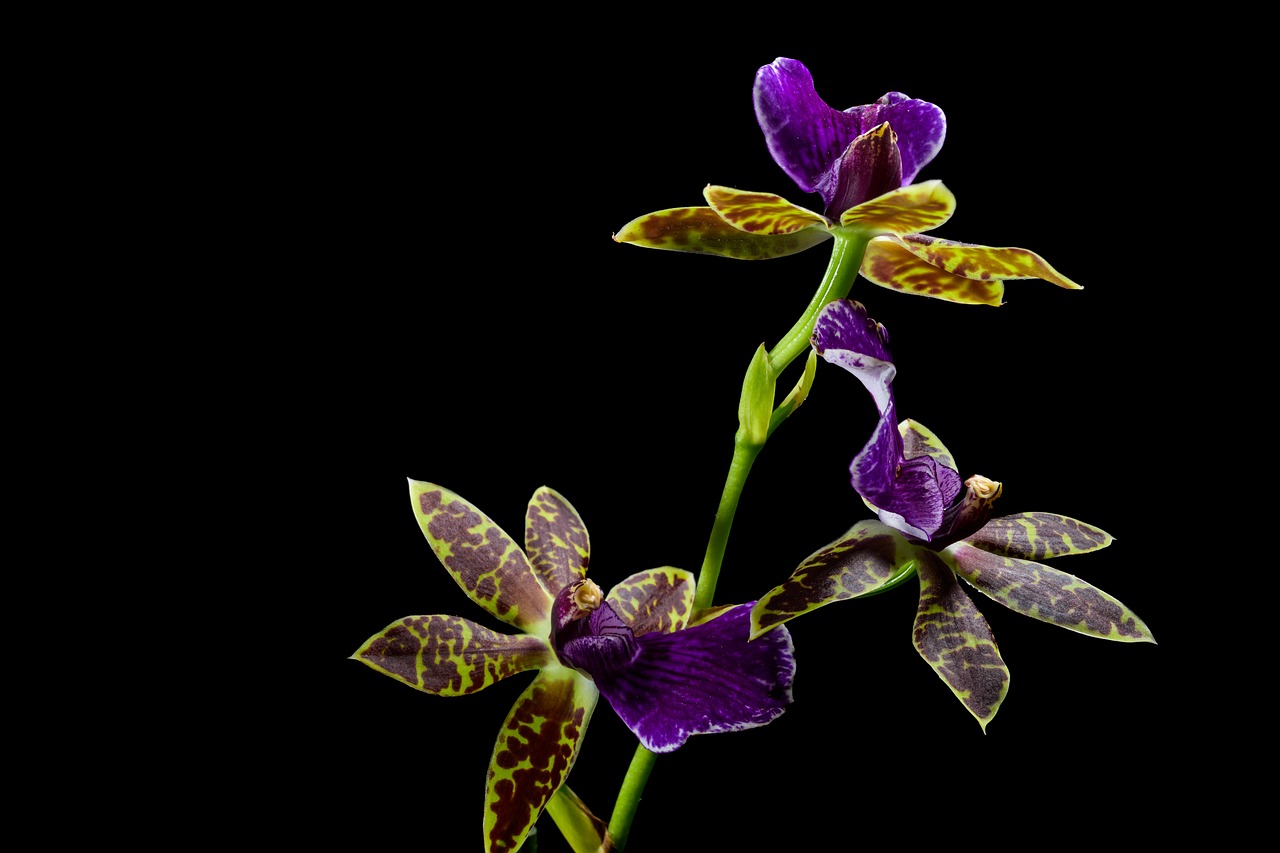
What makes orchids so special is their adaptability. They thrive in various environments, from tropical rainforests to arid regions. This means they come in different shapes, colors, and sizes, so you can find one that truly resonates with your home decor and personal taste. I find it fascinating how each type has its own unique charm, making them great conversation starters!
Why Choose Orchids for Home Decor?
Orchids bring an elegance and vibrancy that can transform any living space. I can’t tell you how many times I’ve walked into a room with orchids and felt an instant uplift in mood. These plants are not just beautiful; they symbolize love, beauty, and strength. Having them in your home can serve as a daily reminder of those virtues.
Another reason I love orchids is how versatile they are. They can be displayed in so many ways: in pots, hanging baskets, or even mounted on decorative pieces. I’ve seen them used as centerpieces at dinner parties or as a lovely accent on a windowsill. Plus, they can bloom for several weeks, sometimes even months, which means you’ll have long-lasting beauty right at your fingertips.
Orchids are also relatively easy to care for once you understand their needs. Unlike some houseplants that require constant attention, many orchids can adapt to your routine quite well. In my experience, they add a touch of nature to any home without demanding too much in return. This balance of beauty and ease makes them an excellent choice for both novice and experienced plant enthusiasts.
Types of Orchids: Exploring Options
Phalaenopsis (Moth Orchid)
Phalaenopsis, commonly known as the moth orchid, is perhaps the most recognized type of orchid. When I first started my orchid collection, I chose a Phalaenopsis because of its beautiful, long-lasting blooms that come in various colors. They are perfect for beginners since they require less light and can thrive in typical home conditions. The graceful, arching flowers are reminiscent of moths in flight, which is how they got their name. I’ve found that they blossom beautifully for weeks, bringing a sense of joy to my space.
Cattleya Orchids
Next up is the Cattleya orchid, known for its large, fragrant blooms. These orchids are often used in corsages due to their stunning appearance. I love how they can fill a room with their sweet aroma. Cattleyas prefer brighter light and slightly cooler temperatures, which makes them perfect for a sunny window. I’ve seen them transform spaces with their bold colors and delightful fragrance. Read Interesting article: Top 10 Stunning Orchid Varieties for Tropical Plant Lovers
Dendrobium Orchids
Dendrobium orchids are another popular choice. They have a wide range of flower shapes and colors, making them visually striking. I remember when I first saw a Dendrobium in full bloom; it had so many layers and textures that it felt almost like a piece of art. These orchids generally prefer bright, indirect light and can tolerate cooler temperatures, making them quite adaptable.
Oncidium Orchids
Oncidium orchids, often referred to as “dancing ladies,” are known for their petite flowers that often appear in clusters. I’ve always loved how whimsical they look, as if they are dancing in the breeze. They thrive in lower light conditions and are generally quite forgiving, making them ideal for those who may not have the perfect lighting at home.
Vanda Orchids
If you’re looking for something vibrant, Vanda orchids might be the way to go. They come in bright colors and often have a unique, striking appearance. I find that Vandas crave light, so they thrive in sunny spots or even outdoors in warm climates. Their bold colors can really make a statement in any room.
Paphiopedilum (Lady Slipper Orchid)
Paphiopedilum, or lady slipper orchids, are known for their unique slipper-shaped blooms. They have a certain charm that drew me in when I first saw one. These orchids prefer lower light and can be a bit challenging for beginners, but the reward of seeing their unusual flowers makes the effort worthwhile.
Miltonia (Pansy Orchid)
Lastly, the Miltonia orchid, often called the pansy orchid, has flowers that resemble pansies. I appreciate their cheery appearance, which can brighten up any space. They prefer moderate light and consistent watering, making them a bit more demanding but so rewarding when they bloom. They really do have a personality of their own!
Factors to Consider When Choosing Orchids
Light Requirements
Understanding light requirements is crucial when selecting the right orchid for your home. I learned this the hard way when I bought a beautiful Dendrobium orchid without checking how much sunlight it needed. I had placed it in a corner with dim lighting, and it didn’t bloom as expected. Orchids generally thrive in bright, indirect light, but the specific needs can vary by type. For instance, Phalaenopsis orchids tolerate lower light, while Vanda orchids crave a sun-soaked spot. I recommend observing the natural light in your home throughout the day to identify the best locations for your future orchid friends.
Temperature Preferences
Temperature plays a significant role in orchid health. Most orchids prefer a temperature range between 65°F to 75°F during the day and slightly cooler at night. I remember moving my Cattleya from a cooler room to a warmer one, and it bloomed beautifully afterward! However, some orchids, like the Paphiopedilum, can be a bit fussier. They thrive in cooler settings, so it’s essential to consider the climate in your home. You might even want to use a thermometer to track the temperature in different rooms, ensuring your chosen orchid will be comfortable.
Humidity Levels
Humidity is another vital factor to keep in mind. Orchids typically prefer humidity levels between 40% and 70%. I’ve noticed that my orchids flourish when I keep the humidity up; I even use a small humidifier in the winter months when the air tends to be dry. If you don’t have a humidifier, placing a tray of water with pebbles near your orchids can help. The evaporation from the water increases the humidity around your plants. It’s fascinating how small adjustments can lead to significant improvements in growth and blooming!
Watering Needs
Watering can be a bit tricky when it comes to orchids. I used to water my orchids on a strict schedule, but I quickly learned that they thrive on a more nuanced approach. Overwatering can lead to root rot, while underwatering can stress the plant. I’ve found that the best practice is to check the potting medium. If it feels dry to the touch an inch or two down, it’s time to water. I often recommend using room-temperature water and allowing excess to drain to keep the roots happy. Adjusting to their specific needs can make a world of difference.
Growth Habits and Space Considerations
Lastly, consider the growth habits of the orchids you’re interested in. Some, like the Oncidium, tend to grow tall and may require a bit more vertical space, while others, like the Miltonia, spread out more. I think about how much space I have available and how I want my orchids to fit into my home decor. Assessing your available space and the eventual size of the orchid will help ensure you don’t end up with a crowded plant display. I’ve learned to plan where I’ll place my orchids, factoring in their growth habits to avoid any surprises down the line. Read Interesting article: Ultimate Guide to Popular Orchid Types for Your Garden
Where to Place Your Orchids at Home
Best Indoor Locations for Orchids
Finding the best indoor locations for your orchids can be a fun experience. I’ve discovered that south-facing windows often provide the most ideal light for many orchids. They allow for plenty of bright, indirect light that most orchids love. However, I’ve also had success with east-facing windows, where the morning sun is gentle and nurturing. I recommend rotating your orchids regularly to ensure all sides get even light. This simple habit has helped keep my plants healthy and balanced!
Outdoor Options for Growing Orchids
If you live in a warm climate, you might consider growing orchids outdoors. I’ve had the joy of placing some of my orchids on the patio during the summer months, where they can soak up natural sunlight and the fresh air. Just be sure to keep an eye on them during extreme heat or heavy rain, as orchids can quickly become stressed in those conditions. It’s also wise to bring them inside if temperatures drop, as most orchids aren’t frost-tolerant.
Creating the Ideal Microclimate
Creating the ideal microclimate for your orchids can make a significant difference in their health and vibrancy. I’ve experimented with different setups at home, and I’ve found that grouping my orchids together can help elevate humidity levels around them. Using decorative pebbles and water trays can also improve the microclimate in your orchid corner. I think it’s amazing how small tweaks can enhance their growing conditions. Whether indoors or outdoors, taking the time to create a suitable environment will pay off in the long run.
Care and Maintenance of Your Orchids
Potting and Repotting Techniques
Taking care of orchids starts with proper potting. I remember the first time I repotted my orchid; it was a bit nerve-wracking! But I learned that using the right potting medium is essential. Orchids typically prefer a mix of bark, sphagnum moss, and perlite to allow for good drainage and air circulation. I found that a pot with drainage holes is crucial to prevent water from accumulating at the bottom, which can lead to root rot.
When it comes to repotting, I usually wait until my orchid has finished blooming. This gives the plant time to focus on new growth. I’ve found that repotting every one to two years is a good rule of thumb. When I do this, I gently remove the old potting material and inspect the roots. Healthy roots should be firm and white, while any mushy or dark roots should be trimmed away. After repotting, I give my orchids a little time to adjust before resuming my regular watering schedule.
Fertilization Tips
Feeding orchids can feel a bit daunting at first, but I’ve discovered that it’s simpler than it seems. I like to use a balanced fertilizer specifically made for orchids, typically 30-10-10 or similar ratios. I remember the first time I fertilized my orchids; I was worried about overdoing it. But I learned that during the growing season, which is usually spring and summer, orchids benefit from regular feeding every two to four weeks. In the fall and winter, I cut back to once a month or even less.
I’ve found it helpful to dilute the fertilizer to half the recommended strength to avoid burning the roots. Another tip I learned is to fertilize after watering, which helps prevent any potential root damage. It’s amazing how a little nourishment can lead to more vibrant blooms!
Common Pests and Diseases
As much as I love orchids, pests can sometimes be a nuisance. I’ve had my fair share of battles with aphids and spider mites. One thing I’ve learned is to keep a close eye on my plants. If I notice sticky residue or webbing, it’s a sign something may be off. For me, a gentle spray of insecticidal soap or neem oil usually does the trick. I’ve found that treating them early helps prevent a more significant infestation.
Fungal infections can also be a concern, particularly if the humidity is too high. I remember losing an orchid to root rot because of overwatering. Now, I’m careful to ensure my orchids have good air circulation and don’t sit in waterlogged pots. If I see any signs of rot, I quickly remove the affected parts and repot the plant if necessary. Staying vigilant has helped keep my orchids healthy and thriving!
Pruning and Grooming Your Orchids
Pruning may sound intimidating, but it’s a vital part of orchid care that can promote new growth. I’ve learned that removing dead or yellowing leaves helps the plant focus its energy on healthy growth. When I prune, I use sterilized scissors to prevent the spread of disease. I remember the first time I cut back a flower spike after blooming; I was hesitant, but soon enough, new shoots emerged.
Grooming doesn’t just stop at pruning; I also make it a point to clean the leaves of my orchids. Dust can accumulate and block sunlight, so I gently wipe the leaves with a damp cloth. This simple act has helped my orchids glow with health. Plus, it’s a nice way to connect with my plants, and I always feel a sense of accomplishment afterward!
Common Mistakes to Avoid
Overwatering vs. Underwatering
One of the most common mistakes I’ve seen, and even made myself, is overwatering orchids. It’s so easy to think they need more water when, in reality, they thrive on a delicate balance. I often check the potting medium by sticking my finger about an inch deep; if it feels dry, it’s time to water. I’ve learned that letting them dry out a bit between waterings promotes healthy root growth. On the flip side, underwatering can also stress the plant, so finding that sweet spot is key.
Ignoring Light Conditions
When I first got into orchids, I didn’t pay much attention to their light requirements. I placed some in dim corners, thinking they’d be fine, but they just didn’t thrive. Now, I’ve learned to be mindful of each orchid’s light needs. I think about their natural habitats and try to replicate those conditions as closely as possible. This has made a world of difference in how vibrantly they bloom!
Neglecting Fertilizer Needs
Fertilizing was something I didn’t prioritize early on. I assumed my orchids could survive on water alone, but I quickly realized they needed more nourishment. Once I started feeding them regularly during the growing season, I noticed a significant boost in growth and blooming. It’s a simple step, yet it makes a huge impact on their overall health.
Choosing the Wrong Type for Your Environment
Finally, I think one of the biggest mistakes can be choosing an orchid that doesn’t match your home’s conditions. I remember falling in love with a Vanda orchid but quickly found it struggled in my less-than-sunny apartment. Now, I always consider my home’s environment—light, humidity, and temperature—before picking out a new plant. This has helped me create a thriving collection that brings me joy rather than stress!
Resources for Orchid Enthusiasts
Online Communities and Forums
If you’re looking to deepen your orchid knowledge, I can’t recommend joining online communities enough. I found several forums where fellow enthusiasts share tips, experiences, and advice. These spaces have been invaluable for me, especially when I encountered issues I wasn’t sure how to handle. It’s comforting to know that I’m not alone in my orchid journey!
Books and Guides on Orchid Care
There are some fantastic books out there that cover everything from basic care to advanced techniques. I’ve read several guides that have transformed how I care for my orchids. They often provide insights into specific species and their unique needs, which I’ve found incredibly helpful in expanding my collection.
Local Orchid Societies and Clubs
Lastly, I’ve discovered that local orchid societies can be a treasure trove of information. Joining one has allowed me to connect with other orchid lovers in my area, attend workshops, and even participate in plant shows. The friendships I’ve made and the knowledge I’ve gained have enriched my experience as an orchid enthusiast. If you have the opportunity to join one, I highly recommend it!
Frequently Asked Questions
What are orchids and why are they special?
Orchids are a diverse family of flowering plants known scientifically as Orchidaceae. They are celebrated for their stunning flowers and unique structures, with over 25,000 species and thousands of hybrids available. Their adaptability allows them to thrive in various environments, making them suitable for many styles and preferences.
What types of orchids are suitable for beginners?
The Phalaenopsis (Moth Orchid) is ideal for beginners due to its beautiful, long-lasting blooms and lower light requirements. Additionally, Oncidium orchids are forgiving and thrive in lower light conditions, making them another great option for novice orchid enthusiasts.
How do I determine the right light for my orchids?
Orchids generally thrive in bright, indirect light, but specific needs vary by type. For example, Phalaenopsis orchids tolerate lower light, while Vanda orchids crave bright sunlight. Observing the natural light in your home throughout the day can help identify the best locations for your orchids.
What temperature do orchids prefer?
Most orchids prefer a temperature range between 65°F to 75°F during the day and slightly cooler at night. However, some types, like Paphiopedilum, thrive in cooler settings, so it’s essential to consider the temperature in your home when choosing an orchid.
How should I water my orchids?
Watering orchids requires a nuanced approach. Check the potting medium; if it feels dry to the touch an inch or two down, it’s time to water. Use room-temperature water and allow excess to drain. Overwatering can lead to root rot, while underwatering can stress the plant.
What are common pests and diseases affecting orchids?
Common pests include aphids and spider mites, which can be treated with insecticidal soap or neem oil. Fungal infections, particularly root rot from overwatering, can also occur. Ensuring good air circulation and avoiding waterlogged pots can help prevent these issues.
How often should I fertilize my orchids?
During the growing season (spring and summer), orchids benefit from regular feeding every two to four weeks with a balanced fertilizer. In the fall and winter, reduce feeding to once a month or less. Diluting the fertilizer to half the recommended strength can avoid root burning.
What mistakes should I avoid when caring for orchids?
Common mistakes include overwatering, ignoring light conditions, neglecting fertilizer needs, and choosing an orchid unsuitable for your environment. It’s important to check the potting medium for moisture, ensure the right light exposure, and consider your home’s conditions when selecting orchids.
Where can I find additional resources for orchid care?
Online communities and forums are great for sharing tips and experiences. Books and guides on orchid care can provide detailed insights, and joining local orchid societies can connect you with other enthusiasts and offer workshops and plant shows.
What should I consider when choosing a location for my orchids?
Indoor locations such as south-facing or east-facing windows generally provide ideal light conditions. If growing outdoors, ensure they are protected from extreme heat or heavy rain. Creating a microclimate by grouping orchids together can also enhance their growing conditions.