
Thrips are tiny pests that can cause significant damage to your plants [1]. Effective thrips control is crucial for maintaining plant health and preventing infestations. This guide provides comprehensive methods to get rid of thrips using both chemical and organic solutions.
How to Identify Thrips and Signs of Infestation?
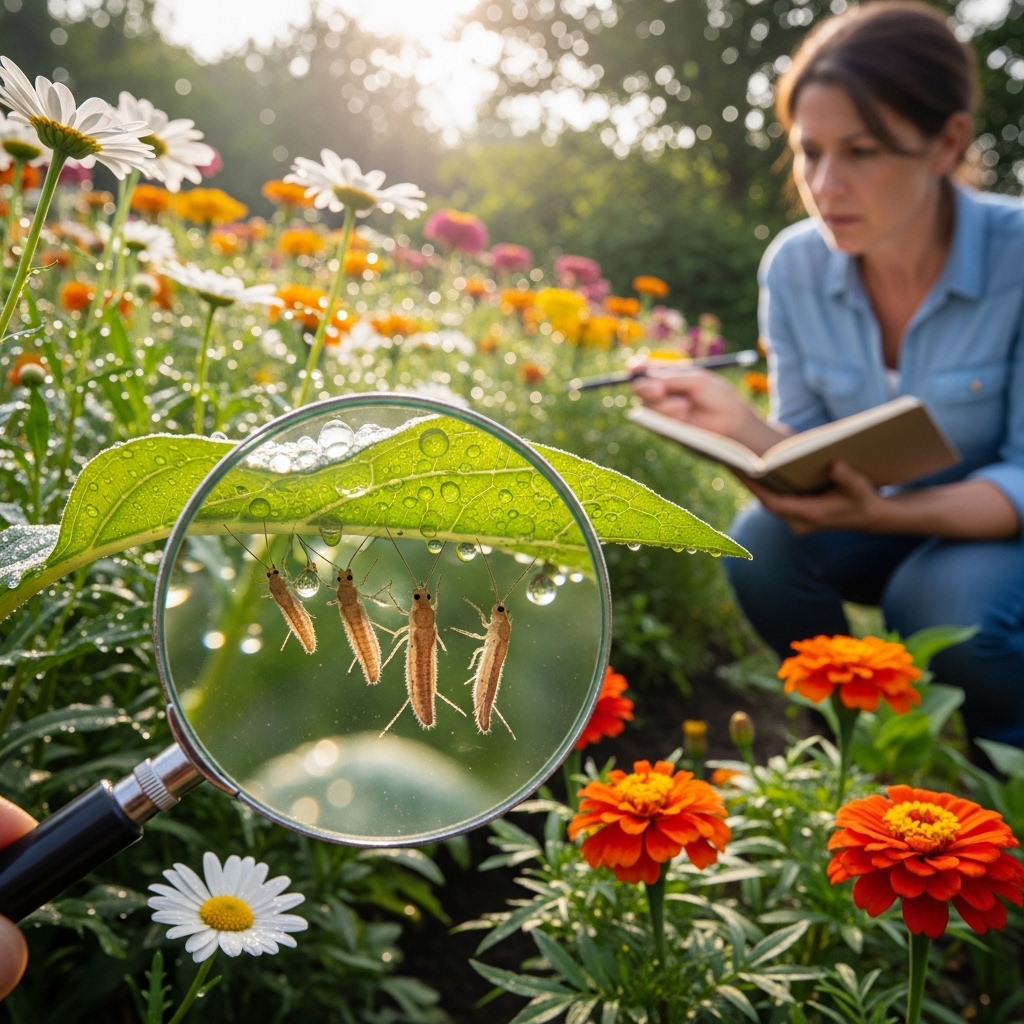
Identifying thrips early is key to effective control. These small pests can quickly damage plants and spread diseases. Knowing their physical traits and signs of infestation can help you act swiftly.
What Do Thrips Look Like?
Thrips are tiny insects, typically measuring 1 to 2 millimeters long. Their slender bodies range in color from yellow and brown to nearly black. They have fringed wings, making them distinct from other pests. When disturbed, they move quickly and often hide under leaves or within flower petals.
Here’s a quick comparison to help you identify them:
| Characteristic | Thrips | Similar Pests |
|---|---|---|
| Size | 1-2 mm | Aphids (larger) |
| Body Shape | Slender | Aphids (rounder) |
| Color | Yellow, brown, or black | Whiteflies (white) |
| Wing Structure | Fringed wings | Whiteflies (smooth wings) |
How to Spot Thrips on Your Plants?
To detect thrips, examine your plants closely. Look for:
- Physical Damage: Check for white splotches on leaves. These marks indicate thrips feeding on the plant sap.
- Feces: Tiny black specks, the excrement of thrips, can often be found on leaves and flowers.
- Deformed Growth: Thrips can cause stunted growth or curling leaves, signaling an infestation.
Regular inspections can help catch these signs early.
What Damage Do Thrips Cause?
Thrips can inflict significant harm on plants. They pierce plant tissues and suck out sap, leading to:
- Discoloration: Leaves may turn yellow or develop silver streaks.
- Disease Transmission: Thrips are vectors for viruses like Tomato Spotted Wilt Virus (TSWV) and Impatiens Necrotic Spot Virus (INSV), which can devastate crops [1].
- Overall Weakness: Infested plants may struggle to thrive, affecting their yield and health [2].
For those dealing with a thrips problem, consider using an effective insecticide like Insecticidal Soap Concentrate to target these pests directly.
What is the Lifecycle of Thrips and Why Does It Matter?
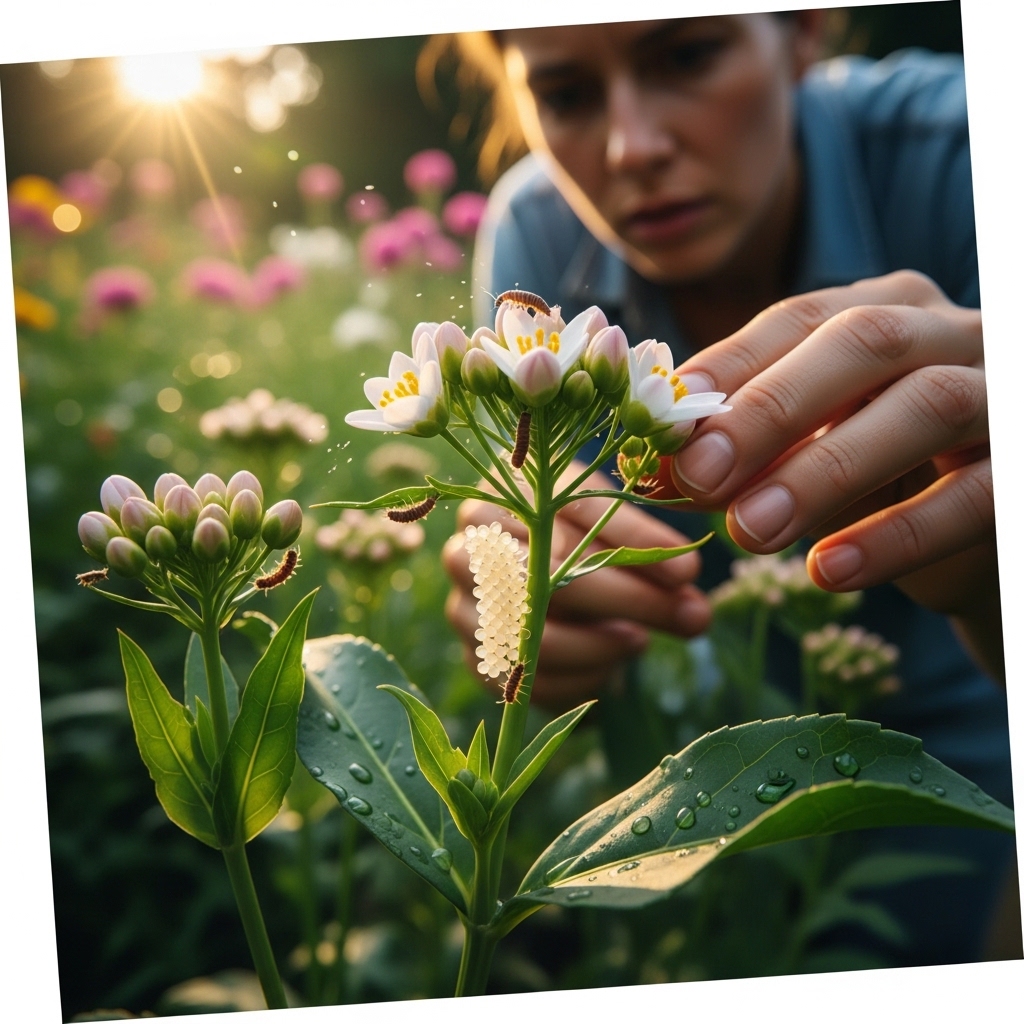
Understanding the lifecycle of thrips is essential for effective control. Thrips go through several stages, and each stage presents unique opportunities for treatment. Recognizing these stages allows you to time your interventions more effectively.
What Are the Stages of a Thrips Lifecycle?
Thrips have five distinct life stages:
- Eggs: Laid on or in plant tissues.
- Nymphs: Immature thrips that resemble tiny adults. They undergo multiple molts.
- Pupae: A transitional stage that occurs in the soil or on plant debris.
- Adults: Fully developed thrips that reproduce and continue the cycle.
How Long Does it Take for Thrips to Mature?
The entire lifecycle can be completed in as little as two weeks under optimal conditions. Warmer temperatures speed up development, while cooler temperatures slow it down.
-
Egg to Adult Timeline:
- Eggs hatch in 3 to 7 days.
- Nymphs mature in about a week.
- Adults can start reproducing within one week of emerging.
Why Understanding the Lifecycle Helps in Control?
By knowing the thrips lifecycle, you can target specific stages with the right treatments. For example:
- Eggs and Nymphs: Vulnerable to certain insecticides and organic treatments like neem oil.
- Adults: Best controlled with contact insecticides or biological controls.
Timing your interventions to coincide with the nymph and egg stages can drastically reduce thrips populations. This knowledge enhances your pest management strategy, minimizing damage to your plants and improving overall plant health [4][2][5].
What Chemical Control Methods Can I Use for Thrips?
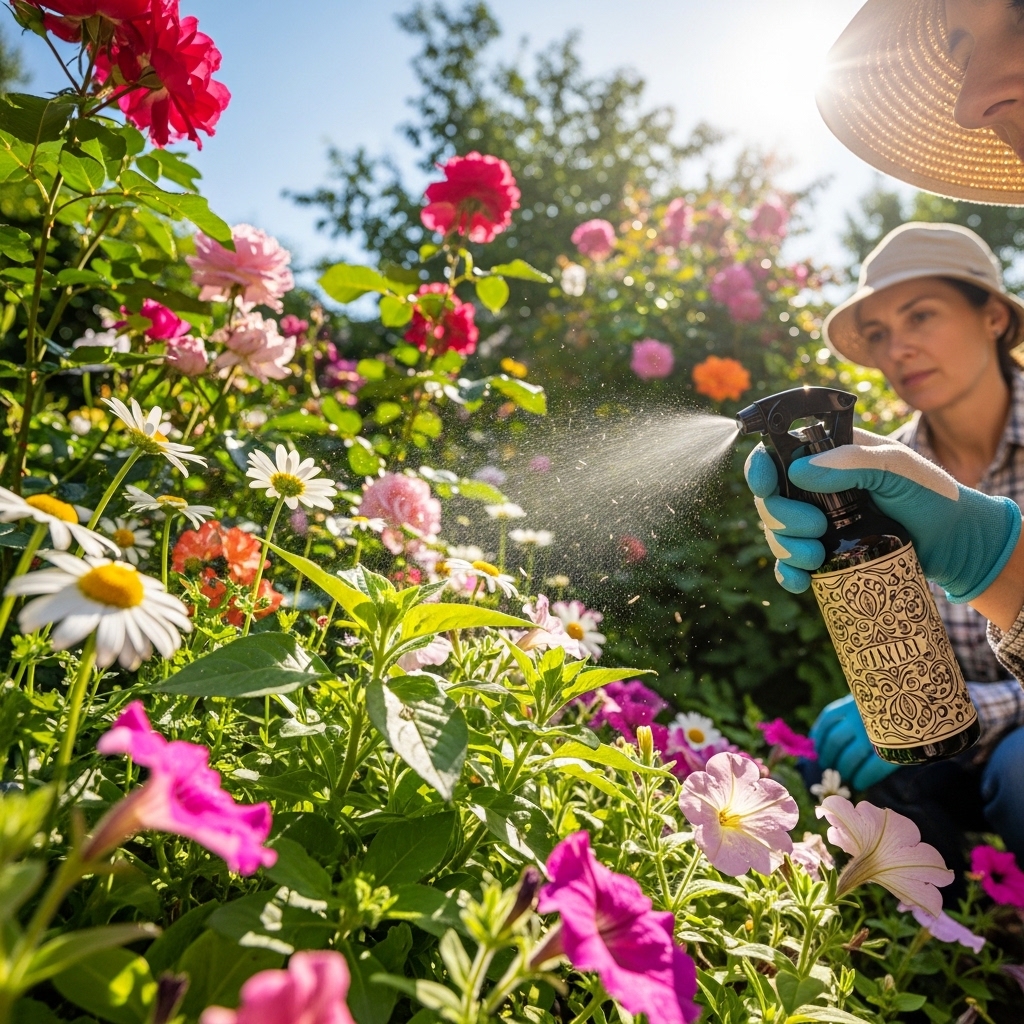
Chemical control methods can effectively reduce thrips populations in your garden. Understanding which insecticides work best is crucial for successful treatment.
What Are the Top Insecticides for Thrips Control?
Several insecticides are effective against thrips. Here’s a comparison of some popular options:
| Insecticide | Pros | Cons | Application Tips |
|---|---|---|---|
| Imidacloprid | Long-lasting; effective systemic action | Harmful to pollinators; requires careful handling | Apply during non-bloom periods |
| Fipronil | Strong contact insecticide | Can be toxic to beneficial insects | Use as a targeted spray |
| Spinosad | Organic option; less harmful to beneficial insects | Can impact bees if applied on flowering plants | Follow label instructions carefully |
| Neem Oil | Organic; disrupts feeding and reproduction | Requires multiple applications | Spray early in the morning or late evening |
| Beauveria bassiana | Safe for beneficial insects; natural fungus | Slower acting than chemical options | Ensure good coverage on affected plants |
Protect your garden from pests with Imidacloprid — Get it on Amazon today!
How to Apply Chemical Treatments Safely?
Safety is essential when using insecticides. Here are key precautions:
- Read the Label: Always follow the manufacturer’s instructions.
- Wear Protective Gear: Use gloves, masks, and goggles to protect yourself.
- Avoid Applying During Bloom: Protect pollinators by not spraying on flowering plants, especially with spinosad and imidacloprid [6].
- Choose Appropriate Weather: Apply on calm, dry days to minimize drift and enhance efficacy.
What Are the Risks of Chemical Insecticides?
While chemical insecticides can effectively control thrips, they come with risks:
- Resistance Development: Overuse can lead to thrips developing resistance, making control difficult [2].
- Impact on Beneficial Insects: Many insecticides can harm natural predators, disrupting the ecosystem [2].
- Environmental Concerns: Chemical runoff can affect water quality and non-target species.
Integrating chemical treatments with biological methods enhances effectiveness and minimizes risks. Consider using a combination of insecticides and natural remedies for a balanced approach.
What Organic Control Methods Can Help Get Rid of Thrips?

Organic solutions provide effective ways to control thrips without harming beneficial insects or the environment. Here are some popular methods that can help you get rid of these pests.
What Are Some Effective Organic Remedies?
- Neem Oil: This natural insecticide disrupts the lifecycle of thrips. It inhibits feeding and reproduction, making it effective against infestations. Users have reported noticeable reductions in thrip populations within a week of application [2].
Pure Neem Oil — Shop on Amazon now!
- Insecticidal Soap: This product suffocates thrips on contact. It is safe for most plants and beneficial insects. Regular applications can significantly lower thrip numbers [2].
- Garlic Extracts: Garlic has natural insect-repelling properties. Mixing garlic extracts with insecticides enhances their effectiveness against thrips. Gardeners have found this combination particularly useful in flower beds plagued by thrips.
- Beneficial Insects: Introducing predatory insects, like ladybugs and lacewings, can help manage thrip populations. These natural predators feed on thrips, reducing their numbers without chemical intervention [2].
How to Use Natural Solutions?
- Application Timing: Apply organic remedies early in the morning or late in the afternoon. This timing minimizes the impact of sunlight on the efficacy of the products.
- Targeted Spraying: Focus on the undersides of leaves, where thrips often hide. A fine mist ensures better coverage and adherence to plant surfaces.
- Regular Monitoring: Check plants frequently for signs of thrips. Early detection allows for quicker intervention and better control.
Are Organic Methods as Effective as Chemicals?
Organic methods can be highly effective for thrips control, especially when used consistently. While they may not provide instant results like some chemical pesticides, they promote long-term plant health and sustainability. Real-life examples show that gardeners who combined neem oil with insecticidal soap achieved significant reductions in thrip populations over time. This integrated approach not only controls pests but also protects the ecosystem surrounding the plants.
How to Prevent Future Thrips Infestations?

Preventing thrips infestations requires vigilance and maintenance. Implementing specific practices can greatly reduce the risk of re-infestation after treatment.
What Maintenance Practices Help Prevent Thrips?
- Regular Inspections: Check plants weekly for any signs of thrips. Look for discoloration or streaks on leaves. Early detection is key to managing infestations effectively [2].
- Maintain Proper Plant Hygiene: Remove dead leaves and debris around plants. This minimizes hiding spots for thrips and other pests [2].
- Use Insect Barriers: Employ physical barriers like insect netting. This helps prevent thrips from accessing your plants and reduces the likelihood of infestations [2].
- Rotate Crops: Change the location of your plants annually. This disrupts thrips’ lifecycle and reduces their population.
- Encourage Beneficial Insects: Introduce predators like ladybugs or lacewings. They naturally control thrips and other pests, promoting a balanced ecosystem.
How to Quarantine New Plants?
Quarantining new plants is essential for preventing thrips from spreading. Follow these steps:
- Isolate New Arrivals: Keep new plants away from existing ones for at least two weeks. This helps monitor for any signs of pests.
- Inspect Thoroughly: Check for any signs of thrips before introducing new plants to your garden. Look under leaves and along stems.
- Treat If Necessary: If you find thrips, treat the new plants before bringing them into your main garden.
What Environmental Conditions Favor Thrips?
Thrips thrive in specific conditions. Understanding these can help you manage your environment:
- Warm Temperatures: Thrips prefer temperatures between 70°F and 85°F. Keeping your garden cooler can hinder their growth.
- Dry Conditions: High humidity promotes thrips’ reproduction. Maintain adequate moisture in the soil but avoid overwatering.
- Crowded Plants: Ensure adequate spacing between plants. This improves air circulation and reduces humidity, making it less favorable for thrips.
Checklist of Preventive Measures
- Regularly inspect plants for thrips.
- Maintain proper plant hygiene.
- Use insect barriers to prevent infestations.
- Rotate crops annually.
- Introduce beneficial insects.
- Quarantine new plants for two weeks.
- Monitor environmental conditions.
By following these preventive strategies, you can significantly lower the chances of thrips returning to your plants.
What Common Mistakes Should I Avoid in Thrips Control?
Effective thrips control requires careful planning and execution. Many gardeners make mistakes that can worsen infestations or lead to treatment failures. Here’s what to avoid for successful thrips management.
What Are the Most Common Mistakes?
- Ignoring Early Signs: Failing to recognize initial thrips damage can escalate problems. Look for silvery streaks on leaves or black feces. Early identification is crucial for effective control.
- Overwatering Plants: Excess moisture creates a conducive environment for thrips. It can lead to higher populations and make plants more vulnerable to infestations. Keep soil moisture balanced to deter these pests [2].
- Using Inappropriate Insecticides: Applying the wrong insecticides can exacerbate thrips issues. Some products may not target thrips effectively or can harm beneficial insects. Always choose insecticides specifically labeled for thrips [2].
How Can I Avoid Overusing Insecticides?
Overusing insecticides can lead to thrip resistance. Instead, follow these guidelines:
- Rotate Insecticide Types: Change the classes of insecticides you use. This prevents thrips from developing resistance.
- Integrate Biological Controls: Combine chemical treatments with natural remedies, such as introducing predatory insects or using insecticidal soaps. This can enhance the effectiveness of your control efforts.
Why Is Timing Important in Control Efforts?
Timing significantly affects the success of thrips control. Here are key points to consider:
- Apply Treatments Early: Treat plants at the first sign of thrips. Delaying action allows populations to grow and spread.
- Monitor Regularly: Check plants frequently, especially during peak growing seasons. Inadequate monitoring can lead to unnoticed infestations [2].
By avoiding these common pitfalls, you can enhance your thrips control efforts and protect your plants effectively.
Frequently Asked Questions
These quick answers cover the homeowner questions that come up most often about hackberry trees, including growth, care, and common problems.
How to permanently get rid of thrips?
To permanently get rid of thrips, combine multiple control methods. Start with regular inspections to catch infestations early. Use both organic treatments, like neem oil and insecticidal soap, and chemical insecticides for more severe cases. Rotate between different insecticides to prevent resistance. Additionally, maintaining proper plant hygiene and introducing beneficial insects can create an environment less favorable for thrips.
Should I throw out my plant with thrips?
Not necessarily. Before deciding to throw out a plant with thrips, assess the level of infestation. If the damage is minimal, treatments like insecticidal soap or neem oil can effectively control the pests. However, if the plant is severely damaged and not recovering, it may be best to discard it to prevent spreading thrips to healthy plants.
Why is it so hard to get rid of thrips?
Thrips are challenging to control due to their rapid lifecycle and ability to reproduce quickly. They can develop resistance to insecticides, making them harder to eliminate over time. Additionally, their small size allows them to hide in hard-to-reach areas of plants, complicating treatment efforts. Regular monitoring and an integrated pest management approach are essential for effective control.
Does rubbing alcohol get rid of thrips?
Yes, rubbing alcohol can help get rid of thrips. It acts as a contact insecticide, effectively suffocating the pests on contact. Mix rubbing alcohol with water in a spray bottle and apply it directly to affected areas. However, use this method cautiously, as it can also harm delicate plant tissues. Always test on a small area first.
What are the signs of a thrips infestation?
Signs of a thrips infestation include visible damage to leaves, such as silvery streaks or discoloration. You may also find tiny black specks of feces on leaves and flowers. In severe cases, plants may exhibit stunted growth or curled leaves. Regular inspections can help you catch these signs early before the infestation worsens.
Can thrips harm indoor plants?
Yes, thrips can harm indoor plants just as they do outdoor plants. They feed on plant sap, leading to discoloration, stunted growth, and potential disease transmission. Indoor plants are not immune to infestations, so regular monitoring and preventive measures are essential to protect them.
What worked for me to get rid of thrips on my tropical house plants?
Many gardeners have found success using a combination of neem oil and insecticidal soap. Applying these treatments weekly can significantly reduce thrip populations. Additionally, introducing beneficial insects like ladybugs can help manage thrips naturally. Consistent monitoring and maintaining plant health are crucial for long-term success.
References
1. Thrips – Agricultural Biology – CSU College of Ag Sciences
2. Thrips / Home and Landscape / UC Statewide …
5. Thrips – Integrated Pest Management – UGA
6. Pesticide Safety Tips | US EPA