
Dredging a pond yourself can be a cost-effective way to maintain its health and depth. In this guide, we will explore six easy DIY methods for pond dredging that will help restore your pond to its optimal condition without hiring professionals.
Table of Contents
Understanding Pond Dredging
Pond dredging is a vital process for maintaining the health of your pond. It involves removing accumulated sediment like muck, silt, and organic debris from the bottom. This helps improve water quality and reclaim the depth of your pond.
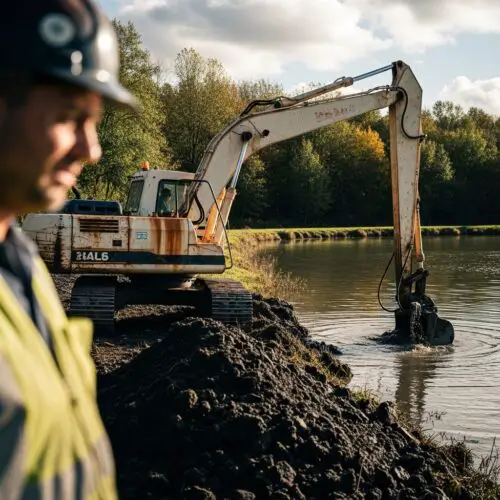
What is Pond Dredging?
Pond dredging is essentially the physical removal of unwanted materials from the pond bed. Over time, sediment builds up due to natural processes, runoff, and decaying plant matter.
- Sediment Accumulation: This can lead to shallower waters, which may cause issues like increased algae growth.
- Impact on Aquatic Life: Excessive sediment can suffocate fish and other aquatic creatures by reducing oxygen levels and disrupting their habitats.
Why is Dredging Important?
Dredging isn’t just about clearing out the muck. It plays a crucial role in maintaining a healthy pond ecosystem.
- Reduces Nutrient Bank: Dredging removes nutrients like phosphorus and nitrogen that fuel algae blooms. By doing so, it helps restore balance in the water.
- Improves Depth and Water Quality: A deeper pond allows for better oxygenation, which is essential for fish and plant life.
Real-Life Example
Consider a small pond that has accumulated about 2 feet of sediment over the years. This buildup not only makes the pond less appealing but also harms the fish population. After dredging, the pond is rejuvenated. Fish populations thrive again, and the water is clearer and healthier.
Sediment Statistics
Did you know that a quarter-acre pond can accumulate around 18 inches of sediment over a decade? That’s a lot of muck! Regular dredging can prevent these issues and prolong the life of your pond.
Tools like a Pond Vacuum Cleaner can be incredibly helpful in this process. They make it easier to tackle smaller jobs and keep the pond looking its best. Check Price on Amazon for great options!
Method 1: Hand Dredging
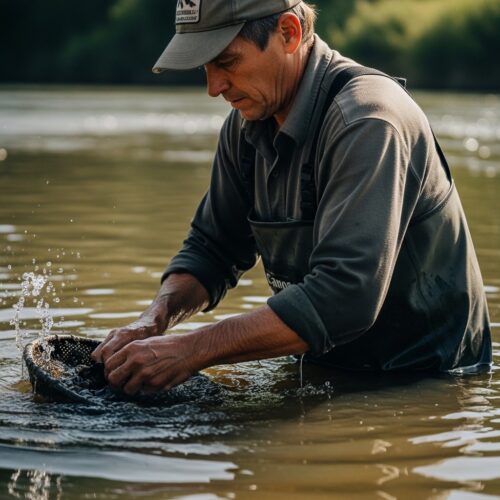
Hand dredging is a straightforward way to clean your pond without draining it. It’s perfect for small and shallow ponds. With just a few tools, you can improve your pond’s health and appearance.
Tools Required for Hand Dredging
Before you get started, gather these tools:
- Rake
- Shovel
- Rubber boots
- Bucket or tarp (for collecting debris)
These items will help you effectively remove sediment and debris while keeping things manageable.
Step-by-Step Hand Dredging Process
Here’s how to hand dredge your pond in a few easy steps:
1. Prepare the Area: If you have fish, relocate them to a safe stock tank. This protects them during the dredging process.
2. Suit Up: Put on your rubber boots. This will keep your feet dry and safe from sharp objects.
3. Clear the Surface: Walk into the pond and start by removing leaves and floating debris using your hands or the rake.
4. Rake the Bottom: Use the rake to scrape the bottom of the pond. Start from the center and work your way out to the shoreline. Rake in a circular motion to ensure you cover all areas.
5. Dig Out Sediment: Once you’ve raked, switch to your shovel. Carefully remove sediment and unwanted foliage. Be cautious not to dig too deep to avoid altering the depth of your pond.
6. Collect the Debris: Place the removed debris into your bucket or tarp. This keeps your work area tidy and makes it easier to dispose of the waste later.
Tips for Optimizing Hand Dredging Efficiency
- Work in Sections: Instead of tackling the entire pond at once, divide it into sections. This helps you stay focused and reduces overwhelm.
- Minimize Disturbance: Move slowly to avoid stirring up too much sediment. This protects aquatic life and keeps the water clearer.
- Regular Maintenance: Consider dredging your pond every few years to maintain its health. This will prevent sediment buildup and keep your pond looking fresh.
By following these steps, you can effectively hand dredge your pond and enjoy a healthier aquatic environment. Remember, it might take some time, but the results are worth it!
Method 2: Pond Vacuum Dredging
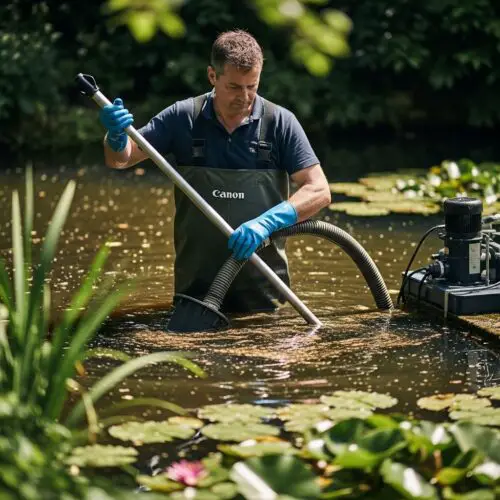
Pond vacuum dredging is a fantastic way to clear out muck and debris from the bottom of your pond. It’s efficient and perfect for smaller ponds. Let’s dive into how to set it up and use it effectively!
Setting Up the Pond Vacuum
1. Choose Your Vacuum: First, pick a pond vacuum that fits your pond size. Look for one with strong suction and good reviews. Check Price on Amazon can help you find the right one.
2. Find a Power Source: Plug it into a GFCI outlet. If it’s too far, use an outdoor extension cord.
3. Prepare the Pond: Remove any floating debris, like leaves or twigs. It makes the process smoother.
4. Connect the Hoses: Attach the suction and discharge hoses to the vacuum. Make sure the discharge hose is directed away from the pond.
Using the Pond Vacuum Effectively
- Submerge the Vacuum: Turn it on and lower the vacuum into the water.
- Move Slowly: Glide the vacuum across the bottom. This helps prevent sediment from stirring up too much.
- Regular Checks: Keep an eye on the vacuum’s bag or container. Empty it when it gets full to maintain suction power.
- Post-Dredging Care: After you’re done, check the water quality. Clear water means you’ve done a good job!
Advantages of Using a Pond Vacuum
- Less Labor-Intensive: Compared to manual methods, a vacuum saves you from exhausting scraping and scooping.
- Effective Debris Removal: It targets muck and sludge more efficiently, keeping your pond cleaner.
- User-Friendly: Most models are easy to use, even for beginners.
By following these steps, you can effectively use a pond vacuum to keep your pond looking great. Plus, you’ll enjoy the benefits of a healthier aquatic environment!
Method 3: Bucket Dredging
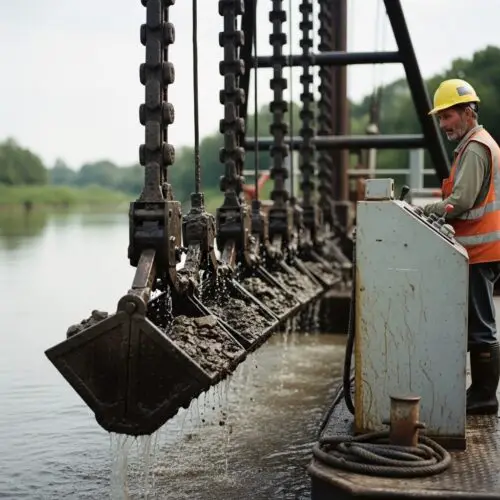
Bucket dredging is a simple and effective way to clean out your pond. It uses a makeshift bucket system to scoop up sediment and debris. Let’s dive into how you can set this up yourself!
Building Your Bucket Dredge
Creating your bucket dredge is easier than you might think. Here’s what you’ll need:
- A metal barrel: This will be your bucket. Look for one with holes at the sides and bottom for drainage.
- Heavy-duty cable: To connect the barrel to your vehicle or boat.
- A sturdy vehicle: A truck or an ATV works well for pulling the dredge.
- Optional tools: A shovel or rake to help loosen mud.
Creative Materials: You can also repurpose items around your home! Old plastic containers, wheelbarrows, or even sturdy trash cans can work in a pinch. Just make sure they’re durable enough to handle the muck!
Operational Steps for Bucket Dredging
Once you have your bucket dredge ready, follow these steps:
1. Attach the Barrel: Securely wrap the heavy-duty cable around the barrel and connect the other end to your vehicle’s hitch or boat.
2. Position the Dredge: Place the open side of the barrel facing the direction you’ll be pulling. This way, it effectively scoops up sediment as you move.
3. Start Dredging: Slowly drive your vehicle forward. The barrel will fill up with sludge and debris.
4. Dump and Repeat: Once the barrel is full, stop and empty it on dry land. You may need to repeat this process several times to get your pond looking great.
5. Check Your Progress: Regularly assess the dredging area. If you notice the water is clearing up, you’re doing it right!
Safety Precautions
Always prioritize safety while dredging. Here are some tips:
- Wear gloves and boots: Protect yourself from sharp objects and muck.
- Keep a safe distance: Ensure that no one is too close while you’re operating the dredge.
- Avoid overloading: Don’t let the barrel get too heavy, as it can become difficult to pull and may damage your equipment.
With these steps and safety tips, you’re all set to tackle your pond dredging project. Happy dredging!
Method 4: Drain Dredging
Drain dredging is a thorough way to clean out your pond. By completely removing the water, you can easily access and remove all the accumulated sediment. Let’s dive into the steps and precautions you need to know.
Step-by-Step Drain Dredging Process
1. Plan Your Timing: The best time to drain a pond is in late summer or early fall when the water levels are lower and aquatic life is less active.
2. Gather Your Tools: You’ll need a reliable pump, hoses, and possibly a rental truck for sediment removal. Make sure you have gloves and boots for safety.
3. Drain the Water: Set up your pump and drain the pond completely. Ensure the discharge area is suitable for the water to flow.
4. Remove Sediment: Once the pond is empty, use a shovel, dredge, or other tools to remove silt, muck, and debris from the bottom.
5. Check for Hazards: Look for sharp objects or debris that could cause injury. Remove any large items before finishing up.
6. Refill the Pond: After dredging, it’s time to refill the pond. This is best done with clean, untreated water.
Safety and Environmental Considerations
Drain dredging can be a big job, so safety is key. Here are some precautions to keep in mind:
- Protect Yourself: Always wear gloves and boots to guard against sharp debris and muck.
- Monitor Water Flow: Make sure draining doesn’t affect nearby areas or wildlife habitats.
- Avoid Overloading: Don’t let sediment piles become too heavy. This can lead to equipment damage and safety hazards.
- Check Local Regulations: Some areas have rules about draining ponds. Make sure you’re compliant to avoid fines.
By following these steps and safety tips, you can effectively dredge your pond while protecting yourself and the environment. Happy dredging!
Method 5: Ditch Dredging
Ditch dredging is a practical solution for larger ponds. It helps maintain water flow and removes excess sediment. Let’s break down how to do it.
Understanding Ditch Dredging
Ditch dredging involves creating a trench to allow water to flow out and sediment to be removed. This method is effective for larger ponds where other techniques might be impractical. It’s essential to understand the layout of your pond and surrounding areas before starting.
Operational Steps for Ditch Dredging
1. Assess Your Pond: Look for areas where sediment is accumulating. Plan where the ditch will be most effective.
2. Gather Your Tools: You’ll need:
- Shovel or spade
- Trenching tool or excavator (for larger projects)
- Rake or hoe
- Gloves and safety gear
3. Prepare the Area: Clear away any debris or vegetation. This ensures a smooth digging process.
4. Dig the Trench: Start digging your trench. Aim for a depth that will facilitate proper water flow. The trench should be narrower at the bottom than at the top.
5. Remove Sediment: As you dig, remove sediment and debris from the trench. This may include silt, leaves, and other organic matter.
6. Monitor Water Flow: Check that the water is flowing smoothly through the trench. Adjust as needed to avoid blockages.
7. Maintain the Ditch: Regular maintenance is key. Keep the ditch clear of debris to ensure ongoing water flow.
Real-World Example
Consider a community pond that was becoming stagnant due to sediment buildup. By implementing ditch dredging, volunteers dug a trench leading from the pond to a nearby stream. Within weeks, the water began flowing freely again, improving the pond’s health and attracting more wildlife.
Safety Precautions
- Wear Protective Gear: Always use gloves and boots to protect against sharp objects and mud.
- Watch for Wildlife: Be mindful of any local wildlife that may be affected.
- Check Local Regulations: Ensure you follow any local guidelines regarding pond maintenance and water flow management.
This method not only enhances the pond’s ecosystem but also makes it easier to manage sediment.
Cost Considerations and Alternatives
When considering how to dredge a pond yourself, it’s essential to understand the costs involved with different methods. Not only will this help you budget effectively, but it will also guide your choice of technique. Let’s break down the costs and explore some alternative pond maintenance options.
Cost Breakdown of DIY Dredging Methods
Here’s a quick overview of the costs associated with various DIY dredging methods. Keep in mind that prices can vary based on your location and pond size.
| Dredging Method | Estimated Cost | Notes |
|---|---|---|
| Pond Vacuum Dredging | $200 – $1,000 | Best for small ponds; affordable equipment. |
| Manual Dredging | $50 – $300 (tools only) | Labor-intensive; ideal for shallow areas. |
| Hydraulic Dredging | $15 – $20 per cubic yard | More suitable for larger ponds; pricey. |
| Mechanical Dredging | $8,000 – $100,000 | Best for large-scale projects; expensive. |
Consider what method suits your pond’s needs. For small ponds, a pond vacuum can work wonders without breaking the bank. On the flip side, hydraulic and mechanical methods are better for larger areas but come with a hefty price tag.
Alternatives to Pond Dredging
Before jumping into dredging, consider these alternative methods for maintaining your pond:
- Aeration Systems: These can improve water quality and reduce muck buildup without the need for dredging.
- Biological Treatments: Adding beneficial bacteria can help break down organic matter, making the pond cleaner and healthier.
- Regular Maintenance: Routine cleaning and debris removal can keep sediment levels in check, potentially avoiding the need for dredging altogether.
It’s wise to assess your pond’s condition before deciding on a dredging method. Sometimes, a combination of these alternatives can dramatically improve pond health without the costs and labor of dredging.
Frequently Asked Questions
These quick answers cover the most common questions about this topic, including key details, practical tips, and common concerns.
How to dredge your own pond?
To dredge your own pond, start by assessing the sediment buildup and choosing a suitable method—manual, vacuum, or drain dredging. Gather necessary tools like shovels, rakes, or a pond vacuum. For small ponds, hand or vacuum dredging works well; for larger ponds, consider drain or ditch dredging. Always prepare the pond by relocating fish if needed and ensure safety precautions. Follow step-by-step procedures for each method, and regularly maintain your pond to prevent excessive sediment buildup.
What are the alternatives to dredging a pond?
Alternatives include aeration systems, which improve oxygen levels and reduce muck accumulation; biological treatments that introduce beneficial bacteria to break down organic matter; and routine debris removal to keep sediment levels low. These options can improve pond health without the costs and effort of dredging. Combining these methods often provides the best long-term results for maintaining a clean and healthy pond.
How much does it cost to dredge a 5-acre pond?
The cost varies widely depending on the method used. Manual methods like hand or bucket dredging can cost a few hundred dollars in tools and supplies. For larger ponds, hydraulic or mechanical dredging can range from several thousand to over $100,000. DIY methods are generally more affordable but require more labor. Professional dredging services tend to be more expensive but are faster and suited for large-scale projects.
What are common dredging mistakes?
Common mistakes include over-dredging, which can disturb aquatic habitats and alter pond depth unnecessarily, and neglecting safety precautions. Not planning the project properly can lead to equipment damage or incomplete sediment removal. Additionally, failing to check local regulations may cause legal issues. Rushing the process without proper assessment can also result in ineffective or unsafe dredging.
Can I dredge a pond without draining it?
Yes, in many cases, you can dredge a pond without draining it, especially with methods like pond vacuuming or hand dredging. These techniques target sediment while keeping the water in place, minimizing disruption. However, for heavy sediment buildup or when performing extensive cleaning, draining the pond may be more effective but involves more planning and effort.
What tools do I need to dredge a pond?
Tools depend on the method chosen. For manual dredging, use shovels, rakes, buckets, and protective gear. Pond vacuums require a suitable vacuum unit, hoses, and power sources. Bucket dredging involves constructing a makeshift or repurposed container with a pulling mechanism. Drain dredging needs pumps, hoses, and possibly excavation equipment. Always prioritize safety gear like gloves, boots, and eye protection.
When is the best time to dredge a pond?
The ideal time is during late summer or early fall when water levels are lower, and aquatic life activity is reduced. Dredging during these periods minimizes stress on fish and plants. Avoid dredging during spawning seasons or heavy rain periods, as these can cause water quality issues and environmental disturbances.
What are the signs that my pond needs dredging?
Signs include a significant decline in water depth, persistent algae blooms, foul odors, murky or cloudy water, and excessive weed or debris buildup. Fish may become stressed or die if sediment levels are too high. If you notice reduced water clarity and increased sediment at the bottom, it’s time to consider dredging.