
Chipmunks can burrow under decks, causing damage and nuisance. This article provides 15 effective methods to safely and humanely remove chipmunks from under your deck and prevent them from returning.
Table of Contents
Assessing the Chipmunk Infestation Under Your Deck
To effectively get rid of chipmunks, you first need to identify their presence. Recognizing the signs of a chipmunk infestation will help you take the right steps toward removal.
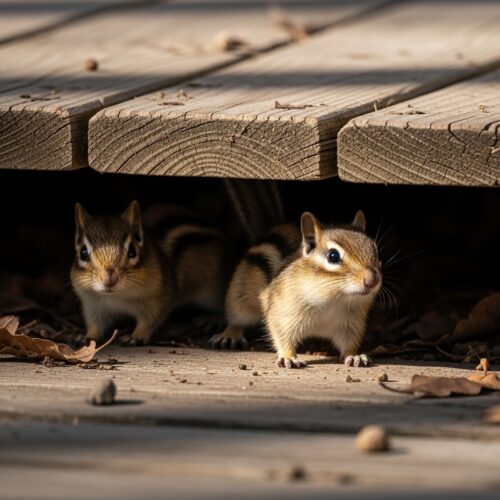
Recognizing Chipmunk Burrows
Chipmunks are sneaky little critters. They often burrow under decks, creating small entrances that can be hard to spot. Look for:
- Small holes: Typically about 2-3 inches in diameter.
- Loose dirt: They often scatter dirt away from their burrow entrances.
- Tracks: Chipmunk tracks can resemble small handprints with tiny claw marks.
If you find any of these signs, it’s likely that chipmunks have made themselves at home under your deck.
Identifying Damage to Plants and Structures
Chipmunks can cause damage to your garden and home. Keep an eye out for:
- Chewed plants: Look for gnawed leaves, stems, or fruits. They love munching on flowers and vegetables.
- Damaged electrical wires: If you notice frayed wires, it could be a sign of chipmunk activity.
- Seed piles: If you find piles of seeds near bird feeders or around your garden, chipmunks might be the culprits.
Noticing any of this damage? It’s a clear indicator that you need to act fast.
Listening for Chipmunk Sounds
Chipmunks are active during the day. You might hear them chattering or scurrying around. Pay attention to:
- Chirping or chattering: Their vocal sounds can signal their presence.
- Rustling noises: Listen for movement under your deck, especially in the morning or late afternoon.
If you hear these sounds, it’s time to take action.
By keeping an eye (and ear) out for these signs, you’ll be better equipped to handle a chipmunk infestation. Don’t forget that preventative measures, like maintaining your yard, can help deter these little guys from returning. If you’re looking for additional help, consider using a Chipmunk Repellent Spray to keep them at bay!
Understanding Why Chipmunks Choose Decks as Shelter

Chipmunks love to hang out under decks. But why? Let’s dive into their habits and what draws them to this cozy spot.
Natural Habitat Preferences of Chipmunks
Chipmunks are small, burrowing rodents that thrive in various environments, including wooded areas and gardens. They dig extensive tunnel systems, often seeking out places that offer both shelter and safety. Decks provide the perfect refuge from predators.
Attraction to Food Sources
Food is a major draw for chipmunks. They munch on fruits, seeds, and nuts, making gardens a prime target. If you have bird feeders or a vegetable patch, you might be inadvertently inviting these critters in.
- Common Chipmunk Foods:
- Seeds
- Nuts
- Fruits
- Flower bulbs
By keeping your garden clean and removing fallen seeds or fruits, you can discourage chipmunks from sticking around.
The Importance of Shelter and Safety
Decks offer chipmunks a sheltered space away from the hustle and bustle. They feel safe from predators, like cats and hawks, when hiding underneath your deck. This makes it crucial to block access to these areas if you want to keep chipmunks away.
Tips to Prevent Chipmunks from Taking Shelter:
- Seal gaps: Look for any openings under your deck and seal them off.
- Use barriers: Consider installing wire mesh around the perimeter to deter burrowing.
- Maintain your yard: Keep the area tidy and free of food sources.
Understanding why chipmunks are attracted to your deck can help you take effective steps to keep them out. Remember, a clean yard and secure shelter will go a long way in preventing these little visitors!
Humane Trapping Methods for Chipmunks
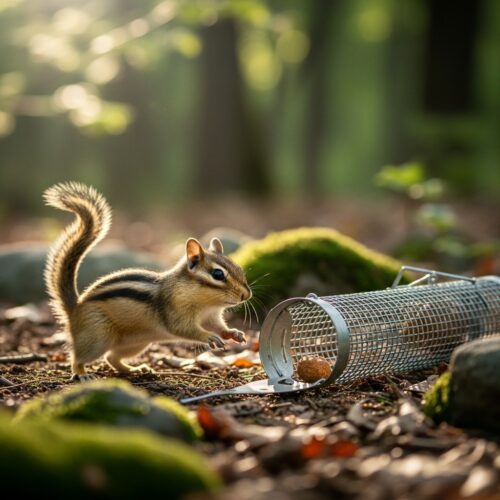
If you want to remove chipmunks from under your deck humanely, trapping is one of the best options. It allows you to catch these little critters without harming them. Here’s how to do it safely and responsibly.
Choosing the Right Trap
The first step is picking the right trap. Here are a few popular types:
- Live traps: These capture chipmunks without harming them. Look for traps specifically designed for small animals.
- Humane snap traps: While they kill the chipmunk quickly, they are less commonly used in humane removal. If you choose this option, ensure it meets humane standards.
When selecting a trap, make sure it’s sturdy and easy to use. You want something that won’t break easily and will effectively catch the chipmunk.
Effective Baiting Techniques
Bait is key to successful trapping. Here are some effective options:
- Peanut butter: A classic choice that chipmunks love.
- Sunflower seeds: These are another favorite.
- Fruit pieces: Try apple slices or berries for a sweet treat.
Remember to place the bait in the back of the trap. This encourages the chipmunk to enter fully, ensuring a catch.
Setting Traps Safely and Responsibly
Now that you have your trap and bait, it’s time to set it up. Follow these steps:
1. Placement: Place the trap near the entrance to their burrow or along their usual paths. Chipmunks are creatures of habit, so they’ll likely follow the same routes.
2. Check regularly: It’s important to check your traps at least twice a day. This minimizes stress for the chipmunks and allows you to release them quickly.
3. Release area: Choose a safe, suitable location for release. Ensure it’s at least a few miles away from your home to prevent them from returning.
4. Legal considerations: Check your local wildlife regulations. Some areas have specific rules about trapping and releasing wildlife. Always follow these guidelines to stay compliant.
Using humane traps is a great way to remove chipmunks from under your deck. Just remember, patience is key! If you’re looking for an added deterrent, consider using a Chipmunk Repellent Spray for extra protection around your home.
Using Repellents to Deter Chipmunks
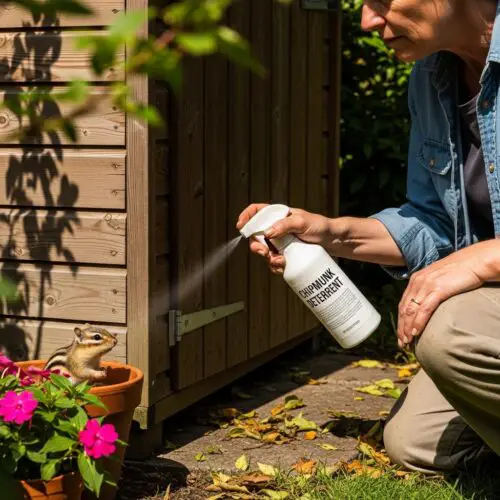
Repellents can be a key part of your strategy to keep chipmunks away from under your deck. Whether you prefer natural options or commercial products, there are effective ways to deter these little critters.
Natural Repellents You Can Make
You don’t need to go out and buy products to keep chipmunks at bay. Here are a few DIY recipes that are simple and effective:
- Garlic Spray: Blend garlic cloves with water. Let it sit overnight. Strain and spray around your deck. Chipmunks dislike the smell!
- Pepper Mix: Combine crushed red pepper with water. After steeping for a day, strain and spray. The heat will send chipmunks running.
- Essential Oils: Mix a few drops of peppermint or cinnamon oil with water. Spray it in areas where you see chipmunk activity. They hate the strong scents!
Commercial Repellents Available
If DIY isn’t your style, there are several commercial options you can try. Many are specially formulated to deter chipmunks without harming other wildlife. Some popular choices include:
- Granular Repellents: These can be spread around the perimeter of your deck. They usually contain natural ingredients that chipmunks find unpleasant.
- Anti-Rodent Sprays: These sprays are designed to drive chipmunks away by scent. Just apply them where you notice their presence.
- Taste-Aversion Products: These contain ingredients like Bittrex. They make food unappetizing to chipmunks, discouraging them from foraging in your yard.
How to Apply Repellents Effectively
For repellents to work, application is key. Here’s a quick checklist to ensure you’re using them effectively:
- Identify Hotspots: Look for signs of chipmunk activity. Focus on areas under the deck and nearby burrows.
- Read Instructions: Follow the manufacturer’s guidelines for the best results, especially with commercial products.
- Reapply Regularly: Whether natural or commercial, most repellents need reapplication after rain or over time for continued effectiveness.
- Combine Methods: Use repellents alongside other strategies like yard maintenance and trapping for a comprehensive approach.
Using these methods can help create an environment that chipmunks find unwelcoming.
Physical Barriers to Prevent Chipmunk Access
Creating physical barriers is a reliable way to keep chipmunks from returning under your deck. These methods can prevent them from burrowing and making themselves at home.
Choosing the Right Materials
When constructing barriers, select materials that are durable and effective. Here are some good options:
- Wire Mesh: Use heavy-duty wire mesh with holes no larger than 1 inch. This will keep chipmunks out while allowing air to circulate.
- Wooden Planks: Sturdy wooden boards can be effective. Ensure they are anchored well to the ground.
- Concrete Blocks: For a more permanent solution, consider using concrete blocks to create a solid barrier.
Installing Barriers Around the Deck
Proper installation is key to making your barriers effective. Follow these steps:
1. Clear the Area: Remove any debris or plants around the deck. This makes it easier to install barriers.
2. Dig a Trench: Make a shallow trench around the perimeter of the deck. This helps secure the barrier.
3. Set the Barrier: Place your chosen material in the trench. For wire mesh, bury it at least 6 inches underground to deter digging.
4. Backfill: Cover the trench with soil. Firmly pack it down to prevent any gaps.
Maintaining Barriers for Long-Term Effectiveness
Regular maintenance ensures your barriers remain effective over time. Here are some tips:
- Inspect Regularly: Check for any damage or gaps in your barriers. Look for signs of chipmunk activity nearby.
- Repair Promptly: Fix any issues as soon as you notice them. This prevents chipmunks from exploiting weak spots.
- Keep the Area Clean: Remove any potential attractants, such as food scraps or debris. A clean area is less inviting for chipmunks.
Checklist for Barrier Installation
- [ ] Choose durable materials
- [ ] Clear the area around the deck
- [ ] Dig a trench for the barrier
- [ ] Install the barrier securely
- [ ] Backfill the trench properly
- [ ] Schedule regular inspections and maintenance
By following these steps, you can create effective physical barriers that deter chipmunks from making themselves at home under your deck.
Yard Maintenance to Deter Chipmunks
Keeping your yard tidy is key to preventing chipmunks from taking up residence under your deck. By maintaining clean and well-kept surroundings, you make your property less inviting to these little critters.
Cleaning Up Food Sources
Chipmunks love to munch on fallen fruits and seeds. To keep them away, regularly clean your yard.
- Pick up fallen fruits from trees and bushes.
- Remove any birdseed or pet food that might attract them.
- Dispose of any leftover food from outdoor gatherings.
Homeowners have successfully reduced chipmunk visits by simply cleaning up after meals. For example, one family started picking up the leftover BBQ scraps, and they noticed a significant drop in chipmunk activity.
Trimming Vegetation and Hiding Spots
Overgrown plants and clutter create perfect hiding spots for chipmunks. Keep your yard neat to discourage them.
- Trim back shrubs and bushes.
- Remove piles of leaves, wood, or stones.
- Avoid dense ground cover that provides shelter.
A homeowner in the neighborhood shared that after trimming back overgrown hedges, they saw fewer chipmunks darting around their yard. Less cover means fewer places for chipmunks to hide!
Regular Yard Inspections
Routine checks help catch chipmunk issues before they escalate. Regularly inspect your yard for signs of chipmunks.
- Look for burrows or tunnels near the deck.
- Check for chewed plants or gnaw marks on wood.
- Inspect under the deck for any signs of nests.
Create a checklist for your inspections:
- [ ] Check for burrows
- [ ] Look for chewed plants
- [ ] Inspect for nests
By staying proactive with yard maintenance and inspections, you can significantly reduce the chances of chipmunks making themselves at home under your deck.
Luring Chipmunks Out of Hiding
If you want to encourage chipmunks to vacate their cozy homes under your deck, using the right lures can be quite effective. Let’s explore a few smart techniques to coax these little critters out.
Using Food Lures
Food is a powerful motivator. You can use it to draw chipmunks away from their hiding spots. Here’s how:
- Choose the Right Bait: Chipmunks love seeds, nuts, and fruits. Sunflower seeds and peanut butter are popular choices.
- Set Up a Bait Station: Place the bait further away from the deck. This encourages chipmunks to leave their burrows and venture out.
- Monitor the Area: Check the bait station regularly. If the food is gone, you’re likely attracting chipmunks.
Creating Uncomfortable Environments
Chipmunks enjoy comfortable, quiet spaces. You can change that!
- Remove Hiding Spots: Trim back overgrown plants and clear away debris. This makes it less appealing for chipmunks to stay close.
- Introduce Noise: Use wind chimes or a radio to create sound. Chipmunks prefer quiet areas, so some noise can encourage them to leave.
- Change the Temperature: If possible, use a fan or sprinkler near their burrow. A little discomfort can push them to find a new home.
Timing Your Lure Techniques
Timing is everything when it comes to luring chipmunks out.
- Early Morning or Late Evening: Chipmunks are most active during these times. Set your bait stations or create noise when they are likely to be out and about.
- Be Patient: It might take a few days for them to respond to your lures. Keep checking and adjusting your strategy as needed.
By using these techniques, you can create a more inviting environment for chipmunks to leave while ensuring they are encouraged to find a new spot away from your deck.
Recognizing Signs of Chipmunk Damage
Chipmunks may look cute, but they can cause some serious issues around your home. Understanding the types of damage they can create is essential for taking action.
Damage to Plants and Garden
Chipmunks love to snack on garden plants. They often dig up bulbs, seeds, and even young plants. Here’s what to look for:
- Chewed Leaves: Look for bite marks on your plants.
- Uprooted Bulbs: If your bulbs are missing, check for chipmunk activity.
- Nibbled Fruits: They will take a bite out of your ripe fruits, leaving them damaged.
For example, if you notice your tulip bulbs are gone, there’s a good chance chipmunks are the culprits. They tend to dig them up for a snack!
Structural Damage to Decks and Patios
Chipmunks can burrow under your deck, leading to serious structural issues. Here’s how they can cause damage:
- Burrowing: They dig tunnels that can undermine the support of your deck.
- Chewing: Chipmunks may chew on wooden beams, especially if they’re looking for a place to nest.
If you see holes near the base of your deck, that’s a clear sign of burrowing. These tunnels can lead to uneven surfaces and even collapse if left unchecked.
Signs of Burrowing Activity
It’s crucial to recognize signs of burrowing before they cause extensive damage. Here’s what to watch for:
- Holes in the Ground: Look for small openings, about 2 inches in diameter.
- Fresh Dirt Mounds: Chipmunks often push dirt out when they dig.
- Tracks: Tiny footprints can indicate chipmunk movement around your deck.
To assess if you have a chipmunk problem, create a simple checklist:
- Check for holes or fresh dirt mounds.
- Inspect your plants for nibbling.
- Monitor the stability of your deck.
By identifying these signs early, you can take steps to remove chipmunks before they cause significant damage to your home.
Legal Considerations When Removing Chipmunks
Before you dive into removing chipmunks from under your deck, it’s important to understand the legalities involved. Different areas have specific laws regarding trapping and relocating wildlife, including chipmunks. Let’s break it down.
Researching Local Wildlife Laws
Start by checking your local wildlife regulations. Some areas allow for humane trapping, while others may have restrictions. Be aware of the following:
- Trapping: Many places permit the use of humane traps. However, always check if there are specific rules about the type of traps you can use.
- Relocation: Moving chipmunks to a different location may be illegal in some regions. It’s crucial to know the rules to avoid fines or penalties.
Legal Trapping Requirements
If you decide to trap chipmunks, follow these guidelines:
- Type of Trap: Use humane traps that do not harm the animals. Look for traps specifically designed for chipmunks.
- Placement: Set traps in areas where you’ve noticed chipmunk activity. This increases your chances of success.
- Checking Traps: Check traps frequently, ideally every few hours. This ensures that captured chipmunks do not suffer unnecessarily.
Ethical Practices for Relocation
If you can legally relocate chipmunks, do so responsibly. Consider these points:
- Distance: Relocate chipmunks at least a few miles away from your home. This helps prevent them from returning quickly.
- Habitat: Choose a suitable habitat for relocation. Look for wooded areas or parks where chipmunks can thrive.
- Timing: Relocate during cooler parts of the day to minimize stress on the animals.
Checklist for Compliance
Here’s a quick checklist to help you navigate the legal aspects of chipmunk removal:
- [ ] Research local wildlife laws regarding trapping and relocation.
- [ ] Obtain humane traps that comply with local regulations.
- [ ] Check traps regularly to ensure animal welfare.
- [ ] Relocate chipmunks responsibly if permitted by law.
By understanding and following local regulations, you can effectively and ethically manage chipmunks under your deck.
When to Seek Professional Help for Chipmunk Removal
Sometimes, despite your best efforts, chipmunks can be tricky to remove. If you find yourself facing a serious infestation or complex issues, it might be time to call in the pros. Here are some situations where professional help is your best bet.
Identifying Serious Infestations
If you notice multiple chipmunks consistently under your deck, it’s likely a sign of a serious infestation. Here are some indicators:
- Frequent Sightings: Seeing chipmunks daily can indicate they’ve made a home under your deck.
- Excessive Burrowing: Look for fresh dirt mounds or holes around your deck. This could mean they’re nesting nearby.
- Damage to Property: Chipmunks can cause damage to gardens, foundations, and even electrical wiring. If you’re seeing signs of this, it’s time to act.
Understanding Complex Situations
Some situations may require more than just DIY traps and repellents. Consider these scenarios:
- Reproduction Issues: If you suspect chipmunks have bred, their population can quickly escalate. Getting rid of them on your own can become overwhelming.
- Access to Living Spaces: If a chipmunk gets into your home or garage, a professional can safely remove it without causing damage or stress to the animal.
- Health Risks: Chipmunks can carry diseases. If you’re concerned about health risks, it’s wise to consult a pest control expert.
Benefits of Professional Assistance
Hiring a pest control professional comes with several advantages:
- Expertise: Professionals know the best techniques for humane removal and prevention.
- Safety: They use safe methods that won’t harm you, your pets, or the environment.
- Long-term Solutions: A pest control service can help identify attractants on your property, ensuring chipmunks don’t return.
Decision Checklist:
- [ ] Are chipmunks frequently visible?
- [ ] Is there noticeable property damage?
- [ ] Are you unsure how to handle a chipmunk in your home?
- [ ] Are you concerned about health implications?
If you checked any of these boxes, it’s time to reach out for help. Remember, professionals can provide tailored solutions that fit your situation perfectly.
Common Mistakes to Avoid in Chipmunk Removal
Removing chipmunks can be tricky. Many homeowners make common mistakes that can prolong the problem or even make it worse. Here are some pitfalls to watch out for.
Overusing Chemical Repellents
Many people turn to chemical repellents to deter chipmunks. While they can be effective, overusing them can backfire. Chemicals may harm plants, pets, or even the environment. Plus, chipmunks can become resistant if they encounter the same repellent too often.
Tip: Stick to natural repellents made from household ingredients. They’re safer and usually just as effective.
Ignoring Signs of Infestation
Not recognizing the signs of a chipmunk infestation can lead to bigger issues. Look for burrow holes, typically 2-4 inches in diameter, near your home or garden. Seed piles near bird feeders are also a telltale sign.
Checklist to Spot Infestation:
- Burrow holes in the ground
- Seed piles or food debris
- Tracks or droppings
If you see these signs, act quickly to address the problem.
Failing to Secure Traps Properly
If you’re using traps, securing them is crucial. Unsecured traps can be easily disturbed by pets or other wildlife, making them ineffective. Make sure your traps are placed in the right spots and are well-secured.
Real-life Example: A homeowner set traps but didn’t secure them well. The traps were knocked over by a curious dog, and the chipmunks escaped. They ended up with a bigger problem than before.
By avoiding these common mistakes, you can effectively deal with chipmunks under your deck and prevent them from coming back.
Evaluating Effectiveness of Your Chipmunk Control Methods
To effectively deal with chipmunks under your deck, it’s crucial to assess how well your removal strategies are working. A monitoring system can help you track changes and make necessary adjustments.
Setting Up Monitoring Systems
Create a simple plan to monitor chipmunk activity. This helps you gauge whether your methods are effective. Here’s how to set it up:
- Check Traps Regularly: Look at your traps daily. Note any captures or activity.
- Observe Signs: Look for fresh burrows, droppings, or gnaw marks. These indicate chipmunk presence.
- Track Changes: Use a calendar or notebook to record your observations. This will help you see patterns over time.
Documenting Changes in Chipmunk Activity
Keep detailed records of your findings. This can help you adjust your strategies effectively. Consider the following:
- Frequency of Sightings: Are you seeing fewer chipmunks over time?
- Trap Success Rate: How many chipmunks are you capturing?
- Signs of Damage: Is there less damage to your garden or deck?
Adjusting Strategies Based on Results
Use the data you collect to tweak your approach. Here’s a quick checklist to help you decide what to change:
- Increase Trapping Efforts: If you’re still seeing chipmunks, consider adding more traps.
- Change Trap Locations: If traps aren’t working, try new spots where you’ve noticed activity.
- Reassess Attractants: Make sure you’re minimizing food sources. Remove any bird seed or pet food left outside.
By following these steps, you’ll have a clearer picture of how well your chipmunk control methods are working. Adjusting your strategies based on real-time data will lead to a more successful outcome.
Final Thoughts on Chipmunk Management Under Decks
Managing chipmunks under your deck can feel like a tricky task. However, with the right approach, it can be done humanely and effectively. Let’s recap some key strategies to help you keep these critters at bay.
Recapping Effective Strategies
1. Identify Damage: Look for signs like burrowing or chewed wires. These indicate chipmunks are calling your deck home.
2. Use Humane Traps: Set traps that capture chipmunks without harm. Once caught, relocate them far from your home.
3. Apply Repellents: Use natural repellents like peppermint oil or commercial ones designed for rodents. These can help deter chipmunks from returning.
4. Maintain Your Yard: Keep your yard tidy. Remove debris and secure any food sources to minimize attractants for chipmunks.
Encouraging Humane Practices
Humane management is crucial. It respects wildlife while protecting your home. Here are some humane practices to consider:
- Check Local Laws: Before trapping or relocating chipmunks, ensure it’s legal in your area.
- Educate Yourself: Learn more about chipmunk behavior. Understanding their habits can help you prevent future infestations.
- Be Patient: Humane methods may take longer. Consistency and patience are key to success.
Looking Forward to Prevention
Preventing chipmunks from returning requires a proactive approach. Here’s what you can do:
- Seal Access Points: Inspect your deck and surrounding areas for gaps. Seal any openings to block entry.
- Use Barriers: Consider installing fences that go deep into the ground. This prevents chipmunks from digging under.
- Regular Yard Checks: Make it a habit to check your yard for new signs of chipmunk activity. Early detection is vital.
By following these strategies, you can manage chipmunks humanely and effectively. Keeping your home and yard chipmunk-free is possible with a little effort and a focus on prevention.
Frequently Asked Questions
These quick answers cover the most common questions about this topic, including key details, practical tips, and common concerns.
How to get rid of chipmunks under a deck?
Start by identifying their burrow entrances and signs of activity. Use humane traps baited with peanut butter or sunflower seeds placed near their entry points. Check traps frequently and relocate captured chipmunks at least a few miles away. Seal any gaps or holes under the deck with wire mesh or barriers to prevent re-entry. Combining trapping with yard maintenance and exclusion methods provides the best results.
What do chipmunks hate the most?
Chipmunks dislike strong scents such as peppermint oil, garlic, or cayenne pepper. They also avoid loud noises and sudden movements. Using natural repellents like peppermint spray or placing scent-based deterrents around your deck can help keep them away. Maintaining a clean yard free of fallen seeds and debris reduces attractants that draw them in.
How do you lure a chipmunk out of hiding?
Use food bait like sunflower seeds, nuts, or peanut butter placed in a humane trap away from their burrow. Set the trap near their usual activity paths and check it regularly. Creating an environment that discourages hiding—such as trimming dense vegetation and removing debris—encourages chipmunks to leave their shelters in search of food.
Do chipmunks live under decks?
Yes, chipmunks often burrow under decks because they offer shelter and safety from predators. They dig extensive tunnel systems, creating small entrances near the foundation or supports. Signs of their presence include holes, fresh dirt, chewed plants, or noise from scurrying beneath the deck.
What damage can chipmunks cause?
Chipmunks can damage plants by digging up bulbs, seeds, and roots. They may gnaw on electrical wires, creating fire hazards or malfunctions. Their burrowing can undermine deck supports, leading to structural issues. They also leave droppings and debris, which can attract pests and cause odor problems.
How can I prevent chipmunks from coming back?
Seal all gaps and holes around your deck with wire mesh or concrete barriers. Keep your yard tidy by removing debris, fallen fruits, and seeds. Trim back dense vegetation and avoid leaving pet or bird food outside. Installing physical barriers and maintaining yard cleanliness are key to long-term prevention.
What are humane trapping methods for chipmunks?
Use live traps designed for small animals, baited with preferred foods like sunflower seeds or peanut butter. Place traps near burrow entrances or along activity paths. Check traps frequently and release captured chipmunks at least a few miles away in suitable habitats. Always follow local regulations and avoid causing unnecessary stress.
When should I call a professional for chipmunk removal?
Contact a professional if you notice persistent activity, extensive damage, or if chipmunks have entered your home or living spaces. If trapping efforts fail or if the infestation is large, a pest control expert can implement effective, humane solutions. Professionals can also identify and seal entry points to prevent future problems.