
Eliminate breeding sites by thoroughly cleaning drains, removing organic debris, and sealing leaks, then use targeted DIY methods like boiling water, cleaning with brushes, and traps to control phorid flies.
Readers will learn specific steps to identify and eliminate breeding sources, plus proven DIY strategies such as drain treatment, physical removal, and traps to prevent recurring infestations.
Key Conditions That Change How To Get Rid Of Phorid Flies
Addressing a phorid fly problem requires understanding the specific conditions that influence their breeding and persistence. The effectiveness of treatment methods depends on identifying these factors and recognizing their limits.
1. The factors with the biggest effect
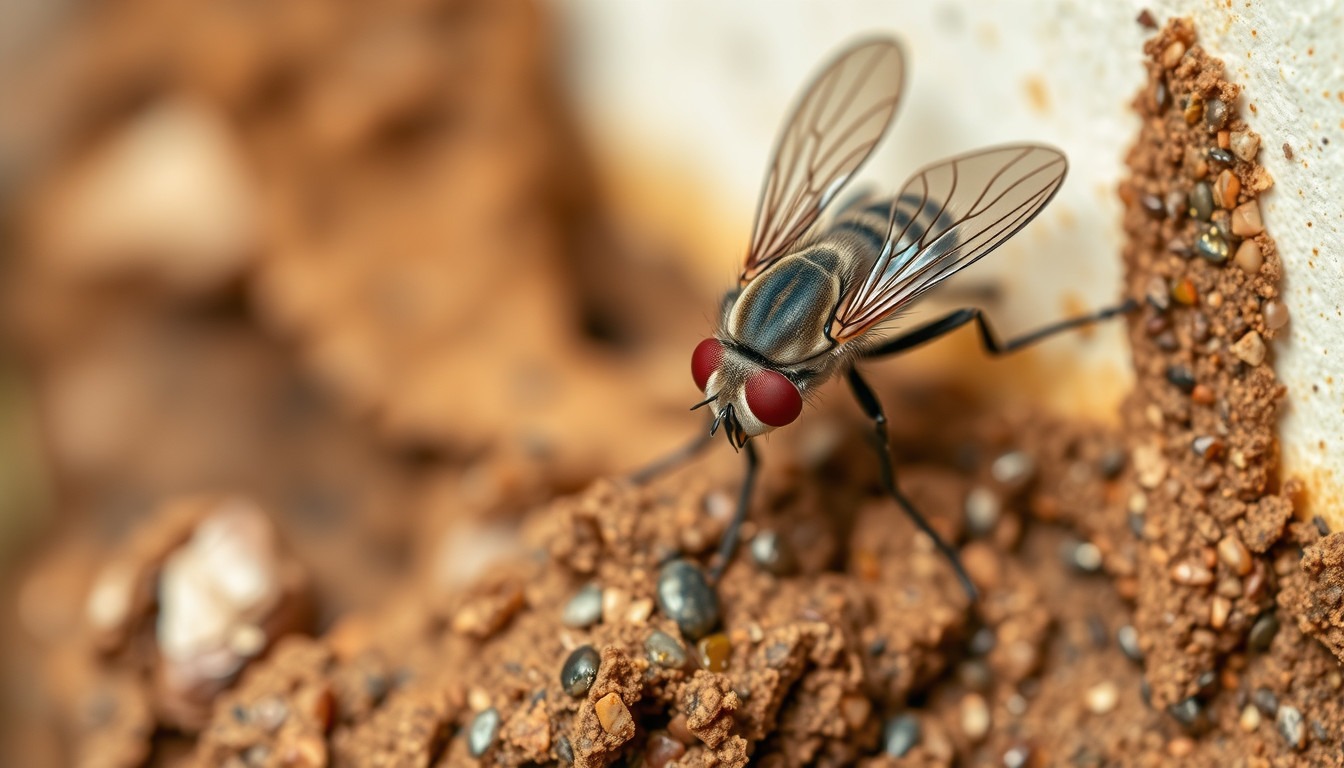
Phorid flies thrive in environments where decaying organic matter, moisture, and accessible breeding sites exist. This includes drains, sewer lines, garbage disposals, and hidden leaks beneath slabs. Their breeding is less tied to exposed food like fruit flies, making traditional fruit fly treatments ineffective. Elimination efforts must focus on these breeding sources, not just adult flies.
2. What evidence or details to check
Thorough inspection of plumbing fixtures, drains, and hidden leak areas is crucial. Look for organic buildup, damp conditions, or foul odors that indicate active breeding sites. Checking these areas ensures targeted intervention rather than generalized pest control. Confirming the presence of decayed matter or moisture helps prioritize areas for cleaning and sealing.
Table of Contents
3. When the usual advice does not apply
If infestations persist despite cleaning visible sources, consider that breeding sites may be hidden or inaccessible. Deep plumbing issues, undetected leaks, or organic debris trapped in inaccessible pipes can sustain infestations. In such cases, standard surface cleaning or traps alone rarely resolve the problem. Instead, more invasive steps like drain disassembly, sealing leaks, or professional inspection may be necessary.
Conditions like persistent leaks, complex plumbing, or widespread organic matter require adjusting tactics. DIY treatments such as boiling water or brushes can help, but targeting the root habitat remains vital. Recognizing these limits prevents futile efforts and guides toward more comprehensive solutions when initial methods fall short.
How to Evaluate How To Get Rid Of Phorid Flies Before Acting
Before starting treatment, assess the scope of the infestation and identify potential breeding sites. An accurate evaluation helps decide whether surface controls or more invasive measures are necessary, preventing wasted efforts on ineffective solutions.
1. What to check first
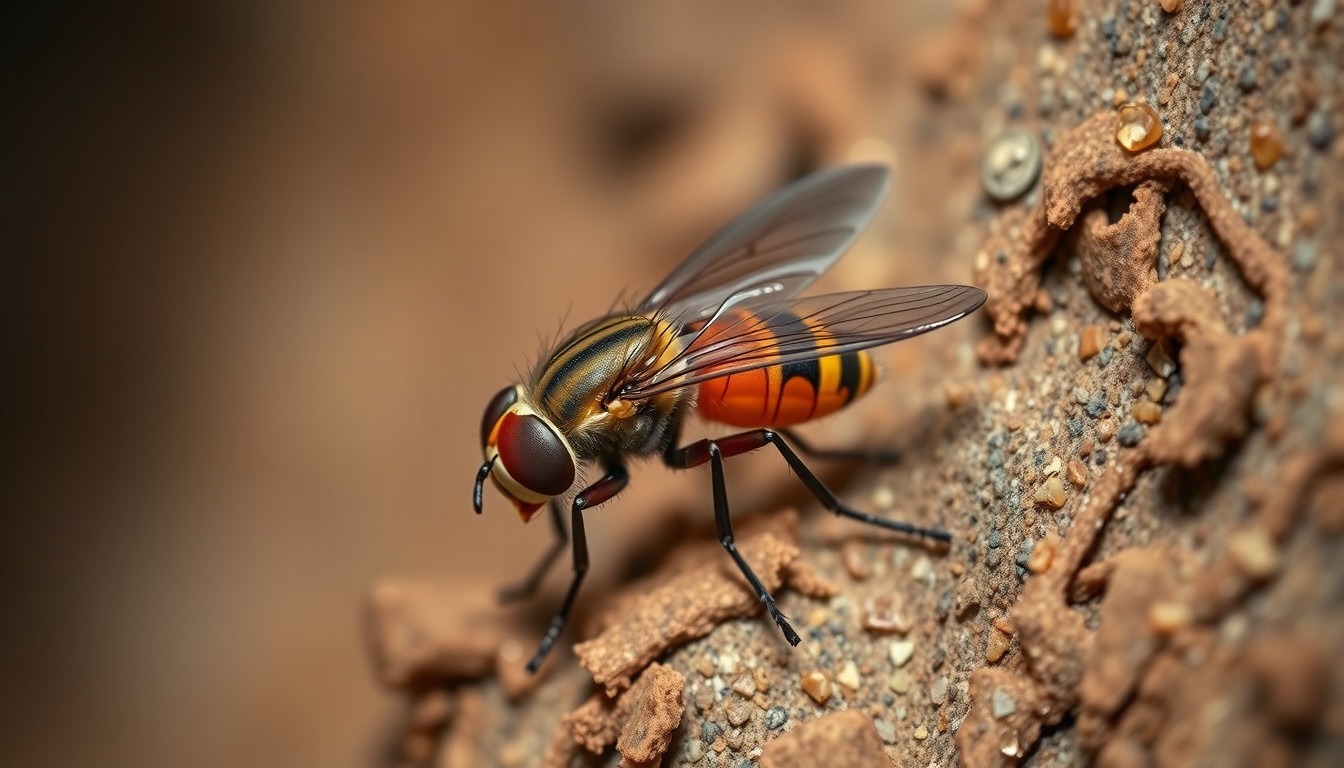
Begin by observing your environment for clues that indicate where phorid flies are breeding. Focus on areas like drains, garbage disposals, and organic debris, as these are common habitats. Notice if flies are most active near certain locations—frequently, they cluster around moist, decaying matter or plumbing fixtures. Check for signs of persistent moisture, leaks, or hidden organic material, especially beneath sinks or within plumbing that cannot be easily inspected. If you see an accumulation of decaying matter or organic buildup, these are likely sources fueling the infestation. Additionally, identify any plumbing issues such as leaks or slow drains that could create ideal breeding environments. Visual and practical inspections inform whether simple cleaning suffices or if more invasive steps are needed.
2. How to interpret the result
Understanding what your inspection reveals guides the next steps. If you spot visible breeding sites like organic build-up or stagnant water in drains, then addressing these sources takes priority. Persistent activity near drains or plumbing suggests hidden breeding, often beneath slabs or within inaccessible pipes. Flea activity in multiple areas indicates a widespread problem, possibly requiring combination treatments. If no clear breeding site surfaces, but flies remain active, consider broader environmental factors such as organic debris in the trash or moist materials in hidden corners. Recognizing these signals helps avoid unnecessary chemical applications to visible adults alone, focusing instead on eliminating the habitat, which is crucial for long-term control. When conditions point toward hidden plumbing or organic buildup, invasive procedures like drain disassembly or professional inspection may be warranted, especially if surface cleaning and traps aren’t reducing fly activity.
A Step-by-Step Approach to How To Get Rid of Phorid Flies
Effectively eliminating phorid flies requires a systematic process that targets both adults and their breeding sites. Following a clear sequence ensures progress and prevents recurring infestations.
1. Prepare the essentials
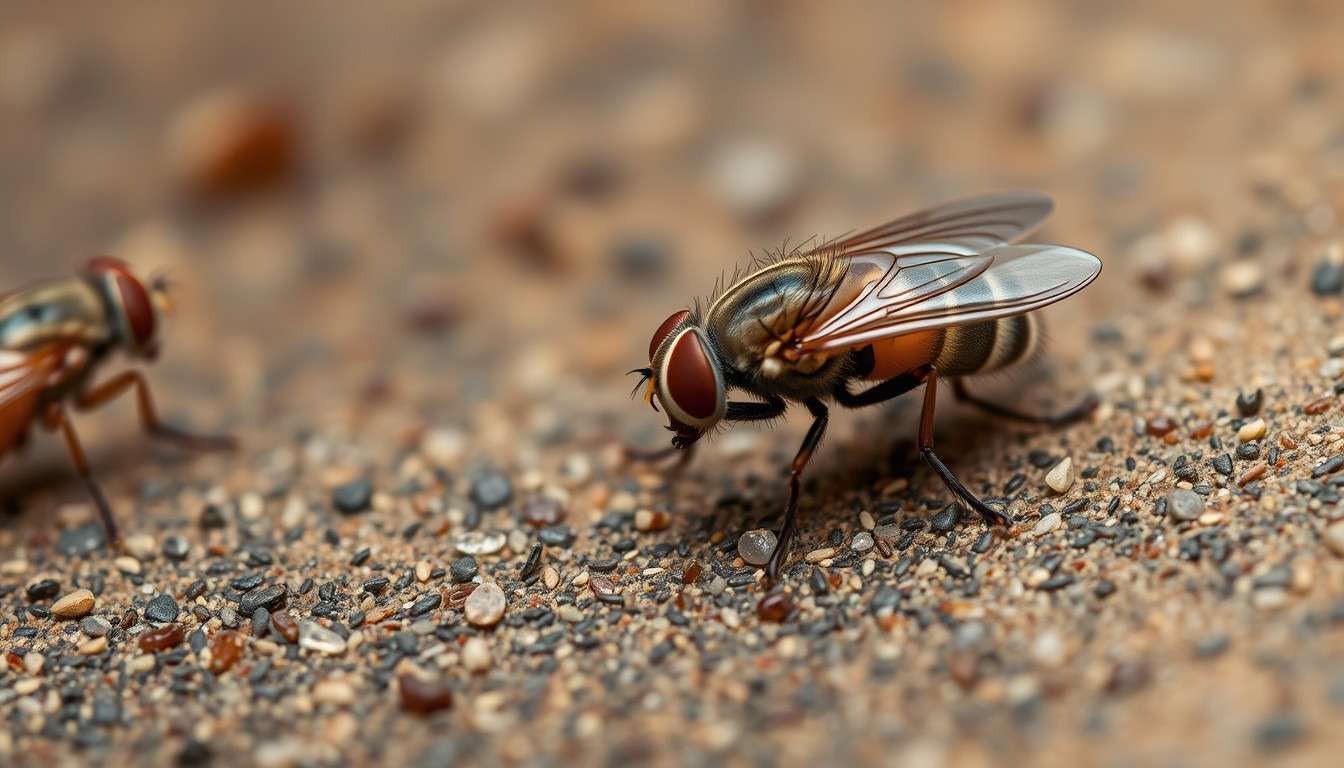
Gather cleaning supplies, including bleach, disinfectant, and organic debris removal tools. Obtain traps specifically designed for phorid flies and check drainage systems for access points. Having these ready prevents delays once action begins.
2. Take the first action
Identify and eliminate breeding sites. Thoroughly clean drains, garbage disposals, and areas with organic buildup using a drain cleaner or a mixture of bleach and hot water. Discard decaying matter and dry out moist, organic-rich zones. Set out traps near common activity zones such as sinks, drains, and trash areas to catch adult flies.
3. Check the early result
Monitor fly activity over the next few days. If traps catch numerous flies and activity diminishes, continue the sanitation and trap placement as the core strategy. Visible signs of fewer flies indicate progress, but persistent activity suggests breeding sites remain or new ones have appeared.
4. Adjust for changing conditions
If fly activity persists after initial measures, broaden the search for hidden breeding sources. Inspect under appliances, inside plumbing access points, and in moist organic debris in hidden corners or under slabs. Consider invasive procedures like drain disassembly or professional inspection if internal plumbing or organic matter is suspected but not visible.
To prevent re-infestation, implement ongoing sanitation routines, keep drains and organic matter dry and clean, and use traps continuously until no further activity is observed. Adjustments like switching trap types or adding enzymatic drain treatments can enhance effectiveness, especially in challenging environments.
Choosing the Right Approach for Your Situation
Different circumstances demand tailored strategies for eliminating phorid flies effectively. Evaluating the severity of the infestation and the potential breeding sites determines whether a simple or comprehensive approach is appropriate.
1. When the simpler approach fits
If phorid flies are present in small numbers and are concentrated near accessible areas, using targeted traps and improved sanitation may suffice. Clearing visible organic debris, fixing minor leaks, and employing sticky or light traps can reduce adult populations quickly. This method is best when the source is obvious and localized.
2. When a more involved approach is justified
Persistent or widespread infestations often require inspecting hidden breeding sites. Flies breeding in drains, sewer lines, or beneath slabs need internal checks, such as drain disassembly or the use of enzymatic treatments. For recurring problems despite surface measures, a thorough investigation and possibly professional help become necessary to locate concealed sources.
3. Trade-offs to consider
Choosing the appropriate method involves balancing effort, cost, and the extent of infestation. Starting with simple tactics can often control small outbreaks, but persistent flies or hidden breeding sites justify more invasive measures.
Mistakes That Change the Result
Preventing common errors ensures a more effective approach when learning how to get rid of phorid flies. Recognizing and correcting these mistakes can make the difference between a temporary fix and long-term control.
1. Mistaking a symptom for a cause
One of the most frequent errors is treating visible flies without identifying their breeding sites. Flies often congregate around surfaces where they feed or rest, but their breeding sources can be hidden deep within drains, sewage lines, or decaying organic matter. Eliminating adult flies without addressing the breeding environment leads to recurring infestations. It’s essential to locate and treat these sources directly, using targeted cleaning or insecticides designed for internal plumbing or organic buildup.
2. Skipping a critical condition
Another mistake is ignoring underlying plumbing or moisture issues that foster fly breeding. For instance, a leaking pipe or a clogged drain creates the perfect environment for fly larvae. Failing to fix such conditions allows the infestation to persist despite superficial cleaning or trap placement. Conduct a thorough inspection for leaks, mold, or persistent moisture, and repair damage before implementing control measures. This comprehensive approach reduces the chances of a resurgence and ensures that efforts on adult flies are not wasted.
Effective troubleshooting involves verifying whether the infestation is localized or widespread. Use observations of fly behavior and breeding patterns to guide interventions. Addressing breeding habitats directly, rather than solely focusing on visible adult flies, achieves a more permanent reduction. Corrective actions should always include thorough cleaning, repair of plumbing issues, and consistent monitoring for new activity, which together enhance success in managing how to get rid of phorid flies.
When to Adapt or Seek More Help
Persistent phorid fly problems often require changing strategies or consulting pest management professionals. Recognizing the limits of DIY methods can save time and ensure the infestation is properly addressed.
1. Key points: next steps
If your efforts to eliminate phorid flies are unsuccessful after a few weeks of targeted treatment, it is advisable to reassess the situation. Continue cleaning and maintaining potential breeding sites, but if the problem persists, consider professional pest control services. Professionals can perform a detailed inspection, identify hidden breeding areas, and use specialized treatments that are not available over the counter.
2. Limitations of DIY Approaches
While DIY methods can reduce phorid fly populations temporarily, they often fall short of eliminating deeply hidden breeding sources. Flies breeding in inaccessible sewer lines, subfloor areas, or behind walls may continue to produce new generations. Relying solely on surface-level treatments rarely breaks the full life cycle of these pests.
Another limitation is the potential for recurring infestations if underlying issues such as plumbing leaks, accumulation of decaying organic matter, or moisture problems are not resolved. Addressing these conditions is essential for long-term control but may be beyond the scope of simple DIY solutions.
3. When to Consider Professional Help
If you have thoroughly cleaned and treated all accessible breeding sites but see no reduction in fly activity over several weeks, consult pest control experts. They can conduct a comprehensive assessment, identify hidden breeding habitats, and implement targeted chemical or non-chemical treatments. This approach helps break the cycle of reinfestation and provides peace of mind when DIY efforts have reached their limit.
Frequently Asked Questions
1. How can I tell if my drain is the breeding site?
Look for organic buildup, lingering moisture, foul odors, and increased fly activity near plumbing fixtures or inside drains.
2. Are natural remedies effective against phorid flies?
Natural remedies like boiling water or vinegar solutions can help temporarily reduce adult flies but may not eliminate breeding sources embedded in organic debris or plumbing, requiring more targeted cleaning.
3. What cleaning products work best for organic buildup?
Strong disinfectants like bleach or commercial drain cleaners designed to break down organic matter are most effective at clearing breeding zones within drains and piping.
4. How long does it typically take to see results?
Results usually appear within three to seven days, especially if breeding sites are effectively targeted and traps are positioned to catch adult flies.
5. Can outdoor sources cause indoor infestation?
Yes; outdoor decaying organic matter or breeding sites near the home can attract flies that enter indoors through open doors, windows, or plumbing vents, leading to infestation.
6. When should I call a professional pest control service?
If bacteria- or plumbing-related issues persist despite cleaning, or if hidden breeding sites in underground piping or slabs are suspected, professional inspection is advisable.
7. Are there long-term prevention tips to avoid future infestations?
Regularly maintain and clean drains, fix leaks promptly, remove decaying organic matter, and seal potential entry points to minimize breeding habitat and keep flies out}