
Sandburs can turn your lawn into an uncomfortable space, making outdoor activities painful. Knowing how to effectively get rid of sandburs in your yard is essential for maintaining a safe and enjoyable environment. This guide covers identification, removal techniques, and prevention strategies to ensure your yard stays burr-free.
Table of Contents
Understanding Sandburs: Identification and Characteristics
Sandburs can be a real nuisance in your yard. These pesky plants not only hurt when you step on them, but they also compete with your grass for nutrients and space. Let’s dive into what sandburs are, how to identify them, and their impact on your lawn.
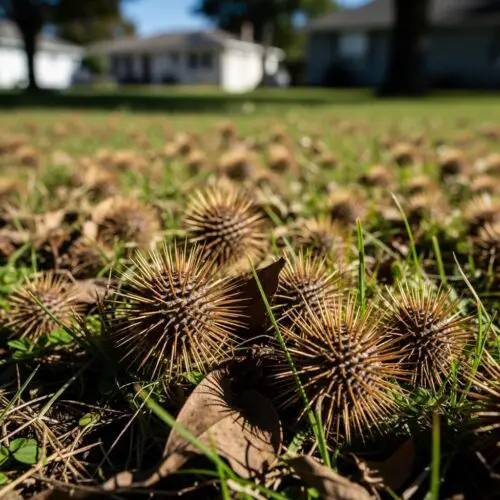
Characteristics of Sandburs and Their Life Cycle
Sandburs, scientifically known as Cenchrus spp., are warm-season annual grasses. They thrive in sunny areas and prefer dry, sandy soils. Here are some key features:
- Appearance: Sandburs start as coarse, pale-green grass that grows low to the ground. They can be tricky to spot when they’re small.
- Growth Pattern: They spread along the ground and often root at their nodes, allowing them to dodge regular mowing.
- Burs: The most notorious part of sandburs is their sharp, spine-covered seed pods, which form in late summer and early fall. These burs can remain in the soil for years, waiting for the right conditions to germinate.
Identifying Sandburs in Your Lawn
Spotting sandburs early is crucial for effective management. Here are some tips for identification:
- Size: Sandburs rarely exceed one meter in height. If you see grass taller than your lawn, it might be sandbur.
- Growth Stage: Look for the characteristic burs in late summer. If you notice painful puncture wounds on your feet, that’s a good indicator!
- Comparison: Unlike regular grass, sandburs have a coarse texture and can appear more scraggly.
Impact of Sandburs on Lawn Health
Sandburs can significantly affect your yard’s health. Here’s how:
- Competition: They take nutrients and water from your grass, leading to a decline in lawn quality.
- Painful Encounters: Those sharp burs can hurt your feet and make outdoor activities less enjoyable.
- Invasiveness: If left unchecked, they can spread to gardens and landscaping, causing more extensive problems.
To tackle sandburs effectively, consider using tools like the Garden Weasel Hand Weeder for manual removal. Remember, the earlier you identify and address them, the easier it will be to keep your yard sandbur-free!
Effective Manual Removal Techniques for Sandburs
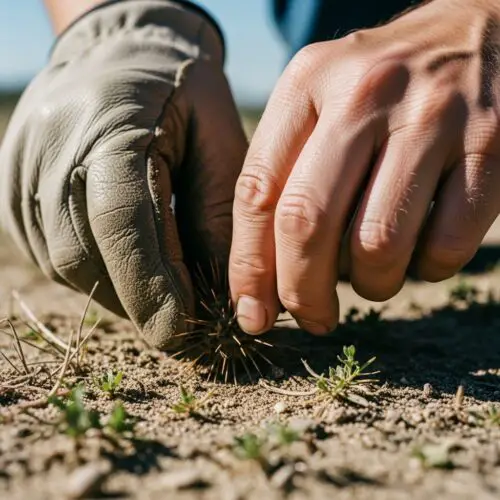
Getting rid of sandburs manually is quite effective, especially if you catch them early. With the right tools and timing, you can clear your yard of these pesky weeds and keep them from coming back.
Preparing for Manual Removal: Tools and Timing
Before you dive into the removal process, gather your tools. Here’s a checklist to help you get started:
- Thick Gloves: Protect your hands from those sharp burs.
- Hand Weeder or Trowel: A great tool to dig out the roots. Consider using the Garden Weasel Hand Weeder for easy handling.
- Plastic Bag or Bucket: For collecting the sandburs and their roots.
- Knee Pads: Comfort is key when you’re working close to the ground.
Timing is important too. The best time to remove sandburs is when they’re young and before they produce seeds. This is usually in late spring or early summer.
Step-by-Step Guide to Hand-Pulling Sandburs
Now that you’re geared up, here’s how to effectively hand-pull sandburs:
1. Identify the Area: Locate patches of sandburs in your yard.
2. Wear Protective Gear: Put on gloves and any other protective clothing.
3. Grab the Stem: Hold the sandbur close to the base of the stem.
4. Pull Gently: With a firm, steady pull, remove the entire plant, including the roots. If you break the stem, it can regrow.
5. Collect and Dispose: Place the pulled sandburs into your bag or bucket. Don’t leave them on the ground; they can root again.
Using Mechanical Aids to Assist in Removal
If you’re dealing with a larger infestation, consider using mechanical aids. Tools like a hoe or a specially designed weed puller can make the job easier. Here’s how to use them:
- Hoe: Use a hoe to cut off sandburs at the soil level. Make sure to follow up by digging out any remaining roots.
- Weed Puller: A weed puller can help you extract the plant and roots without bending over too much.
Importance of Wearing Protective Gear
Don’t skip the gloves! Sandburs have sharp spines that can hurt your fingers. Wearing thick gloves not only protects you but also gives you a better grip on the plants. This makes pulling them out easier and more effective.
By following these steps, you can tackle sandburs head-on! Happy weeding!
Chemical Control Strategies for Sandburs
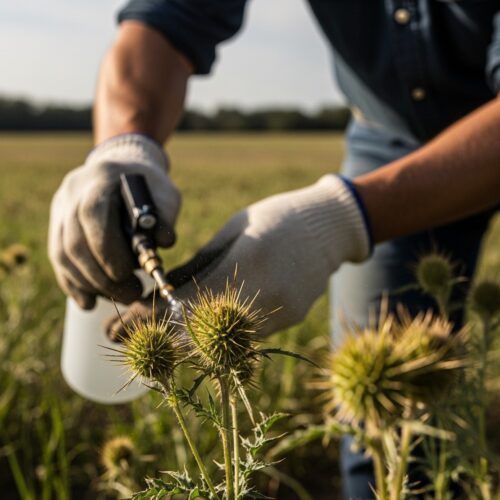
When sandburs invade your yard, chemical control can be a game changer. It’s all about using the right herbicides at the right time to keep these pesky weeds at bay.
Choosing the Right Herbicides for Sandburs
There are two main types of herbicides you can use: pre-emergent and post-emergent.
- Pre-emergent herbicides: These prevent sandbur seeds from germinating. They create a barrier in the soil. You need to apply them before the soil temperature hits 52-55°F.
- Post-emergent herbicides: These tackle existing sandbur plants. They work best when the plants are young and actively growing. Apply them when the weeds are soft and before they produce burs.
Here’s a quick comparison of effective herbicides:
| Herbicide Type | Active Ingredient | Best Use | Notes |
|---|---|---|---|
| Pre-emergent | Pendimethalin | Prevents germination | Apply early in the season |
| Post-emergent | MSMA | Kills young sandburs | Must be applied to young plants |
| Post-emergent | Glyphosate | General weed control | Effective but non-selective |
Application Timing for Maximum Effectiveness
Timing is crucial for herbicide application. For pre-emergent herbicides, apply them early in the spring. Aim for right before the seeds start to sprout. For post-emergent options, target young plants, ideally when they’re about 2-4 inches tall. This ensures the herbicide penetrates effectively.
- Pre-emergent: Apply in early spring before soil warms up.
- Post-emergent: Apply when young, green plants are visible.
Safety Precautions When Using Chemicals
Using herbicides can be effective, but safety is key. Here are some precautions:
- Always wear gloves and a mask to protect yourself.
- Apply on calm days to avoid drift.
- Follow the instructions on the label carefully.
If you prefer a hands-on approach, consider tools like the Garden Weasel Hand Weeder for manual removal, especially after treating with chemicals.
By using the right herbicides and applying them at the right time, you can keep sandburs under control and enjoy a healthy, beautiful lawn.
Prevention Strategies to Maintain a Sandbur-Free Lawn
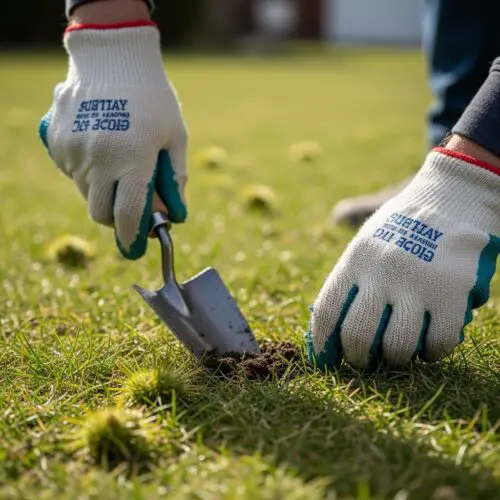
Keeping sandburs at bay starts with solid lawn care practices. A healthy lawn is your best defense against these pesky weeds. Here are some strategies to help you maintain a sandbur-free yard.
Maintaining Healthy Soil for Optimal Grass Growth
Healthy soil is the foundation of a thriving lawn. Start by testing your soil to understand its nutrient needs. You want to ensure your grass has the best chance to grow dense and strong.
- Soil Testing: Conduct a soil test annually. This helps identify nutrient deficiencies.
- Amendments: Based on the test results, add organic matter or fertilizers as needed.
- pH Levels: Aim for a pH between 6.0 and 7.0 for optimal grass growth.
Mowing and Watering Practices to Deter Sandburs
Proper mowing and watering can make a big difference. These practices not only promote healthy grass but also discourage sandbur growth.
- Mowing Height: Keep your mower blade high. Cutting grass too short can expose soil and encourage sandbur seeds to germinate.
- Frequency: Mow regularly during the growing season. This keeps your lawn dense and healthy.
- Watering Schedule: Water deeply but infrequently. Aim for about 1 inch per week. This encourages deep root growth.
Fertilization Techniques to Promote Lawn Resilience
Fertilizing your lawn correctly can strengthen grass and help it outcompete sandburs. Here’s how to do it right.
- Timing: Fertilize in early spring and fall. This aligns with grass growth cycles.
- Type of Fertilizer: Use a slow-release fertilizer to provide nutrients over time.
- Application: Follow the recommended rates on the fertilizer package. Over-fertilizing can lead to excessive growth, which may attract pests.
Seasonal Lawn Care Calendar to Prevent Sandburs
1. Spring:
- Test soil and apply pre-emergent herbicide before sandbur seeds germinate.
- Start mowing and watering as needed.
2. Summer:
- Water deeply and regularly.
- Mow to maintain height and density.
3. Fall:
- Fertilize to prepare for winter.
- Continue mowing until grass stops growing.
4. Winter:
- Plan for the next season. Evaluate what worked and what didn’t.
By following these practices, you’ll create an environment that makes it tough for sandburs to thrive. Keeping your lawn healthy is your best bet for preventing these annoying weeds.
Addressing Common Issues and Solutions in Sandbur Management
Dealing with sandburs can be tricky. Here are some common mistakes homeowners make and how to solve them.
Mistakes to Avoid When Dealing with Sandburs
1. Ignoring Early Signs: Many people wait too long to address sandbur growth. Catching them early is key.
2. Inconsistent Lawn Care: Skipping mowing or watering can weaken your grass and allow sandburs to thrive. Stick to a routine.
3. Using the Wrong Herbicide: Not all herbicides target sandburs effectively. Make sure you’re using the right product for the job.
4. Mowing Too Low: Cutting your grass too short can expose sandbur seeds to sunlight, helping them germinate. Keep your mower set high.
5. Failing to Fertilize: A healthy lawn is your best defense. Neglecting fertilization creates a weak lawn that sandburs can invade.
Solutions for Persistent Sandbur Problems
If sandburs keep coming back, try these solutions:
- Manual Removal: Hand-pulling is effective, especially before they seed. Ensure you remove the entire root to prevent regrowth.
- Pre-Emergent Herbicides: Apply in early spring to stop seeds from germinating. Timing is crucial!
- Regular Lawn Maintenance: Water deeply and mow regularly. A thick, healthy lawn can outcompete sandburs.
- Soil Testing: Check your soil for pH and nutrient levels. Adjusting these can improve grass health.
When to Seek Professional Help
Sometimes, sandburs can feel overwhelming. Here’s when to call in the pros:
- Severe Infestation: If sandburs have taken over, it might be time for expert intervention.
- Lack of Results: If your efforts aren’t working, professionals can offer targeted solutions.
- Complex Lawn Issues: If your lawn has multiple weed issues, a lawn care service can provide comprehensive management.
Remember, a proactive approach and consistent care can keep sandburs at bay, helping you enjoy a beautiful lawn!
Frequently Asked Questions
These quick answers cover the most common questions about this topic, including key details, practical tips, and common concerns.
How to get sand burrs out of your yard?
Manual removal is the most effective method. Wear thick gloves and use a hand weeder or trowel to dig out the entire plant, including roots. Do this when the sandburs are young, typically in late spring or early summer, before they produce burs. Collect and dispose of the plants to prevent regrowth. Mechanical tools like hoes or weed pullers can help with larger infestations.
Do sand burrs come back every year?
Yes, sandburs are annual weeds that produce seeds each year. Their burs can remain in the soil for years, germinating when conditions are right. To prevent re-infestation, use pre-emergent herbicides in early spring to stop seed germination and maintain a healthy, dense lawn to outcompete new weeds.
Does Roundup kill sandburs?
Glyphosate-based herbicides like Roundup can kill sandburs, but they are non-selective and will also damage your grass if not applied carefully. It’s best to target young, actively growing sandburs and apply the chemical directly to the weeds. Follow safety instructions closely to avoid harming desirable plants.
What time of year do you spray for sand burrs?
Apply pre-emergent herbicides in early spring before soil temperatures reach 52-55°F, which prevents seed germination. Post-emergent herbicides are most effective when sandburs are young and actively growing, usually in late spring or early summer. Timing is crucial for maximum control.
What are the best practices for lawn maintenance to prevent sandburs?
Maintain a healthy lawn by mowing at the proper height, watering deeply but infrequently, and fertilizing appropriately. A dense, vigorous turf leaves little room for sandburs to establish. Regularly overseed bare patches and aerate your soil to improve soil health and reduce weed invasion.
Can sandburs harm pets?
Sandburs can harm pets by causing skin irritation or puncture wounds if they step on the burs. The sharp spines can embed in their paws or fur, leading to discomfort or infection. Keep pets away from infested areas and remove sandburs promptly.
How long does it take for herbicides to work on sandburs?
Post-emergent herbicides typically show visible results within a week to ten days. You may need to reapply if new sandburs emerge. For pre-emergent treatments, you won’t see immediate effects; they work by preventing seed germination before the weeds appear.
What should I do if sandburs keep returning?
Persistent sandburs indicate ongoing seed production or incomplete removal. Reassess your lawn care practices, ensure timely herbicide applications, and improve soil health through aeration and fertilization. Consider professional help if the problem persists despite your efforts.