
Hollowing out a tree log can be a rewarding DIY project that transforms a simple log into a beautiful planter or a unique geocaching container. This guide provides detailed steps and essential tips to help you successfully hollow out a log using various techniques and tools.
Table of Contents
Understand the Purpose of Hollowing Out a Log
Hollowing out a log can serve practical purposes that go beyond just being a fun DIY project. Whether you’re looking to create a stunning planter or a clever geocaching container, understanding the uses of hollow logs can enhance your outdoor activities.
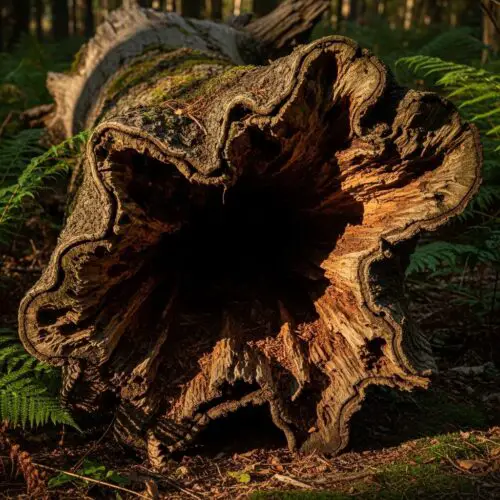
The Appeal of Log Planters in Gardening
Log planters are not only unique but also eco-friendly. They bring a rustic charm to any garden. Here are some advantages:
- Natural Aesthetic: Logs blend seamlessly into garden landscapes, adding character.
- Sustainability: Using natural materials reduces reliance on plastic planters.
- Water Retention: Wood can help retain moisture, benefiting your plants.
When choosing a log for planting, hardwoods like oak and maple are ideal. They’re durable and less prone to rot. Make sure the log is free of any chemical treatments to keep your plants safe.
Using Hollow Logs for Geocaching
Hollow logs can also serve as fantastic geocaching containers. They provide a natural hiding spot for treasures. Here’s why they’re great for this purpose:
- Natural Camouflage: A hollow log looks like part of the environment, making it harder to spot.
- Durability: Logs withstand the elements better than plastic containers.
- Easy Access: You can easily modify the log to create a secure yet accessible cache.
When preparing a log for geocaching, consider sealing it with a non-toxic finish. This will protect the contents from moisture while keeping the log looking natural.
Tips for Successful Hollowing
When you’re ready to hollow out your log, having the right tools makes all the difference. A Log Hollowing Tool Kit is a great investment for this project. Check Price on Amazon.
Here’s a quick checklist to ensure you’re set up for success:
- Select the Right Log: Choose a sturdy hardwood log.
- Gather Your Tools: Chainsaw, chisels, and drills are essential.
- Mark Your Cuts: Use a measuring tape and marker for precision.
- Safety First: Always wear safety goggles and gloves.
Hollowing out a log can lead to beautiful, functional pieces for your garden or your next geocaching adventure!
Gather the Right Tools and Materials

Before you dive into hollowing out a log, let’s make sure you have everything you need. The right tools will not only make the job easier but also safer. Here’s what you should gather for a successful project.
Essential Hand Tools for Hollowing Logs
Hand tools are a must for precision work. Here’s a list of what you’ll need:
- Chisels: Essential for shaping the interior. Get a set with different sizes.
- Mallet: Use this to drive the chisels without damaging them.
- Measuring Tape: Accurate measurements are key for even hollowing.
- Marking Tool: A marker or pencil to outline where you’ll cut.
- Sandpaper: Smooth out any rough edges inside the log.
Recommended Power Tools and Their Uses
Power tools can speed up the process. Here’s what you might consider:
- Chainsaw: Great for making initial cuts and removing large sections.
- Drill: Helps in creating starting holes for chiseling.
- Rotary Tool: Ideal for detailed work and refining edges.
Quick Checklist for Tools and Materials
- Select the Right Log: Choose a sturdy hardwood log.
- Gather Hand Tools: Chisels, mallet, measuring tape, marking tool, sandpaper.
- Include Power Tools: Chainsaw, drill, rotary tool.
- Safety Gear: Safety goggles and gloves are a must!
Having the right tools on hand can make your log hollowing experience smooth and enjoyable. Happy crafting!
Choose the Right Log for Your Project

Selecting the right log is crucial for a successful hollowing project. The size, wood type, and condition can make all the difference, especially if you’re aiming to create a beautiful planter or a geocaching treasure. Let’s dive into what to look for.
Ideal Wood Types for Planters
When it comes to choosing wood for your log planter, some types stand out. Here’s a quick comparison of popular options:
| Wood Type | Properties | Best Uses |
|---|---|---|
| Oak | Durable, water-resistant | Long-lasting planters |
| Walnut | Attractive grain, strong | Decorative planters |
| Cedar | Natural resistance to decay | Outdoor planters |
| Pine | Lightweight, easy to work with | Short-term planters |
Tip: Hardwoods like oak and walnut are great for durability. If you want something that looks good and lasts, go for these.
Avoiding Logs with Rot or Decay
Before you start hollowing, check your log for any signs of damage. Here’s what to look for:
- Soft spots: Press your fingers into the wood. If it feels mushy, steer clear.
- Discoloration: Dark patches can indicate rot.
- Bark condition: Loose or peeling bark can be a bad sign.
Decision Rule: Always choose freshly cut logs if possible. Older wood might be brittle or decayed, making it tough to work with effectively.
By keeping these criteria in mind, you’ll set yourself up for a successful hollowing project. If you’re serious about this craft, consider investing in a Log Hollowing Tool Kit to make the process even easier. Happy hollowing!
Prepare the Log for Hollowing

Getting your log ready for hollowing is crucial. It sets the stage for a successful project. Here’s how to do it right.
Debarking Your Log Properly
Start by removing the bark from your log. This helps you see the wood underneath and makes it easier to work with. Here’s how to go about it:
1. Gather Your Tools: You’ll need a chisel, a putty knife, or a draw knife.
2. Work from One End: Begin at one end and gently pry the bark away from the wood.
3. Be Patient: Take your time. If the bark doesn’t come off easily, use your chisel to carefully scrape it away.
4. Check for Soft Spots: As you debark, look for any soft or rotten areas. These can affect your hollowing process.
Once you’ve debarked the log, it’s time to mark the hollowing area.
Marking the Hollowing Area for Accuracy
Marking is key to achieving a clean hollow. Follow these steps to ensure precision:
1. Find the Center: Measure the diameter of the log. Divide by two to locate the center.
2. Use a Pencil: Mark the center point lightly with a pencil. This will guide your cuts.
3. Define the Hollowing Area: Decide how deep you want to hollow out the log. Use a measuring tape to mark that depth around the log’s circumference.
4. Draw Guidelines: Connect your depth marks with straight lines using a ruler. This will give you a clear path for cutting.
Tips for Effective Marking
- Use a Level Surface: Make sure your log is stable. A wobbly log can lead to mistakes.
- Be Mindful of Knots: Keep an eye out for knots or irregularities. They can complicate your hollowing process.
- Double-Check Your Measurements: It’s easy to make a mistake. Always verify your markings before cutting.
By following these steps, you’ll set yourself up for a smooth hollowing experience. Happy crafting!
Safety First: Precautions When Hollowing Out Logs
Hollowing out a log can be a fun DIY project, but safety should always come first. Working with power tools and sharp implements requires caution. Here’s how to keep yourself safe while you craft your log planter or geocaching container.
Wearing Protective Equipment
Before you even pick up a tool, make sure you have the right protective gear. This is your first line of defense against accidents. Here’s a checklist of essential equipment:
- Safety Goggles: Protect your eyes from flying debris.
- Dust Mask: Prevent inhalation of sawdust.
- Gloves: Guard your hands against sharp edges and splinters.
- Ear Protection: Use earplugs or earmuffs if you’re working with loud power tools.
Each piece of equipment plays a vital role in ensuring your safety. Don’t skimp on this step!
Setting Up a Safe Workspace
Creating a safe workspace is just as important as wearing the right gear. Here are some tips to help you set up:
- Choose a Stable Surface: Use a sturdy table or workbench. A wobbly surface can lead to mistakes.
- Clear the Area: Remove any clutter that could cause you to trip or bump into things.
- Adequate Lighting: Make sure your workspace is well-lit. Good lighting helps you see what you’re doing.
- Have First Aid Nearby: Always keep a first aid kit within reach, just in case.
By setting up a safe environment, you can focus on your project without unnecessary distractions or risks.
Common Safety Mistakes to Avoid
Even with precautions, accidents can happen. Here are some common mistakes to steer clear of:
- Rushing the Process: Take your time; hurrying can lead to accidents.
- Ignoring Tool Instructions: Always read the manual for any tools you’re using. Each tool has specific safety guidelines.
- Neglecting Maintenance: Ensure your tools are in good condition. Dull blades or damaged equipment can be hazardous.
Stay alert and mindful. A little caution goes a long way in keeping your crafting enjoyable and safe.
Techniques for Hollowing Out the Log
Hollowing out a log can be a fun and rewarding process. With the right techniques, you can create a beautiful planter or a unique geocaching container. Here are some methods you can use to get the job done effectively.
Using a Chainsaw for Hollowing
A chainsaw is a powerful tool for hollowing out larger logs. Here’s how to use it effectively:
1. Mark Your Depth: Use a measuring tape and marker to mark how deep you want to hollow out the log.
2. Make Initial Cuts: Cut along the marked lines. Start slowly, making sure your cuts are even and parallel. This creates the basic shape of your hollow.
3. Remove Bulk Material: After your initial cuts, switch to a drill with a wood bit to remove any leftover debris.
Tip: Chainsaws are great for larger logs, but be cautious with smaller ones. They can be harder to control.
Chiseling Techniques for Precision
Chiseling is perfect for those who want more control, especially with smaller logs. Here’s how to do it:
1. Drill Pilot Holes: Start by drilling small pilot holes in the log. This helps guide your chisel and prevents the wood from splitting.
2. Use a Chisel or Gouge: Begin chiseling out small pieces of wood. Work your way towards the center gradually. This method allows for more precision.
3. Smooth the Interior: After hollowing, use sandpaper to smooth out rough edges. This is especially important if you plan to plant something inside.
Decision Rule: Use a chainsaw for larger logs and chiseling for smaller, more detailed projects.
Tool Comparison for Different Log Sizes
| Tool Type | Best For | Pros | Cons |
|---|---|---|---|
| Chainsaw | Large logs | Fast hollowing | Less precision |
| Drill & Chisel | Small to medium logs | Precise control | Time-consuming |
Remember, choosing the right tool can make all the difference in your project. Always keep safety in mind and use the appropriate gear. Happy hollowing!
Finishing Touches: Smoothing and Treating the Hollowed Log
Now that you’ve hollowed out your log, it’s time to give it some love. Smoothing the interior surfaces and treating the wood will enhance its look and durability. Let’s dive into how to make your log planter shine!
Sanding the Interior for a Smooth Finish
Sanding is essential for a polished look. Here’s how to do it:
1. Start with Coarse Grit: Use 80-grit sandpaper to tackle rough spots and tool marks.
2. Move to Finer Grit: Progress to 120-grit, then finish with 220-grit for a smooth surface.
3. Check for Splinters: Ensure there are no sharp edges. You want a safe planter for your plants!
Tip: Always sand in the direction of the wood grain. This prevents tearing and gives a better finish.
Applying Wood Treatment or Sealant
Treating your log helps it withstand the elements. Here’s what you need to know:
- Choose the Right Treatment: For softwoods like pine, use a penetrating oil. It enhances the grain and offers protection. For hardwoods like oak, consider a polyurethane sealant for added durability.
- Application: Use a clean cloth or brush to apply the treatment evenly. Follow the manufacturer’s instructions for drying times.
- Environmental Consideration: If you’re using the log as a planter, opt for eco-friendly treatments. They’re safer for your plants and the environment.
Wood Type Treatment Comparison
Here’s a quick table comparing treatments for different wood types:
| Wood Type | Recommended Treatment | Benefits |
|---|---|---|
| Pine | Penetrating Oil | Enhances grain, water-resistant |
| Oak | Polyurethane Sealant | Durable, strong protection |
| Cedar | Natural Oil Finish | Naturally resistant to rot |
By following these steps, your hollowed log will not only look great but also last longer in your garden or as a geocaching container. Happy crafting!
Creating Drainage for Log Planters
Proper drainage is vital for the health of your plants. Without it, excess water can accumulate, leading to root rot. Let’s dive into how to create effective drainage holes for your log planter.
Why Drainage is Crucial for Plant Health
Drainage helps prevent waterlogging. Here’s why it matters:
- Root Health: Roots need air. Too much water suffocates them.
- Disease Prevention: Standing water attracts pests and diseases.
- Nutrient Absorption: Healthy roots absorb nutrients better.
How to Drill Effective Drainage Holes
Creating drainage holes is straightforward. Follow these steps:
1. Gather Your Tools: You’ll need a drill with a drill bit, ideally ½ inch or larger.
2. Drill Holes: Start at the base of your log. Space the holes evenly, about 2-3 inches apart.
3. Create Multiple Holes: Aim for at least 4-6 holes, depending on the size of your log.
4. Check for Obstructions: Ensure you’re not hitting any large knots or dense wood.
Here’s a quick checklist to consider for different wood types:
| Wood Type | Recommended Hole Size | Notes |
|---|---|---|
| Softwoods (Pine, Cedar) | ½ inch | Easy to drill, good drainage |
| Hardwoods (Oak, Maple) | ¾ inch | Requires more effort but durable |
| Decayed Wood | ½ inch | Be cautious; it may crumble |
Example of Drainage Solutions
For a larger log planter, consider adding a layer of gravel at the bottom before planting. This layer acts as a natural drainage system, keeping excess water away from roots while providing aeration.
By following these steps, you can ensure your log planter has the proper drainage it needs for thriving plants. Happy planting!
Troubleshooting Common Issues When Hollowing Logs
Hollowing out a log can be a rewarding project, but it comes with its share of challenges. Here’s how to identify and fix common problems that may arise during the process.
Identifying and Fixing Mistakes
Mistakes can happen. Here’s how to spot and remedy them:
- Cracks and Splits: If you notice cracks, stop immediately. These can worsen with further work. Apply wood glue and clamp the area until it dries.
- Uneven Cuts: If your hollow is uneven, use a chisel to carefully trim the edges. Take your time to ensure a smooth finish.
- Too Deep or Shallow: If you’ve gone too deep, reinforce the log with wood filler or consider using that area for a drainage hole. If it’s too shallow, gradually go deeper, but be careful not to overdo it.
Adjusting Techniques for Difficult Wood
Some woods can be tricky. Here’s how to adapt your approach:
- Knots and Bumps: If you encounter a knot, it’s best to work around it. Avoid cutting directly through to prevent splitting. Use a chisel to carve around the knot instead.
- Hardwoods: When working with hardwoods like oak or maple, use sharper tools. A dull blade can lead to excessive pressure, causing damage. Take breaks to avoid fatigue and maintain focus.
- Softwoods: For softwoods like pine, be gentle. They’re easier to carve but can splinter easily. Make shallow cuts and gradually deepen them.
Common Issues Checklist
Here’s a quick checklist to help you troubleshoot:
- [ ] Inspect for cracks or splits before starting.
- [ ] Use sharp tools to avoid damaging the log.
- [ ] Make shallow cuts to maintain structural integrity.
- [ ] Take breaks to stay refreshed and focused.
- [ ] Test your progress frequently to avoid over-cutting.
By keeping these tips in mind, you can navigate the challenges of hollowing out a log with confidence!
Final Thoughts on Hollowing Out Logs
Hollowing out logs is a fun and rewarding DIY project. Whether you’re making a planter or creating a geocaching treasure, you’ll feel a great sense of accomplishment.
The Satisfaction of Creating Something Unique
There’s something special about crafting your own garden decor. When you take a log and transform it into a beautiful planter, you’re not just gardening—you’re creating a piece of art.
Here are a few reasons to embrace this DIY spirit:
- Customization: You can design your planter any way you like. Choose the size, shape, and depth that fits your vision.
- Eco-Friendly: Using natural materials reduces waste and adds a rustic charm to your garden.
- Connection to Nature: Working with wood helps you appreciate the beauty of nature even more.
Sharing Your Projects with the Community
Don’t keep your amazing creations to yourself! Share your log planters and geocaching spots with friends or online communities. It’s a great way to inspire others and learn from their experiences.
Consider joining forums or social media groups focused on gardening or DIY projects. You can exchange tips, showcase your work, and build connections. Plus, seeing others’ projects can spark new ideas for your next creation!
Common Mistakes to Avoid
As you dive into hollowing out logs, be aware of these common pitfalls:
- Rushing the Process: Take your time. Quality work takes patience.
- Ignoring Safety: Always wear protective gear. Safety is key when using sharp tools.
- Forgetting Maintenance: Log planters require care. Regularly check for rot and moisture levels.
With the right mindset and a bit of creativity, you’ll find that hollowing out logs is not just a project—it’s a journey into crafting something truly unique and special. Happy DIYing!
Frequently Asked Questions
These quick answers cover the most common questions about this topic, including key details, practical tips, and common concerns.
How to hollow out a log for a planter?
Start by selecting a suitable hardwood log and debarking it carefully. Use a drill to make starter holes, then chisel out the interior gradually, working from the center outward. Smooth the inside with sandpaper and create drainage holes at the bottom. Finish by sealing or treating the wood to prolong its lifespan.
How to hollow a tree stump for a planter?
Identify the size and shape you want, then use a chainsaw to remove the top and carve out the interior. Drill holes to assist chiseling and remove large sections with the saw. Finish by smoothing the interior and adding drainage holes. Sealing the wood can help prevent rot and extend durability.
How to hollow out a tree log?
Choose a sturdy, dry log, and remove the bark. Mark the hollow area with measurements, then use a combination of chainsaw for bulk removal and chisels for detailed shaping. Sand the interior for smoothness and drill drainage holes if used as a planter. Always work slowly and carefully to avoid cracks or uneven surfaces.
What are the best tools for hollowing out a tree stump?
A chainsaw is ideal for removing large sections of wood quickly. For detailed interior shaping, use a set of chisels and a mallet. A drill with various bits helps create starter holes and assist in chiseling. For finishing, sandpaper or a rotary tool can smooth rough edges.
Can I hollow out a log without power tools?
Yes, you can. Use hand tools like chisels, a mallet, and a saw to carve out the interior. Start by marking the hollow area, then carefully chisel away the wood in small sections. This method takes longer but is safer and requires less equipment.
What types of logs are best for planters?
Hardwoods like oak, maple, and cedar are ideal because they are durable and resistant to rot. Softwoods like pine can work but may decay faster unless treated. Avoid logs with signs of rot, soft spots, or extensive decay for longevity.
How do I prevent my log planter from rotting?
Seal the exterior and interior with non-toxic wood sealants or oils designed for outdoor use. Drill drainage holes to prevent water buildup. Place a layer of gravel at the bottom for extra drainage. Regularly check for signs of decay and reapply sealant as needed.
What are alternatives to using logs for planters?
You can use wooden barrels, plastic or ceramic pots, or recycled materials like tires or crates. These options often offer easier maintenance and built-in drainage. For a natural look, consider using large, untreated tree stumps or reclaimed wood containers.