
Smoking an awesome brisket on the Big Green Egg is an art that combines technique and patience. This guide provides you with step-by-step instructions, expert tips, and essential knowledge to ensure your brisket turns out perfectly every time.
Table of Contents
Selecting the Perfect Brisket
Choosing the right brisket can make all the difference when smoking on the Big Green Egg. It’s all about understanding cuts and what to look for.
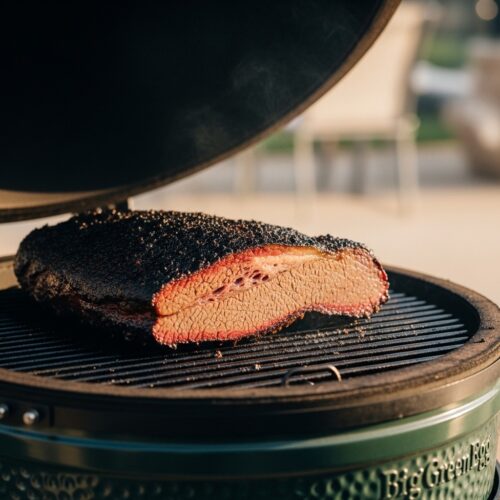
Understanding Brisket Cuts: Point vs. Flat
Brisket comes from the chest of the cow and has two main cuts: the point and the flat.
- Point: This cut is fatty and tender, loaded with flavor. It’s perfect for those who love a juicy bite.
- Flat: Leaner than the point, the flat is great for slicing. It can dry out if not cooked properly, so you’ll need to monitor it closely.
Here’s a quick comparison:
| Cut | Pros | Cons |
|---|---|---|
| Point | Juicy, flavorful, great for shredding | Can be too fatty for some |
| Flat | Easy to slice, less fat | Can dry out if overcooked |
Importance of Marbling in Brisket
Marbling refers to the fat interspersed within the muscle. It’s crucial for flavor and tenderness.
- More marbling: This means more flavor! The fat melts during cooking, keeping the meat moist.
- Less marbling: It can lead to a tougher, drier brisket. Look for a cut with a good balance of lean meat and fat.
Where to Buy Quality Brisket
Not all briskets are created equal. Here are some tips to find the best:
- Local butcher: They often have high-quality options. Plus, they can give you advice on which cut to choose.
- Specialty stores: Places that focus on BBQ supplies usually have better selections.
- Online retailers: If you’re in a pinch, reputable online meat suppliers can deliver quality brisket straight to your door.
For a deeper dive into smoking brisket, check out the Big Green Egg Cookbook. It’s packed with tips and recipes that will elevate your brisket game.
Preparing Your Brisket for the Big Green Egg
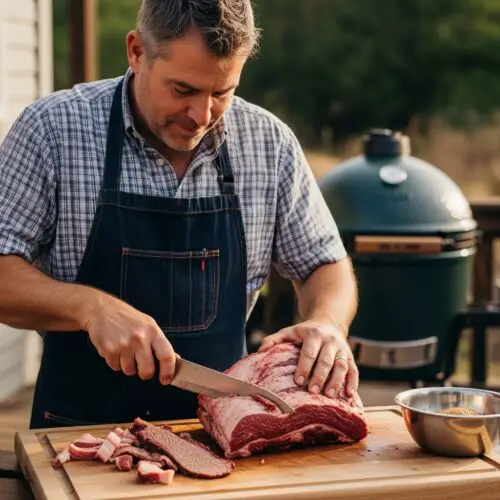
Getting your brisket ready is crucial for that mouthwatering flavor. Let’s break it down into three key steps: trimming, rendering fat, and applying the rub. Each step plays a vital role in achieving that perfect smoke.
Trimming the Brisket: Techniques and Tips
Trimming is essential for a great brisket. You want to remove excess fat but keep enough for flavor. Here’s a quick checklist:
- Identify the fat cap: This is the thick layer of fat on one side. Aim to leave about 1/4 inch. Too much fat can lead to greasy meat.
- Remove silver skin: This thin, tough membrane doesn’t render well. Carefully cut it off with a sharp knife.
- Shape the brisket: Trim any uneven edges. This helps it cook evenly.
Visual Cues:
- Look for a consistent thickness in the fat cap.
- A well-trimmed brisket should have smooth, clean edges.
Rendering Fat: Why It Matters
Rendering fat is all about flavor and moisture. Fat can be your best friend when smoking brisket. Here’s how to make it work for you:
- Positioning: Place the brisket with the fat side up. This allows the fat to melt down into the meat as it cooks.
- Monitor: Keep an eye on the fat cap. If it’s too thick, it can block smoke from penetrating the meat.
A well-rendered fat cap enhances flavor without overpowering the brisket.
Applying the Rub: Techniques for Maximum Flavor
A great rub can elevate your brisket to a whole new level. Here’s how to apply it effectively:
- Choose your rub: Go for a balance of salt, sugar, and spices. Don’t forget to consider your flavor profile.
- Mustard base: Spread a thin layer of mustard on the meat before applying the rub. This helps the rub to stick and adds a bit of tang.
- Generous application: Use enough rub to coat the entire brisket. Don’t skimp on the edges!
Tip: Let the rub sit for at least an hour before smoking. This allows the flavors to penetrate the meat.
With these steps, you’re well on your way to an awesome brisket on the Big Green Egg. Happy smoking!
Setting Up the Big Green Egg for Smoking
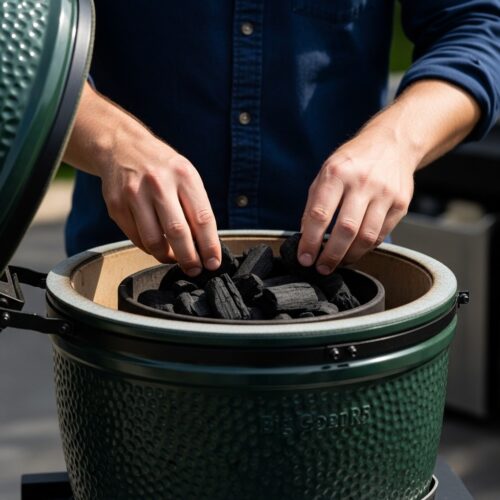
Getting your Big Green Egg ready for smoking is crucial for that mouthwatering brisket. Let’s dive into how to configure it for the best results.
Getting the Right Temperature: Low and Slow
For the perfect brisket, you want to aim for low and slow cooking. Here’s how:
- Temperature Target: Set your Big Green Egg to around 225°F to 250°F. This range allows the brisket to cook evenly and become tender.
- Preheat: It’s essential to preheat your Egg. Light your charcoal and let it burn until you get thin, blue smoke. This usually takes about 30 minutes.
- Monitoring: Use a reliable meat thermometer. Insert it into the thickest part of the brisket for accurate readings.
Choosing the Right Wood for Smoking
Wood choice can significantly impact flavor. Here are some popular options:
- Oak: Provides a balanced flavor, great for brisket.
- Hickory: Strong and smoky; use sparingly to avoid overpowering the meat.
- Mesquite: Bold and earthy; perfect if you love a robust flavor.
You can mix woods for a unique profile. Just remember to soak your wood chunks for about 30 minutes before using them. This helps create a steady smoke.
Managing Airflow and Smoke Levels
Airflow is vital for maintaining temperature and smoke quality. Here’s what to do:
- Dampers: Open the bottom vent fully and adjust the top vent for airflow control. This helps regulate the temperature.
- Smoke Levels: Watch for thin, blue smoke. If it’s billowing white, you may need to adjust your vents or wait for the fire to stabilize.
- Common Troubleshooting: If temperatures drop, check your charcoal levels and replenish if necessary.
Tips for Maintaining Temperature
To keep your Big Green Egg running smoothly throughout the cook:
- Use quality charcoal: Lump charcoal burns hotter and longer.
- Don’t open the lid too often: Each time you do, you lose heat and smoke.
- Check for leaks: Ensure the lid seals properly to maintain consistent airflow.
Having a well-set-up Big Green Egg is key to an awesome brisket. For more tips and recipes, consider checking out the Big Green Egg Cookbook. Happy smoking!
The Smoking Process: Step-by-Step
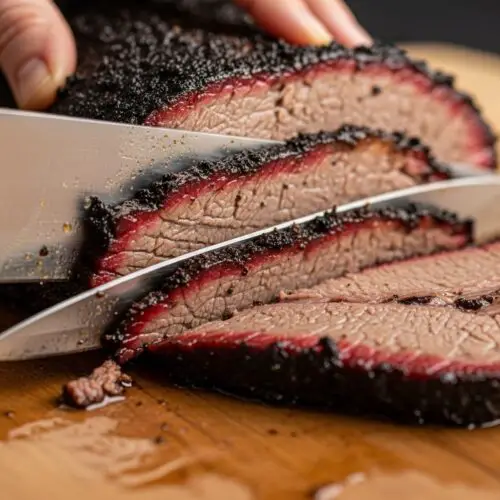
Smoking brisket on the Big Green Egg is an art. It takes patience, attention, and a bit of know-how to get it just right. Let’s dive into the steps you need for an awesome brisket.
Initial Smoking Phase: What to Expect
Once your Big Green Egg is prepped and at the right temperature (about 225-250°F), it’s time to introduce your brisket. Here’s what you should do:
- Position the Brisket: Place the brisket fat side up. This helps baste the meat as it cooks.
- Insert Temperature Probes: Use probes to monitor both the grill and meat temperature. This ensures you keep an eye on the cooking process without constantly lifting the lid.
- Add Wood for Flavor: Choose wood chunks like hickory or mesquite. Add them to the coals for that smoky flavor.
Expect the brisket to take time—around 1 to 1.5 hours per pound is typical. Be patient; great things take time!
The Stall: Managing Temperature Drops
You might hit a temperature stall between 150-160°F. This happens as the meat sweats and cools. Here’s how to manage it:
- Stay Calm: The stall is normal. Don’t crank up the heat. This can dry out your brisket.
- Use the Texas Crutch: Wrap the brisket in foil or butcher paper. This helps push through the stall by trapping moisture.
If you decide to wrap, keep monitoring the temperature until it hits about 200-205°F for tender, juicy results!
Wrapping the Brisket: When and Why
Wrapping isn’t just a trend; it’s a technique that enhances flavor and moisture. Here’s when and how to do it:
- Timing: Wrap your brisket once it hits the stall, around 160°F.
- Materials: Use butcher paper for a softer bark, or aluminum foil for a firmer crust.
- Benefits: Wrapping helps retain moisture and speeds up cooking time, making it a favorite among many pitmasters.
Pro Tip: If you want a nice bark, unwrap the brisket for the last hour of cooking to let the crust firm up.
Common Mistakes to Avoid
- Opening the Lid Too Often: Each peek releases heat and smoke, which can extend cooking time.
- Skipping the Rest: After cooking, let the brisket rest for at least an hour. This redistributes juices and improves flavor.
By following these steps and tips, you’re on your way to a mouthwatering brisket that’ll impress anyone at your next BBQ!
Troubleshooting Common Brisket Issues
Smoking brisket can be a bit tricky. You might run into some common issues along the way. Let’s tackle these problems head-on so you can achieve that awesome brisket on your Big Green Egg.
Common Issues: Tough, Dry, or Chewy Brisket
If your brisket turns out tough or chewy, don’t panic. This usually means it was cooked too quickly or at too high a temperature. Brisket needs time and low heat to break down the tough fibers.
- Solution: Try cooking at 225°F to 250°F. This will allow the collagen to melt, making the meat tender.
- Tip: Use the Texas Crutch! Wrap the brisket in foil or butcher paper when it reaches about 165°F. This helps retain moisture and speeds up the cooking process.
Adjusting Cooking Time and Temperature
Cooking brisket isn’t a “one size fits all” kind of deal. Factors like the size of your cut and the weather can affect cooking time.
- General Rule: Smoke brisket for about 1 to 1.5 hours per pound.
- Example: A 10-pound brisket could take anywhere from 10 to 15 hours. Keep an eye on your temperature!
If you’re short on time, don’t be afraid to crank up the heat slightly. Just remember, a lower temperature usually means a more tender result.
Fixing Flavor Problems
Not happy with the flavor? This could be due to your rub or the type of wood you’re using.
- Too Salty or Bland: Adjust your rub. A good balance of salt, sugar, and spices is key.
- Lack of Smoke Flavor: Make sure you’re using quality wood. Oak and hickory are great choices for brisket.
Pro Tip: If you find your brisket lacks that smoky goodness, consider adding wood chips directly onto the coals during cooking. Just don’t overdo it—too much smoke can turn your brisket bitter.
Quick Troubleshooting Checklist
- Tough Brisket: Lower the temperature and increase cooking time.
- Dry Brisket: Wrap it during cooking to retain moisture.
- Flavor Issues: Revisit your rub and wood choice.
By addressing these common issues, you’ll be well on your way to creating a brisket that’s not only awesome but memorable!
Serving Suggestions and Pairings
You’ve nailed the brisket on your Big Green Egg, and now it’s time to elevate your meal with some delicious sides and sauces. Let’s make your feast unforgettable!
Best Sides to Complement Your Brisket
Pairing the right sides with your brisket can enhance the flavors and create a well-rounded meal. Here are some classic and unique side dish options:
| Side Dish | Flavor Profile |
|---|---|
| Creamy Coleslaw | Tangy and crunchy |
| Baked Beans | Sweet and smoky |
| Potato Salad | Creamy and savory |
| Grilled Corn on the Cob | Sweet and charred |
| Mac and Cheese | Cheesy and comforting |
| Roasted Vegetables | Earthy and slightly sweet |
| Garlic Bread | Buttery and garlicky |
These sides not only taste great but also balance the rich and smoky notes of the brisket.
Sauces: Traditional vs. Unique Options
Traditionally, brisket is served with a good BBQ sauce. You have plenty of choices here.
- Traditional BBQ Sauce: Sweet and tangy, it complements the smoky flavor perfectly.
- Mustard Sauce: Adds a zesty kick and pairs well with the richness of beef.
- Chimichurri: A fresh, herby sauce that brightens the dish.
- Spicy Aioli: For those who crave heat, this creamy option is a game-changer.
Feel free to set up a sauce bar for your guests. Let them choose their favorite!
Presentation Tips for Your Brisket
How you present your brisket can make a big impression. Here are some tips:
- Slice Against the Grain: This ensures each piece is tender and easy to chew.
- Use a Cutting Board: Serve on a wooden cutting board for a rustic look.
- Garnish: Add fresh herbs or a sprinkle of smoked paprika for color.
- Plating: Arrange slices neatly on a platter. Serve with your chosen sides and sauces around the brisket.
A beautiful presentation can turn a simple meal into a memorable experience!
Frequently Asked Questions
These quick answers cover the most common questions about this topic, including key details, practical tips, and common concerns.
What is the best temperature for smoking brisket?
The ideal temperature for smoking brisket on the Big Green Egg is between 225°F and 250°F. This low-and-slow range allows collagen to break down, resulting in tender, juicy meat. Maintaining a consistent temperature is key, so use a reliable thermometer and adjust the vents as needed to keep the heat steady.
How long does it take to smoke a brisket on the Big Green Egg?
Smoking a brisket typically takes about 1 to 1.5 hours per pound at 225°F. For example, a 10-pound brisket may need around 10 to 15 hours. The exact time depends on the size of the cut and your desired level of tenderness. Always monitor the internal temperature rather than relying solely on time.
What wood is best for smoking brisket?
Oak and hickory are the most popular woods for smoking brisket because they provide a balanced, smoky flavor that complements beef. Mesquite offers a bolder, earthier smoke but can be overpowering if used excessively. Mixing woods can create a nuanced flavor profile. Soak wood chunks for about 30 minutes before adding to the coals for steady smoke.
How do I know when my brisket is done?
Your brisket is ready when it reaches an internal temperature of 200°F to 205°F. You can also check for tenderness by inserting a probe or skewer; it should slide in easily without resistance. Rest the meat for at least an hour before slicing to allow juices to redistribute.
Can I smoke brisket without a fat cap?
While some prefer trimming excess fat, keeping a layer of fat cap (about 1/4 inch) helps baste the meat during smoking, adding flavor and moisture. If you remove too much fat, the brisket may dry out. Position the fat side up so the melting fat bastes the meat naturally.
What are some common mistakes to avoid when smoking brisket?
Avoid opening the lid too often, as it releases heat and smoke, prolonging cooking time. Don’t skip the resting period after cooking—resting for at least an hour helps juices settle. Also, avoid cooking at too high a temperature, which can make the meat tough and dry. Proper trimming and monitoring are essential.
How should I store leftover brisket?
Wrap leftover brisket tightly in foil or plastic wrap and store it in the refrigerator for up to 4 days. For longer storage, vacuum-seal and freeze for up to 3 months. Reheat gently in the oven or on the Big Green Egg at a low temperature to preserve moisture.
When should I wrap the brisket during smoking?
Wrap the brisket once it hits the stall, usually around 160°F. Wrapping in foil or butcher paper helps retain moisture and speeds up cooking. This technique, called the Texas Crutch, prevents the meat from drying out and allows it to reach the desired tenderness more efficiently.
Why is low and slow cooking important for brisket?
Low and slow cooking breaks down tough connective tissues, especially collagen, transforming them into gelatin. This process results in tender, flavorful meat. Cooking at higher temperatures can cause the brisket to dry out or become chewy, so patience and consistent low heat are essential.