
Bermuda grass can become a persistent problem in lawns, but there are effective methods to eradicate it. This article outlines four proven techniques to remove Bermuda grass and restore your lawn’s health. By employing a combination of methods, you can achieve lasting results and prevent future growth.
Table of Contents
Understanding Bermuda Grass and Its Challenges
Bermuda grass is notorious for invading lawns, especially in warmer regions. Its aggressive growth and ability to thrive in various conditions make it a common nuisance. Let’s dive into what makes this grass so challenging.
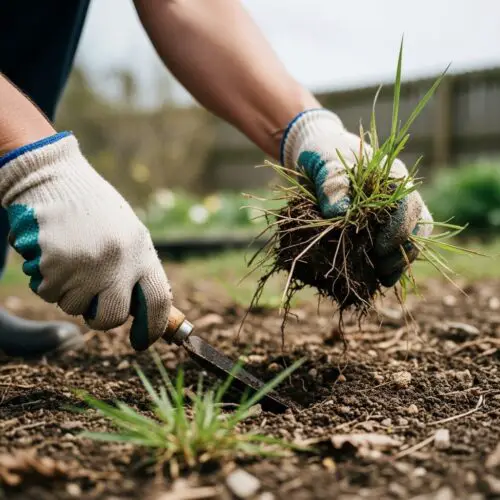
Characteristics that Make Bermuda Grass Invasive
Bermuda grass, scientifically known as Cynodon dactylon, is a warm-season perennial. Here’s why it’s considered invasive:
- Rapid Growth: This grass grows quickly, forming dense mats that choke out other plants.
- Aggressive Spreading: It spreads through:
- Rhizomes: Underground stems that allow it to colonize new areas.
- Stolons: Above-ground runners that extend the grass’s reach.
- Sunlight Lover: Bermuda grass thrives in full sun, making it a formidable competitor against shade-loving plants.
- Resilience: It withstands drought and heavy foot traffic, which only adds to its tenacity.
Growth Patterns and Reproduction Methods
Understanding how Bermuda grass reproduces is key to managing it effectively. It has a three-pronged approach to spreading:
1. Seed Production: Bermuda grass can produce seeds, but this method is less common compared to its vegetative spread.
2. Stolon Growth: Stolons spread across the soil, creating new plants as they root down. This means it can easily move into neighboring garden beds and lawns.
3. Rhizome Expansion: Rhizomes can grow deep into the soil, allowing the grass to survive adverse conditions and re-emerge even after attempts to remove it.
Decision Framework for Control
When tackling Bermuda grass, consider the following:
- Infestation Level: For light infestations, manual removal or smothering might suffice. For heavy invasions, you may need to resort to herbicides.
- Lawn Type: If you have desirable grasses that you want to protect, choose selective herbicides or cultural methods like solarization.
- Environmental Impact: Always weigh the environmental effects of your chosen method. Natural methods may take longer but are often more sustainable in the long run.
Using tools like the Garden Weasel Lawn Tool can make manual removal easier and more effective, allowing you to tackle those pesky roots head-on!
By grasping Bermuda grass’s characteristics and growth patterns, you can better strategize your eradication efforts.
Method 1: Solarization for Effective Control

Solarization is a powerful technique to tackle Bermuda grass. It uses the sun’s heat to kill off the unwanted grass and its roots. Here’s how to effectively set up your solarization process.
How to Set Up Solarization
1. Choose the Right Area: Select a sunny spot where Bermuda grass is growing.
2. Clear the Area: Remove any debris, rocks, or large weeds. This helps the plastic lay flat.
3. Water the Soil: Moisten the soil before covering it. This enhances the heat effect.
4. Cover with Plastic: Use clear plastic sheeting. Make sure it’s at least 1-2 millimeters thick. Lay it over the area, ensuring it’s well-sealed. You can use rocks or soil to secure the edges.
5. Leave It in Place: Let the plastic stay for about 4-8 weeks, depending on your climate. The hotter the temperature, the shorter the time needed.
Ideal Conditions for Effective Solarization
For solarization to work its magic, certain conditions are key:
- Temperature: Aim for a temperature of at least 80°F (27°C) for best results.
- Sunlight: Full sun exposure boosts effectiveness. Choose the hottest months for this method.
- Duration: Leave the plastic for a minimum of 4 weeks. In cooler areas, longer is better.
Key Takeaways
- Effectiveness: Solarization can kill Bermuda grass, but it may not get all the roots. It’s great for weakening the grass before using other methods.
- Environmental Impact: This method is eco-friendly. It avoids chemicals and can also kill other weeds and pests in the soil.
- Tools: Using a Garden Weasel Lawn Tool can help with prepping the area, making it easier to remove any remnants afterward.
By harnessing the sun’s heat, you can significantly reduce Bermuda grass in your lawn. Just remember, patience is key!
Method 2: Manual Removal Techniques
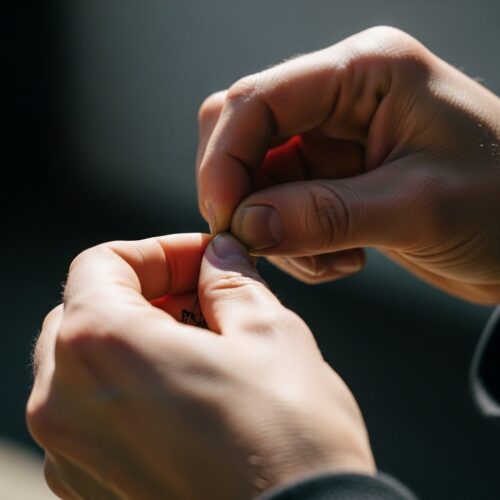
Manual removal can be an effective way to tackle Bermuda grass. It’s straightforward and chemical-free, making it a solid choice for eco-conscious gardeners. This method requires some elbow grease, but the results can be well worth the effort!
Best Practices for Hand-Pulling Bermuda Grass
Hand-pulling Bermuda grass is best for small areas or isolated patches. Here are some tips to maximize your success:
- Moist Soil: Pull when the soil is damp. This makes it easier to remove roots.
- Dig Deep: Use a weeding tool or garden fork to loosen the soil around the grass. Aim to dig at least 6 inches deep to get those pesky rhizomes.
- Be Thorough: Don’t just rip off the tops! Make sure to pull out the entire root system. Even a tiny piece can sprout new grass.
- Regular Checks: Keep an eye on the area. New sprouts can pop up, so check back every week or two to pull them out.
Tools That Can Assist in Manual Removal
Using the right tools can make manual removal easier and more effective. Here’s a list of handy tools to consider:
- Garden Weasel Lawn Tool: Great for loosening soil and digging out roots. Check Price on Amazon.
- Weeding Fork: Perfect for breaking up soil and getting to those stubborn roots.
- Spade or Shovel: Useful for larger areas; it helps to lift out more grass at once.
- Hand Gloves: Protect your hands while pulling out the grass.
Importance of Removing Roots and Stolons
When tackling Bermuda grass, it’s crucial to remove not just the visible grass but also the roots and stolons. Here’s why:
- Prevent Regrowth: If you leave any rhizome behind, it can regenerate into new grass. This means your hard work could be undone if you’re not thorough.
- Long-Term Control: Regularly removing Bermuda grass reduces its energy reserves. This helps weaken the plant over time.
By following these manual removal techniques and utilizing effective tools, you can significantly reduce Bermuda grass in your lawn. Make sure to stay persistent, and you’ll see results!
Method 3: Smothering Techniques to Eliminate Bermuda Grass
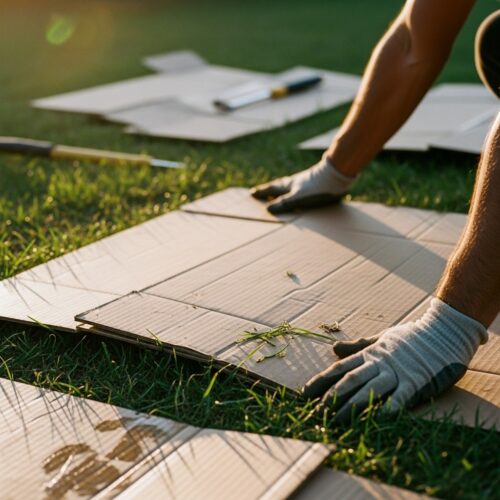
Smothering is one of the best ways to kick Bermuda grass to the curb. By blocking out light and water, you can starve this invasive grass and pave the way for a healthier lawn or garden. Let’s dive into some effective smothering methods.
Using Cardboard and Mulch Effectively
Cardboard is a fantastic first layer in your smothering strategy. Here’s how to do it:
1. Gather Supplies: Get some cardboard boxes and mulch.
2. Prepare the Area: Mow the Bermuda grass as low as possible.
3. Lay Down Cardboard: Flatten the cardboard and cover the grass. Overlap the edges to prevent light from sneaking through.
4. Add Mulch: Pile 4-6 inches of mulch on top of the cardboard. This adds weight and helps block light.
This method works because the cardboard suffocates the grass. It takes away sunlight and, over time, weakens the root system.
How Long to Keep Smothering Materials in Place
For best results, keep your smothering materials in place for at least 6-12 weeks. Here’s what to consider:
- Duration: The longer, the better. The grass needs time to exhaust its energy reserves.
- Check Progress: After a few weeks, peek under the cardboard. If you see dead grass, you’re on the right track!
- Remove Gradually: Once you’re confident the grass is gone, you can start removing the cardboard and mulch.
Example of Successful Smothering Techniques
A gardener in North Carolina faced a Bermuda grass invasion in her backyard. She opted for the smothering method using cardboard and wood chips. After 8 weeks, she was thrilled to find the grass completely dead. She then planted a beautiful flower bed in its place!
This method of smothering not only eradicated the Bermuda grass but also improved the soil structure as the organic materials decomposed.
Key Takeaway
Smothering is a proactive way to control Bermuda grass. By using cardboard and mulch, you create a barrier that blocks essential resources. Keep it in place long enough to ensure success, and you’ll be well on your way to a Bermuda grass-free lawn!
Method 4: Targeted Herbicide Application
Using herbicides can be an effective way to tackle Bermuda grass in your lawn. But it’s important to choose wisely. There are two main types: selective and non-selective herbicides. Let’s break them down.
Choosing the Right Herbicide for Bermuda Grass
Selective Herbicides target Bermuda grass while sparing your desired lawn grasses. These are the go-to choice if you want to protect your fescue or bluegrass.
Non-Selective Herbicides kill everything in their path, including your precious turf. They can be useful for severe infestations, but you need to be careful.
Here’s a quick comparison:
| Type | Effectiveness | Environmental Impact | Best For |
|---|---|---|---|
| Selective Herbicides | High | Lower | Mild to moderate infestations |
| Non-Selective Herbicides | Very High | Higher risk | Severe infestations |
Application Techniques for Best Results
To get the most out of your herbicide, follow these tips:
- Timing is Key: Apply on a calm, dry day. This reduces the risk of drift to desirable plants.
- Follow Instructions: Always read and follow the label directions carefully. This ensures safety and effectiveness.
- Multiple Applications: Bermuda grass is tough. You may need to reapply the herbicide as directed.
Safety Precautions:
- Wear gloves and protective eyewear while applying herbicides.
- Keep pets and children away from treated areas until it’s safe.
Example Scenario
Imagine you have a small area of Bermuda grass invading your fescue lawn. A selective herbicide labeled safe for fescue can help eliminate the Bermuda without harming your grass. Just remember to apply it as directed and monitor the area for new growth.
By using targeted herbicide applications effectively, you can reclaim your lawn from Bermuda grass while keeping your desirable grasses healthy.
Frequently Asked Questions
These quick answers cover the most common questions about this topic, including key details, practical tips, and common concerns.
What will kill Bermuda grass permanently?
The most effective way to kill Bermuda grass permanently is a combination of methods. Solarization can weaken the roots, and applying a non-selective herbicide like glyphosate can eradicate the remaining plants. Manual removal of roots and stolons also helps prevent regrowth. Consistent reapplication and long-term maintenance are key to ensuring complete eradication.
Does vinegar really kill Bermuda grass?
Vinegar, especially horticultural or household vinegar, can damage Bermuda grass by burning the foliage. However, it is a contact herbicide and unlikely to kill the roots or prevent regrowth. For lasting control, vinegar is best used as a supplement to other methods or for spot treatment, rather than a sole solution.
Is there a permanent solution for Bermuda grass?
While no single method guarantees permanent removal, combining techniques like solarization, herbicide application, and manual removal provides long-lasting results. Regular lawn maintenance and monitoring are essential to prevent re-infestation. Persistence over multiple seasons often leads to successful eradication.
How do I kill Bermuda grass growing outside of where I want it without damaging my other grass?
Use targeted, selective herbicides designed for Bermuda grass. Apply them carefully with a sprayer or brush to avoid contact with desirable grasses. Manual removal of stolons and rhizomes in small patches can also help. Timing herbicide application during active growth phases improves effectiveness and minimizes damage.
What are the best natural methods to control Bermuda grass?
Natural control methods include solarization, smothering with cardboard and mulch, and manual removal. These eco-friendly options avoid chemicals and are safer for the environment. Consistency and patience are necessary, as natural methods often take longer but are sustainable and less harmful.
How does solarization work for Bermuda grass?
Solarization involves covering the affected area with clear plastic to trap heat. The intense sun heats the soil, killing Bermuda grass roots and seeds. It’s most effective during hot months and requires leaving the plastic in place for several weeks. This method reduces weed seeds and pests naturally.
What are the risks of using herbicides for Bermuda grass removal?
Herbicides can pose risks such as damaging desirable plants if misapplied, contaminating soil and water, and potential health hazards to humans and pets. Non-selective herbicides are particularly risky if not used carefully. Always follow safety instructions and consider environmental impact before use.
What should readers know about step-by-step detailed guides for each removal method?
Each method—solarization, manual removal, smothering, and herbicide application—requires specific steps for success. Proper preparation, timing, and patience are vital. Following detailed guides ensures thorough removal, reduces regrowth chances, and minimizes mistakes.
What should readers know about environmental impact analysis of different Bermuda grass removal methods?
Solarization and natural methods are environmentally friendly, avoiding chemicals and promoting soil health. Herbicides, especially non-selective ones, can harm beneficial organisms and contaminate water sources if misused. Manual and cultural methods are safest but may require more time and effort.
What should readers know about cost comparison of different methods?
Manual removal and smothering are low-cost but labor-intensive. Solarization requires minimal materials but takes time. Herbicides have upfront costs and ongoing reapplication expenses. Combining methods often balances cost, effort, and effectiveness for best long-term results.