
The Grand Canyon Shuttle System offers a convenient and eco-friendly way to explore the South Rim. In 2026, this guide will walk you through using the shuttle system effectively, ensuring you don’t miss any of the iconic sights and experiences the Grand Canyon has to offer.
Understanding the Grand Canyon Shuttle System
The Grand Canyon Shuttle System is your ticket to an effortless adventure in this breathtaking national park. It makes exploring easy, eco-friendly, and enjoyable for everyone in 2026.
What is the Grand Canyon Shuttle System?
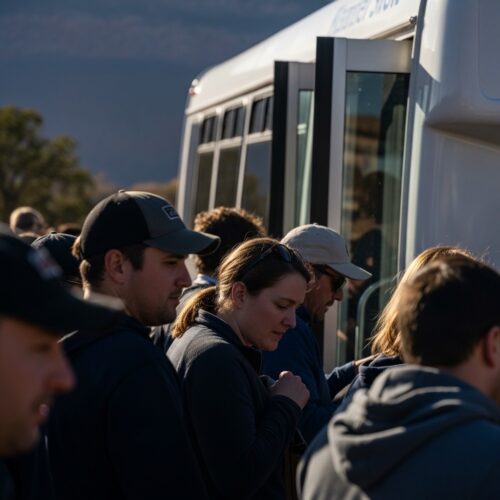
This shuttle service operates mainly on the South Rim of the Grand Canyon. It’s designed to help visitors navigate the park without the hassle of parking or traffic. The shuttles are free with your entrance fee, making them an economical choice for all travelers.
Key Features:
- Free Rides: Unlimited shuttle rides included with park entrance.
- Eco-Friendly: Buses run on compressed natural gas, reducing emissions.
- Convenient Stops: Access to major viewpoints, trails, and visitor centers.
Benefits of Using the Shuttle
Why should you consider the shuttle? Here are a few compelling reasons:
Table of Contents
- Accessibility: Shuttle buses are accessible for everyone, including those with mobility challenges.
- Stress-Free Travel: Forget about finding parking or navigating crowded roads.
- Environmental Impact: Using the shuttle helps preserve the park’s natural beauty by reducing vehicle congestion.
Visitor Insight: Many first-time visitors find the shuttle a lifesaver. Imagine starting your day at the Grand Canyon Village, hopping on a shuttle, and effortlessly visiting iconic spots like Mather Point and Yavapai Geology Museum.
Scenario-Based Itinerary
Here’s a quick example of how you can use the shuttle for a day of exploration:
1. Morning: Catch the shuttle from the Grand Canyon Village to Hermits Rest.
2. Midday: Hike the Rim Trail, enjoying stunning views.
3. Afternoon: Use the shuttle to head to Yavapai Point for a picnic and some photos.
4. Evening: Return to the village via shuttle, relaxing after a fulfilling day.
The Grand Canyon Shuttle System isn’t just a way to get around; it’s part of the experience. Embrace the convenience, take in the views, and enjoy your adventure!
Shuttle Routes: Your Path Through the Grand Canyon
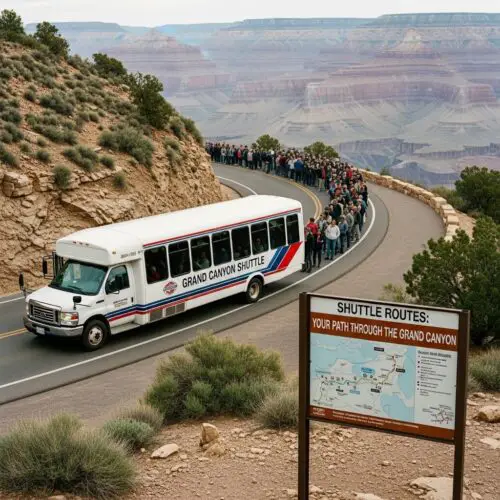
The Grand Canyon Shuttle System is designed to help you explore the park with ease. Let’s break down the main shuttle routes and their key stops. This way, you can plan your adventure without missing a thing!
1. Village Route (Blue)
The Village Route is a vital shuttle service. It connects major attractions around the Grand Canyon Village. Here are some highlights:
- Stops:
- Grand Canyon Visitor Center: Start your journey here! Pick up maps and get tips from rangers.
- Yavapai Geology Museum: Check out stunning geological displays and viewpoints.
- El Tovar Hotel: A historic lodge, perfect for a quick snack or a photo op.
2. Kaibab Rim Route (Orange)
The Kaibab Rim Route takes you to some of the most scenic viewpoints. This route is great for hikers and sightseers alike. Key stops include:
- Stops:
- Mather Point: A must-see for breathtaking views, especially at sunrise.
- Yavapai Point: Offers a fantastic view of the Colorado River.
- South Kaibab Trailhead: Perfect for those looking to hike down into the canyon.
3. Hermits Rest Route (Red)
Want to experience the beauty of the canyon’s rim? The Hermits Rest Route is your go-to choice. It’s a more scenic ride with fewer stops. Here’s what you can see:
- Stops:
- Maricopa Point: A beautiful overlook with stunning vistas.
- Powell Point: Learn about John Wesley Powell, the famous explorer.
- Hermits Rest: A charming spot to relax and grab a snack.
Shuttle Route Comparison Table
| Route | Key Attractions | Estimated Travel Time |
|---|---|---|
| Village Route (Blue) | Visitor Center, Yavapai Museum | 20-30 minutes |
| Kaibab Rim Route (Orange) | Mather Point, South Kaibab Trailhead | 30-40 minutes |
| Hermits Rest Route (Red) | Maricopa Point, Hermits Rest | 40-50 minutes |
Visitor Tips
- Plan Ahead: Check the shuttle schedule to avoid long waits.
- Peak Times: Early mornings and late afternoons are busiest. Try to visit during midday for a smoother experience.
- Accessibility: All shuttles are accessible for those with mobility needs.
Using the Grand Canyon Shuttle System is an excellent way to see the park without the hassle of parking. With these routes, you’ll be able to make the most of your visit in 2026!
Key Shuttle Operating Hours and Schedule in 2026

Planning your visit to the Grand Canyon? Knowing the shuttle operating hours is crucial. Here’s a breakdown of shuttle schedules for different seasons in 2026, so you can make the most of your adventure!
Seasonal Operating Hours
| Shuttle Route | Spring (March – May) | Summer (June – August) | Fall (September – November) | Winter (December – February) |
|---|---|---|---|---|
| South Rim Village Shuttle | 6:00 AM – 8:00 PM | 5:00 AM – 9:00 PM | 6:00 AM – 7:00 PM | 7:00 AM – 5:00 PM |
| Hermit Road Shuttle | 7:00 AM – 7:00 PM | 6:00 AM – 8:00 PM | 7:00 AM – 6:00 PM | Not in operation |
| Kaibab Rim Shuttle | 6:00 AM – 6:00 PM | 5:00 AM – 7:00 PM | 6:00 AM – 5:00 PM | 7:00 AM – 5:00 PM |
| Tusayan Route | 7:00 AM – 8:00 PM | 6:00 AM – 9:00 PM | 7:00 AM – 7:00 PM | Not in operation |
Peak vs Off-Peak Schedules
- Peak Times: The busiest times are during spring break, summer, and holiday weekends. Crowds peak in the early morning and late afternoon.
- Off-Peak Times: For a smoother experience, try visiting midday during weekdays.
Tip:
To avoid long waits, plan your shuttle rides during off-peak times. The shuttle is a fantastic way to explore without the hassle of parking. If you’re visiting during the summer, consider starting your day early to catch the first shuttles!
Accessibility Features of the Shuttle System
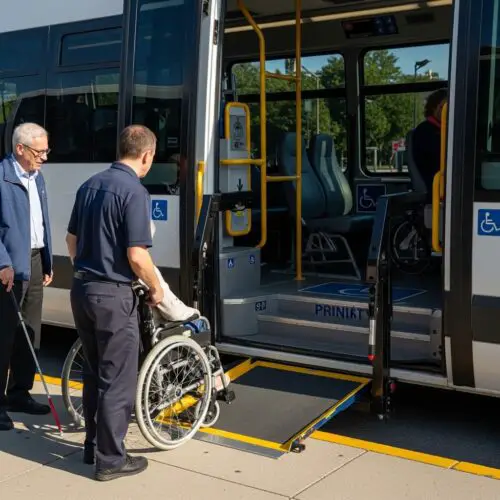
The Grand Canyon Shuttle System is designed to be accessible for everyone. Visitors with disabilities can enjoy the stunning views and experience the park without barriers. Here’s what you need to know.
Wheelchair Access
All shuttle buses are wheelchair accessible. This means you can easily board and move around while enjoying the ride. Here are some key features:
- Low-Entry Buses: These buses have ramps for easy access.
- Space for Wheelchairs: Designated areas ensure you have enough room.
- Staff Assistance: Shuttle drivers are trained to help if you need it.
Service Animals and Shuttle Etiquette
Service animals are welcome on the shuttle buses. If you have a service animal, please keep the following in mind:
- Stay Close: Keep your service animal close to you at all times.
- Leash Requirement: Ensure your animal is on a leash or harness.
- Respect Other Passengers: Be considerate of fellow travelers.
Real-Life Success Story
One visitor shared their experience using the shuttle system with a wheelchair. They visited the South Rim and used the shuttle to access various viewpoints. With the help of park staff, they were able to navigate the bus system smoothly. They highlighted how the accessibility features made their trip enjoyable and stress-free. This positive experience showcases the effectiveness of the shuttle system in accommodating visitors with disabilities.
By taking advantage of these accessibility features, everyone can explore the beauty of the Grand Canyon with ease!
Visitor Tips and Shuttle Etiquette
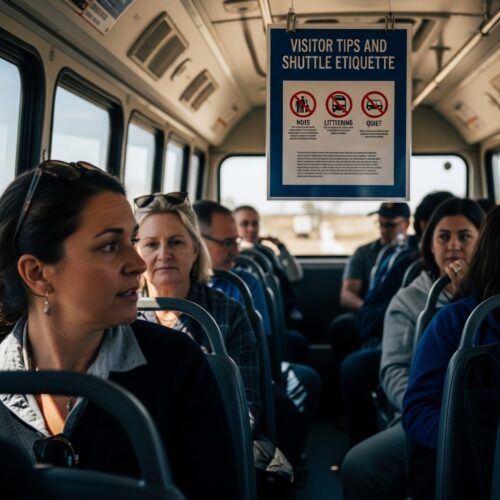
Navigating the Grand Canyon Shuttle System can be a breeze with a few helpful tips. Following proper etiquette ensures a smooth ride for you and your fellow travelers. Let’s dive in!
Best Practices for Boarding
- Be Ready: Have your belongings packed and be at the shuttle stop a few minutes early. This helps keep the line moving.
- Wait Your Turn: Allow passengers to exit before you board. It’s just common courtesy.
- Keep Aisles Clear: Once on the bus, find your seat quickly and keep the aisles clear for others.
- Respect Personal Space: If the bus is crowded, try to minimize your movements. Everyone wants a comfortable ride.
- Stay Seated: Remain seated while the shuttle is moving. This keeps everyone safe.
What to Bring on the Shuttle
- Water Bottle: Stay hydrated, especially during hikes.
- Snacks: A small snack can keep your energy up.
- Camera: Capture those stunning views!
- Sunscreen and Hat: Protect yourself from the sun while you explore.
- Light Jacket: It can get chilly on the bus or at certain viewpoints.
Quick Etiquette Checklist
| Do’s | Don’ts |
|---|---|
| Be polite to drivers | Don’t play loud music |
| Offer your seat to seniors or disabled passengers | Don’t block exits |
| Follow park regulations | Don’t bring large backpacks on board |
| Keep noise levels down | Don’t eat messy foods |
By following these simple guidelines, you’ll help make the Grand Canyon Shuttle experience enjoyable for everyone. Happy travels!
Common Issues and Solutions with the Shuttle System
Using the Grand Canyon Shuttle System can be a breeze, but sometimes hiccups happen. Here’s how to handle common issues you might face during your visit.
What to Do if the Shuttle is Full
It’s not uncommon for shuttles to reach max capacity, especially during peak hours. Here’s what you can do:
- Timing is Key: Try to ride early in the morning or later in the afternoon. These off-peak times often have fewer passengers.
- Have a Backup Plan: If a shuttle is full, consider exploring nearby viewpoints within walking distance while you wait for the next one.
- Utilize Real-Time Tracking: Check if your shuttle service offers real-time tracking. This way, you can plan your arrival at the stop more effectively.
Dealing with Delays
Delays can happen for various reasons, but they don’t have to ruin your day. Here’s how to stay calm and make the most of your time:
- Stay Informed: Keep an eye on announcements at shuttle stops. They’ll often update you on any delays.
- Explore Nearby Attractions: If your shuttle is delayed, take a stroll to nearby viewpoints or trails. The South Rim has plenty to offer within walking distance.
- Pack Snacks: Bring snacks and water to keep your spirits up while waiting. A little munching can make the wait feel shorter.
Scenario-Based Itinerary Example
Imagine you arrive at the Grand Canyon, excited to hop on the shuttle. The first shuttle you see is full. Instead of feeling frustrated, you decide to:
1. Check the schedule for the next shuttle.
2. Walk to Mather Point, just a 10-minute stroll away, to soak in some views.
3. Enjoy a snack while taking photos.
4. By the time you get back, the next shuttle arrives, and you hop on, ready for your adventure.
By being prepared and flexible, you can turn potential issues into opportunities for discovery!
Shuttle vs Personal Vehicle: Making the Right Choice
Choosing between the Grand Canyon shuttle system and driving your own vehicle can be tough. Both have their perks and downsides. Let’s break it down.
Cost Considerations
Shuttle System:
- Free Rides: The shuttle is free for all visitors. No parking fees or gas costs!
- No Hidden Charges: You won’t worry about unexpected expenses.
Personal Vehicle:
- Parking Fees: You’ll pay for parking at the Grand Canyon.
- Gas Costs: Factor in fuel expenses for your trip.
Convenience Factors
Shuttle System:
- Less Stress: No need to navigate crowded roads or find parking.
- Access to Key Spots: Some areas are only accessible by shuttle. This includes Yaki Point and Hermit’s Rest.
- Frequent Service: Shuttles run regularly, so you can hop on and off easily.
Personal Vehicle:
- Flexibility: You control your schedule and can stop wherever you want.
- Direct Access: Drive straight to viewpoints without waiting for a shuttle.
Decision Framework
When deciding, ask yourself these questions:
- What’s your budget? If you want to save money, take the shuttle.
- How much time do you have? Shuttles can save time by skipping entrance lines.
- Do you prefer flexibility? If you like to go at your own pace, driving may be best.
Example Scenario
Imagine you want to see sunrise at Mather Point. If you take the shuttle, you get to relax and enjoy the ride. Plus, you’ll find parking stress-free. But if you drive, you can leave whenever you like. Just remember, you’ll need to pay to park!
Quick Comparison
| Feature | Shuttle System | Personal Vehicle |
|---|---|---|
| Cost | Free | Parking and gas fees |
| Convenience | Easy access to key spots | Flexible schedule |
| Stress Level | Low | Higher (traffic, parking) |
| Required Routes | Some areas only accessible | Full access to all areas |
This breakdown should help you decide which option suits your Grand Canyon adventure best!
Alternatives to the Grand Canyon Shuttle System
While the Grand Canyon Shuttle System is a great way to explore the park, there are other transportation options available. Whether you want more flexibility or a different experience, here are a couple of alternatives to consider.
Private Tours and Rideshare
Private tours can provide a more personalized experience. They often include knowledgeable guides who can share insights about the canyon’s history and geology. Rideshare services, like Uber or Lyft, are also available near the park entrance. This option allows you to travel at your own pace without the hassle of parking.
- Pros: Customized experience, flexibility, and no parking fees.
- Cons: Can be more expensive than the shuttle.
Biking and Walking Options
If you’re feeling adventurous, biking or walking is a great way to enjoy the breathtaking scenery up close. The South Rim offers dedicated paths for cyclists and pedestrians. Plus, it’s a fantastic way to soak in the sights that you might miss while on a bus.
- Bike Rentals: Available in the park or nearby Tusayan.
- Walking Trails: Many scenic viewpoints are accessible via well-marked trails.
Tip: If you choose to bike or walk, plan your route ahead of time. Popular spots can get crowded, especially during peak hours.
Quick Comparison of Alternatives
| Option | Cost | Flexibility | Experience Level |
|---|---|---|---|
| Private Tours | Higher | High | Guided |
| Rideshare | Moderate | Very High | Independent |
| Biking | Rental fee | High | Moderate |
| Walking | Free | High | Easy |
Exploring alternatives can enrich your visit. Remember to weigh the pros and cons based on your preferences and budget!
Frequently Asked Questions
These quick answers cover the most common questions about this topic, including key details, practical tips, and common concerns.
What time does the Grand Canyon shuttle start running?
In 2026, shuttle operating hours vary by season. Generally, shuttle services begin early in the morning—around 6:00 AM in spring and fall, and as early as 5:00 AM in summer. They typically run until sunset, with some routes ending earlier during winter. It’s best to check the specific schedule for your visit date to plan accordingly.
What is the prettiest rim of the Grand Canyon?
The South Rim is the most popular and accessible for visitors, offering stunning viewpoints like Mather Point and Yavapai. Many consider it the prettiest because of its panoramic vistas, visitor facilities, and well-maintained trails. The North Rim is more remote and less crowded, providing a different, equally beautiful perspective, especially in summer.
How much does the Grand Canyon shuttle cost?
The shuttle system is free with your park entrance fee. There are no additional charges for riding the shuttles, making it an economical way to explore the park. However, if you choose private tours or rent bikes, those services will have separate costs.
How to explore the Grand Canyon on your own?
You can explore independently by driving your own vehicle or renting bikes. The South Rim’s extensive network of walking trails, viewpoints, and accessible facilities allows for self-guided exploration. Using the shuttle system is also a great way to visit key spots without parking worries, especially during peak seasons.
Are there any restrictions on the shuttle service?
Yes, there are some restrictions. Shuttles are accessible for visitors with disabilities, including wheelchair users. Large backpacks and certain equipment may be limited to ensure safety and comfort. Pets are allowed but must be on a leash and seated in designated areas. Follow park regulations for safety and preservation.
What should I bring when using the shuttle?
Bring essentials like water, snacks, sunscreen, and a hat. A camera or binoculars can enhance your experience. If you have mobility needs, carry any necessary assistive devices. It’s also helpful to have a map of shuttle routes and a schedule, especially during busy seasons.
Can I bring my pet on the shuttle?
Yes, pets are allowed on the shuttle system. They must be on a leash at all times and are required to stay in designated areas or seats. Service animals are permitted to accompany their owners without restrictions. Be sure to clean up after your pet and follow park policies to ensure a safe ride for everyone.
What should I know about visual aids like maps of shuttle routes and real-time tracking?
Maps of shuttle routes are available at visitor centers and online, helping you plan your day efficiently. Some routes offer real-time tracking, allowing you to see when the next shuttle arrives. Using these tools can help you avoid peak times and reduce wait times, especially during busy seasons or in bad weather.