
If you find a baby chipmunk, your first instinct may be to help. However, it’s crucial to assess the situation carefully before intervening. This guide outlines the steps you should take to ensure the well-being of the baby chipmunk, including when to contact wildlife professionals and how to provide temporary care.
Table of Contents
Assessing the Situation: Is the Baby Chipmunk Abandoned?
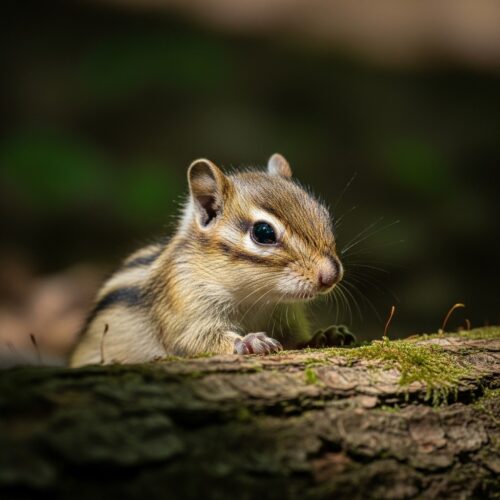
When you find a baby chipmunk, the first step is to observe it closely. You want to figure out if it really needs help or if it’s just waiting for its mom. Patience is key here.
Factors to Consider Before Intervening
1. Observe from a Distance: Stand back and watch the chipmunk. Is it moving around? Does it look healthy? If it seems fine, give it some space.
2. Look for Signs of the Mother: Chipmunk moms often stay close by. Look around for any signs of her presence. If she’s nearby, she might return soon.
3. Assess the Environment: Is the baby chipmunk in a safe place? If it’s in danger, like near a road, that’s a different situation.
Common Misconceptions about Baby Chipmunks
- “They’re always abandoned.”: Not true! Many baby chipmunks are left alone temporarily while their mothers search for food.
- “I can just take it home.”: Nope! Baby chipmunks are wild animals. They thrive best in their natural habitat.
- “A baby chipmunk needs to be fed right away.”: In most cases, feeding them immediately is not necessary. They might just need to wait for Mom.
Signs Indicating the Need for Help
It’s important to know when to step in. Here’s a quick checklist to help you decide:
- Injuries: Is there bleeding or visible wounds?
- Weakness: Does it look lethargic or struggle to move?
- Dehydration: Is its skin loose, or does it seem unusually dry?
- Distress Sounds: Is it crying or making unusual noises?
If you notice any of these signs, it’s time to contact a wildlife rehabilitator. They can provide the specialized care that baby chipmunks need. Remember, your role is to support, not to take over.
Immediate Steps: What to Do Before Professional Help Arrives
Finding a baby chipmunk can be a bit overwhelming. Follow these steps to ensure the little critter gets the care it needs until a wildlife rehabilitator arrives.
Creating a Safe Space for the Chipmunk
First, you need to create a cozy, safe space for the chipmunk. Here’s how:
- Choose a Box: Find a small box or container. Make sure it has air holes for ventilation.
- Line It Softly: Place soft cloths or paper towels inside. This will make it comfy and secure.
- Keep It Dark: A dim environment helps reduce stress. Cover the box with a light cloth to keep it dark.
How to Keep the Chipmunk Warm
Baby chipmunks can’t regulate their body temperature. Keeping them warm is crucial:
- Use a Heat Source: Place a warm water bottle wrapped in a towel in the box. Set it on one side to create a warm area.
- Monitor Temperature: Ensure it’s warm but not too hot. You want the chipmunk to feel cozy, not overheated.
Example Scenario: Imagine you find a baby chipmunk on a chilly day. You grab a small cardboard box, line it with an old t-shirt, and place a warm (not hot!) water bottle next to it. This way, the chipmunk stays warm while you call a wildlife rehab center for help.
Avoiding Common Mistakes in Handling
Handling a baby chipmunk can be tricky. Here’s what to avoid:
- Don’t Overhandle: Limit your interaction. Too much handling can stress them out.
- Avoid Feeding: Don’t attempt to feed it unless directed by a professional. Incorrect feeding can do more harm than good.
- No Pets Allowed: Keep pets away from the chipmunk’s area. They can be stressful and even dangerous.
By following these steps, you can provide the best temporary care for a baby chipmunk until professional help arrives.
Contacting Wildlife Rehabilitation: Who to Call and What to Expect
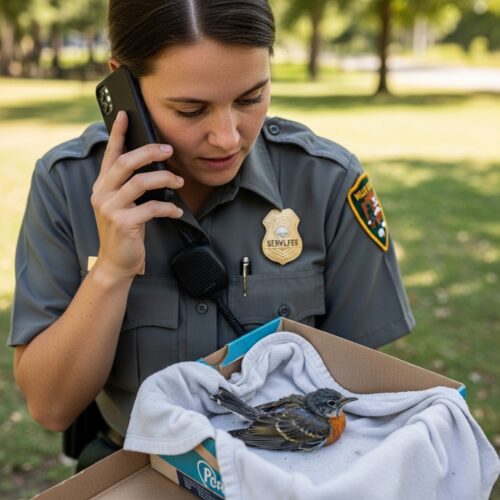
Finding a baby chipmunk is heartwarming, but what comes next can be a bit overwhelming. It’s crucial to get in touch with a wildlife rehabilitation center. Here’s how to do that and what to expect.
Finding a Licensed Wildlife Rehabilitator
Start by searching online for local wildlife rehabilitation centers. Look for licensed facilities in your area. These professionals specialize in caring for wild animals, including chipmunks. You can also reach out to animal control or local wildlife agencies for recommendations.
What Information to Provide
When you call, be prepared to share important details about the chipmunk. Here’s a quick checklist:
- Size: How big is the chipmunk?
- Eyes: Are the eyes open or closed?
- Condition: Any visible injuries or signs of distress?
- Duration: How long have you had the chipmunk?
By providing this information, you help the rehabilitators understand the chipmunk’s needs right away.
Potential Costs Involved
Most wildlife rehabilitation services operate on a donation basis or may charge a small fee. It’s best to ask about any costs when you call. Remember, your contribution helps these centers provide care to animals in need.
| Resource Type | Contact Information | Notes |
|---|---|---|
| Local Wildlife Rehabilitation | [Your Local Center’s Name] | Call for specific details |
| Animal Control | [Your Local Animal Control] | They can guide you to rehab centers |
| Wildlife Agencies | [Your Local Wildlife Agency] | Useful for finding resources |
By reaching out to these professionals, you’re giving the baby chipmunk the best chance for recovery and a return to its natural habitat.
Legal and Ethical Considerations: Can You Keep a Baby Chipmunk as a Pet?
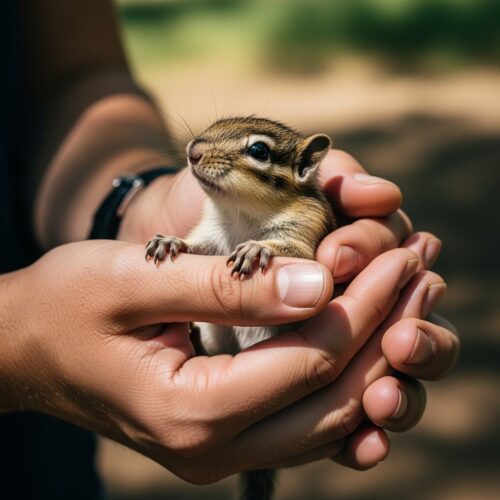
Finding a baby chipmunk can be adorable, but it comes with important legal and ethical responsibilities. In many places, it’s illegal to keep wild animals as pets, including chipmunks. Here’s what you need to know.
Laws Surrounding Wild Animal Care
Most states have strict laws about keeping wild animals. Here are some key points:
- Illegal Ownership: You can’t legally own a baby chipmunk without a special permit. Keeping wild animals can lead to fines or other penalties.
- Wildlife Protection: Laws exist to protect wildlife from exploitation. This ensures animals remain in their natural habitats.
- Local Regulations: Always check your local laws. They can vary from one place to another.
Ethical Implications of Keeping Wild Animals
Caring for a wild animal like a chipmunk is a big responsibility. Here’s why it’s better to leave them in the wild:
- Specialized Care Needs: Baby chipmunks require specific diets and environments. Most people lack the knowledge to meet these needs.
- Imprinting Issues: If raised by humans, baby chipmunks may become imprinted. This can harm their chances of survival if returned to the wild.
- Wildlife Rehabilitation: Professionals are trained to care for these animals. They know how to rehabilitate and release them safely.
Alternatives to Keeping a Chipmunk as a Pet
If you find a baby chipmunk, it’s best to seek alternatives:
- Contact Wildlife Rehabilitation Centers: These professionals can provide the care the chipmunk needs.
- Monitor the Situation: If the chipmunk seems healthy and is in its nest, it may not need help. Observe from a distance.
- Educate Yourself: Learn about wildlife in your area. Understanding local fauna can enrich your appreciation for nature.
By respecting the laws and ethical considerations, you can help ensure that baby chipmunks thrive in their natural environment.
Monitoring Health: Signs of a Healthy vs. Distressed Chipmunk
Keeping an eye on a baby chipmunk’s health is crucial. You want to make sure it’s safe and sound. Here’s how to spot the signs of a healthy chipmunk versus one that might need help.
Indicators of a Healthy Chipmunk
A healthy chipmunk should show some key signs:
- Active and Alert: It should be curious and moving around.
- Bright Eyes: Look for clear, bright eyes without discharge or swelling.
- Clean Fur: Healthy fur should be smooth and free of parasites.
- Regular Breathing: Watch for even, calm breathing.
If it meets these criteria, the chipmunk is likely doing okay.
Signs of Distress and Illness
Be on the lookout for these red flags:
- Lethargy: If the chipmunk is barely moving or seems weak, it’s a cause for concern.
- Shivering: This might indicate hypothermia or stress.
- Labored Breathing: Rapid or difficult breathing can signal serious issues.
- Discharge: Any mucus or swelling around the eyes or nose is a warning sign.
- Dehydration: A dehydrated chipmunk may have sunken eyes or dry fur.
If you notice any of these signs, it’s time to act.
What to Do If You Notice Health Issues
If you see signs of distress, here’s what to do:
1. Stay Calm: Your energy can affect the chipmunk.
2. Observe: Keep a safe distance. Monitor its behavior for a few hours.
3. Contact a Wildlife Rehabilitation Center: If the situation doesn’t improve or worsens, reach out for help. These professionals know how to handle baby chipmunks properly.
4. Provide Shelter: If necessary, create a small, quiet space for the chipmunk. A box with soft fabric can help keep it warm.
Knowing these signs can make a big difference. Your quick action might just save a little life!
Frequently Asked Questions
These quick answers cover the most common questions about this topic, including key details, practical tips, and common concerns.
I Found a Baby Chipmunk: What Should I Do!?
If you find a baby chipmunk, first observe it from a distance to see if it’s injured or in danger. Most babies are temporarily left alone by their mothers. If the chipmunk shows signs of distress, such as injuries or weakness, contact a licensed wildlife rehabilitator immediately. Avoid handling or feeding the animal unless instructed by professionals. Creating a safe, warm space can help until help arrives.
How to care for an abandoned baby chipmunk?
Create a small, ventilated box lined with soft cloth or paper towels. Keep the animal warm using a heated water bottle wrapped in a towel. Minimize handling to reduce stress. Do not attempt to feed it unless advised by a wildlife rehabilitator, as improper feeding can cause harm. Always seek professional help for proper care and eventual release.
Can baby chipmunks survive without their mother?
Most baby chipmunks cannot survive long without their mother because they depend on her for warmth, nutrition, and protection. If you find a baby alone, it may still be in its nest or temporarily separated. If the mother is absent for more than a few hours or if the baby appears injured or weak, it’s best to contact a wildlife professional for assistance.
How long do baby chipmunks stay with their parents?
Baby chipmunks typically stay with their mother for about 6 to 8 weeks. During this time, they learn essential survival skills and gradually become independent. After this period, they usually leave the nest and start exploring on their own.
Can I touch a baby chipmunk?
It’s best to avoid touching a baby chipmunk. Human scent can cause the mother to abandon her young. Handling can also stress or injure the animal. If you find a baby in need of help, handle it minimally and always contact a wildlife rehabilitator for guidance.
What are the signs that a baby chipmunk needs help?
Signs include visible injuries, lethargy, dehydration, abnormal crying, or if the baby is outside of its nest for an extended period. If the baby appears weak, cold, or unable to move properly, it likely needs professional care. Always monitor the situation and seek expert advice.
How to transport a baby chipmunk to a rehabilitator?
Use a small, ventilated container lined with soft cloth or paper towels. Keep the animal warm with a gentle heat source like a wrapped water bottle. Handle the chipmunk gently and minimize movement. Contact a wildlife rehabilitator beforehand to confirm the best way to deliver the animal.
What should I do if I find a baby chipmunk?
Assess the situation carefully. If it’s injured or in immediate danger, contact a licensed wildlife rehabilitator or animal control. If it appears healthy but alone, create a safe, warm environment and wait for professional help. Do not attempt to raise or keep the animal as a pet, as it’s illegal and unethical.