
Hackberries, the fruit of the hackberry tree, are generally not poisonous to dogs [1]. However, understanding the potential risks and symptoms of ingestion is crucial for pet owners. This guide will help you navigate the safety of hackberry trees and their fruit in relation to dog health.
Are Hackberries Poisonous to Dogs?
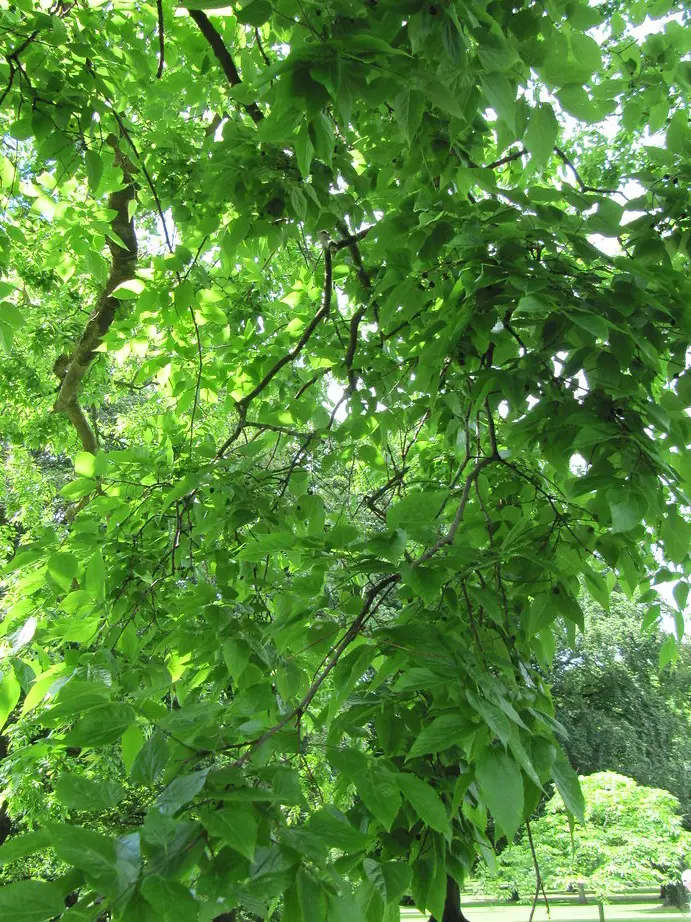
Hackberries are generally safe for dogs, but understanding their effects and any potential risks is essential for pet owners. This section explores expert opinions and research findings on hackberry toxicity.
What the Experts Say About Hackberry Toxicity?
Veterinary experts agree that hackberries are non-toxic to dogs. Dr. Emily Carter, a veterinary toxicologist, states, “Hackberries do not contain harmful compounds that pose a serious poisoning risk to dogs” [1]. Most dogs can safely consume hackberries without adverse effects. However, ingestion of large quantities may lead to mild gastrointestinal upset, such as vomiting or diarrhea [2].
Research Findings on Hackberry Ingestion
Scientific studies support the view that hackberries are safe for canine consumption. Research indicates that the hackberry (genus Celtis) does not have toxic properties [2]. Nevertheless, pet owners should monitor their dogs for any signs of distress after ingestion. Symptoms may include:
- Vomiting
- Diarrhea
- Abdominal discomfort
These symptoms often arise only if a dog consumes a large amount of the fruit or its seeds, which could also pose a choking hazard [4].
How Hackberries Compare to Other Toxic Plants
Unlike many other plants that can cause serious health issues, hackberries are relatively benign. For example, other common fruits, such as grapes and certain berries, are known to be toxic to dogs. In contrast, the safety of hackberries makes them a better choice if your dog is curious about foraging.
Comparison Table: Hackberries vs. Other Fruits
| Fruit | Toxicity to Dogs | Symptoms of Ingestion |
|---|---|---|
| Hackberries | Non-toxic | Mild gastrointestinal upset |
| Grapes | Toxic | Kidney failure |
| Cherries | Toxic (seeds) | Cyanide poisoning |
By understanding these differences, pet owners can make informed decisions regarding their dog’s diet and safety. If you have concerns about your dog’s health or any unusual symptoms following ingestion, consult your veterinarian for professional advice.
For comprehensive information on pet health and safety, consider checking out the Dog Health and Safety Book.
Symptoms of Hackberry Ingestion in Dogs
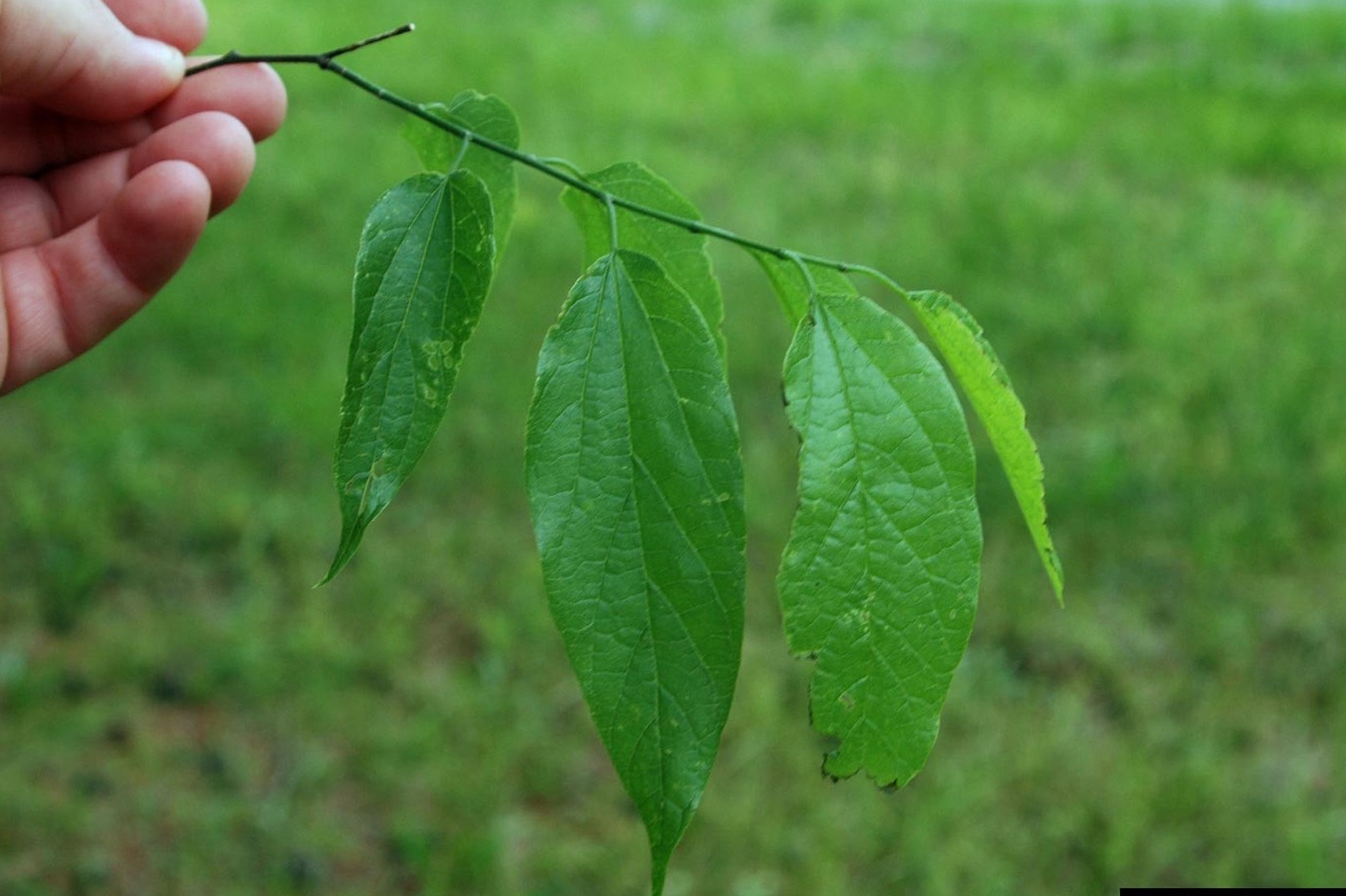
Although hackberries are generally non-toxic to dogs, ingestion can still lead to mild gastrointestinal issues. Pet owners should be vigilant in monitoring their dogs for any unusual symptoms after consumption.
What Signs Indicate Digestive Upset?
If your dog eats hackberries, watch for these common symptoms:
- Vomiting: This may occur shortly after ingestion.
- Diarrhea: Loose stools can happen if your dog’s stomach is upset.
- Abdominal Pain: Look for signs of discomfort, such as whining or reluctance to move.
- Loss of Appetite: A dog may refuse food if it feels unwell.
While these symptoms are typically mild, they can vary in severity depending on the amount ingested and the individual dog’s sensitivity.
When to Consult a Veterinarian?
Seek veterinary advice if your dog exhibits severe symptoms, such as:
- Persistent vomiting or diarrhea lasting more than a few hours.
- Signs of dehydration, such as lethargy or dry gums.
- Any unusual behavior, like extreme restlessness or hiding.
A veterinarian can provide guidance on treatment and care based on the dog’s size and health condition.
Can Symptoms Vary by Dog Size?
Yes, symptoms can differ based on a dog’s size and overall health. Smaller dogs may experience more pronounced effects from consuming hackberries than larger breeds. For example:
- A small dog may show signs of upset stomach after just a few berries.
- A larger dog might handle a greater quantity without immediate symptoms.
Pet owners should monitor their dogs closely and adjust their responses based on size and health status. Always err on the side of caution when assessing your dog’s reaction to any new food.
Preventative Measures for Dog Owners
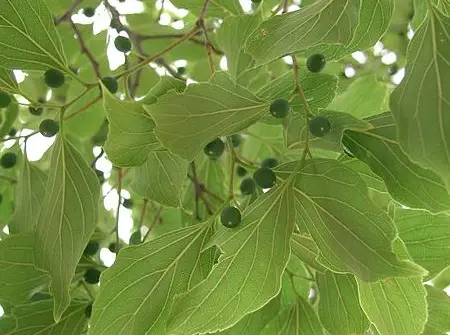
To keep your dog safe from potential hackberry ingestion, it’s essential to understand how to identify these trees and implement safe outdoor practices. Here are steps to help minimize risks.
How to Identify Hackberry Trees?
Recognizing hackberry trees can aid in avoiding unwanted interactions. Look for these key characteristics:
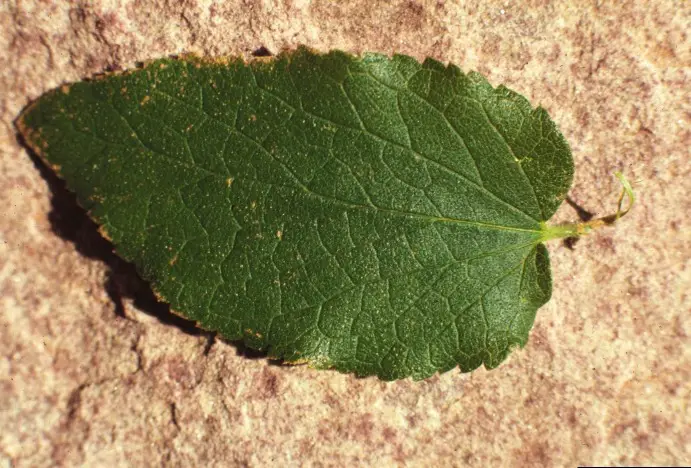
- Leaves: Ovate, serrated edges, and rough texture.
- Bark: Warty texture with a grayish-brown color.
- Fruits: Small, round, and often found in clusters; they ripen from green to dark purple.
Familiarizing yourself with these traits will help you steer clear of hackberry trees during walks or playtime.
Safe Outdoor Practices for Pet Owners
Adopting preventive measures can significantly reduce the likelihood of your dog consuming hackberries. Consider the following strategies:
- Supervised Outdoor Time: Always supervise your dog when in areas with hackberry trees.
- Leash Walking: Keep your dog on a leash in parks or wooded areas to prevent them from foraging.
- Training Commands: Teach your dog commands like “leave it” to discourage them from eating unknown plants.
These practices help ensure that your dog remains safe while enjoying the outdoors.
What to Do If You Find a Hackberry Tree?
If you encounter a hackberry tree during your outings, here’s how to approach the situation:
- Assess Your Surroundings: Look for fallen fruits and examine your dog’s behavior.
- Keep Distance: Maintain a safe distance from the tree to prevent curiosity-driven ingestion.
- Monitor for Symptoms: If your dog consumes hackberries, watch for signs of gastrointestinal upset, such as vomiting or diarrhea. While hackberries are generally non-toxic, large quantities can lead to mild symptoms [1][5].
By implementing these preventative measures, you can enjoy outdoor activities with your dog while minimizing the risks associated with hackberry trees.
Alternatives to Hackberries for Dogs
While hackberries are generally non-toxic to dogs, offering alternatives can ensure their safety and well-being. Here are some dog-friendly fruits that you can safely provide as substitutes.
What Are the Best Dog-Friendly Fruits?
Several fruits are safe for dogs and can serve as healthy treats. Consider the following options:
- Blueberries: Packed with antioxidants and fiber. They promote healthy digestion.
- Apples: Rich in vitamins A and C. Remove seeds and core before feeding.
- Bananas: A good source of potassium. Offer in moderation to avoid digestive upsets.
- Watermelon: Hydrating and low in calories. Remove seeds and rind before serving.
- Carrots: Not a fruit, but crunchy and good for dental health.
These fruits not only provide nutritional benefits but also satisfy your dog’s natural curiosity for flavors and textures.
How Do These Alternatives Compare to Hackberries?
Compared to hackberries, these fruits offer more nutritional value. Hackberries lack significant vitamins and minerals. In contrast, fruits like apples and blueberries are full of essential nutrients that support your dog’s overall health.
-
Nutritional Comparison:
- Hackberries: Low in vitamins, potential mild gastrointestinal upset if consumed in large quantities.
- Blueberries: High in antioxidants; supports cognitive health.
- Apples: High in fiber; aids in digestion and dental health.
Nutritional Benefits of Safer Fruits
Offering a variety of fruits can enhance your dog’s diet. For example:
- Blueberries contain phytonutrients that may reduce inflammation and improve heart health [7].
- Apples provide fiber, promoting a healthy digestive system [8].
- Watermelon is hydrating, making it a great summer treat without added sugars.
In addition to being safe, these fruits can introduce your dog to new tastes while providing health benefits that hackberries do not. Always introduce new foods gradually and monitor for any adverse reactions.
Conclusion: Keeping Your Dog Safe Around Hackberry Trees
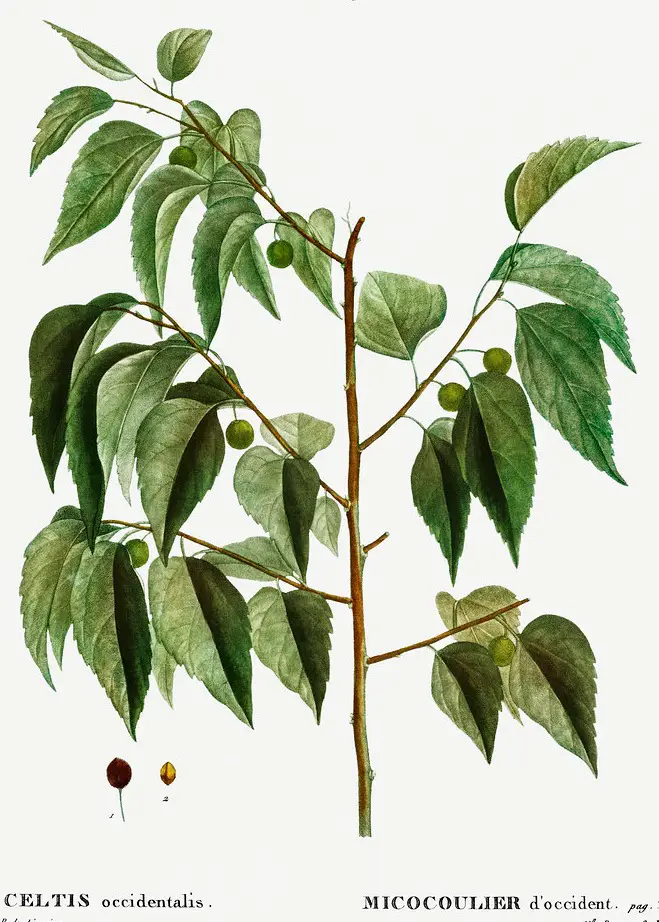
Understanding the safety of hackberry trees is crucial for dog owners. While hackberries are not toxic to dogs, awareness and prevention are key to ensuring their health.
What Are the Risks of Hackberry Ingestion?
Although hackberries do not contain known toxins, excessive consumption can lead to gastrointestinal upset. Monitor your dog for symptoms like:
- Vomiting
- Diarrhea
- Abdominal pain
If your dog shows any of these signs after eating hackberries, consult your veterinarian for guidance. Regular check-ups can help identify underlying sensitivities or allergies that may arise from frequent exposure [2].
How Can Pet Owners Prevent Issues?
To keep your dog safe, follow these preventative measures:
- Supervision: Always keep an eye on your dog when outdoors, especially near hackberry trees.
- Training: Teach commands like “leave it” to discourage berry consumption.
- Awareness: Familiarize yourself with local flora, as some plants can be harmful [10].
By taking these precautions, you can minimize the risk of accidental ingestion and maintain your dog’s well-being.
What Alternative Foods Are Safe for Dogs?
If you’re concerned about your dog’s diet, consider safer fruit options. For example:
- Blueberries: Rich in antioxidants and safe for dogs.
- Apples: Provide fiber and vitamins without risk.
These fruits can offer health benefits while ensuring your pet’s safety. Always introduce any new food gradually and monitor for adverse reactions.
Frequently Asked Questions
These quick answers cover the homeowner questions that come up most often about hackberry trees, including growth, care, and common problems.
Why do dogs eat hackberry leaves?
Dogs may eat hackberry leaves out of curiosity or boredom. The texture and smell can attract them, especially if they are foraging outdoors. Some dogs are also more inclined to chew on plants when they are anxious or looking for something to do.
What is the most poisonous plant for a dog?
The most poisonous plants for dogs include oleander, azaleas, and certain mushrooms. These plants can cause severe health issues, including organ failure and death. Always research any plant your dog might encounter to ensure its safety.
Is hackberry a junk tree?
Hackberry trees, while often considered undesirable in landscaping due to their messy fruit and rough bark, provide ecological benefits. They support wildlife and can improve soil quality. Whether to keep or remove a hackberry tree depends on personal preference and its impact on your yard.
Should I cut down my hackberry?
Cutting down a hackberry tree is not necessary for pet safety, as it is generally non-toxic to dogs. However, if the tree is causing damage to your property or attracting unwanted pests, you may consider removal. Always consult with a tree care professional before making a decision.
Can dogs eat hackberries safely?
Yes, dogs can eat hackberries safely in moderation. While they are non-toxic, large quantities may lead to mild gastrointestinal upset, such as vomiting or diarrhea. It’s best to monitor your dog for any adverse reactions after consumption.
What should I do if my dog eats hackberries?
If your dog eats hackberries, observe them for any symptoms like vomiting or diarrhea. These symptoms are usually mild but can indicate gastrointestinal upset. If your dog shows severe symptoms or if you have concerns, consult your veterinarian for further guidance.
How can I tell if my dog is having a reaction to hackberries?
Watch for signs such as vomiting, diarrhea, abdominal discomfort, or loss of appetite. If these symptoms persist or worsen, seek veterinary assistance. Monitoring your dog’s behavior after ingestion can help you determine if they are having a reaction.
What other plants should I be cautious of around my dog?
Be cautious of plants like grapes, cherries, and poinsettias, which can be toxic to dogs. Always familiarize yourself with local flora and keep potentially harmful plants out of reach. If you’re unsure about a specific plant’s safety, consult your veterinarian.
References
1. Do dogs enjoy eating hackberry leaves?
2. Dog eats Celtis laevigata, sugar hackberry | NPIN
3. Pokeweed poisoning: MedlinePlus Medical Encyclopedia
4. Take the “Oh No!” Out of Your and Your Pets’ Holiday “Ho- …
5. Can Dogs Eat Hackberries? Is It Safe for Dogs?
7. Roles of plant‐based ingredients and phytonutrients in canine …
8. Growing fruits and vegetables for your dog – 4-H Companion …
9. Sniffing Out Disease: Dogs Trained for Wildlife …
10. Be Prepared: Pet Safety in Emergencies