
Joshua Tree National Park is a breathtaking desert landscape perfect for adventure seekers. This complete visitor guide for 2026 covers essential tips, itineraries, and everything you need to know for an unforgettable trip.
Overview of Joshua Tree National Park
Joshua Tree National Park is a unique blend of stunning landscapes and diverse ecosystems. It draws nature lovers, adventurers, and photographers alike. Here, the Mojave and Colorado deserts meet, creating a playground filled with fascinating flora and fauna.
Unique Ecosystems of Joshua Tree
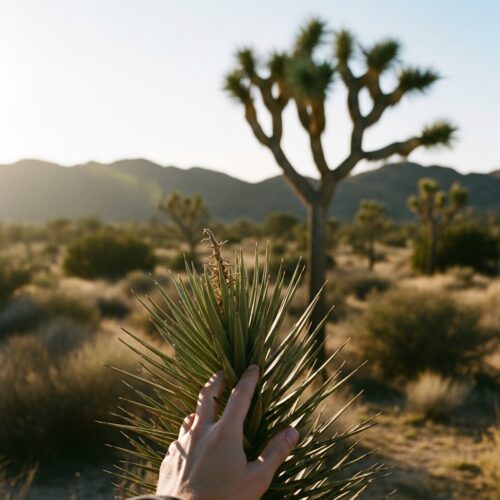
The park is famous for its otherworldly Joshua trees. These quirky, spiky trees thrive in the arid desert. They create a surreal atmosphere that’s perfect for exploration. In addition to Joshua trees, the park boasts:
- Cacti: Various species, including the iconic cholla cactus.
- Wildflowers: Bloom in spring, painting the desert with color.
- Wildlife: Home to bighorn sheep, roadrunners, and many more.
This mix of life makes the park a vibrant ecosystem worth exploring.
Cultural and Historical Highlights
Joshua Tree has rich cultural significance. It’s not just about the scenery; the park has a deep history. The area has been inhabited for thousands of years. Native American tribes, like the Serrano and Cahuilla, have a strong connection to the land.
Table of Contents
- Historic Sites: Explore old mining towns and rock art.
- Music and Art: The park has inspired countless artists and musicians, making it a cultural hub.
Visitors often feel a profound connection to the history here. It’s not just a destination; it’s a journey through time.
Why Visit Joshua Tree?
Joshua Tree National Park appeals to a wide range of visitors. Whether you’re into hiking, rock climbing, or just soaking in the views, there’s something for everyone.
- Hiking Trails: From easy walks to challenging climbs, options abound.
- Camping: The park offers campgrounds with stunning stargazing opportunities.
- Photography: Capture breathtaking sunsets and unique rock formations.
Before you head out, don’t forget to pack essentials like a portable camping stove for those cozy meals under the stars. Check Price on Amazon.
In Joshua Tree, adventure awaits at every turn!
Essential Trip Planning for Joshua Tree
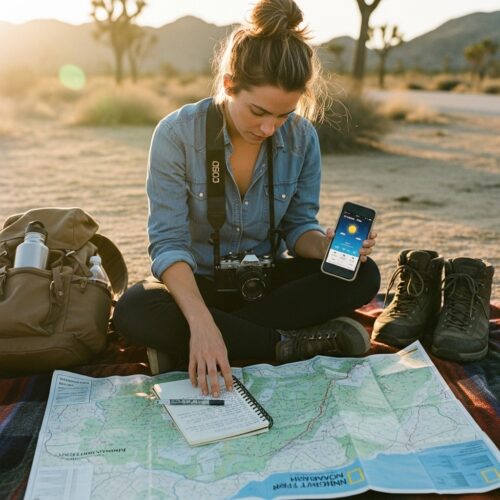
Planning a trip to Joshua Tree National Park? You’ll want to know how to get there, what to pack, and any fees involved. Let’s dive into the essentials!
How to Get There: Directions and Transportation
Joshua Tree is easily accessible from several major cities. Here are the best routes:
- From Los Angeles: Take the I-10 East to CA-62 East. It’s about a 2-hour drive.
- From San Diego: Head north on I-15, then take CA-79 to CA-62 East. This trip will take roughly 3 hours.
- From Palm Springs: Take CA-111 North to I-10 East, then CA-62 East. It’s a quick 1-hour drive.
Once in the area, you have a few options for getting around:
- Car Rentals: Best for exploring the park at your own pace.
- Biking: A fun way to cover shorter distances within the park.
- Shuttle Services: Limited options, so check in advance.
Entrance Fees and Permits
You’ll need a permit to enter Joshua Tree. Here’s what you should know:
- Day Pass: $30 per vehicle, valid for 7 days.
- Annual Pass: $55 for unlimited visits in a year.
Buying your permit online can save time, especially during busy seasons. If you arrive early, grab your permit at the visitor center.
Packing Essentials for Different Seasons
Packing for Joshua Tree can vary by season. Here’s a handy checklist to keep you prepared:
Spring and Fall (Mild Temperatures)
- Lightweight layers
- Sunscreen and hats
- Hiking boots
- Portable camping stove for meals
Summer (Hot Days)
- Lightweight, breathable clothing
- Plenty of water (at least 2 liters per person)
- Sunglasses and sunblock
- Early morning hikes to beat the heat
Winter (Cool Nights)
- Warm layers, including jackets
- Gloves and beanies for chilly evenings
- Sturdy hiking boots
- Flashlight for nighttime adventures
Tip: Always check the weather before you go. Conditions can change rapidly in the desert.
With these essentials in hand, you’re set for an unforgettable adventure at Joshua Tree National Park!
Best Itineraries for Your Visit

Planning your time at Joshua Tree National Park is key to making the most of your adventure. Whether you’re here for a half-day or an entire weekend, there’s plenty to see and do. Let’s break down some itineraries for different lengths of stay.
Half-Day Itinerary: Quick Highlights
If you’re short on time, focus on these must-see spots:
- Hidden Valley: A quick hike through stunning rock formations. Perfect for photos!
- Skull Rock: Snap some pics with this unique rock formation. It’s right off the road!
- Cholla Cactus Garden: Walk through this enchanting garden. It’s especially beautiful at sunrise.
Tip: Pack water in an insulated bottle. You’ll need it!
Full-Day Itinerary: In-Depth Exploration
Got a full day? Here’s your jam-packed itinerary:
- Morning: Start early at Hidden Valley. Hike the loop and enjoy the views.
- Midday: Head to Skull Rock for some fun photo ops. Then, grab a bite at a picnic area.
- Afternoon: Explore the Cholla Cactus Garden. Take your time; it’s a visual treat.
- Late Afternoon: Drive to Barker Dam. The short hike leads to a historic water reservoir.
- Evening: Watch the sunset at Keys View. The panoramic views are unforgettable.
Real-Life Story: One visitor followed this itinerary and said, “Watching the sunset at Keys View was the highlight of my trip!”
Weekend Getaway: Best of Joshua Tree
For a weekend escape, here’s how to dive deeper into the park:
- Day 1:
- Morning: Arrive early to set up camp at one of the campgrounds.
- Afternoon: Explore Hidden Valley and hike to Skull Rock.
- Evening: Dinner at Pappy & Harriet’s for a taste of local flavor.
- Day 2:
- Morning: Hike the Barker Dam trail. Keep an eye out for wildlife!
- Afternoon: Visit the Cholla Cactus Garden. Take plenty of photos.
- Evening: Stargazing! The dark skies offer incredible views of the stars.
Pro Tip: Bring a portable camping stove for easy meal prep at your campsite. It’s a game changer! Check Price on Amazon.
With these itineraries, you’ll experience the best of Joshua Tree National Park, no matter how much time you have!
Safety Tips and Must-See Attractions

Visiting Joshua Tree National Park is an adventure, but safety should always come first. The desert environment can be tough, and wildlife encounters are a real possibility. Here’s what you need to know to stay safe while enjoying the park’s stunning beauty.
Essential Safety Tips for Your Visit
- Stay Hydrated: Bring plenty of water. The desert can be hot and dry. Aim for at least a gallon per person per day, especially if you plan to hike.
- Sun Protection: Wear sunscreen, a wide-brimmed hat, and sunglasses. The sun can be intense, even in cooler months.
- Dress Appropriately: Layer your clothing. Desert temperatures can swing from hot during the day to chilly at night.
- Wildlife Encounters: Keep a safe distance from animals. Snakes and scorpions are common; watch where you step and place your hands.
- Know Your Limits: Choose hikes that match your fitness level. The terrain can be rugged, and it’s easy to get lost.
- Cell Service: Expect limited cell service in the park. Always inform someone where you’re going and when you expect to return.
- Stay on Trails: Protect the delicate environment and yourself by sticking to marked paths. Venturing off can lead to accidents or getting lost.
Must-See Attractions and Photography Spots
Joshua Tree is packed with iconic sights. Here are some highlights you shouldn’t miss:
- Hidden Valley: A great spot for rock climbing and hiking. The unique rock formations make for fantastic photos.
- Skull Rock: An easy stop along the road. Its skull-like shape is a favorite for quick snapshots.
- Cholla Cactus Garden: This area bursts with cacti, especially beautiful during sunrise or sunset. Bring your camera!
- Barker Dam: A scenic hike with opportunities to see wildlife, including bighorn sheep. Don’t forget your binoculars!
- Keys View: For breathtaking panoramic views of the Coachella Valley. It’s especially stunning at sunset.
Safety Checklist
Here’s a quick checklist to ensure you’re prepared for your trip:
- [ ] Water (1 gallon per person)
- [ ] Sunscreen and lip balm
- [ ] First aid kit
- [ ] Snacks and food (as dining options are limited)
- [ ] Map of the park (consider an interactive version)
- [ ] Camera for capturing those unforgettable moments
- [ ] Portable camping stove for easy meal prep at your campsite
By keeping these safety tips in mind and checking off your list, you’ll be set for an amazing adventure in Joshua Tree National Park!
Frequently Asked Questions
These quick answers cover the most common questions about this topic, including key details, practical tips, and common concerns.
What is the best month to go to Joshua Tree?
The best months to visit Joshua Tree are from February to April and from October to December. During these times, the weather is mild, and temperatures are comfortable for hiking and outdoor activities. Spring (March-April) also offers wildflower blooms, adding vibrant colors to the landscape. Avoid peak summer months (June-August), when temperatures can soar above 100°F (38°C), making outdoor activities challenging and risky.
How many days is enough for Joshua Tree?
A minimum of 2 to 3 days allows you to explore the main highlights, enjoy hikes, and experience the park’s unique scenery. If you want a more relaxed trip with time for photography, camping, and visiting multiple areas, consider 4 to 5 days. This way, you can also include nearby attractions or take guided tours without feeling rushed.
What should I not miss in Joshua Tree?
You shouldn’t miss the iconic Joshua Trees themselves, especially at the Cholla Cactus Garden and along the Hidden Valley Trail. Key spots include Skull Rock, Barker Dam, and Keys View for panoramic sunset views. Also, explore the park’s unique rock formations and take time for stargazing at night, as Joshua Tree is a designated dark-sky park.
What is the prettiest national park in the USA?
Beauty is subjective, but many consider Yellowstone, Yosemite, and Grand Canyon as some of the prettiest national parks in the USA. Each offers stunning landscapes—from waterfalls and giant sequoias to dramatic canyon vistas. Joshua Tree stands out for its surreal desert environment, making it uniquely photogenic and otherworldly.
Are guided tours available?
Yes, guided tours are available through various providers. These include guided hikes, rock climbing excursions, photography workshops, and cultural tours. Booking a guide can enhance your experience by providing expert insights, safety, and access to less accessible areas. Check with the park’s visitor centers or reputable tour companies for options.
What are the best hikes for beginners?
Beginner-friendly hikes include the Barker Dam Trail, which is about 1.3 miles round trip, and the Hidden Valley Nature Trail, a 1-mile loop. Both are relatively flat and offer stunning scenery. For shorter walks, the Cholla Cactus Garden and the Skull Rock area are also accessible and great for quick visits.
Can I bring my pet to Joshua Tree?
Yes, pets are allowed in designated areas like campgrounds and along certain paved or dirt roads. However, pets must be kept on a leash at all times and are not permitted on most trails or in wilderness areas to protect wildlife and the environment. Always clean up after your pet and bring plenty of water.
What are the park’s entrance fees?
The standard entrance fee is $30 per vehicle, valid for 7 days. An annual pass costs $55 and grants unlimited entry for a year. If you plan to visit multiple parks, consider purchasing an America the Beautiful pass for broader access. Fees help maintain the park and visitor facilities.
Is there cell service in Joshua Tree?
Cell service is limited within most of Joshua Tree National Park. Some areas near the park entrance may have reception, but many remote spots have none. It’s advisable to download maps and emergency contacts beforehand, and inform someone of your plans. Satellite communication devices are recommended for extended backcountry trips.
What should I know about the interactive map of the park?
An interactive map is a valuable tool for planning your visit. It helps locate key attractions, trailheads, campgrounds, and facilities. Use it to plan your route, find the best photography spots, and navigate the park safely. Downloading an offline version before your trip ensures access even without cell service.