
Choosing the right fertilizer for your tropical plants can feel overwhelming. Liquid or granular? Each has its perks, but which one helps your plants thrive? Let’s dive into the details!
Table of Contents
Understanding Fertilizers: An Overview
When I first started my gardening journey, I was amazed by how much there was to learn about fertilizers. It wasn’t just about tossing some nutrients onto the soil; it was about understanding what my tropical plants really needed. So, let’s break down the two main types of fertilizers: liquid and granular.
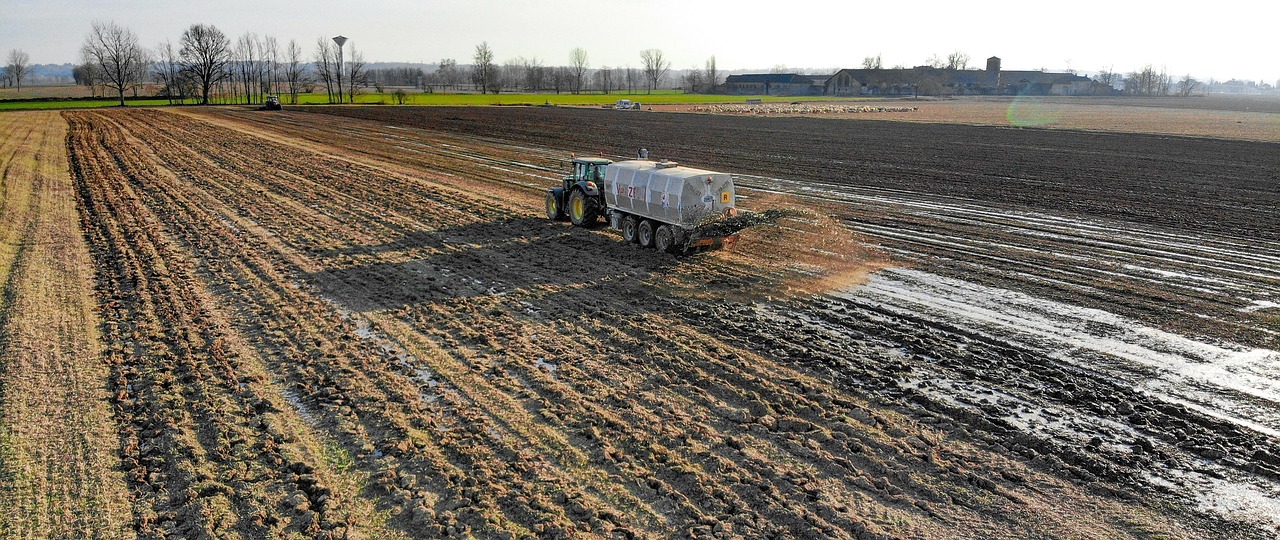
What are Liquid Fertilizers?
Liquid fertilizers are nutrient solutions that you mix with water and apply to your plants. I remember the first time I used a liquid fertilizer; it felt more like giving my plants a drink than just feeding them. This type of fertilizer is absorbed quickly by the roots and leaves, providing a fast nutrient boost. The convenience of mixing it in a watering can made it so easy to apply, and I found myself reaching for it during growth spurts or when my plants looked a little under the weather. You can find both concentrated and ready-to-use versions, which cater to different preferences and situations. Read Interesting article: Guide to Organic Fertilizers for Thriving Tropical Plants
What are Granular Fertilizers?
Granular fertilizers are solid particles that release nutrients slowly over time. These can be either organic or synthetic and are often mixed into the soil before planting or sprinkled around established plants. My first experience with granular fertilizers was a bit of a revelation. I loved the idea of it breaking down gradually, feeding my plants over several weeks or even months. This slow-release aspect means that plants can access the nutrients as they need them, which can lead to healthier growth. Plus, it often means less frequent applications, which is always a bonus in my busy gardening schedule!
Key Differences Between Liquid and Granular Fertilizers
One major difference between the two is the speed of nutrient availability. Liquid fertilizers offer instant gratification, allowing plants to absorb nutrients right away. On the other hand, granular fertilizers take time to break down, which can be great for sustaining growth over a longer period. I’ve noticed that when I want rapid results—like reviving a struggling plant or kickstarting growth in spring—I reach for liquid options. However, for long-term maintenance, especially with established plants, granular fertilizers have won me over.
Another difference is the method of application. Liquid fertilizers require mixing and careful application to avoid over-saturating the soil, while granular fertilizers can be spread more liberally, making it less likely to miss a spot. I recommend keeping both types on hand, as they complement each other well. You can use liquid fertilizers during peak growth times, while granular fertilizers can be applied to set up a healthy soil foundation and provide ongoing support.
Cost can also factor into your decision. Generally, granular fertilizers are more cost-effective, especially if you’re treating large areas or numerous plants. I found that buying in bulk can save a lot of money in the long run. However, liquid fertilizers can be more efficient in small quantities, which I appreciate when I’m just working with a few potted plants.
Lastly, the choice between liquid and granular fertilizers can depend on your specific tropical plants and their needs. Some plants thrive on quick, accessible nutrients, while others do better with a steady supply over time. I highly recommend doing a bit of research on the specific plants you have and considering their growth habits when deciding what type of fertilizer to use. For instance, plants like Plumbago thrive under specific care regimens.
Overall, understanding the differences between liquid and granular fertilizers has transformed how I care for my tropical plants. Each serves its purpose, and learning to use them in conjunction has led to healthier, more vibrant plants in my garden.
Benefits of Liquid Fertilizers for Tropical Plants
Quick Nutrient Absorption
One of the most notable benefits of liquid fertilizers is the speed at which nutrients are absorbed by plants. I still remember when I was struggling with a particularly droopy orchid. After applying a liquid fertilizer, I noticed the leaves perked up within a matter of hours! This immediate response is mainly because liquid fertilizers are readily available for uptake, which means that when tropical plants need a boost, liquid fertilizers can provide that quick fix. It’s especially useful during the growing season when I want to encourage blooming or when my plants show signs of stress, such as yellowing leaves or slowed growth.
Ease of Application
Another thing I love about liquid fertilizers is how simple they are to apply. With just a watering can and a little time, I can mix my fertilizer and water, and voilà! I’m nourishing my plants without too much hassle. Unlike granular fertilizers, which often require more effort to distribute evenly, liquid fertilizers allow for a more controlled application. I’ve found that I can easily target specific plants or areas in my garden, making it a great option for my potted tropical plants that need a little extra care. Plus, it minimizes the risk of fertilizer burn, which can happen if granular fertilizers are applied too heavily.
Enhanced Growth Rate
Liquid fertilizers often lead to enhanced growth rates, which is something that I truly appreciate in my tropical garden. I’ve observed that my plants not only grow faster but also tend to be healthier when I use liquid options. I believe this is due to the rapid nutrient uptake and the immediate response from the plants. For instance, during the early spring months when I’m eager to see new growth, I make sure to use liquid fertilizers to kickstart that process. It’s rewarding to witness the transformation of my plants as they respond positively to the nutrients, with more vibrant leaves and blooms.
Specific Use Cases for Tropicals
Certain tropical plants have unique nutritional needs, and liquid fertilizers can be tailored to meet those needs. For example, I’ve found that some of my flowering tropicals, like hibiscus and bougainvillea, respond exceptionally well to liquid fertilizers rich in potassium and phosphorus. This specialized approach allows me to support my plants according to their specific growth stages and flowering cycles. I’ve also experimented with liquid fertilizers that contain beneficial microbes, which have helped improve the overall health of my soil and plants. This versatility is something I truly value, as it allows me to adjust my feeding regimen based on what my plants require at different times throughout the year. Another great resource for tropical plant care can be found in the String of Nickels Care Guide.
Benefits of Granular Fertilizers for Tropical Plants
Slow Release of Nutrients
Granular fertilizers shine with their slow-release capabilities. I love how they provide a steady stream of nutrients over time, which ensures that my plants have access to what they need without overwhelming them all at once. I often apply these fertilizers when planting new tropical plants, as it sets them up for success right from the beginning. The slow breakdown of granular fertilizers means I can enjoy peace of mind knowing that my plants will be well-fed for weeks, or even months, after application.
Soil Health Improvement
One of the unexpected perks I’ve noticed with granular fertilizers is their positive impact on soil health. When I first started using them, I didn’t realize how beneficial they could be for the soil ecosystem. Many granular fertilizers contain organic matter that helps improve soil structure and fertility. I’ve learned that incorporating these fertilizers into my garden can encourage beneficial microorganisms and earthworms, creating a thriving environment for my tropical plants. It feels good to know that I’m not just feeding my plants, but also nurturing the soil they grow in.
Cost-Effectiveness
From a budget perspective, granular fertilizers are often more cost-effective than their liquid counterparts. I’ve discovered that buying granular fertilizers in larger quantities can save quite a bit of money, especially since they last longer. For someone like me who has a diverse collection of tropical plants, being able to apply less frequent but effective treatments is a huge advantage. It means I can maintain a healthy garden without constantly breaking the bank.
Ideal Conditions for Use
Granular fertilizers are perfect for established plants and can be used in a variety of conditions. I usually apply them at the beginning of the growing season or before the rainy season, ensuring that the nutrients will be washed into the soil gradually. They work well in gardens with good drainage, as this allows the fertilizers to dissolve appropriately over time. I’ve found that if I want to set a solid nutritional foundation for my tropical plants, using granular fertilizers before their peak growth periods is a surefire way to ensure they thrive.
When to Use Liquid Fertilizers
Optimal Growth Stages for Application
Timing is everything, especially when it comes to using liquid fertilizers. I’ve found that the best moments to apply them are during the active growth phases of my tropical plants. For instance, in early spring, right when the days start getting longer and warmer, my plants awaken from their winter slumber. That’s when I reach for my liquid fertilizer to give them a significant boost. I’ve noticed that using it during these crucial growth stages—like right before flowering or fruiting—can make all the difference.
When my orchids begin to show new growth or my ferns start to unfurl their fronds, I don’t hesitate to mix up a solution. It’s fascinating to see how quickly they respond, often pushing out new leaves or blooms shortly after the application. I believe that understanding the unique growth cycles of each plant in my garden has helped me become a better gardener and made liquid fertilizers my go-to during these pivotal times.
Weather Considerations
I’ve learned that weather can play a significant role in when to use liquid fertilizers. For example, applying them just before a rainstorm can be a double-edged sword. While the rain helps distribute the nutrients evenly, too much rain can wash them away, leading to waste. I prefer to apply liquid fertilizers on cloudy days or when the weather forecast is clear for a day or two. This way, I ensure that the nutrients have time to soak into the soil without being washed away.
Additionally, I pay attention to temperature. I remember a particularly hot summer when I applied a liquid fertilizer during peak heat, and I noticed some stress in my plants afterward. Now, I try to avoid fertilizing when temperatures are soaring, as this can lead to nutrient burn. Instead, I aim for cooler mornings or evenings, allowing my plants to absorb the nutrients better without the added stress of the heat.
Signs Your Tropical Plants Need Liquid Fertilizer
I’ve always believed that my plants speak to me, and their signs can indicate when they need a little extra help. Yellowing leaves, stunted growth, or wilting are all clues that I’ve become quite adept at recognizing. When my plants start to look a bit droopy or their leaves lose that vibrant green hue, I know it’s time for some liquid fertilizer.
Another telltale sign for me is the flowering stage. If my hibiscus or orchids aren’t producing as many blooms as usual, I’ve found that a dose of liquid fertilizer can often revive their enthusiasm for flowering. I also keep an eye out for any new growth. If my plants seem to pause in their growth or fall behind, I reach for that liquid fertilizer to give them the boost they need.
I also keep a lookout for specific nutrient deficiencies. For example, if I notice that some leaves have a reddish tint or are falling off, it might indicate a potassium deficiency, and using a liquid fertilizer formulated to address that can work wonders. Learning to read these signs has transformed my gardening routine, allowing me to respond to my plants’ needs more intuitively.
When to Use Granular Fertilizers
Preparing Soil for Planting
Using granular fertilizers during the preparation stage of planting has been a game changer in my gardening experience. Before I plant anything new, I always mix in a slow-release granular fertilizer into the soil. This process not only nourishes the plants as they establish roots but also helps create a balanced environment for them to thrive. I remember when I first started planting my tropical garden; I hadn’t realized how important this step was. The difference was remarkable when I began incorporating granular fertilizers into the soil preparation.
I’ve found that mixing granular fertilizers into the top few inches of soil helps it integrate better and ensures that new plants have access to those nutrients as they grow. It’s like setting a solid foundation for a house—everything stands stronger when it’s built on a good base. Plus, the slow-release nature of these fertilizers means I don’t have to worry about constant reapplication during those crucial early weeks.
Seasonal Application Guidelines
Granular fertilizers shine during specific times of the year, particularly at the start of the growing season. I usually apply them in early spring, just as my tropical plants start to show signs of life. This gives them a steady supply of nutrients as they begin to grow and flourish. Mid-summer is another ideal time for a top-up, especially after the flowering period when plants have put in a lot of work and could use a boost to prepare for the second half of the year.
I’ve also noticed that applying granular fertilizers before any expected rainfall can help distribute nutrients into the soil more effectively. However, I always make sure to check the weather forecast. If heavy rains are on the way, I might delay application until the soil can absorb them properly.
Indicators for Granular Fertilizer Application
Being aware of when to use granular fertilizers goes beyond just timing the seasons. I’ve learned to look for particular signs in my plants that indicate they could benefit from this type of nourishment. For example, if my plants seem to be growing slowly or the leaves are smaller than usual, it’s a good indicator that they may need some extra nutrients.
Another sign is when I notice a general decline in vigor or health among my established plants. A quick sprinkle of granular fertilizer can often rejuvenate them, providing the long-lasting support they need. Also, after harvesting fruits or flowers, I’ve found it beneficial to apply granular fertilizer to replenish the nutrients that may have been depleted during the growing process.
By being attentive to these signs and timing my applications wisely, I’ve developed a routine that keeps my tropical plants healthy and thriving throughout the seasons.
How to Apply Liquid Fertilizers
Tools and Equipment Needed
When it comes to applying liquid fertilizers, having the right tools can make all the difference. I typically use a simple watering can for smaller pots or a garden sprayer for larger areas. I find that watering cans with a spout allow for precise application, especially when I’m targeting specific plants. For bigger jobs, a garden sprayer can cover a wider area quickly, which is helpful when I’m fertilizing multiple tropical plants in one go. Additionally, I always keep a measuring cup handy to ensure I’m mixing the right concentration of fertilizer according to the instructions on the label. Sometimes, I even use a funnel to avoid spills when pouring concentrated fertilizers into the watering can.
Application Techniques
Applying liquid fertilizer is pretty straightforward once you get the hang of it. I usually start by mixing the fertilizer with water in my watering can, following the instructions for the correct ratio. It’s important to stir well so that the nutrients are evenly distributed. When I’m ready to apply, I focus on the base of the plants, giving them a good drink without soaking the foliage too much. I’ve learned the hard way that wet leaves can sometimes lead to fungal issues.
For potted plants, I like to water until I see some excess liquid drain from the bottom of the pot. This ensures that the roots are thoroughly absorbing the nutrients. For garden beds, I try to apply during the cooler parts of the day, either in the early morning or late afternoon, to minimize evaporation and maximize absorption. I often take my time to enjoy the process, observing how the plants react as I feed them; it’s a rewarding experience!
Safety Precautions
Applying liquid fertilizers does come with a few safety precautions I’ve learned along the way. First, I always wear gloves when handling concentrated fertilizers, just to protect my skin from any irritation. Additionally, I make sure to keep the fertilizer away from pets and children, as some ingredients can be harmful. After I’m done, I rinse my tools and equipment thoroughly to prevent any residue build-up that could affect future applications. I also make a habit of reading the label for specific safety instructions or recommendations, ensuring that I’m following best practices for both myself and my plants.
How to Apply Granular Fertilizers
Distribution Methods
Applying granular fertilizers can be an enjoyable part of my gardening routine. I often use my hands or a scoop to distribute the granules evenly around the base of my plants. For larger areas, a handheld spreader works wonders in ensuring even coverage, and I’ve found that it saves me a lot of time. I typically scatter the granules about a foot away from the plant’s stem, allowing the nutrients to reach the roots without overwhelming them.
I’ve learned that it’s best to avoid clumping the granules together; instead, I’ll keep them spread out to promote even absorption. I always make sure to read the recommended application rates on the fertilizer bag; overdoing it can lead to nutrient burn, which I’ve experienced before.
Incorporating into Soil
One of my favorite techniques for applying granular fertilizers is to incorporate them into the soil. I often mix the granules into the top couple of inches of soil using a hand trowel or a garden fork. This method not only helps to activate the nutrients but also improves soil aeration. I remember when I first started doing this, the results were incredible! My plants seemed to thrive better because the nutrients were available right where the roots could access them easily.
For new plantings, I’ll usually do this during the initial soil preparation, ensuring that the granules are well-distributed throughout the planting area. When it comes to established plants, I make sure to be gentle while working the fertilizer into the soil to avoid damaging their roots.
Timing and Frequency of Applications
Timing is essential with granular fertilizers. I’ve discovered that applying them at the beginning of the growing season is ideal, as it aligns perfectly with the plants’ natural growth cycles. For my tropical plants, I typically reapply every 6 to 8 weeks during the growing season to maintain nutrient levels. After a good downpour, I often check if I need to reapply, as heavy rains can wash away some of the nutrients.
Paying attention to my plants’ responses has also helped me refine my application schedule. If they seem to be flourishing and producing new growth, I know I’m on the right track. However, if I notice any signs of nutrient deficiencies, it’s time to adjust my application frequency or consider trying a different fertilizer.
Common Mistakes to Avoid
Over-Fertilization Risks
One of the biggest mistakes I’ve made in my gardening journey is over-fertilizing. It’s so easy to think that more fertilizer means stronger, healthier plants, but that’s far from the truth. I’ve learned that too much fertilizer can lead to nutrient burn, which often results in brown leaf tips or even plant death. Now, I always stick to the recommended doses and err on the side of caution, especially with young or sensitive plants.
Ignoring Soil Test Results
I used to apply fertilizers without considering the specific needs of my soil, which is a mistake I’ve regretted. Understanding the nutrient levels and pH of my soil has been a game-changer. By conducting a soil test, I can tailor my fertilizer choices to what my plants actually need, avoiding unnecessary applications and ensuring optimal growth.
Neglecting Watering Needs After Application
One thing I’ve realized is that watering after applying fertilizers is crucial. When I forget to water them in, the nutrients can remain on the surface and not reach the roots effectively. I’ve also experienced how dry soil can lead to fertilizer burn. Now, I always make sure to give my plants a good drink after applying any type of fertilizer to help them absorb the nutrients properly.
Expert Tips for Choosing Between Liquid and Granular Fertilizers
Factors to Consider: Soil Type, Plant Types, and Growth Stages
When deciding between liquid and granular fertilizers, I take several factors into account. Soil type is a significant aspect; sandy soils tend to drain quickly and may benefit more from liquid fertilizers, while clay soils can hold nutrients better, making granular fertilizers a good choice. I also consider the types of plants I have in my garden. For rapid-growing tropicals, liquid fertilizers often provide the quick boost they need, while established plants may thrive better with granular options.
Combining Liquid and Granular Fertilizers
I’ve found that a combination of both types of fertilizers can yield the best results. Using granular fertilizers to set a strong foundation and then supplementing with liquid fertilizers during key growth periods can create a balanced feeding schedule. It’s like having the best of both worlds!
Cost-Effectiveness Analysis
From my experience, weighing the cost-effectiveness of each type of fertilizer is key. Granular fertilizers generally offer a better value for larger gardens, while liquid fertilizers can be more efficient for smaller, focused applications. I always keep an eye out for bulk deals on granular fertilizers, which helps me save money while still providing my tropical plants with the nutrients they need.
Frequently Asked Questions (FAQs)
Can I switch between liquid and granular fertilizers?
Absolutely! I often switch between the two types based on my plants’ needs and growth stages. Using both can help create a balanced feeding regimen.
How do I know which fertilizer is best for my tropical plants?
It’s a good idea to research the specific nutrient needs of your plants. Some may thrive with quick-acting liquid fertilizers, while others may benefit more from the slow-release nature of granular options.
What are the environmental impacts of each type of fertilizer?
Both types of fertilizers can have environmental impacts, particularly if overused. I’ve learned to apply them responsibly and consider organic options to minimize potential harm.
Are there any organic options available?
Yes, there are many organic fertilizers available for both liquid and granular applications. I enjoy using compost teas as a liquid option and organic matter-based granular fertilizers for my tropical plants.
Final Thoughts
Navigating the world of fertilizers can be a bit daunting, but I’ve found that understanding the nuances of liquid and granular options has truly transformed my gardening experience. Each type has its strengths, and learning when and how to use them has helped my tropical plants thrive. By taking the time to observe my plants, test my soil, and apply fertilizers mindfully, I’ve created a healthier garden environment. I believe that with the right approach, we can all enjoy vibrant, flourishing tropical plants and share the joys of gardening with others.