
Yellowing marigold leaves can be caused by nutrient deficiencies, watering issues, pests, soil problems, or seasonal changes. Identifying specific causes helps determine targeted solutions for healthy foliage.
This article will guide you through diagnosing seasonal influences, nutrient needs, watering practices, pest management, and soil health to restore your marigolds’ vibrant leaves and overall vitality.
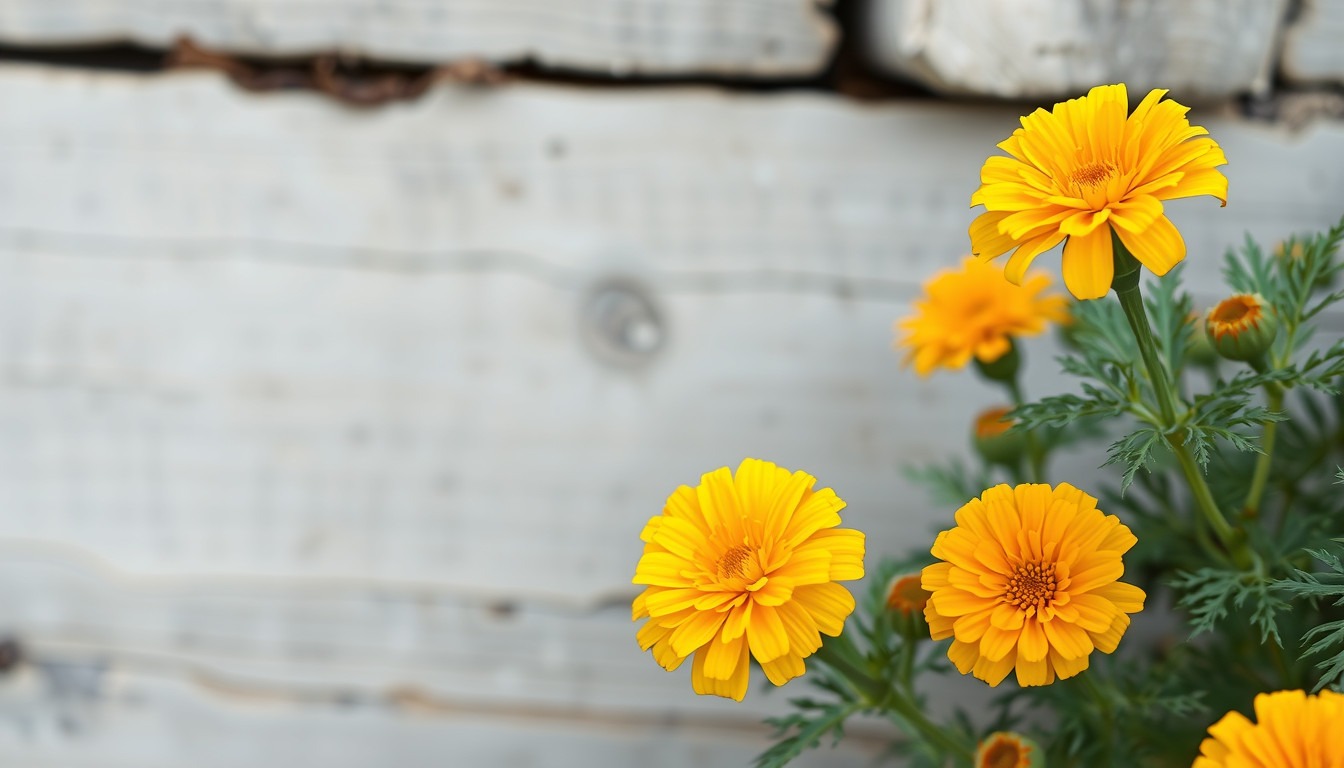
Seasonal Influences on Marigold Leaf Color: Summer vs. Winter
Seasonal changes significantly impact marigold foliage, with summer and winter presenting distinct challenges that can lead to yellowing leaves. Understanding these seasonal effects helps gardeners implement season-specific solutions to keep plants healthy.
Summer: Heat Stress and Drought Signs
During hot summer months, intense heat and dry conditions often cause marigold leaves to turn yellow and wilt. High temperatures increase water evaporation from leaves, leading to dehydration and stress. Symptoms include leaf curling, pale coloration, and early leaf drop.
To mitigate these effects, ensure consistent watering early in the day, avoiding water on leaves during peak heat to prevent scorching. Mulching around plants helps retain soil moisture. Be cautious not to overwater, as waterlogged soil combined with high heat can promote root rot.
Table of Contents
For example, if marigolds in your garden show yellow, droopy leaves during a heatwave, check soil moisture first. Adjust watering schedule to keep the soil evenly moist, not soggy.
Winter: Cold Damage and Reduced Light
In winter, cold temperatures and shorter daylight hours can cause marigold leaves to become pale, yellow, or brown. Frost damages the plant tissue, manifesting as speckled, browning, or chlorotic leaves. Reduced sunlight also hampers photosynthesis, weakening the plant’s overall vigor.
Protection strategies include mulching with straw or leaf litter to insulate roots and covering plants with frost cloths during cold snaps. Moving containers indoors or into a sheltered location can prevent frost damage.
For example, if you notice yellowing and browning leaves on your marigolds during winter, evaluate recent temperature drops. Providing extra insulation or moving plants indoors can help maintain healthier leaf color.
Effects of Seasonal Soil Conditions
Heavy clay soils or poorly draining substrates exacerbate seasonal stress for marigolds. During summer, such soils retain excess moisture, risking root rot, while in winter, waterlogged soils can freeze and damage roots. Ensuring proper soil drainage and adjusting pH as needed can support healthier growth year-round.
In summary, recognizing how summer heat and winter cold uniquely affect marigolds allows for targeted adjustments in watering, protection, and soil management. Regular diagnostics and proactive care help maintain vibrant, healthy foliage across seasons.
Diagnosing Nutrient Deficiencies and Soil Problems
Accurate soil assessment is essential for identifying causes of yellowing marigold leaves. Use simple tests and observation to determine deficiencies or soil issues.
Testing Soil pH and Nutrient Levels
Start with a soil test kit or send a sample to a local lab. Ideal pH for marigolds is slightly acidic to neutral (6.0–7.0). Deviations can hinder nutrient absorption. Look for low levels of nitrogen, iron, or magnesium, which often cause yellowing.
Recognizing Deficiency Symptoms
- Nitrogen deficiency: Old leaves turn pale and yellow, while new leaves remain green. Plants may look stunted.
- Iron deficiency: New growth exhibits yellowing with green veins, often called interveinal chlorosis.
- Magnesium deficiency: Yellowing begins on older leaves, with veins remaining green. Leaves may curl or drop prematurely.
Improving Soil Fertility and Drainage
If tests reveal deficiencies, amend the soil with organic matter such as compost or well-balanced fertilizers rich in the missing nutrients. For poor drainage issues, incorporate coarse material like sand or perlite to enhance aeration. Organic matter also helps buffer pH imbalances and boosts microbial activity, supporting nutrient uptake.
For example, when marigold leaves yellow on newer growth, test shows low iron levels. Applying chelated iron or iron-rich organic amendments can quickly restore proper levels. Always follow application instructions to avoid over-fertilizing, which can cause further stress.
Detecting the root of yellowing through soil tests and visual clues enables targeted interventions—preventing recurring issues and promoting lush, healthy foliage in all seasons.
Watering and Environmental Stress Management
Proper watering and environmental controls are vital to prevent yellowing marigold leaves. Adjust your practices seasonally and monitor plant responses to maintain healthy foliage.
Proper Watering Schedules for Warm and Cold Seasons
In summer, marigolds thrive with watering once or twice a week, depending on soil drainage and weather conditions. Ensure the soil remains moist but not waterlogged to prevent root rot. During winter, cut back on watering frequency; water only when the top inch of soil feels dry. Overwatering in cooler months can cause edema and other stress-related issues.
Signs of Overwatering and Underwatering
Overwatered plants often exhibit yellowing leaves, soggy stems, and poor root growth. Underwatered marigolds show wilted, yellowish foliage, and dry, brittle stems. A simple soil check by feeling the moisture level can guide correct watering. Remember, marigolds dislike soggy roots, which can promote pests and disease.
Mulching and Shelter to Minimize Stress
Applying mulch around your marigolds conserves soil moisture, moderates temperature swings, and protects roots from extreme weather conditions. Mulch also suppresses weeds, reducing competition for nutrients. Use organic mulches like straw, wood chips, or compost layers of 2-3 inches. During very hot days, providing shade or temporary shelter can reduce heat stress, while in winter, using frost cloths or row covers shields plants from cold injury.
Case in point: a gardener noticed yellow edges on her marigolds during a summer heatwave. By increasing watering frequency, applying mulch, and providing afternoon shade with a fabric cover, she observed a marked improvement, with healthier green foliage within days.
Remember, seasonal shifts impact watering needs. Regularly assess soil moisture, adjust your schedule accordingly, and implement stress-reduction measures when extreme weather occurs. This proactive care helps keep marigolds vibrant and prevents leaf yellowing caused by environmental stress.
Identifying and Managing Pests and Diseases Causing Yellowing
Yellowing marigold leaves may result from pests or diseases. Recognizing these issues early allows for effective, eco-friendly treatment to restore healthy foliage.
Common Pests: Aphids, Whiteflies, Spider Mites
- Aphids: Small, soft-bodied insects found on undersides of leaves. They excrete sticky honeydew, encouraging mold. Regular inspection and natural predators like ladybugs help control them.
- Whiteflies: Tiny, white, flying insects that cluster on leaf undersides. They weaken plants by sucking sap. Use insecticidal soap or neem oil for effective, organic control.
- Spider Mites: Minuscule pests causing stippling or webbing, often thriving in dry conditions. Increasing humidity and applying miticides or neem oil reduces infestations.
Signs of Disease: Powdery Mildew, Fungal Spots
- Powdery Mildew: White or gray powdery mold covering leaves, especially in humid or poor air circulation. Remove affected leaves and improve airflow.
- Fungal Spots: Dark, sunken lesions on foliage, often with yellow halos. Avoid overhead watering, prune affected areas, and apply fungicides when necessary.
Organic Pest and Disease Control Methods
Adopt eco-friendly strategies such as:
- Inspect plants regularly, paying special attention to undersides of leaves and stems.
- Use a strong jet of water to dislodge pests, promoting natural enemies.
- Apply neem oil or insecticidal soap at first sign of pests or disease, following manufacturer instructions.
- Maintain proper spacing between plants to ensure good air circulation, reducing humidity and fungal risk.
- Introduce beneficial insects like ladybugs or predatory mites to naturally reduce pest populations.
For example, a gardener noticed yellow patches and webbing on her marigolds. After inspecting, she identified spider mites. She used a neem oil spray and increased humidity around her plants, leading to a swift recovery and healthier green leaves within days.
Pruning, Cultural Practices, and Preventive Care
Maintaining healthy marigolds involves proper pruning, cultural routines, and consistent preventive care. These practices help keep foliage vibrant and reduce common issues like yellowing leaves.
Regular Deadheading and Thinning
Remove spent flowers to encourage continuous blooming and prevent plants from becoming overcrowded. Thinning overly dense foliage improves air circulation, which is crucial for reducing fungal problems and keeping leaves healthy.
Proper Spacing and Staking
Ensure you space marigolds adequately, typically about 8-12 inches apart, depending on the variety. Proper spacing minimizes competition for nutrients and air flow. Staking taller varieties can prevent stress-related leaf damage and reduce breakage that might expose the plant to pests or disease.
Seasonal Plant Care Routines
Adjust your care strategies based on the season. In summer, increase watering frequency due to heat, but avoid overwatering to prevent root rot. During winter, reduce watering and consider protective mulching to insulate roots from cold stress. Regularly inspect leaves for signs of pests or disease. Remove affected or yellowed leaves promptly to prevent spread.
For example, a gardener keeps marigolds healthy by deadheading weekly and ensuring proper plant spacing. She also practices pruning to remove yellow or damaged leaves, which helps new growth and minimizes disease risk. As a result, her marigolds maintain lush, green foliage even during peak heat.
Routine checklists include:
- Removing dead or diseased leaves
- Maintaining adequate spacing between plants
- Supporting taller varieties with stakes if needed
- Adjusting watering and fertilizing schedules seasonally
- Inspecting for pests and applying natural controls like neem oil
Consistent care, pruning, and preventive routines build resilient marigolds that withstand environmental stresses and keep their green, vibrant leaves all year round.
Long-term Prevention and When to Seek Expert Assistance
Developing a care routine and knowing when professional help is needed ensures healthy marigolds with vibrant green leaves year-round.
Monitoring and Routine Soil Testing
Regularly observe your marigolds for signs of stress, such as yellowing leaves or slowed growth. Incorporate routine soil testing using simple kits available at garden centers or send samples to local laboratories. Testing identifies nutrient imbalances, pH issues, or soil compaction that could contribute to yellow leaves. For example, persistent yellowing despite proper watering may indicate a deficiency in nitrogen or incorrect soil pH. Conducting tests every 6-12 months helps tailor your soil amendments to your plant’s needs.
Adjusting Care Based on Seasonal Changes
Seasonal shifts influence watering, fertilization, and protection strategies. In summer, marigolds need consistent watering during high temperatures but avoid overwatering to prevent root rot. Use mulch to conserve moisture and regulate soil temperature. During winter, reduce watering frequency, protect plants from frost with coverings, and consider relocating containers indoors if possible. Tailoring your care routines seasonal ensures your plants withstand temperature fluctuations and avoid stress-induced yellowing.
Indicators for Professional Advice
If yellowing persists despite corrected watering and soil amendments, it’s time to consult an expert. Signs include widespread yellowing, stunted growth, or pest infestations that you cannot control with DIY methods. A horticulturist or soil specialist can perform detailed analysis, recommend specific fertilizers, adjust soil chemistry, or diagnose underlying diseases. For instance, if soil tests reveal imbalanced pH or nutrient depletion after multiple interventions, professional guidance helps prevent ongoing decline.
By combining regular monitoring, seasonally adjusted practices, and expert consultation when needed, you can maintain healthy foliage and prevent long-term yellowing of marigold leaves.
Seasonal Treatment Adjustments for Yellowing Marigold Leaves
Understanding the specific challenges that each season presents allows you to tailor your care routine to prevent or correct yellowing leaves effectively. During summer, focus on managing heat stress through shading and proper watering while in winter, prioritize frost protection and soil insulation.
Summer-specific care tips
- Increase watering frequency early in the day to maintain soil moisture without waterlogging.
- Apply mulch to conserve soil moisture and keep roots cool.
- Provide temporary shade during peak afternoon heat using shade cloths or umbrellas.
Winter-specific care tips
- Use frost cloths or row covers to shield plants from cold damage.
- Relocate containers indoors or to sheltered spots when frost is forecasted.
- Insulate soil with organic mulches like straw to prevent freezing roots and reduce stress.
Diagnosing Symptoms for Precise Treatments
Effective treatment begins with accurate diagnosis. Yellowing leaves accompanied by wilting, leaf curl, or browning tips may indicate environmental stress or pest issues. In contrast, pale or interveinal yellowing signals nutrient deficiencies.
Step-by-step diagnosis process
- Inspect plants for pests such as aphids, whiteflies, or spider mites. Look for webbing, sticky residue, or webbing.
- Check soil moisture—feeling the soil or using a moisture meter can help determine over- or underwatering.
- Examine affected leaves for signs of disease, such as powdery mildew or fungal spots.
- Perform a soil test to assess pH and nutrient levels, especially if deficiencies are suspected.
Interpreting soil test results
Look for pH values outside the optimal range of 6.0–7.0. Low pH impairs iron and magnesium uptake, causing yellowing, while high pH can lock out nitrogen. Adjust soil pH with amendments such as sulfur (to lower pH) or lime (to raise pH). Ensure nutrient levels, particularly nitrogen, iron, and magnesium, meet recommended ranges. Supplement with organic amendments or chelated nutrients as needed, following soil test recommendations for precise correction.
Practical Cultural Practices to Maintain Green Foliage
- Perform regular deadheading and thinning to improve air circulation, reduce fungal problems, and promote vigorous, healthy growth.
- Ensure adequate spacing (8-12 inches apart) to avoid overcrowding that can trap humidity and reduce airflow.
- Support tall varieties with staking to prevent mechanical stress or breakage that exposes inner foliage to pests and disease.
- Prune yellowed or damaged leaves promptly to encourage new, healthy growth and prevent disease spread.
Distinguishing Pest/Disease Symptoms from Nutrient Deficiencies
While nutrient deficiencies often cause yellowing, similar symptoms can result from pest or disease damage. For example, stippling or webbing on leaves indicates spider mites, while white or gray powdery spots suggest powdery mildew. To differentiate:
- Inspect underside of leaves for pests such as tiny insects or spiders.
- Look for signs of pathogens like mold, lesions, or distorted growth patterns.
- If pests are visible, treat with organic controls (neem oil, insecticidal soap). For diseases, prune affected tissue and apply appropriate fungicides.
By carefully observing symptoms and integrating seasonally adjusted practices, you can effectively manage yellowing leaves and maintain vibrant, healthy marigolds year-round.
Frequently Asked Questions
Why do my marigold leaves turn yellow in summer?
Yellowing leaves in summer are often caused by heat stress, drought conditions, or overexposure to direct sunlight. High temperatures increase water evaporation, leading to dehydration and nutrient imbalance. Ensuring consistent watering early in the day, using mulch to retain soil moisture, and providing some shade during peak heat can mitigate these effects.
How can I fix yellowing leaves caused by overwatering?
Overwatering leads to waterlogged soil, suffocating roots and promoting root rot, which manifests as yellow leaves. To fix this, stop watering until the soil dries out, improve drainage by adding coarse material like sand or perlite, and remove any affected roots. Consistently monitor soil moisture to avoid future overwatering.
Are yellow leaves in winter normal for marigolds?
Some yellowing or browning of leaves in winter can be normal due to cold damage or reduced light levels. Protecting marigolds from frost with mulching, covering, or moving containers indoors helps maintain healthier foliage. Winter stress can be mitigated with proper insulation and reduced watering.
What nutrient deficiencies cause marigold leaves to yellow?
Common deficiencies include nitrogen, iron, and magnesium. Nitrogen deficiency causes older leaves to yellow while new growth remains green. Iron deficiency results in yellowing with green veins (interveinal chlorosis), particularly in new leaves. Magnesium deficiency typically causes older leaves to yellow, with veins staying green. Soil testing helps identify and correct these deficiencies with appropriate amendments.
How do pests like aphids or whiteflies affect marigolds?
Pests such as aphids and whiteflies feed on plant sap, weakening marigolds and causing leaves to yellow, curl, and distort. They can also transmit diseases. Regular inspection and removal of pests, along with natural or organic insecticidal treatments, help control infestations and protect plant health.
Sources and further reading
- Yellow Leaves On Marigolds – Reasons Marigold Leaves Are Turning Yellow | Gardening Know How
- I’m concerned about my marigold seedlings, some of their …
- Why Plant Leaves Turn Yellow and How to Fix Them
- Pale, Sickly Marigold – Ask Extension
- Reasons Your Plants are Turning Yellow + How to Fix It
- How to Plant and Grow Marigolds