
Mastering Integrated Pest Management (IPM) is essential for anyone passionate about nurturing tropical plants. By embracing IPM, we can protect our greenery and cultivate a thriving ecosystem. For more insights, check out the Ultimate Guide to Pest Control for Tropical Plants.
Table of Contents
Understanding Integrated Pest Management (IPM)
Definition of Integrated Pest Management
Integrated Pest Management, or IPM, is a holistic approach to pest control that combines various strategies to prevent and manage pest populations effectively. Rather than relying solely on chemical pesticides, IPM emphasizes understanding the pest’s life cycle, behavior, and the environmental factors that affect their presence. It’s about creating a balanced ecosystem where beneficial organisms can thrive while keeping harmful pests at bay. I’ve embraced this approach in my own gardening journey, and it has made a world of difference.
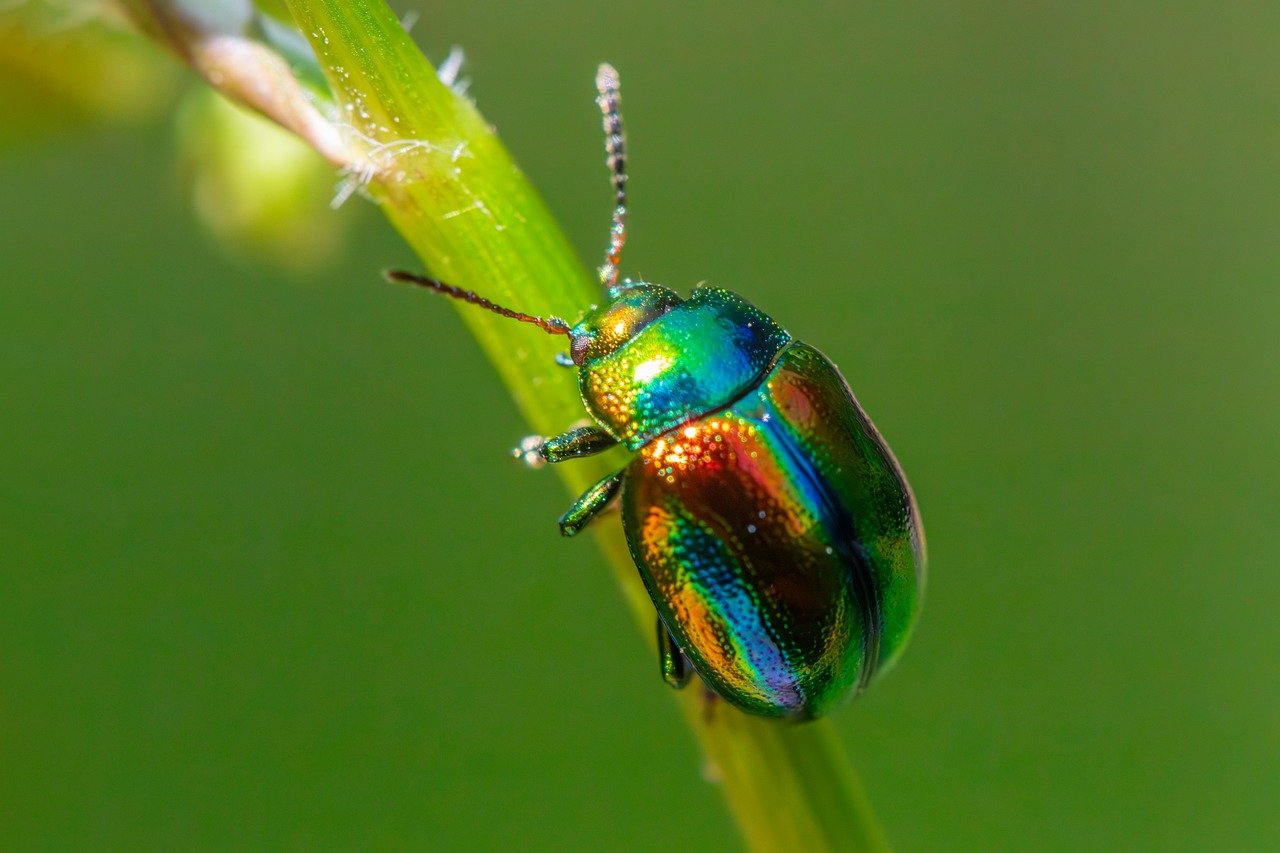
Importance of IPM for Tropical Plants
Tropical plants are uniquely beautiful but also incredibly vulnerable to a wide array of pests and diseases. The humid, warm climates that foster lush growth also create ideal conditions for pests. Implementing IPM allows us to protect our tropical plants without resorting to heavy pesticide use, which can harm beneficial insects and the environment. I remember the first time I noticed my hibiscus wilting due to aphids. Instead of spraying pesticides, I turned to IPM practices, which helped me restore my plant’s health while keeping the garden ecosystem intact. It’s a rewarding feeling to see plants thrive naturally.
Key Principles of IPM
IPM involves several key principles that guide our pest management strategies. Here are the core components that I’ve learned to prioritize in my gardening practices:
- Prevention: The first line of defense is always prevention. This means selecting disease-resistant plant varieties, maintaining healthy soil, and ensuring proper watering and light conditions. I’ve found that by focusing on healthy plants, I can significantly reduce pest problems.
- Monitoring: Regularly checking your plants for signs of pests is crucial. I make it a habit to inspect my tropical plants weekly, looking for any unusual changes. This helps catch problems early before they escalate.
- Identification: Knowing what pests are present is vital. I often use field guides and online resources to identify pests correctly. This knowledge allows me to choose the most effective management strategies.
- Control Methods: IPM promotes a variety of control methods, including cultural, biological, and chemical controls. Each method has its place, and I’ve learned to use them in combination for the best results.
- Evaluation: Finally, evaluating the effectiveness of your IPM strategy is essential. After trying a new method, I take notes on what worked and what didn’t, helping me refine my approach for future seasons.
Adopting these principles has transformed my approach to gardening, making it more sustainable and fulfilling.
Common Pests Affecting Tropical Plants
Insects
When it comes to insects, tropical plants face a range of threats. I’ve encountered several that I’ve had to learn to manage effectively:
Whiteflies
Whiteflies are notorious for infesting tropical plants, feeding on sap and transmitting diseases. I first spotted them clinging to the undersides of my leaves, and they can quickly multiply. I’ve found that introducing natural predators like ladybugs can help keep their populations in check.
Spider Mites
Spider mites thrive in hot, dry conditions, often leaving a fine webbing on leaves. They suck the juices from plants, leading to yellowing and stunted growth. I’ve had success using water sprays to knock them off the plants and increase humidity around plants to deter them.
Aphids
Aphids are small but mighty pests that can cause significant damage to young plants. I remember seeing them cluster on new growth, causing it to curl and distort. I’ve learned to use insecticidal soap as a gentle yet effective treatment, and I’ve also seen beneficial insects like lacewings help control their numbers.
Diseases
Diseases can be just as damaging as pests. In my experience, here are a few common ones to watch out for:
Fungal Infections
Fungal infections, such as powdery mildew and root rot, can thrive in the humid conditions typical of tropical environments. I’ve found that ensuring good air circulation and avoiding overhead watering helps prevent these issues.
Bacterial Diseases
Bacterial wilt and soft rot can devastate tropical plants. I always try to keep my tools clean and avoid working in wet conditions to minimize the risk of spreading bacteria. Prevention is key!
Viral Infections
Viral infections can be tricky because they often don’t show symptoms until it’s too late. I’ve learned to remove and destroy infected plants immediately to prevent the spread of viruses in my garden.
Nematodes
Nematodes are microscopic worms that can cause significant damage to plant roots. They often go unnoticed until plants start to wilt. I’ve found that rotating crops and using nematode-resistant varieties can help manage their populations effectively.
Monitoring and Identifying Pests
Methods for Pest Monitoring
Monitoring pests is one of the most crucial steps in the IPM process. By keeping a watchful eye on our plants, we can catch pest problems before they get out of control. Here are some methods that I’ve found particularly effective:
Visual Inspections
One of the simplest yet most effective methods is conducting visual inspections. I make it a habit to walk through my garden regularly, examining leaves, stems, and soil for any signs of trouble. It’s amazing how much you can learn just by looking closely. I often check for discoloration, unusual growth patterns, or any sticky residue that might indicate pests. This routine has helped me become more aware of the health of my plants and has allowed me to address issues promptly.
Pest Traps
Pest traps are another handy tool in my pest management toolkit. I’ve used sticky traps, which are particularly effective for catching flying insects like whiteflies and fungus gnats. After placing them around my plants, I can easily monitor pest populations without needing to inspect every single plant constantly. It’s fascinating to see which pests are present, and it helps me determine whether I need to take further action. For more information on effective pest management, check out Effective Strategies to Manage Common Tropical Garden Pests.
Identifying Pest Species
Once I notice pests, identifying them correctly is the next vital step. Misidentifying a pest can lead to ineffective treatments, which I’ve learned the hard way. Here are some of the methods I recommend for identifying pest species:
Using Field Guides
Field guides have been invaluable in my journey of pest identification. I keep a couple of comprehensive guides in my gardening shed, filled with pictures and descriptions of common pests and beneficial insects. When I spot an unfamiliar bug, I flip through the pages to find a match. It’s a bit like a treasure hunt, and it has really deepened my understanding of the ecosystem in my garden.
Laboratory Identification
For more challenging identifications, I’ve sometimes turned to local agricultural extension services that offer laboratory identification. If I’m dealing with a pest that seems particularly stubborn or if I notice unusual symptoms, I take a sample to the lab for a definitive ID. This has helped me avoid guesswork and implement the right management strategies.
Cultural Control Strategies
Soil Management
One area I’ve focused on is soil management. Healthy soil is the foundation of a thriving garden. I prioritize organic matter and beneficial microbes, which help my plants resist pests and diseases. I regularly amend my soil with compost and organic fertilizers to ensure my plants have the nutrients they need. When the soil is healthy, my plants seem more resilient, and pest problems decrease.
Plant Selection and Diversity
Choosing the right plants is another cultural strategy I implement. I often opt for native plants or those known to be resistant to local pests. Additionally, I’ve learned that planting a variety of species can create a more balanced ecosystem. I’ve started mixing flowering plants with my tropical varieties to attract beneficial insects, like pollinators and predatory bugs. This diversity not only beautifies my garden but also reduces the likelihood of pest outbreaks.
Crop Rotation Techniques
Crop rotation is a practice I’ve embraced to manage pests and diseases effectively. By changing the types of plants I grow in specific areas each season, I disrupt the life cycles of pests that might become established in the soil. For instance, after growing tomatoes in one bed, I rotate to beans or other legumes. This technique has not only helped control pests but has also improved soil health.
Water Management Practices
Water management is another critical aspect I pay attention to. Overwatering can lead to root rot and create a haven for pests like fungus gnats. I’ve learned to water my plants deeply but less frequently, allowing the soil to dry out between waterings. This approach not only keeps my plants healthier but also discourages pests that thrive in overly moist conditions.
Biological Control Methods
Beneficial Insects
One of my favorite aspects of IPM is utilizing beneficial insects for pest control. I’ve discovered that these tiny allies can make a big difference in maintaining a healthy garden.
Ladybugs
Ladybugs are among my top allies. These charming little beetles are voracious eaters of aphids, which have been a persistent issue in my garden. I remember the first time I released a batch of ladybugs in my flower beds. Within a few days, I noticed a significant drop in aphid populations. It was a satisfying sight, knowing I had harnessed nature’s own pest control.
Predatory Wasps
Another group of beneficial insects I’ve become familiar with is predatory wasps. These tiny creatures target pests like caterpillars and whiteflies. I’ve found that by encouraging a habitat for them—like planting nectar-rich flowers—I can keep their populations thriving in my garden. It’s incredible how the balance of nature can work wonders when we give it a chance.
Biological Control Methods
Beneficial Insects
Utilizing beneficial insects in my garden has been one of the most gratifying aspects of practicing IPM. Beyond just controlling pests, these little creatures bring a sense of balance to the ecosystem. The more I learn about them, the more I appreciate their role in maintaining plant health.
Ladybugs
Ladybugs, or ladybird beetles, have become my go-to allies. These adorable insects are not only a gardener’s favorite but also ruthless fighters against aphids. I remember the first time I released a batch into my garden. I watched in awe as they scuttled around, feasting on the aphids that had been wreaking havoc on my plants. It was a simple yet powerful reminder of nature’s way of keeping things in check. I’ve also found that creating a diverse garden with lots of flowers helps attract ladybugs and keep their populations steady.
Predatory Wasps
Another beneficial insect I’ve learned to appreciate is the predatory wasp. Unlike their more notorious relatives, these wasps are gentle and don’t sting humans. They target common pests like caterpillars and whiteflies, acting as natural pest control agents. I started planting nectar-rich flowers, which provide food for adult wasps, thus encouraging them to stay in my garden. It’s fascinating to see how these tiny creatures help manage pest populations just by existing and thriving in a balanced environment.
Microbial Control Agents
In addition to beneficial insects, microbial control agents have played a significant role in my pest management strategy. These include various bacteria and nematodes that can target pests effectively while being safe for my plants and the environment.
Bacillus thuringiensis (Bt)
Bacillus thuringiensis (Bt) has been a game-changer for me when dealing with caterpillars. This bacteria produces a toxin that specifically targets the digestive systems of certain pests, causing them to stop feeding and eventually die off. I remember applying it for the first time on my cabbage plants, which were under siege from pesky caterpillars. The results were impressive! With Bt, I could control the caterpillars without harming beneficial insects or other wildlife. I appreciate how it offers a selective solution, targeting only the unwanted pests, leaving the rest of my garden intact.
Entomopathogenic Nematodes
Entomopathogenic nematodes are another fascinating aspect of my biological control methods. These microscopic worms seek out insects in the soil, enter their bodies, and release bacteria that kill the host. I was initially skeptical about using them, but after learning more about their effectiveness against soil-dwelling pests like grubs, I decided to give them a try. I applied them in areas where I had noticed signs of root damage. It was enlightening to see how these tiny allies could help protect my plants from below ground!
Chemical Control Options
Types of Pesticides
While I prefer using natural methods whenever possible, there are times when chemical control options might be necessary. It’s crucial to use them responsibly and as a part of an integrated approach. I’ve learned about different types of pesticides that can be beneficial when used correctly.
Insecticides
Insecticides are designed to target specific insect pests. I’ve experimented with several types, including those derived from natural sources like neem oil. This oil comes from the seeds of the neem tree and disrupts the life cycle of insects without harming beneficial organisms. I remember an instance when I had to use neem oil on my garden after a severe aphid infestation. It worked wonders, and I felt good knowing I was using a product that’s less harmful to the environment.
Fungicides
Fungicides help control fungal infections, which can be devastating to tropical plants. When I first noticed powdery mildew on my plants, I opted for a fungicide that was less harsh on beneficial microbes present in the soil. It was a tough decision, but taking a targeted approach helped manage the problem without compromising the health of my garden ecosystem. I’ve realized that using fungicides with care and precision can be a part of my IPM strategy when other methods fall short.
Application Techniques
How I apply pesticides is as important as the type I choose. I’ve discovered that effective application techniques can make a big difference in minimizing harm to beneficial organisms and maximizing the effectiveness of the pesticides.
Foliar Sprays
Foliar sprays are a common method for applying insecticides and fungicides. I often spray the solution directly onto the leaves of my plants, targeting the pests where they live. I tend to do this early in the morning or late in the afternoon to avoid harming beneficial insects that are active during the day. This timing has helped me feel more confident in my pesticide use, as I’m taking steps to minimize the impact on non-target species.
Soil Drenches
Soil drenches are another technique I’ve found effective, especially for dealing with root pests and fungal issues in the soil. I mix the pesticide with water and pour it directly onto the soil around the plant’s base. This method ensures that the plant can absorb the treatment effectively. It’s a more targeted approach that has led to positive results in managing pests without widespread applications that could impact beneficial organisms.
Safety Precautions When Using Chemicals
Safety is paramount when using chemical pesticides, and I’ve taken several precautions to protect myself, my family, and my pets. I always read the labels and follow the instructions carefully, ensuring that I’m using the right dosage and application method. I wear protective gear, such as gloves and masks, when handling these products. Furthermore, I make sure to keep chemicals stored safely out of reach, especially when children are around. It’s crucial to respect the power of these substances and use them responsibly.
Frequently Asked Questions
What is Integrated Pest Management (IPM)?
Integrated Pest Management, or IPM, is a holistic approach to pest control that combines various strategies to prevent and manage pest populations effectively. It emphasizes understanding the pest’s life cycle, behavior, and environmental factors, rather than relying solely on chemical pesticides.
Why is IPM important for tropical plants?
Tropical plants are vulnerable to a wide array of pests and diseases due to their humid, warm climates. Implementing IPM allows for the protection of these plants without heavy pesticide use, which can harm beneficial insects and the environment.
What are the key principles of IPM?
The key principles of IPM include prevention, monitoring, identification, control methods, and evaluation. These principles help create a sustainable approach to managing pests effectively.
What common pests affect tropical plants?
Tropical plants face several common pests, including whiteflies, spider mites, and aphids. Each of these can cause significant damage if not managed properly.
What diseases should gardeners watch out for in tropical plants?
Common diseases affecting tropical plants include fungal infections like powdery mildew and root rot, bacterial diseases such as bacterial wilt and soft rot, viral infections, and damage from nematodes.
How can gardeners monitor pests effectively?
Effective pest monitoring can be done through visual inspections and using pest traps. Regularly checking for signs of trouble and setting up sticky traps can help in identifying pest populations early.
What are some cultural control strategies for managing pests?
Cultural control strategies include soil management, plant selection and diversity, crop rotation techniques, and proper water management practices to create a healthier garden environment.
What role do beneficial insects play in IPM?
Beneficial insects, such as ladybugs and predatory wasps, help control pest populations naturally. They can significantly reduce pests like aphids and caterpillars by preying on them.
What types of chemical control options are available in IPM?
IPM may involve chemical control options such as insecticides and fungicides. These should be used responsibly and as part of an integrated approach, ensuring minimal harm to beneficial organisms.
What safety precautions should be taken when using chemical pesticides?
When using chemical pesticides, it’s crucial to read labels carefully, follow instructions, wear protective gear, and store chemicals safely out of reach of children and pets to ensure safety.