
Bringing the beauty of the tropics indoors is a journey filled with lush greenery and vibrant colors. With the right care, indoor tropical plants can thrive, transforming your home into a serene paradise. For more insights, check out our article on Indoor Tropical Plant Care: Tips for Every Variety’s Needs.
Table of Contents
Understanding Indoor Tropical Plants
What Are Tropical Plants?
Tropical plants are species that thrive in warm, humid environments typically found near the equator. They flourish under consistent temperatures and moisture, which makes them a bit different from the hardier plants we might be used to. I remember the first time I brought a tropical plant home; I was amazed by how quickly it adapted to my indoor environment. The beauty of these plants lies not only in their vibrant leaves but also in their unique adaptability. They require specific care to mimic their natural habitat, which can be a delightful challenge for any plant lover.
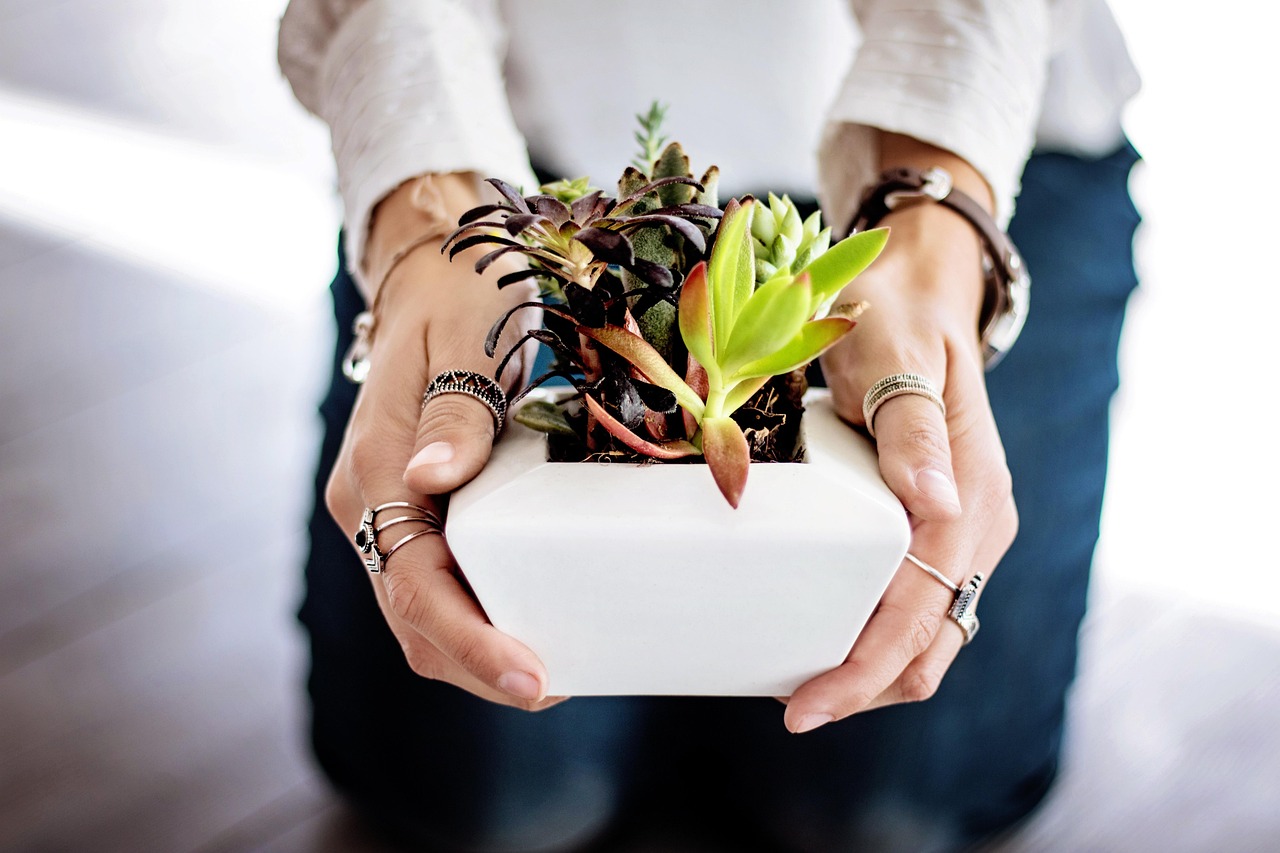
Popular Indoor Tropical Plants
When it comes to indoor tropical plants, there are several favorites that I’ve come to adore. The Fiddle Leaf Fig, with its large, glossy leaves, is a showstopper in any room. I’ve also found that the Snake Plant is an excellent choice for beginners; it’s almost impossible to kill! Pothos is another fantastic option, known for its trailing vines that can effortlessly cascade down shelves or hang from pots. The Bird of Paradise, with its stunning foliage and dramatic flowers, adds a touch of exotic flair that’s hard to resist. Each of these plants has its charm and personality, making them wonderful companions in our homes.
Benefits of Indoor Tropical Plants
There are so many reasons to invite tropical plants into our spaces. For starters, they can improve air quality, filtering out toxins and releasing oxygen. I’ve noticed that having plants around helps me feel more relaxed and connected to nature, even when I’m indoors. The vibrant colors and unique shapes of tropical plants can also enhance the aesthetic appeal of any room, making it feel more alive and inviting. Plus, tending to these plants can be a rewarding hobby, giving us a sense of purpose and achievement as we watch them grow and thrive.
Essential Care Requirements
Light Requirements for Tropical Plants
One of the most critical aspects of caring for tropical plants is understanding their light needs. Most tropical plants prefer bright, indirect sunlight. I usually position my plants near a window with filtered light to ensure they get enough brightness without being scorched. If you notice your plant stretching towards the light, it’s a sign it needs more. Conversely, brown, crispy leaves might indicate too much direct sunlight. In my experience, adjusting the plant’s location can make all the difference in its health and happiness.
Watering Techniques and Schedules
Watering tropical plants can be a bit tricky, but it’s essential to get it right. I used to overwater, thinking more was better, but I quickly learned that tropical plants prefer to dry out slightly between waterings. I check the top inch of soil; if it feels dry, it’s time to water. I’ve found that using room-temperature water is best, as cold water can shock the roots. Also, ensure that the pots have proper drainage to prevent root rot, which is something I’ve unfortunately encountered a couple of times!
Humidity Needs for Tropical Plants
Tropical plants thrive in high humidity, which can be a challenge in drier climates or during winter months. I’ve tried a few methods to boost humidity around my plants. One of my favorites is placing a humidifier nearby, which works wonders. Another simple trick is to group my plants together; they naturally create a microclimate of humidity. You could also mist your plants occasionally, but I prefer using a pebble tray filled with water underneath the pots to keep the moisture consistent. My plants always seem happier when they have that extra humidity boost!
Soil Selection and Fertilization
Choosing the right soil is crucial for tropical plants. I always opt for a well-draining potting mix, often one designed specifically for tropical or houseplants. This helps prevent water from sitting around the roots, which can lead to rot. As for fertilization, I’ve found that feeding my plants every few weeks during the growing season with a balanced liquid fertilizer keeps them healthy and vibrant. I like to dilute it to half-strength to avoid over-fertilizing, which can do more harm than good. Keeping an eye on their growth and adjusting my care routine based on what they need has been key to my success with these beautiful plants. For more detailed care tips, check out Essential Care Tips for Thriving Indoor Tropical Plants.
Common Indoor Tropical Plant Varieties
Fiddle Leaf Fig (Ficus lyrata)
The Fiddle Leaf Fig truly stands out as one of the most popular indoor tropical plants. I remember when I first laid eyes on its large, violin-shaped leaves; I was instantly captivated. This plant can grow quite tall, making it a striking focal point in any room. However, I learned early on that it can be a bit finicky. It loves bright, indirect light but doesn’t appreciate sudden changes in its environment. I found that keeping it consistent helped it thrive. It’s essential to rotate it occasionally to ensure all sides get equal light, preventing it from leaning and growing unevenly. And don’t be surprised if it drops a few leaves; this is part of its adjustment process!
Snake Plant (Sansevieria)
The Snake Plant is another favorite of mine, especially because it’s practically foolproof. I used to joke that this plant could survive a nuclear disaster! Its tall, upright leaves are not only beautiful but also incredibly tough. They do well in low light, though they prefer some indirect sunlight. I’ve found that they’re excellent at purifying the air, so I like to place them in bedrooms or home offices. One thing I’ve learned is to let the soil dry out completely between waterings; overwatering can lead to root rot. With minimal care, I’ve watched it thrive and flourish, making it a must-have in my plant collection.
Pothos (Epipremnum aureum)
Pothos has quickly become one of my go-to plants. Its trailing vines create a beautiful cascade of greenery, which I absolutely love. I remember when I first got a cutting; it took off so quickly that I had to find new ways to display it. I’ve found that Pothos is super forgiving, making it perfect for beginners. It can thrive in a variety of light conditions, though it flourishes best in bright, indirect light. I often pin some vines to a trellis or let them drape down from shelves. Plus, the different varieties, like the Golden Pothos or Marble Queen, add even more visual interest to my space!
Bird of Paradise (Strelitzia reginae)
The Bird of Paradise is a showstopper in every sense. I can’t help but feel a little transported to a tropical island when I see its striking flowers and broad leaves. While it can take some time to flower indoors, the wait is worth it. I’ve found that it prefers bright, direct sunlight, so I make sure to place it in a spot where it can soak up those rays. Regular watering during the growing season is key, but I always let the top inch of soil dry out before giving it a drink. The stunning foliage and potential for those gorgeous flowers make this plant a rewarding choice for any indoor garden.
Identifying and Managing Pests and Diseases
Common Pests Affecting Tropical Plants
While caring for my tropical plants, I’ve learned that pests can be a real nuisance. Aphids and spider mites are among the most common culprits. I remember the first time I spotted tiny bugs on my Pothos; I was devastated! I quickly realized that regular inspections were essential. I now make it a habit to check the undersides of leaves and around the stems. If I notice any pests, I often use a damp cloth to wipe them away, or I mix a bit of dish soap in water and spray it on the affected areas. This has worked well for me, helping to keep infestations at bay.
Signs of Plant Disease
Recognizing signs of disease in my plants has been a learning curve. Yellowing leaves, wilting, or black spots can indicate underlying issues. I once ignored yellowing leaves on my Fiddle Leaf Fig, thinking it was just a normal part of growth, but soon enough, it was a sign of overwatering. Now, I pay close attention to how my plants respond to changes in care. I’ve found that addressing any issues early on can save my plants from further decline. If I’m uncertain, I do a bit of research and often consult plant care forums where I can connect with other plant enthusiasts who share their experiences.
Organic Pest Control Methods
When it comes to managing pests organically, I’ve experimented with a few methods that have proven effective. Neem oil is one of my favorites; it’s natural and works wonders against a variety of pests. I mix it with water according to the instructions and spray it on my plants, ensuring I cover both sides of the leaves. Diatomaceous earth is another option I’ve used to deter pests; sprinkling it around the base of my plants has helped keep the bugs away. I prefer these methods because they’re safe for my pets and the environment while still being tough on unwanted visitors.
When to Seek Professional Help
Sometimes, despite our best efforts, we might encounter a situation that feels overwhelming. I’ve been there, too. If I notice persistent pest problems or diseases that don’t seem to improve, I’ve learned that seeking professional help can be beneficial. Local plant nurseries or extension services often have experts who can provide insights specific to my area and plant types. They can help diagnose issues and recommend treatments that might not be readily available at home. It’s reassuring to know that I don’t have to navigate these challenges alone!
Seasonal Care Tips
Winter Care for Tropical Plants
Winter can be a challenging time for our tropical plants. I’ve noticed that as the temperatures drop and daylight hours shorten, these plants often need extra attention. One of the first things I do is to monitor the temperature in my home. Tropical plants generally thrive in temperatures between 65°F to 85°F. I make sure not to place them near drafty windows or vents, as sudden temperature changes can stress them out. I remember one winter when my Bird of Paradise seemed to sulk; it turned out I had moved it too close to a draft, and it took a while for it to bounce back.
Humidity is another big factor during winter. With heaters running, the air can get quite dry, which isn’t ideal for tropical plants. To combat this, I often set up a humidifier in the room or place trays filled with water and pebbles near my plants. This not only enhances the humidity but also adds a lovely aesthetic to my space. Regularly misting my plants is something I also do, though I prefer to keep it consistent to avoid overly wet leaves that could lead to mold.
Summer Care for Tropical Plants
Summer, on the other hand, brings its own set of challenges and joys. The increased sunlight can be a boon for growth, but I’ve learned that it also means I need to watch for signs of too much light. I typically move my plants around to find their happy spot. For instance, my Snake Plant loves the bright light, but I’ve found that my Pothos prefers a bit of shade during the hottest parts of the day. Observing how they respond to the changing light has been a rewarding part of my gardening journey.
Watering becomes more frequent in the summer, as the heat can dry out the soil faster. I’ve found that checking the moisture levels more often is key. I usually stick my finger into the soil—if it feels dry an inch down, it’s time for a drink. I also like to give my plants a little extra love during this season by using diluted liquid fertilizer every few weeks, which seems to give them a growth spurt I can’t help but admire.
Adjusting Care for Seasonal Changes
Adapting to seasonal changes has been one of the most important lessons I’ve learned as a plant parent. I remember one year when I didn’t adjust my watering schedule as the seasons changed, and I lost a few plants to overwatering. Now, I keep a journal to track each plant’s care needs through the seasons, which has been incredibly helpful. I note the light conditions, watering frequency, and even how they’re responding to temperature changes. This systematic approach has made it easier to modify their care based on what each season brings.
Another thing I’ve done is to educate myself about seasonal pests that might emerge. Some pests thrive in warmer months, so I make it a point to inspect my plants more frequently, especially before summer begins. I’ve learned that being proactive rather than reactive is the way to go when it comes to keeping my tropical friends healthy and flourishing.
Propagation Techniques for Indoor Tropical Plants
Cuttings and Divisions
Propagation is one of the most exciting aspects of indoor gardening for me. The thrill of watching a new plant grow from a cutting has been a rewarding experience. I usually start with cuttings from my Pothos or Snake Plant because they root so easily. For Pothos, I cut a vine just below a node and place it in water. It’s amazing how quickly roots can develop; within a few weeks, I have a new plant ready to pot! I love sharing these propagated plants with friends; it feels great to give a little piece of my green family to others. For those interested in more propagation methods, I recommend reading about Propagating Elephant Ear Plant – Simple & Easy Method.
For larger plants like the Fiddle Leaf Fig, I’ve also tried dividing them when they become root-bound. This involves gently removing the plant from its pot and separating the root ball into smaller sections. It’s a bit nerve-wracking, but seeing the plant thrive after division makes it worth the risk!
Water Propagation vs. Soil Propagation
When it comes to choosing between water propagation and soil propagation, I have my personal preferences. For me, water propagation feels like a magical process as I can watch the roots grow. However, I’ve discovered that some plants do better when propagated directly in soil. For instance, my Snake Plant seems to prefer starting off in a well-draining potting mix. I’ve found that it establishes roots more quickly that way. Experimenting with both methods has helped me understand what works best for each plant, and it’s been a fun journey of trial and error!
Best Practices for Successful Propagation
In my experience, there are a few best practices that can really enhance the success of propagation. First, using clean, sharp tools to take cuttings is crucial to avoid introducing any diseases. I always make sure to sterilize my scissors before cutting. Second, keeping the environment humid can boost root development. I often cover my cuttings with a plastic bag or a clear container to maintain moisture until they establish roots. Lastly, patience is key! I initially found myself checking for roots too often, but I’ve learned to give them time to adjust and thrive.
Frequently Asked Questions
What are tropical plants?
Tropical plants are species that thrive in warm, humid environments typically found near the equator. They require specific care to mimic their natural habitat, which can be a delightful challenge for any plant lover.
What are some popular indoor tropical plants?
Popular indoor tropical plants include the Fiddle Leaf Fig, Snake Plant, Pothos, and Bird of Paradise. Each of these plants has unique characteristics that make them wonderful companions in our homes.
What light conditions do tropical plants prefer?
Most tropical plants prefer bright, indirect sunlight. It’s important to position them near a window with filtered light to avoid scorching and to adjust their location if they show signs of stretching or browning leaves.
How often should I water my tropical plants?
Tropical plants prefer to dry out slightly between waterings. It’s best to check the top inch of soil; if it feels dry, it’s time to water. Using room-temperature water and ensuring proper drainage is crucial to prevent root rot.
What humidity levels do tropical plants need?
Tropical plants thrive in high humidity. To boost humidity, you can use a humidifier, group plants together, mist them occasionally, or use a pebble tray filled with water underneath the pots.
How do I choose the right soil for tropical plants?
Choosing a well-draining potting mix, often designed specifically for tropical or houseplants, is crucial. This helps prevent water from sitting around the roots, which can lead to rot.
What are common pests affecting tropical plants?
Common pests affecting tropical plants include aphids and spider mites. Regular inspections and using methods like wiping leaves or spraying with a diluted soap solution can help manage these pests.
What signs indicate that my plant may be diseased?
Signs of plant disease include yellowing leaves, wilting, or black spots. Paying attention to these signs and addressing issues early can help prevent further decline.
How can I propagate my indoor tropical plants?
Propagation can be done through cuttings or divisions. For cuttings, place them in water or soil, depending on the plant’s preference. Keeping the environment humid and using clean tools enhances success.
What should I do during winter to care for my tropical plants?
During winter, monitor the temperature and humidity levels. Ensure tropical plants are kept at temperatures between 65°F to 85°F and use a humidifier or pebble trays to combat dry air.