
Moon cactus propagation is primarily achieved through grafting techniques, as the colorful top (Gymnocalycium mihanovichii) lacks chlorophyll and cannot survive independently. This guide will explore effective methods for propagating moon cacti, focusing on grafting, care tips, and troubleshooting common issues.
Understanding Moon Cactus and Its Unique Propagation Needs
The moon cactus, a vibrant ornamental plant, requires specific propagation methods due to its unique structure. This section will clarify the anatomy of the moon cactus and why grafting is essential for its survival.
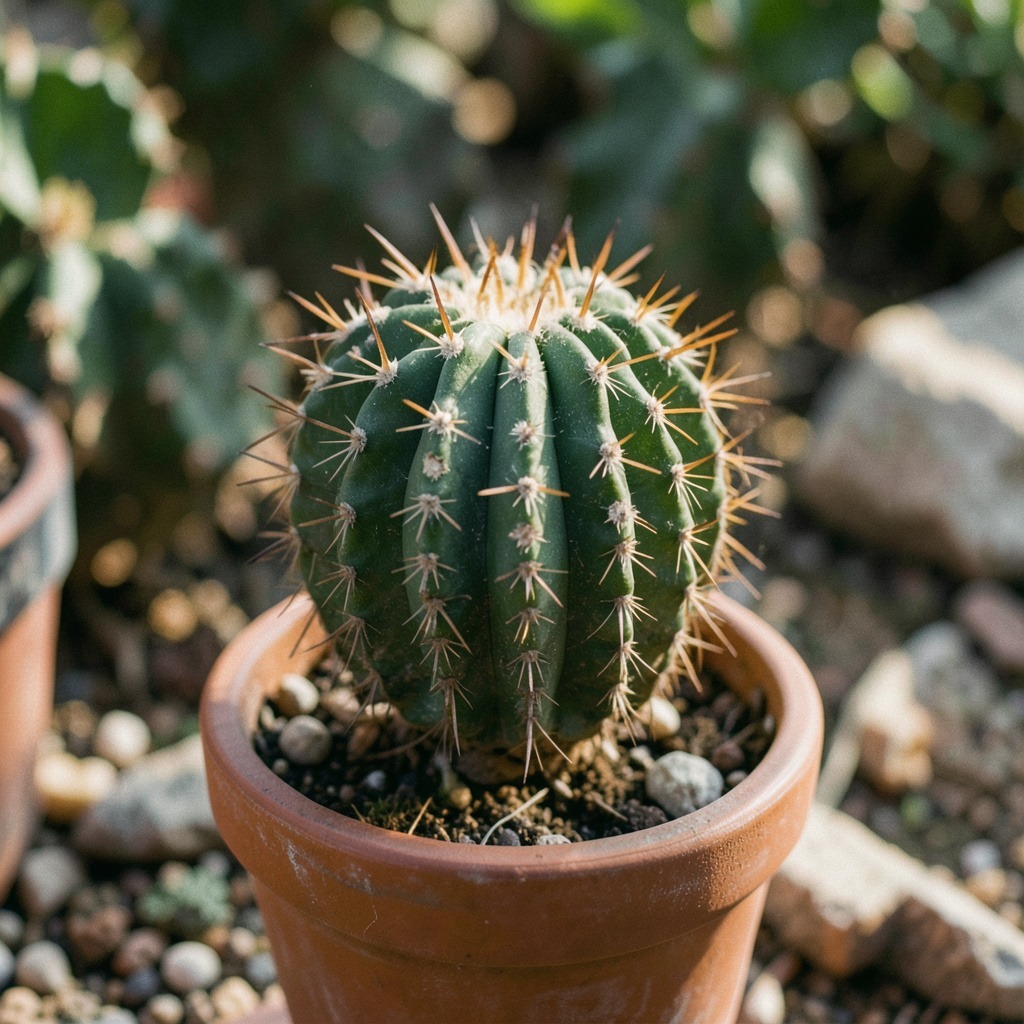
What is a Moon Cactus?
The moon cactus, primarily composed of two distinct parts, features a colorful top known as the scion and a green base called the rootstock. The scion is typically a variety of Gymnocalycium mihanovichii. Lacking chlorophyll, the scion cannot photosynthesize. It relies entirely on the rootstock for sustenance.
The Importance of Grafting
Grafting is the only viable propagation method for moon cacti. This technique involves attaching the scion to a compatible rootstock, which serves several critical functions:
- Nutrient Supply: The rootstock provides water and nutrients essential for the scion’s growth.
- Structural Support: A healthy rootstock supports the delicate scion, allowing it to thrive.
- Color Preservation: Grafting helps maintain the vibrant colors of the scion for years.
Without a proper graft, the scion will wither and die. Therefore, understanding the necessity of grafting is vital for any successful propagation attempt.
Table of Contents
Anatomy of Moon Cactus: Scion vs. Rootstock
Each component of the moon cactus plays a unique role:
- Scion (Gymnocalycium mihanovichii):
- Colorful and visually striking.
- Lacks chlorophyll, making it dependent on the rootstock.
- Rootstock (often Hylocereus or Myrtillocactus):
- Green and robust, capable of photosynthesis.
- Supplies nutrients and water to the scion.
When grafting, ensure the vascular rings of both parts align for successful integration. A clean, flat cut on both parts increases contact area and enhances the chances of a successful graft.
In summary, the moon cactus’s unique structure necessitates grafting for propagation. By understanding this relationship, gardeners can effectively cultivate these stunning plants. For optimal growth, consider using a balanced fertilizer like Miracle-Gro All Purpose Fertilizer after your graft has healed.
Step-by-Step Grafting Techniques for Moon Cactus
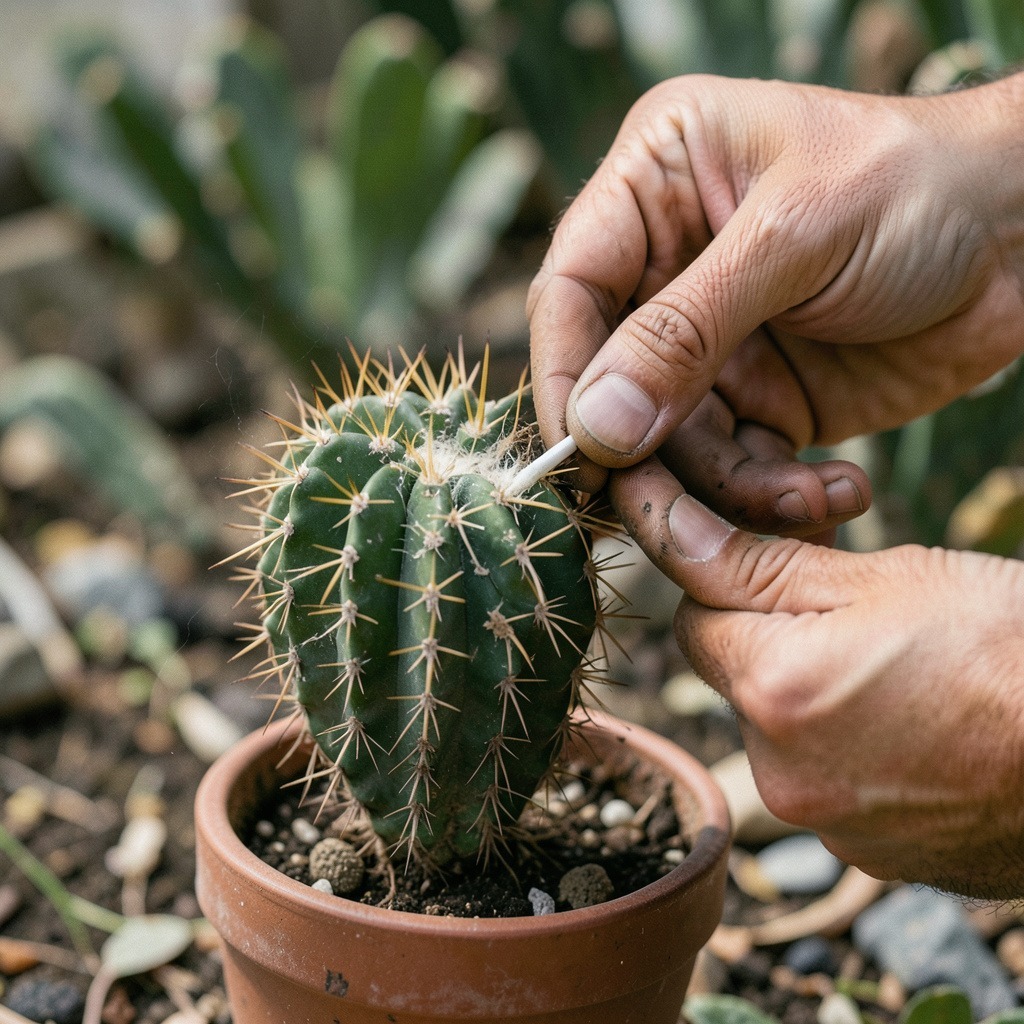
Grafting is the only method for propagating moon cacti due to their unique structure. This section provides a detailed, step-by-step guide to successfully grafting your moon cactus, ensuring that both the scion and rootstock thrive together.
Required Tools for Grafting
Before starting the grafting process, gather the following tools and materials:
- Sharp Knife or Scalpel: For making precise cuts.
- Rubber Bands or Clips: To secure the graft during healing.
- Clean Cutting Surface: To prevent contamination.
- Alcohol or Disinfectant: For sterilizing tools.
- Rootstock Cactus: A healthy green cactus like Hylocereus or Myrtillocactus.
- Scion (Moon Cactus): The colorful top portion to be grafted.
Preparing the Scion and Rootstock
1. Select Healthy Plants: Choose a vigorous rootstock and a firm scion free from rot.
2. Make Flat Cuts:
- Cut the bottom of the scion flat. Remove any old grafting tissue for a clean surface.
- Cut the top of the rootstock flat as well. Aim for a clean, even cut to maximize contact area.
3. Align Vascular Rings: Position the scion on the rootstock. Ensure that the vascular rings overlap as much as possible. This alignment is crucial for successful nutrient transfer.
Performing the Grafting Process
1. Join the Scion and Rootstock: Place the scion directly on the cut surface of the rootstock, ensuring proper alignment.
2. Secure the Graft: Use rubber bands or clips to hold the two pieces together. This pressure helps the tissues fuse.
3. Provide Ideal Conditions: Place the grafted plant in a warm, shaded spot with bright, indirect light. Avoid direct sunlight to prevent stress.
4. Monitor Moisture Levels: Do not water the graft for the first week. This allows the cut surfaces to heal without the risk of rot.
5. Check for Success: After about two weeks, gently remove the bands or clips. If the scion remains firm and shows new growth, the graft is successful. If it shrivels or becomes loose, consider re-grafting with fresh materials.
Visual Aids for Grafting
Including diagrams or images at each step can significantly enhance understanding. Visual aids can illustrate the alignment of vascular rings, the cutting method, and how to secure the graft.
By following these detailed steps, you can effectively propagate your moon cactus through grafting, ensuring its vibrant colors and unique characteristics continue to thrive.
Caring for Your Newly Propagated Moon Cactus
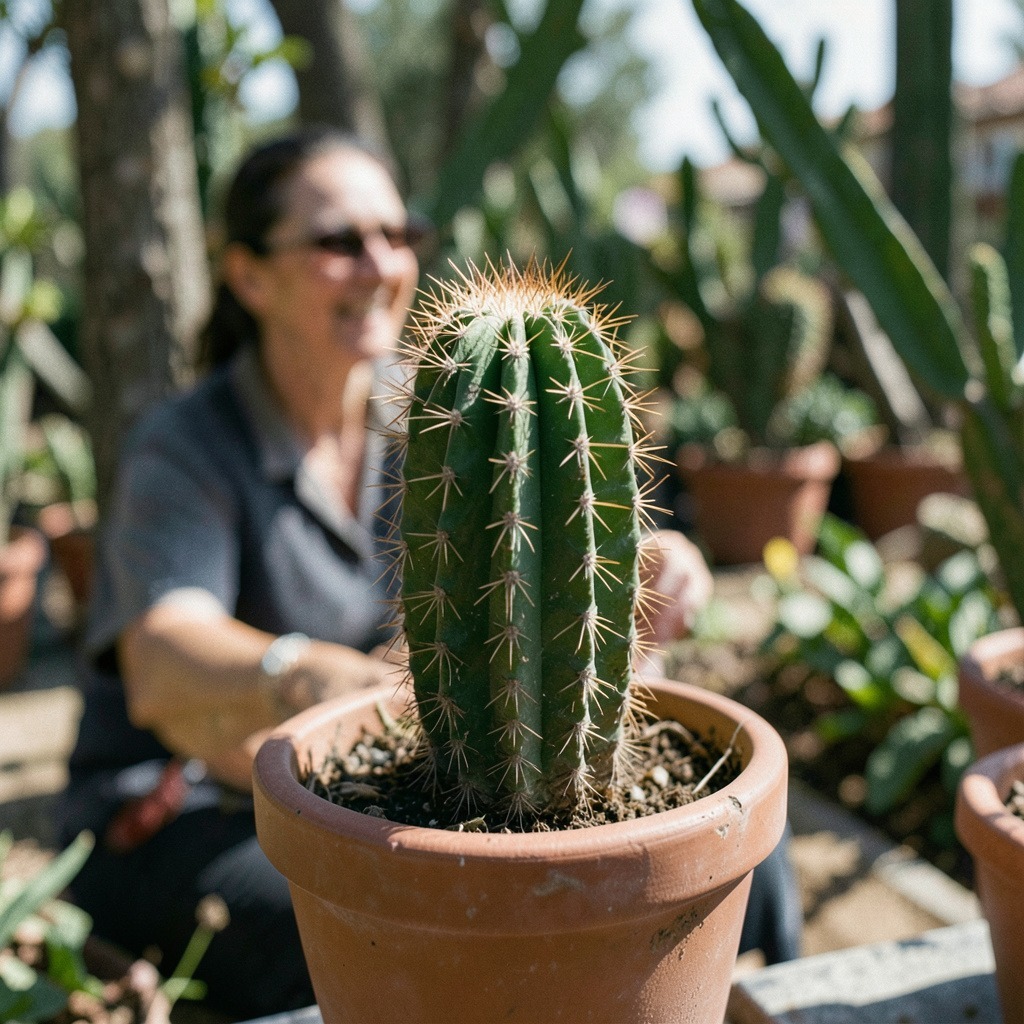
After successfully grafting your moon cactus, proper care is crucial for its survival and growth. The right watering schedule, light conditions, and fertilization practices will ensure that your grafted plant thrives.
Watering Schedule and Techniques
Watering is one of the most critical aspects of caring for your newly grafted moon cactus. During the first week, avoid watering altogether to allow the graft to heal. After this initial period, follow these guidelines:
- Frequency: Water every 2-3 weeks, depending on the dryness of the soil.
- Moisture Check: Test the soil with your finger. Water only when the top inch feels dry.
- Method: Water thoroughly until it drains from the bottom. Ensure the pot has drainage holes to prevent excess moisture.
| Time Since Grafting | Watering Action |
|---|---|
| 0-1 week | No watering |
| 1-2 weeks | Light misting only |
| 2+ weeks | Water every 2-3 weeks |
Optimal Light Conditions
Light plays a vital role in the health of your moon cactus. After grafting, place the plant in a location with bright, indirect sunlight. Here are some detailed light care tips:
- Initial Placement: Keep the plant in a warm, shaded area for the first two weeks.
- Transition: Gradually introduce it to a brighter location after the graft has healed.
- Avoid Direct Sunlight: Direct exposure can cause sunburn, especially for the sensitive scion.
Fertilization Tips for Healthy Growth
Once your moon cactus shows signs of new growth, it’s time to consider fertilization. Proper nutrients will promote robust development. Follow these fertilization guidelines:
- Type of Fertilizer: Use a balanced, water-soluble fertilizer like Miracle-Gro All Purpose Fertilizer.
- Frequency: Fertilize every 4-6 weeks during the growing season (spring and summer).
- Dilution: Always dilute the fertilizer to half the recommended strength to avoid burning the roots.
By adhering to these care principles, your grafted moon cactus will not only survive but flourish, showcasing its vibrant colors and unique characteristics.
Common Issues and Troubleshooting in Moon Cactus Propagation
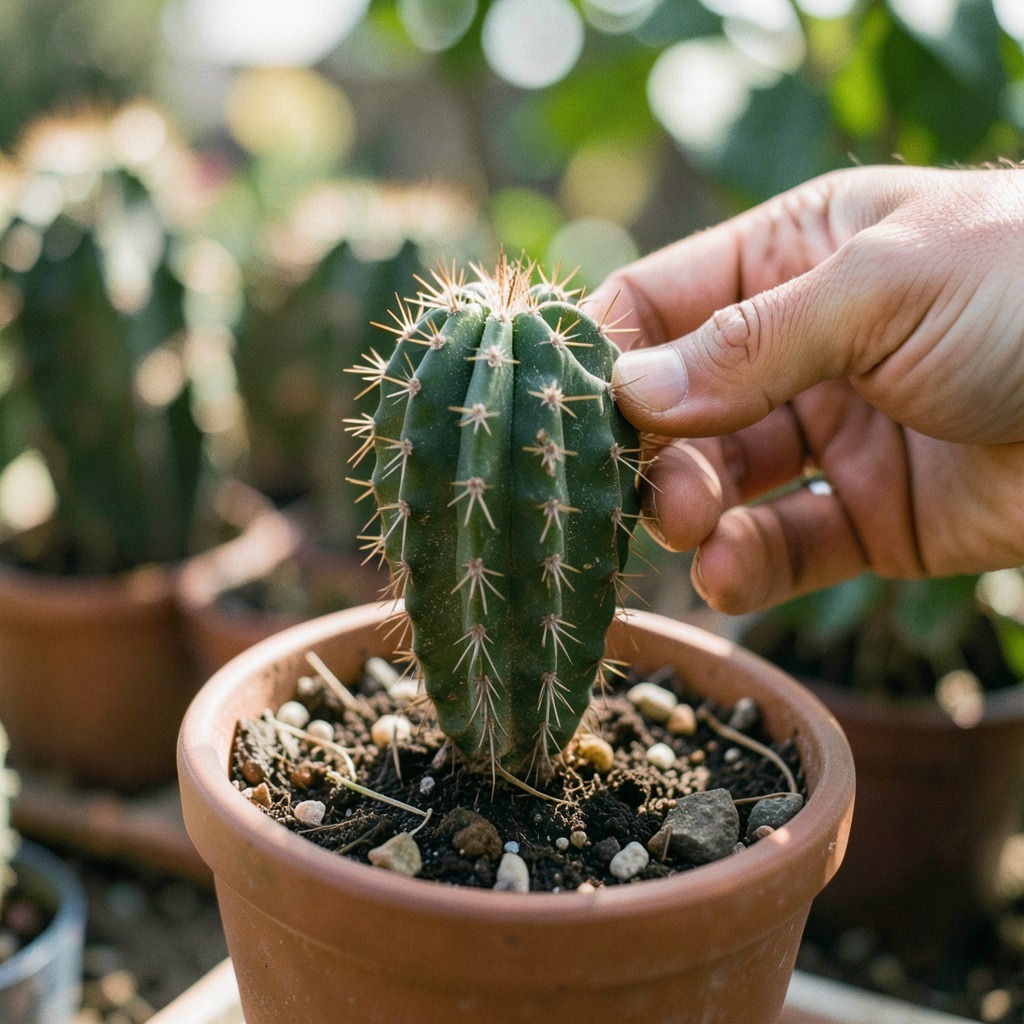
Moon cactus propagation can be rewarding but may present challenges. Understanding common issues can help ensure successful grafting and care.
Signs of Grafting Failure
Identifying grafting failure early is crucial. Here are key signs to watch for:
- Shriveling Scion: If the colorful top begins to wrinkle, it indicates a lack of moisture or failure to fuse.
- Loose Attachment: A scion that shifts easily suggests poor vascular connection with the rootstock.
- Discoloration: Brown or black spots on the scion or rootstock may indicate rot or infection.
Common Pests Affecting Moon Cactus
Several pests can threaten your moon cactus during propagation. Be vigilant for the following:
- Mealybugs: These pests appear as white, cotton-like masses. They suck sap, weakening the plant.
- Spider Mites: Tiny and often invisible, these pests cause stippling on the cactus surface.
- Scale Insects: They form hard, shell-like coverings on the cactus, leading to nutrient depletion.
Solutions for Common Issues
Addressing issues promptly can save your moon cactus. Here’s a checklist for troubleshooting:
1. Check Environment: Ensure the grafted plant is in a warm, shaded area with bright indirect light.
2. Monitor Moisture: Avoid watering for the first week post-grafting to prevent rot. If the scion shrivels, mist it lightly.
3. Inspect for Pests: Use a soft brush or cotton swab dipped in alcohol to remove pests. Follow up with appropriate insecticidal soap if needed.
4. Re-graft if Necessary: If the graft fails, use a fresh, healthy rootstock and ensure clean cuts.
Troubleshooting Flowchart
To diagnose issues based on symptoms, consider this flowchart:
- Is the scion shriveling?
- Yes: Check moisture and light conditions.
- No: Proceed to the next symptom.
- Is the scion loose?
- Yes: Consider re-grafting with better alignment.
- No: Proceed to the next symptom.
- Are there pests visible?
- Yes: Treat with alcohol or insecticidal soap.
- No: Continue regular care.
By following these guidelines, you can effectively troubleshoot and nurture your moon cactus through the propagation process.
Alternatives to Grafting for Moon Cactus Propagation
While grafting remains the primary method for propagating moon cacti, there are alternatives worth considering. These methods include propagating from offsets and seeds, each with its own advantages and challenges.
Propagating from Offsets
Offsets, often referred to as pups, are small plants that grow at the base of an established moon cactus. These pups are ideal for propagation as they are already healthy and can be detached and replanted easily.
Steps for Propagating Offsets:
1. Select a Healthy Pup: Look for offsets that are firm and well-developed.
2. Cut Carefully: Use a sharp, sterile knife to cut the pup from the parent plant. Ensure that the cut surface is clean.
3. Allow to Callous: Place the pup in a dry area for a few days until the cut surface has calloused over.
4. Plant in Soil: Use a well-draining cactus mix. Plant the offset at a similar depth to its original position.
5. Water Sparingly: After planting, wait about a week before watering to allow the roots to establish.
Growing Moon Cactus from Seeds
Although less common, growing moon cacti from seeds is another propagation method. This process requires patience and specific conditions for successful germination.
Steps for Seed Propagation:
1. Prepare Seed Tray: Fill a seed tray with a cactus soil mix.
2. Sow Seeds: Evenly distribute the seeds on the surface. Do not cover them with soil, as they need light to germinate.
3. Moisten Soil: Lightly mist the soil to ensure it is damp but not soggy.
4. Provide Warmth and Light: Place the tray in a warm, bright location, ideally around 70–85°F. A humidity dome can help retain moisture.
5. Thin Seedlings: Once seedlings have a few true leaves, thin them out to prevent overcrowding.
Comparing Grafting and Alternative Methods
Understanding the pros and cons of each method can help you decide which is best for your situation. Here’s a comparison table highlighting key differences:
| Method | Pros | Cons |
|---|---|---|
| Grafting | – Ensures vibrant colors | – Requires specific techniques and tools |
| – Faster results | – Not suitable for beginners | |
| Offsets | – Simple and straightforward | – Limited to existing plants |
| – Quick establishment | – Fewer new genetic variations | |
| Seeds | – Potential for new hybrids | – Slow process |
| – More control over plant traits | – Requires optimal conditions and care |
By evaluating these methods, you can choose the most suitable propagation technique for your moon cactus needs. Each option presents unique opportunities for plant enthusiasts to expand their collections or create new hybrids.
Conclusion: Mastering Moon Cactus Propagation
Successfully propagating a moon cactus involves understanding grafting techniques and proper care. This guide has equipped you with the essential knowledge to ensure your propagation efforts yield vibrant, healthy plants.
Key Grafting Techniques
1. Select a Healthy Scion and Rootstock: Choose a firm, colorful scion and a vigorous green rootstock, such as Hylocereus or Myrtillocactus.
2. Align Vascular Rings: When grafting, ensure the vascular bundles align closely. This step is critical for successful nutrient transfer.
3. Secure the Graft: Use rubber bands or clips to hold the scion and rootstock together. This helps them heal and bond effectively.
Care for Newly Propagated Moon Cacti
- Monitor for Growth: After two weeks, gently check if the graft has taken. Look for signs of new growth.
- Watering: Allow the soil to dry completely between waterings to prevent rot.
- Light Conditions: Place your grafted cactus in bright, indirect light to support its recovery.
Troubleshooting Common Issues
- Graft Failure: If the scion is loose or shriveled, the graft has failed. Try again with a fresh scion and rootstock.
- Pest Management: Keep an eye out for common pests like mealybugs or spider mites. Quarantine new plants to avoid infestations.
Encouragement to Experiment
Don’t hesitate to experiment with different rootstocks or combinations of scions. Each attempt enhances your skills and may lead to unique hybrids. As you gain experience, consider documenting your process to refine your technique further. Happy grafting!
Frequently Asked Questions
These quick answers cover the most common questions about this topic, including key details, practical tips, and common concerns.
Can you put cactus cuttings straight into soil?
No, you should not put cactus cuttings directly into soil right away. After cutting, allow the cut surface to callous over for a few days. This helps prevent rot when you eventually plant it. Once the cut has dried and formed a callous, you can plant it in well-draining soil.
Can moon cactus grow without grafting?
No, moon cacti cannot grow without grafting. The colorful top, known as Gymnocalycium mihanovichii, lacks chlorophyll and cannot photosynthesize. It relies entirely on a green rootstock, such as Hylocereus, for nutrients and support. Grafting is essential for their survival.
Can I take the balls off a moon cactus and replant it?
You can separate the colorful top (scion) from the rootstock, but it will not survive on its own. The scion requires a rootstock to provide nutrients. If you want to replant, you must graft it onto a suitable rootstock to ensure its survival.
What is the average lifespan of a moon cactus?
The average lifespan of a moon cactus is around 10 to 20 years, depending on care and conditions. Proper watering, light, and pest management can significantly influence their longevity. With the right attention, these vibrant plants can thrive for many years.
Micro Grafting Moon Cactus to Pereskiopsis – How? Why?
Micro grafting to Pereskiopsis involves using this specific rootstock due to its fast growth and compatibility with the scion. To graft, make clean cuts on both the scion and rootstock, align their vascular systems, and secure them together. This method can enhance growth rates and improve overall health.
How do I choose the right rootstock for my moon cactus?
Choosing the right rootstock depends on several factors, including growth rate and compatibility. Popular options include Hylocereus and Myrtillocactus. Hylocereus promotes faster growth, while Myrtillocactus offers stability. Consider your growing conditions and the desired outcome when selecting a rootstock.
What should I do if my grafting fails?
If your grafting fails, first check for signs like a shriveled or loose scion. If the graft doesn’t take, remove the failed scion and try again with a fresh one. Ensure clean cuts and proper alignment of vascular tissues. Adjust your care conditions, such as light and moisture, to support healing.
Can I propagate moon cactus without the mother plant?
You cannot propagate a moon cactus without the mother plant if you rely on grafting. However, if the mother plant produces offsets or pups, you can propagate those separately. Just ensure the offsets are healthy and follow proper care techniques for successful replanting.