
Organic vegan proteins prioritize organic ingredients and clean labels, while non-organic options may focus on affordability and variety; choose based on personal health priorities.
Disclosure: As an Amazon Associate I earn from qualifying purchases.
Deciding between organic and non-organic vegan proteins depends on values like ingredient purity and budget. Both types offer plant-based nutrition, but their sourcing and certification may influence your choice for health, environmental impact, or cost considerations.
How We Chose These Organic Vs Non Organic Vegan Protein
Products are selected based on organic certification, ingredient quality, added benefits (like probiotics), versatility, and clarity in labeling. Consideration is given to product certifications such as USDA Organic, non-GMO, preservative-free content, and ease of use for various diets. The goal is to identify options that cater to different priorities—whether purity, price, or nutrient profile—while supporting informed decision-making in plant-based nutrition.
Pros and Cons Comparison of the 10 Products
| Product | Good fit for | Pros | Considerations |
|---|---|---|---|
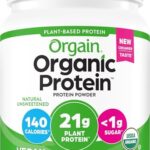 Orgain Organic Vegan Protein Powder Orgain Organic Vegan Protein Powder
|
Those seeking a USDA Organic certified vegan protein with no added sugar. | Certified USDA Organic; Includes prebiotic fiber for gut health | Unflavored, may require added flavoring |
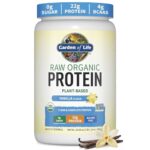 Garden of Life Raw Organic Protein Powder Garden of Life Raw Organic Protein Powder
|
Consumers wanting high protein, organic, plant-based powder with added probiotics. | Support for muscle and digestion; Third-party certified organic | Contains sprouted grains and seeds |
 EarthChimp Organic Vegan Protein Powder – with Probiotics – EarthChimp Organic Vegan Protein Powder – with Probiotics –
|
Those looking for probiotic-rich, non-GMO vegan protein with extra nutrients. | Includes probiotics for digestion; No artificial ingredients | Unflavored, may need flavor additions |
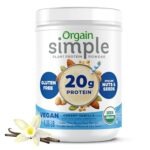 Orgain Organic Simple 20g Vegan Protein Powder Orgain Organic Simple 20g Vegan Protein Powder
|
Products with simple, transparent ingredients for clean label enthusiasts. | Few clean, pronounceable ingredients; Vegan, gluten-free, Non-GMO | Unflavored, may require mixing with flavoring |
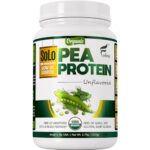 SOLO Organic Pea Protein Isolate SOLO Organic Pea Protein Isolate
|
Vegan protein powders optimized for muscle support, low sodium, and easymixing. | High protein and low sodium; Rich in iron and calcium | Unflavored, pure pea sourced |
 Garden of Life Sport Organic Vegan Protein Powder Garden of Life Sport Organic Vegan Protein Powder
|
Active adults seeking sport-certified organic vegan protein with added superfoods. | Sport certification; Includes superfoods and probiotics | Contains vanilla flavor |
 BetterBody Foods Organic Plant Protein Powder 12.7 Oz BetterBody Foods Organic Plant Protein Powder 12.7 Oz
|
Consumers who want a versatile, organic, unflavored isolate for cooking and baking. | Unflavored and versatile; USDA Organic, Non-GMO | Unflavored, may need flavoring |
 Truvani Organic Plant Based Protein Powder Truvani Organic Plant Based Protein Powder
|
Those preferring a pure, USDA organic protein powder free from common allergens. | Free from fillers and artificial ingredients; Certified USDA Organic | Unflavored, simple ingredient profile |
 Orgain Organic Vegan Protein Powder + Greens Orgain Organic Vegan Protein Powder + Greens
|
People interested in green-enhanced protein with added organic greens for extra nutrition. | Includes organic greens; Gut and immune support | Contains greens which may alter taste |
 Vega Premium Protein + Supergreens Vega Premium Protein + Supergreens
|
Those wanting a complete plant protein with greens and no added sugars. | Includes greens for micronutrients; Dairy and gluten free | Contains blends that may affect flavor |
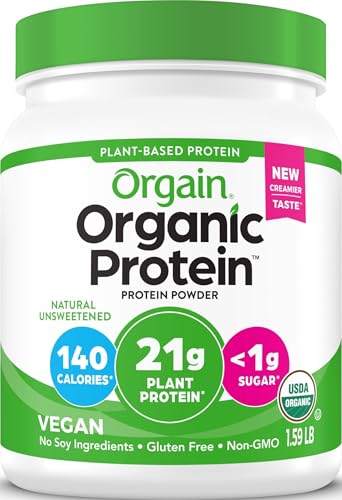
1. Orgain Organic Vegan Protein Powder, Natural Unsweetened – 21g of Unflavored Plant Protein, 4g Prebiotic Fiber, Low Net Carbs, No Added Sugar, Non-GMO, for Shakes & Recipes, 1.59 lb
Good fit if: Those seeking a USDA Organic certified vegan protein with no added sugar.
Table of Contents
Orgain Organic Vegan Protein Powder features organic peas, rice, and chia. It’s non-GMO, gluten-free, and contains prebiotics. Suitable for clean eating and versatile in recipes.
Pros: Certified USDA Organic; Includes prebiotic fiber for gut health
Consideration: Unflavored, may require added flavoring
Check current details on Amazon (affiliate link)
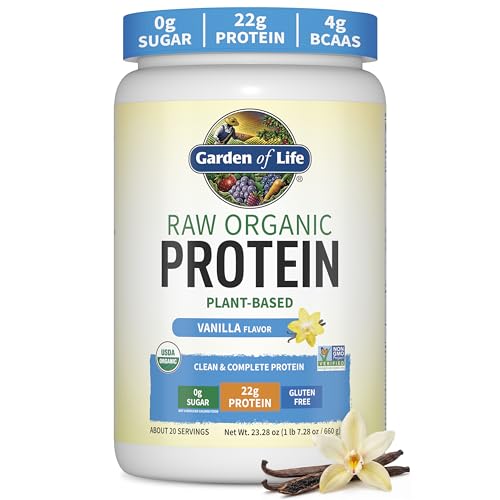
2. Garden of Life Raw Organic Protein Powder, Vegan, Vanilla, 20 Servings
Good fit if: Consumers wanting high protein, organic, plant-based powder with added probiotics.
Garden of Life Raw Organic Protein has 22g of complete protein, BCAAs, and probiotics. Flavor is smooth, and it supports muscle recovery and digestion.
Pros: Support for muscle and digestion; Third-party certified organic
Consideration: Contains sprouted grains and seeds
Check current details on Amazon (affiliate link)
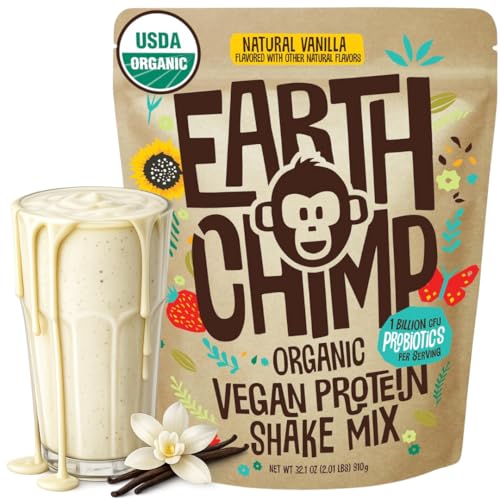
3. EarthChimp Organic Vegan Protein Powder – with Probiotics – Non GMO, Dairy Free, Non Whey, Plant Based Protein Powder for Women and Men, Gluten Free – 26 Servings 32 Oz (Vanilla)
Good fit if: Those looking for probiotic-rich, non-GMO vegan protein with extra nutrients.
EarthChimp’s organic vegan protein includes probiotics, with 20g protein per serving. It’s free from artificial flavors, sugar, and dairy, suitable as a meal supplement.
Pros: Includes probiotics for digestion; No artificial ingredients
Consideration: Unflavored, may need flavor additions
Check current details on Amazon (affiliate link)
4. Orgain Organic Simple 20g Vegan Protein Powder, Vanilla, 1.25lb
Good fit if: Products with simple, transparent ingredients for clean label enthusiasts.
Orgain Simple Protein features just eight to ten ingredients, including organic peas and seeds, with no added sugars or preservatives. It suits health-conscious consumers who prefer minimal ingredients.
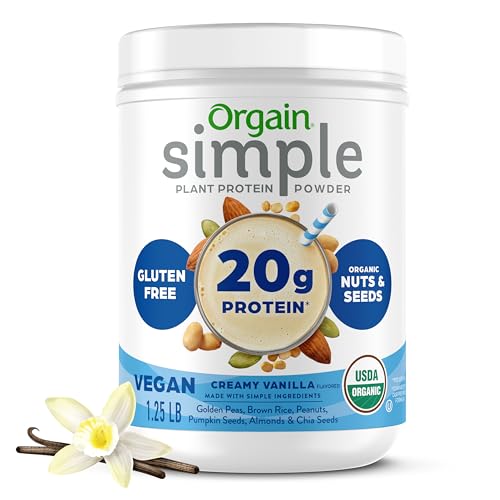
Pros: Few clean, pronounceable ingredients; Vegan, gluten-free, Non-GMO
Consideration: Unflavored, may require mixing with flavoring
Check current details on Amazon (affiliate link)
5. SOLO Organic Pea Protein Isolate, Unflavored Vegan Protein Powder (2.7 lbs)
Good fit if: Vegan protein powders optimized for muscle support, low sodium, and easymixing.
Solo Pea Protein isolate offers 30g of protein, low sodium, and complete amino acid profile from organic yellow peas, making it ideal for recovery and weight management.
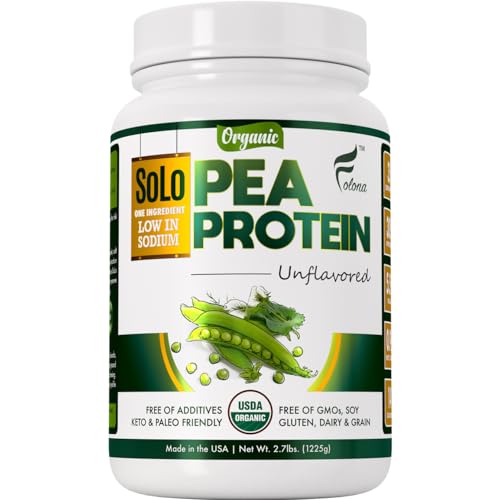
Pros: High protein and low sodium; Rich in iron and calcium
Consideration: Unflavored, pure pea sourced
Check current details on Amazon (affiliate link)
6. Garden of Life Sport Organic Vegan Protein Powder, Vanilla, 19 Servings
Good fit if: Active adults seeking sport-certified organic vegan protein with added superfoods.
Garden of Life Sport Vanilla delivers 30g organic protein, BCAAs, and probiotics. It’s NSF Certified for Sport, supporting muscle and immune health.
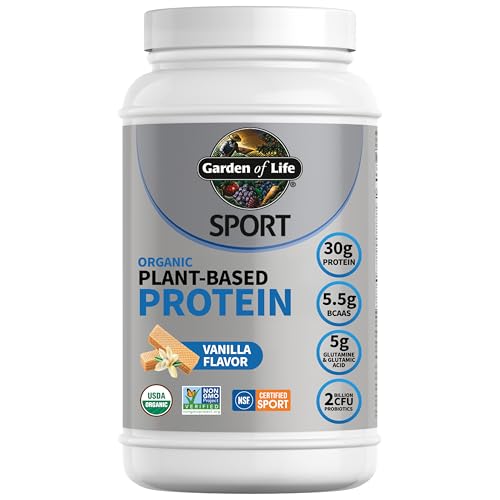
Pros: Sport certification; Includes superfoods and probiotics
Consideration: Contains vanilla flavor
Check current details on Amazon (affiliate link)
7. BetterBody Foods Organic Plant Protein Powder 12.7 Oz, Unflavored, Isolate
Good fit if: Consumers who want a versatile, organic, unflavored isolate for cooking and baking.
BetterBody Foods Organic Plant Protein is made from pea and quinoa and has 16g protein per serving. Its neutral flavor is ideal for integrating into recipes.
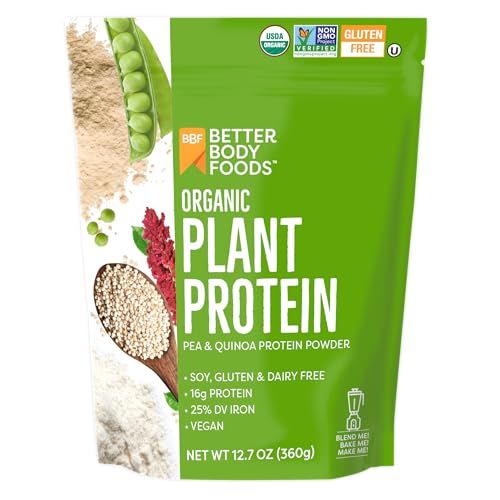
Pros: Unflavored and versatile; USDA Organic, Non-GMO
Consideration: Unflavored, may need flavoring
Check current details on Amazon (affiliate link)
8. Truvani Organic Plant Based Protein Powder | Unflavored | 20 Servings
Good fit if: Those preferring a pure, USDA organic protein powder free from common allergens.
Truvani’s organic plant protein offsets fillers with premium pea, pumpkin, chia, and monk fruit. It’s free from artificial ingredients, appealing to minimalists.
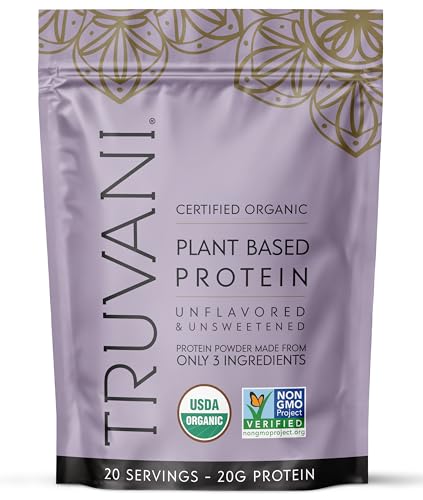
Pros: Free from fillers and artificial ingredients; Certified USDA Organic
Consideration: Unflavored, simple ingredient profile
Check current details on Amazon (affiliate link)
9. Orgain Organic Vegan Protein Powder + Greens, Vanilla Bean – 21g Plant Based Protein, Gluten Free, Dairy Free, Lactose Free, Soy Free, No Sugar Added, With Iron & Prebiotics for Gut Health – 1.94lb
Good fit if: People interested in green-enhanced protein with added organic greens for extra nutrition.
Orgain Vegan Protein + Greens combines plant protein with organic spinach, broccoli, kale, supporting gut and immune health with added prebiotics and iron.
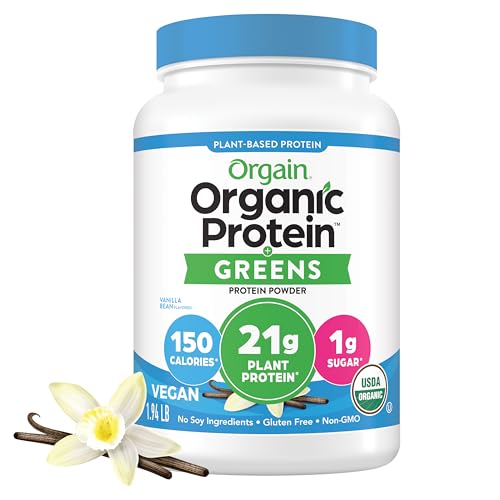
Pros: Includes organic greens; Gut and immune support
Consideration: Contains greens which may alter taste
Check current details on Amazon (affiliate link)
10. Vega Premium Protein + Supergreens, Creamy Vanilla – 20g Vegan Protein, Dairy & Gluten Free, 26.9 oz (25 Servings)
Good fit if: Those wanting a complete plant protein with greens and no added sugars.
Vega Premium Protein + Supergreens blends 20g vegan protein with greens, supporting muscle and nutrient intake without dairy or gluten. Ideal for active, health-conscious lifestyles.
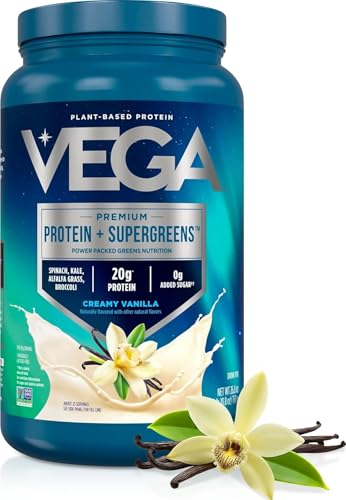
Pros: Includes greens for micronutrients; Dairy and gluten free
Consideration: Contains blends that may affect flavor
Check current details on Amazon (affiliate link)
Organic Vs Non Organic Vegan Protein Buying Guide
1. Choosing Certified Organic vs. Non-Organic Vegan Protein
Certified organic vegan proteins feature verified organic ingredients, fewer pesticides, and no artificial additives, while non-organic versions may focus on affordability and variety. Select based on whether ingredient purity or cost is your priority, considering certifications and ingredient transparency.
2. Assessing Additional Benefits and Ingredient Profiles
Look for added features such as probiotics, superfoods, or fiber to support digestion and overall wellness. Ingredient lists should highlight complete proteins, BCAAs, and absence of fillers or artificial substances. Match these qualities with your dietary needs and taste preferences.
Which Organic Vs Non Organic Vegan Protein Should You Choose?
Opt for organic vegan protein if ingredient purity and environmental impact are top priorities. For budget-conscious or varied options, non-organic powders may offer more variety, but check for quality certifications and label transparency to ensure nutritional standards meet your needs.
Frequently Asked Questions
1. Are organic vegan proteins more nutritious than non-organic?
Not necessarily; organic proteins focus on high-quality, certified ingredients, but both types can offer complete and nutrient-dense options.
2. Can non-organic vegan protein powders be safe?
Yes, as long as they have transparent labeling and quality certifications; non-organic powders can be safe but lack organic certification guarantees.
3. What are the main benefits of choosing organic vegan protein?
Organic proteins avoid pesticides, artificial fertilizers, and synthetic additives, supporting cleaner, more sustainable consumption.
4. Do probiotic-enriched vegan proteins aid digestion?
Probiotics support gut health by improving digestion and nutrient absorption, which can enhance the effectiveness of plant-based proteins.
5. Is unflavored better than flavored vegan protein powders?
Unflavored options are versatile and free from artificial flavorings, suited for adding to recipes, while flavored powders offer convenience and taste.
6. How do I verify a product's organic status?
Check for third-party certifications such as USDA Organic or Non-GMO Project labels on the packaging or product listing.
7. What should I consider when choosing a vegan protein for baking?
Select unflavored, neutral-tasting powders with a versatile ingredient list that blends easily into baked goods without altering flavor.