
The Palo Verde tree is a stunning and resilient addition to any landscape. With its vibrant flowers and unique structure, it’s a favorite among gardeners and nature lovers alike. Read Interesting article: Pros and Cons of Palo Verde Trees: 4 Surprising Facts
Overview of the Palo Verde Tree
What is a Palo Verde Tree?
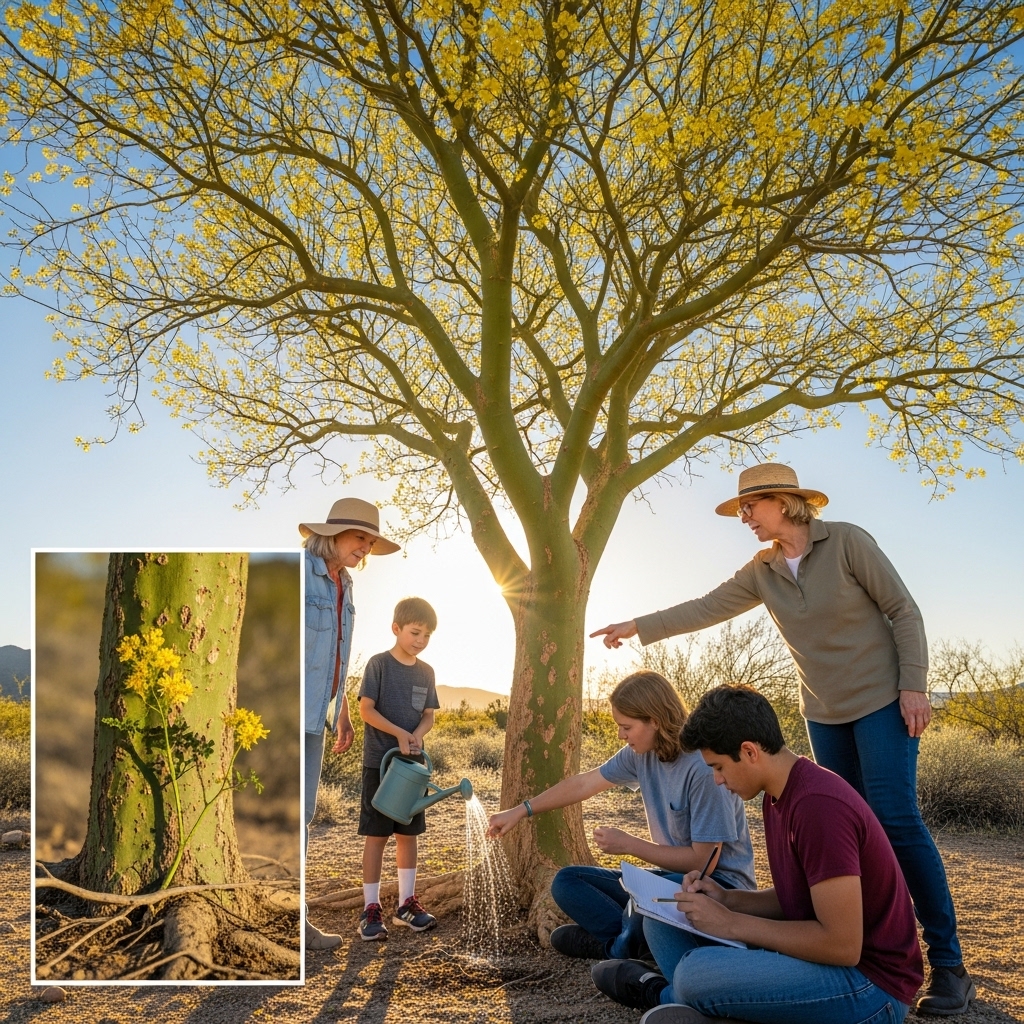
The Palo Verde tree, known scientifically as Parkinsonia, is a fascinating desert tree that thrives in arid environments. Its name translates to “green stick” in Spanish, which is fitting given that its trunk and branches are green, allowing it to photosynthesize even during droughts. This adaptation is one of the reasons I find these trees so remarkable; they embody resilience and beauty. There are several species, but the two most common are the Blue Palo Verde and the Yellow Palo Verde, each with distinct features and appeal. When I first encountered these trees, I was struck by their unique appearance and the way they harmoniously blend into their surroundings. 10 Fun Facts About Palo Verde Trees: Desert Beauties offer more insights into their charm.
Importance in Ecosystems
Palo Verde trees play a crucial role in their ecosystems. They provide shade and shelter for various wildlife, including birds, insects, and small mammals. I’ve often seen birds flitting between their branches, creating a lively ambiance. Additionally, their flowers are a vital nectar source for pollinators like bees and butterflies. The seeds produced by these trees also serve as food for many animals. I remember watching a group of squirrels nimbly navigating the branches, foraging for seeds. It felt like witnessing nature’s beautiful cycle in action.
Geographical Distribution
Palo Verde trees are native to the southwestern United States and Mexico, thriving primarily in desert regions. They are most commonly found in places like Arizona, California, and New Mexico. I’ve traveled through these areas, and seeing the Palo Verde in its natural habitat adds a special touch to the arid landscape. The way these trees stand tall against the backdrop of the desert is truly a sight to behold. They often grow in washes and along riverbanks, where they can access underground water, illustrating how nature has perfectly adapted them to their environment.
Types of Palo Verde Trees
Blue Palo Verde (Parkinsonia florida)
The Blue Palo Verde is one of the most striking varieties, known for its vibrant blue-green bark and bright yellow flowers that bloom in the spring. I’ve always admired how the flowers create a stunning contrast against the green foliage, almost like nature’s own fireworks display. This species can grow up to 30 feet tall and is particularly valued for its ornamental qualities. I’ve seen it used in landscaping to provide shade and beauty, and it never fails to impress. Its unique color gives gardens a refreshing look, making it a favorite for many gardeners.
Yellow Palo Verde (Parkinsonia microphylla)
The Yellow Palo Verde is slightly smaller than its blue counterpart but equally charming. With its delicate leaves and bright yellow flowers, it adds a cheerful pop of color to the landscape. This variety typically reaches about 20 feet in height and is also drought-tolerant, making it a practical choice for xeriscaping. I’ve found that its adaptability to dry conditions makes it an excellent option for those of us living in arid regions. The way it flourishes with minimal water is a testament to its hardy nature.
Other Varieties and Hybrids
Beyond the Blue and Yellow Palo Verde, there are several other varieties and hybrids that have been developed. These may feature unique colors, sizes, and growth habits. Some hybrids are bred specifically for better disease resistance or to thrive in different soil types. I once came across a hybrid at a local nursery that had a more compact growth habit, perfect for smaller yards. Exploring these varieties can be a delightful adventure, as each offers something special to gardeners and landscape enthusiasts.
Palo Verde Tree Characteristics
Physical Appearance
The physical appearance of the Palo Verde tree is one of the things that captivates me the most. The green bark isn’t just for show; it’s an essential part of the tree’s survival strategy. I remember the first time I saw a Blue Palo Verde with its striking blue-green bark shimmering in the sunlight. The trunk and branches have a smooth texture, which is visually appealing and also functional, as it helps reduce water loss. The tree’s leaves are small and delicate, which allows them to conserve moisture, contributing to their drought-resistance. Walking among these trees, I often find myself admiring the intricate details of their form, which can vary from the tall, slender branches of the Blue Palo Verde to the more bushy structure of the Yellow Palo Verde. Each species has its unique character, enhancing the beauty of any landscape.
Flowering Patterns and Colors
The flowering patterns of Palo Verde trees are a showstopper. Each spring, the trees burst into color with their vibrant flowers, making the landscape come alive. The Blue Palo Verde showcases bright yellow blooms that can blanket the tree, creating a stunning contrast against its green bark. I’ve had the pleasure of witnessing this flowering spectacle, where the sight and fragrance of the blossoms fill the air, attracting bees and butterflies. On the other hand, the Yellow Palo Verde also produces beautiful clusters of sunny yellow flowers, but its blooms are slightly smaller and more delicate. It’s fascinating how each species has its own flowering rhythm and color palette, and I believe that this diversity is part of what makes Palo Verde trees such a delightful addition to gardens and parks.
Growth Habits and Size
The growth habits of Palo Verde trees vary depending on the species. The Blue Palo Verde can reach heights of up to 30 feet, with a canopy that provides ample shade. I once sat beneath one on a hot afternoon, enjoying the coolness it offered. Meanwhile, the Yellow Palo Verde tends to be a bit smaller, reaching about 20 feet. Its growth habit is more bushy, making it perfect for filling out landscape designs in smaller yards. I’ve learned that they can also spread wide, adding to their prominence in any setting. When planning a garden, it’s essential to consider how much space these trees will need to flourish. Their size and shape can dramatically influence the layout of a landscape, so I always recommend factoring in their growth potential to ensure they have enough room to thrive. Palo Verde Tree Growth Rate for Southwestern Landscapes is a great resource for understanding this better.
Growing Conditions for Palo Verde Trees
Soil Requirements
When it comes to growing Palo Verde trees, understanding their soil requirements is key. They aren’t picky when it comes to soil type, but I’ve found they thrive best in well-draining soils. Sandy or gravelly soil is ideal, as it prevents water from pooling around the roots. If you’re planting one, be mindful of the drainage; I’ve seen too many gardeners struggle with waterlogged roots, which can lead to problems down the line. Amending the soil with organic matter can also help improve drainage while providing essential nutrients. In my experience, a little preparation goes a long way toward ensuring these trees get the best start possible.
Sunlight Needs
Palo Verde trees are sun-lovers, and they really do best when planted in full sun. I’ve noticed that the more sunlight they get, the healthier and more vibrant they become. These trees can tolerate some shade, but I wouldn’t recommend it if you want them to flourish. In my garden, I placed my Palo Verde in a spot that gets sun all day, and the results have been fantastic. It’s a joy to watch the way the sunlight interacts with the green bark and bright flowers, creating a stunning visual effect. If you’re considering adding one to your space, just remember: the more sun, the better!
Watering and Irrigation
Watering Palo Verde trees requires a bit of a delicate touch. While they are drought-tolerant, they do need some water to establish strong roots, especially in their early years. I’ve found that deep watering once or twice a week during the first growing season works wonders. After they’re established, you can reduce watering significantly. It’s important to allow the soil to dry out between watering sessions, as overwatering can be detrimental. I learned this the hard way with my first Palo Verde, where I was too generous with the water. Now, I always check the soil moisture before I water. It’s a small but essential routine that keeps my trees healthy.
Climate Preferences
Palo Verde trees are well-suited to warm, arid climates. They flourish in temperatures that can soar during the summer, which is something I’ve come to appreciate living in a desert area. They are hardy and can even survive in lower temperatures as long as those extremes are not prolonged. I remember a particularly chilly winter when I was worried about my trees. They emerged unscathed, showing just how tough they can be. If you live in a region that experiences frost, it’s wise to protect them during those cold snaps, but generally, they are resilient and adapt well to the climates they thrive in.
Palo Verde Tree Care
Pruning Techniques
Pruning is an essential part of caring for Palo Verde trees, and I’ve learned that doing it right can really enhance their shape and health. I usually prune my trees in late winter or early spring, just before they start to bloom. This timing ensures the trees can recover quickly and produce a beautiful floral display. When I prune, I focus on removing any dead or damaged branches, which not only improves the appearance but also helps prevent disease. It’s also important to thin out crowded areas to allow for better airflow and light penetration. I remember the first time I pruned my Palo Verde, I was hesitant, but after seeing the renewed growth and vibrant blooms, I felt a sense of accomplishment. Just remember to use clean, sharp tools to avoid causing harm to the tree and always make cuts at a slight angle to promote healing.
Fertilization Guidelines
Palo Verde trees don’t require a lot of fertilizer, which is one of the reasons I appreciate them. However, I’ve found that a little nutrient boost in the spring can make a difference in their growth and flowering. I typically use a balanced, slow-release fertilizer to avoid overloading the soil with nutrients. This practice encourages healthy growth without making the tree dependent on constant feeding. Last year, I decided to experiment with organic options, using compost and well-rotted manure. The results were fantastic! My trees thrived, and I felt good about using natural products. I believe that every gardener should consider their local soil conditions when fertilizing; sometimes, a simple soil test can provide valuable insights into what nutrients might be missing.
Pest and Disease Management
While Palo Verde trees are generally hardy, they aren’t completely immune to pests and diseases. I’ve encountered a few issues myself, but I’ve learned that early detection is key. Aphids can sometimes invade, especially during the warmer months. I usually keep an eye out for sticky residue on the leaves, which is often a sign of their presence. When I notice them, I spray the affected areas with a gentle soap solution, which usually does the trick. Another common pest is the tree borer, which can cause significant damage if left unchecked. I’ve found that regularly inspecting my trees and cleaning up fallen debris helps limit these pests. In terms of diseases, root rot can occur if the tree is overwatered, so I always make sure my watering schedule is on point. Keeping my trees healthy and stress-free has made a noticeable difference in their resilience against pests and diseases.
Seasonal Care Tips
Seasonal care is something I’ve come to enjoy as part of my routine with Palo Verde trees. During the spring, I make a point to check for any signs of stress as the trees come out of dormancy. This is a good time to apply fertilizer and do any necessary pruning. I also love to sit outside and simply enjoy the flowers as they bloom. In the summer, I focus on ensuring they have sufficient water, especially during extreme heat. I’ve learned that mulching around the base helps retain moisture while also keeping weeds at bay. As autumn approaches, I prepare for colder temperatures by ensuring my trees are well-watered before any frosty nights. I’ve even wrapped the trunks of younger trees with protective materials during particularly chilly nights. In winter, I take a break from active care, but I always keep an eye on them to make sure they’re holding up well. Each season brings its own set of tasks, but I find these little rituals rewarding. They keep me connected to my Palo Verde trees throughout the year.
Common Problems with Palo Verde Trees
Leaf Drop and Yellowing
Leaf drop and yellowing can be concerning for any gardener, and I’ve experienced this with my Palo Verde trees too. I’ve found that these symptoms often indicate stress, which can come from a variety of sources. In my case, it’s usually related to either overwatering or underwatering. I’ve learned to pay closer attention to the soil moisture levels, ensuring that I only water when the top few inches of soil are dry. Sometimes, environmental stress from sudden temperature changes can also cause leaf drop. If I notice yellowing leaves, I check for pests or diseases as well. Addressing these issues promptly has consistently led to healthier trees.
Pest Infestations
Pest infestations can be a real headache, and I’ve had my share of dealing with them. Besides aphids and borers, I’ve also encountered spider mites. These tiny pests can be hard to spot but can do a lot of damage if left untreated. I find that regularly inspecting the undersides of leaves helps catch these pests early. If I do notice an infestation, I usually try to use natural remedies first, like insecticidal soap or neem oil. I appreciate how resilient my Palo Verde trees are, but I always stay vigilant to keep them healthy.
Disease Issues
Diseases like root rot and powdery mildew can affect Palo Verde trees, especially if the conditions aren’t right. Root rot usually stems from overwatering, which I’ve had to be careful about. To combat this, I focus on improving drainage and ensuring that the trees are not sitting in water. Powdery mildew, on the other hand, can appear during humid conditions. I remember the first time I noticed it on my trees; I quickly researched remedies and found that a mix of water and baking soda can help. Taking preventive measures, such as ensuring good airflow around the trees and avoiding overcrowding, has been key in preventing these issues.
Environmental Stress Factors
Environmental stress factors, like extreme heat or cold snaps, can impact the health of Palo Verde trees. Living in a desert area, I’ve experienced both ends of the temperature spectrum. During scorching summers, I make sure my trees have adequate water and shade, especially the younger ones. Conversely, when winter arrives, I prepare for potential frost by covering the trees if temperatures are expected to drop significantly. It’s all about being proactive and understanding the specific needs of my trees. By monitoring their condition and making adjustments based on the seasons, I’ve successfully minimized stress for my Palo Verde trees.
Frequently Asked Questions
What is a Palo Verde tree?
The Palo Verde tree, known scientifically as Parkinsonia, is a desert tree that thrives in arid environments. Its name means “green stick” in Spanish, referring to its green trunk and branches that allow it to photosynthesize even during droughts.
What are the two most common species of Palo Verde trees?
The two most common species of Palo Verde trees are the Blue Palo Verde and the Yellow Palo Verde, each with distinct features and appeal.
What role do Palo Verde trees play in their ecosystems?
Palo Verde trees provide shade and shelter for wildlife, including birds, insects, and small mammals. Their flowers are vital for pollinators like bees and butterflies, and the seeds serve as food for many animals.
Where are Palo Verde trees commonly found?
Palo Verde trees are native to the southwestern United States and Mexico, thriving primarily in desert regions such as Arizona, California, and New Mexico.
What are the physical characteristics of Palo Verde trees?
Palo Verde trees have green bark that helps them conserve moisture and small, delicate leaves. The trunk and branches have a smooth texture, which is visually appealing and functional for reducing water loss.
What are the watering needs for Palo Verde trees?
Palo Verde trees are drought-tolerant but need some water to establish strong roots in their early years. Deep watering once or twice a week during the first growing season is recommended, and it’s important to let the soil dry out between watering sessions.
When is the best time to prune Palo Verde trees?
The best time to prune Palo Verde trees is in late winter or early spring, just before they start to bloom. This timing allows for quick recovery and encourages a beautiful floral display.
What common pests and diseases affect Palo Verde trees?
Palo Verde trees can be affected by pests such as aphids, tree borers, and spider mites, as well as diseases like root rot and powdery mildew, particularly if conditions aren’t ideal.
How do Palo Verde trees handle extreme weather conditions?
Palo Verde trees are well-suited to warm, arid climates and can survive lower temperatures as long as extremes are not prolonged. They require protection during frost and should be adequately watered during extreme heat.
What soil conditions are ideal for growing Palo Verde trees?
Palo Verde trees thrive best in well-draining soils, such as sandy or gravelly soil, which prevents water from pooling around the roots. Amending the soil with organic matter can also improve drainage.