
Palo Verde trees are captivating additions to any landscape, known for their vibrant yellow blooms and unique structure. However, they can face various challenges that every gardener should be aware of. Read Interesting article: 10 Fun Facts About Palo Verde Trees: Desert Beauties
Overview of Palo Verde Trees
What is a Palo Verde Tree?
When I first encountered the Palo Verde tree, I was struck by its vibrant yellow flowers and distinctive green bark. These trees, native to the arid regions of the Southwestern United States and Mexico, belong to the legume family. Their name, which translates to “green stick” in Spanish, perfectly describes their unique characteristic of having green stems that perform photosynthesis. This feature helps them thrive in harsh desert conditions, making them a popular choice for xeriscaping and low-water gardens. Additionally, learning about the pros and cons of different trees can help gardeners make informed decisions.
Characteristics of Palo Verde Trees
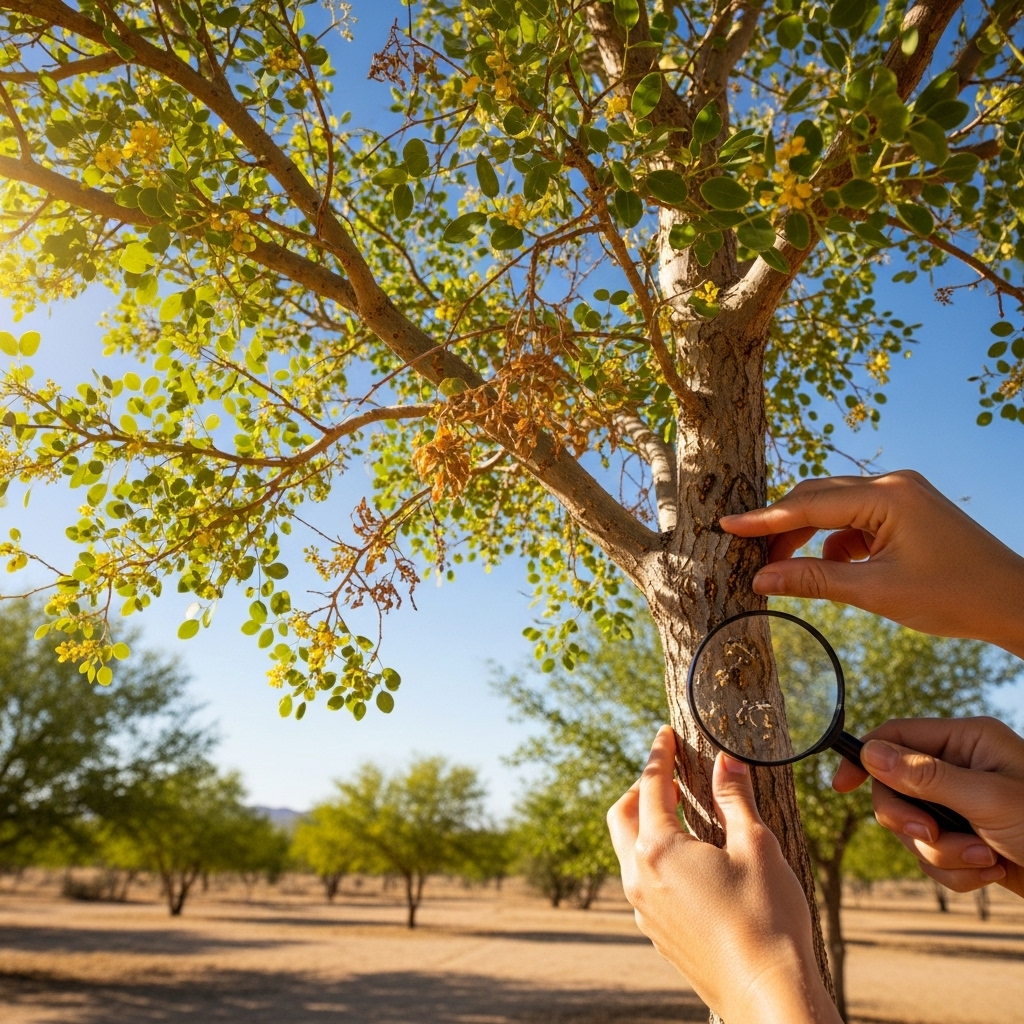
Palo Verde trees can reach heights of 15 to 30 feet, with a spread of up to 25 feet. I’ve noticed that their branches often grow in a way that creates an open canopy, providing dappled shade without blocking too much light. One of my favorite aspects is the vibrant yellow flowers that bloom in late spring and summer, attracting bees and other pollinators. The bark itself is smooth and green, which adds to its aesthetic appeal. They can tolerate poor soil, drought, and extreme heat, making them one of the hardiest trees I’ve seen. In my experience, they do well in sandy or rocky soils, which is a huge plus for those of us living in desert regions.
Importance in Ecosystems
The Palo Verde tree plays a crucial role in supporting local ecosystems. From my observations, these trees provide habitat and food sources for various wildlife, including birds, insects, and small mammals. Their flowers attract pollinators, which are essential for the health of many plants in the area. Additionally, I’ve learned that the seeds produced by Palo Verde trees are a food source for various animals. The trees also help prevent soil erosion, which is especially important in desert environments where the land can be quite vulnerable. I’ve often seen how they create a microhabitat, fostering biodiversity in otherwise sparse landscapes.
Types of Palo Verde Trees
Blue Palo Verde (Parkinsonia florida)
The Blue Palo Verde is one of the most recognized types. I remember visiting a botanical garden and being drawn to its blue-green foliage, which stands out against the typical desert landscape. These trees can grow up to 30 feet tall and thrive in areas with well-drained soil. They are quite drought-tolerant, and in my experience, they add a stunning color contrast when planted alongside other desert plants.
Mexican Palo Verde (Parkinsonia aculeata)
Mexican Palo Verde has a more sprawling form compared to its blue counterpart. I noticed that these trees can grow up to 25 feet tall and often have thorns on their branches, which can deter some animals. Their bright yellow flowers are also a sight to behold, and I find that they bloom a bit earlier than other varieties. They are ideal for attracting bees, which is fantastic for anyone looking to create a pollinator-friendly garden.
California Palo Verde (Parkinsonia microphylla)
This variety is smaller, typically reaching heights of 15 to 20 feet. I appreciate how the California Palo Verde has smaller leaves, which help reduce water loss. I’ve planted a couple in my yard, and they’ve thrived beautifully, providing a lovely shade without taking up too much space. Their flowers are also bright yellow, mixing well with the other vibrant foliage in the garden.
Comparison of Different Types
When choosing the right Palo Verde for your garden, it’s essential to consider the differences. From what I’ve seen, the Blue Palo Verde thrives in cooler areas, while the Mexican type prefers slightly warmer conditions. The California Palo Verde is perfect for smaller spaces, but it doesn’t compromise on beauty. I recommend assessing your garden’s environment, including temperature, soil type, and available space, to find the best fit.
Palo Verde Tree Problems
Common Issues Affecting Palo Verde Trees
I’ve found that even the hardiest trees like the Palo Verde can face a variety of challenges. One of the most common issues I’ve seen is leaf drop, which can be alarming if you’re not sure what’s going on. It’s completely normal for these trees to shed some leaves, especially during dry spells or extreme heat. However, if you notice excessive leaf loss, it could indicate other underlying problems. Another issue I’ve encountered is yellowing leaves, which can be a sign of stress, nutrient deficiencies, or even pests. Identifying these problems early can often save the tree from further decline.
Environmental Stress Factors
Environmental stress is something I’ve learned to pay close attention to with my Palo Verde trees. They’re tough, but they still have their limits. Prolonged drought conditions can lead to stress, causing the trees to drop leaves or even develop cracks in their bark. I remember one summer when we had an unusually hot spell, and my trees looked a bit droopy. I realized then how important it is to monitor weather patterns and provide supplemental watering during those extreme conditions. Additionally, sudden temperature changes can shock the trees, so it’s crucial to protect them during unexpected frosts or cold snaps.
Soil and Water Requirements
From my experience, understanding soil and water requirements is key to keeping Palo Verde trees healthy. They thrive in well-drained soils, but I’ve noticed that if the soil retains too much moisture, it can lead to root rot. I recommend checking the drainage in your planting area. If you’re unsure, a simple test with a shovel can show you how quickly water drains away. I’ve seen better results when I create mounds or berms for my trees, allowing excess water to drain away quickly. As for watering, I usually water deeply but infrequently, which encourages the roots to grow deeper into the soil.
Invasive Species and Competing Plants
While I love the vibrant landscape that comes with a variety of plants, I’ve learned the hard way that invasive species can be a major threat to Palo Verde trees. They can compete for resources, water, and nutrients, often overtaking the area if not managed. I’ve had to remove some aggressive weeds and invasive plants from my garden to ensure my Palo Verde trees have enough room to thrive. I recommend regularly inspecting your garden for any unwanted plants and keeping an eye on their growth. A proactive approach can make a huge difference in maintaining a healthy ecosystem for your trees.
Palo Verde Tree Diseases
Leaf Drop and Yellowing
When I first saw my Palo Verde leaves turning yellow, I was genuinely concerned. It took some research to figure out that leaf drop and yellowing could stem from several causes, including environmental stress or even nutrient imbalances. Ensuring that the soil has enough nutrients is crucial. I’ve learned to regularly test my soil and adjust my fertilization accordingly. Sometimes, just a simple change in care can bring those vibrant leaves back and restore the tree’s health.
Canker Diseases
Canker diseases are another issue I’ve encountered with Palo Verde trees. These cankers, which appear as sunken areas on the bark, can be detrimental if not addressed early. I remember spotting a canker on one of my trees and quickly realized the importance of trimming away affected branches and ensuring proper air circulation around the tree. Keeping the area clear of debris can also help prevent the spread of these diseases.
Root Rot and Fungal Infections
Root rot is something that can sneak up on you if you’re not careful. I’ve learned that overwatering is the primary culprit. If you notice wilting leaves or stunted growth, it might be time to check the roots. I’ve had to dig around the base of my trees to see if they were mushy or discolored, which is a sign of rot. If I find any affected roots, I prune them away and adjust my watering habits. Ensuring good drainage is essential in preventing these fungal infections.
Viral Infections
I’ve also come across the issue of viral infections in Palo Verde trees. These infections can cause various symptoms, including stunted growth and discoloration. While there’s often not much that can be done to cure viral infections, I’ve found that maintaining overall tree health can help improve resilience. Regular monitoring and care can make a significant difference, so I always keep an eye out for any unusual symptoms.
Palo Verde Tree Pests
Common Insect Pests
I’ve realized that just like any other plant, Palo Verde trees can attract their fair share of pests that can harm their health. One common pest I’ve encountered is the Palo Verde borer, a beetle that bores into the tree’s trunk. I remember the first time I noticed the telltale signs—small holes and frass (wood dust) at the base of the tree. It was alarming! Another pest I’ve had to deal with is the leafcutter bee, which, while not harmful in large numbers, can create unsightly holes in the leaves. I’ve also seen aphids and spider mites, which can sap the tree’s vitality if not managed. Keeping an eye out for these pests is key to ensuring my trees remain healthy and vibrant.
Signs of Infestation
Identifying a pest infestation early can make a huge difference in managing the issue effectively. I’ve learned from experience that if I notice my Palo Verde trees looking less vibrant than usual or if I see a significant drop in flowers, it’s time to investigate. For me, one of the first signs of trouble is curling or distorted leaves, which can indicate aphid activity. Additionally, if you see webbing between branches, that’s often a sign of spider mites. I remember once discovering small yellowing patches on the leaves, which prompted me to investigate and ultimately treat for pests. Keeping a close watch on the tree’s overall appearance has been invaluable.
Management and Prevention
When it comes to managing pests, I’ve found that prevention is often the best strategy. I try to maintain healthy trees by ensuring they’re not stressed and have the right growing conditions. For any pests I do find, I often start with natural remedies. For instance, I’ve used insecticidal soap to treat aphids, which has worked wonders without harming beneficial insects like bees. Additionally, I’ve learned to introduce beneficial insects, such as ladybugs, to my garden, as they help keep aphid populations in check. Regularly inspecting my trees and keeping the area around them clean has also helped minimize pest problems. I believe that being proactive is essential to enjoying the beauty of these trees without the stress of infestations.
Palo Verde Tree Images
Images of Different Types
Sharing images of Palo Verde trees can be incredibly helpful for anyone looking to identify or appreciate their beauty. I’ve often found that visually seeing the differences among the three types—Blue, Mexican, and California Palo Verde—can help in making a choice for one’s garden. I remember browsing through a gallery of these trees and noting how the Blue Palo Verde has a striking blue-green hue, while the Mexican variety dazzles with its bright yellow flowers. The California Palo Verde’s smaller stature and delicate leaves also have a charm of their own. Having a visual reference makes it easier to appreciate what these trees can bring to a landscape.
Symptoms of Common Problems
Images can also be a great way to learn about the symptoms of common issues. I once came across a resource that showcased yellowing leaves, cankers, and even signs of pest damage. Seeing those images helped me recognize similar issues in my own trees before they became serious. It’s fascinating how a simple photo can provide so much insight into what to look for and how to respond. I believe that having a visual guide can empower us as gardeners to take better care of our Palo Verde trees.
Healthy vs. Affected Trees
Seeing side-by-side comparisons of healthy versus affected Palo Verde trees has been an eye-opener for me. When I first started gardening, I didn’t realize how subtle some symptoms could be. For example, I’ve seen photos highlighting the difference between a vibrant tree with lush foliage and one that has been affected by pests or diseases, showing signs of stress, such as leaf drop or discoloration. This visual contrast has helped me understand what a thriving tree looks like, guiding my maintenance practices. I think it’s crucial to know the benchmarks of health so that we can act swiftly when something seems off.
Palo Verde Tree Disease Photos
Close-up of Disease Symptoms
Close-up photos of disease symptoms can be quite revealing. I remember looking at detailed images of cankers, leaf spots, and root rot. These visuals provided clarity on what to look for when examining my trees. When I spotted a canker on one of mine, having seen how it appeared in pictures helped me identify it quickly. I’ve learned the importance of being vigilant and knowing exactly what these diseases look like because early detection is vital for treatment and recovery.
Pest Damage Visuals
Pest damage can sometimes be mistaken for other issues, so I appreciate having access to images that illustrate the effects of common pests. For instance, I once saw a visual comparison between healthy leaves and those damaged by spider mites—what a difference! The discoloration and stippling on the leaves were unmistakable. Learning to differentiate between pest damage and other problems has made me more adept at diagnosing issues in my own garden.
Before and After Treatment Photos
One of the most encouraging things I’ve discovered through online resources is the before and after treatment photos. I remember feeling inspired when I saw how other gardeners successfully revived their troubled Palo Verde trees. It reminded me that with proper care and attention, even trees that seemed to be on the brink of decline could bounce back. These visuals serve as a testament to the resilience of Palo Verde trees and provide hope for those of us who face challenges.
Care and Maintenance Tips for Palo Verde Trees
Proper Watering Techniques
Watering is one of the most critical aspects of caring for Palo Verde trees. From my experience, it’s essential to balance between not overwatering and ensuring they get enough moisture, especially when they are young. I usually water deeply, but infrequently, encouraging the roots to grow deeper into the soil where they can access moisture more effectively. During the hotter months, I tend to increase the frequency of watering, but I always make sure to check the soil first. If it’s still damp a couple of inches down, I hold off. This way, I avoid the risk of root rot, which can sneak up on you if you’re not careful.
Fertilization and Soil Health
When it comes to fertilization, I’ve learned that less is often more with Palo Verde trees. They thrive in poor soils, so I typically use a low-nitrogen fertilizer only once or twice a year. I’ve found that a balanced fertilizer helps enhance their growth without overwhelming them. Regular soil testing has also become a part of my routine—this helps me understand the nutrient levels in the soil and make adjustments as needed. If I know the soil is lacking in certain nutrients, I can amend it accordingly. Keeping the soil healthy is so important for the overall vitality of the trees.
Pruning and Shaping
Pruning is another essential practice I’ve adopted to maintain my Palo Verde trees. I usually do this in late winter or early spring before the new growth starts. I focus on removing any dead or crossing branches to promote good air circulation. I’ve noticed that a well-pruned tree not only looks better but also helps prevent disease by minimizing overcrowding. I’ve also shaped my trees to encourage a more open canopy, which allows sunlight to filter through and provides a beautiful aesthetic in my garden. Just be cautious not to over-prune, as these trees need their foliage for photosynthesis.
Monitoring for Pests and Diseases
Being vigilant about pests and diseases has saved me a lot of headaches. I make it a point to check my trees regularly for any signs of trouble. If I notice anything unusual, like discoloration or leaf drop, I investigate further. I’ve discovered that catching pests or diseases early makes a world of difference in treatment success. I keep a small toolkit handy with natural pest control solutions like neem oil and insecticidal soap. This proactive approach has really helped me maintain the health and beauty of my Palo Verde trees.
Frequently Asked Questions about Palo Verde Trees
How to Identify Healthy vs. Unhealthy Palo Verde Trees?
Identifying a healthy Palo Verde tree is quite straightforward once you know what to look for. Healthy trees have vibrant green bark, lush foliage, and abundant flowers during blooming season. In contrast, unhealthy trees might show signs like yellowing leaves, leaf drop, or an overall droopy appearance. I often check for pests and cankers, which can indicate stress. Regular observation has helped me catch issues before they escalate.
What Are the Best Growing Conditions?
Palo Verde trees prefer full sun and well-drained soil. They thrive in arid environments and are quite drought-tolerant. I’ve seen them do well in sandy or rocky soil, which is common in desert areas. If you’re considering planting one, I recommend placing it in a spot where it can soak up plenty of sunlight. They appreciate the heat and don’t like being in overly moist conditions.
How to Treat Common Diseases?
Treating common diseases often starts with prevention. I’ve learned that ensuring proper watering and soil conditions is the first line of defense. For issues like cankers, I prune away affected branches and ensure good air circulation. For root rot, I adjust my watering schedule and improve drainage. If I encounter pests, I opt for organic treatments that are safe for the tree and surrounding wildlife. Read Interesting article: King Palm Tree Growth Rate for Tropical Landscapes
Can Palo Verde Trees Grow in Containers?
While it’s possible to grow Palo Verde trees in containers, I’ve found that it requires more careful attention to watering and soil management. They need enough room for their roots to spread, so I recommend using a large container. Container-grown trees may not reach their full potential size, but they can still thrive if given proper care. Just make sure to choose a well-draining potting mix and monitor moisture levels closely.
Final Thoughts
Caring for Palo Verde trees has been a rewarding journey for me. Their beauty and resilience in challenging environments make them a fantastic addition to any garden. By understanding their needs and being proactive about maintenance, I’ve seen these trees thrive and flourish. I encourage anyone interested in gardening to consider these unique trees. With a little attention and love, they can bring joy, beauty, and ecological benefits to your landscape.
Frequently Asked Questions
“`html
What is a Palo Verde Tree?
A Palo Verde tree is a captivating tree known for its vibrant yellow flowers and unique green bark. Native to the arid regions of the Southwestern United States and Mexico, these trees belong to the legume family and have green stems that perform photosynthesis, helping them thrive in harsh desert conditions.
What are the characteristics of Palo Verde trees?
Palo Verde trees can reach heights of 15 to 30 feet with a spread of up to 25 feet. They have an open canopy that provides dappled shade and vibrant yellow flowers that attract pollinators. The smooth green bark adds to their aesthetic appeal, and they can tolerate poor soil, drought, and extreme heat.
What types of Palo Verde trees are there?
There are three main types of Palo Verde trees: Blue Palo Verde (Parkinsonia florida), Mexican Palo Verde (Parkinsonia aculeata), and California Palo Verde (Parkinsonia microphylla). Each type has its own height, growth form, and specific characteristics, making them suitable for various garden conditions.
What common problems do Palo Verde trees face?
Palo Verde trees can face issues such as leaf drop, yellowing leaves, environmental stress, and root rot. These problems can arise from nutrient deficiencies, overwatering, or pests, and it’s essential to identify them early to prevent further decline.
How do environmental stress factors affect Palo Verde trees?
Environmental stress factors like prolonged drought, sudden temperature changes, and poor soil drainage can lead to leaf drop, bark cracks, and overall tree stress. Monitoring weather patterns and adjusting care accordingly is crucial for their health.
What are the watering requirements for Palo Verde trees?
Palo Verde trees thrive in well-drained soils and require deep, infrequent watering to encourage deep root growth. It’s important to check the soil moisture before watering to prevent root rot caused by overwatering.
How can I manage pests affecting Palo Verde trees?
To manage pests, regularly inspect your Palo Verde trees for signs of infestation. If pests are found, natural remedies like insecticidal soap can be effective. Maintaining healthy trees through proper care and introducing beneficial insects can also help keep pest populations in check.
What signs indicate that a Palo Verde tree is unhealthy?
Signs of an unhealthy Palo Verde tree include yellowing leaves, excessive leaf drop, a droopy appearance, and visible pests or cankers. Regular observation helps catch these issues early before they become more serious.
Can Palo Verde trees be grown in containers?
Yes, Palo Verde trees can be grown in containers, but it requires careful attention to watering and soil management. A large container with well-draining potting mix is recommended to support root growth, although container-grown trees may not reach their full size.
How can I treat common diseases affecting Palo Verde trees?
Treating common diseases involves ensuring proper watering and soil conditions. For cankers, prune affected branches, and for root rot, adjust the watering schedule. Organic treatments are preferred for pest issues to protect the tree and surrounding wildlife.
“`