
If you’re looking to add a stunning touch of green to your landscape, Palo Verde trees might just be what you need. These unique trees are not only beautiful but also incredibly resilient! For more insights, check out our article on Palo Verde Trees: Types, Problems, Diseases & Identification.
Table of Contents
Overview of Palo Verde Trees
What is a Palo Verde Tree?
Palo Verde trees are remarkable for their striking green bark and vibrant yellow flowers. The name “Palo Verde” translates to “green stick” in Spanish, which perfectly describes their unique appearance. These trees belong to the legume family and are primarily found in arid desert regions of the southwestern United States and Mexico. They thrive in hot climates and have adapted beautifully to withstand drought, making them a popular choice for desert landscaping.
Significance of Palo Verde Trees in Landscaping
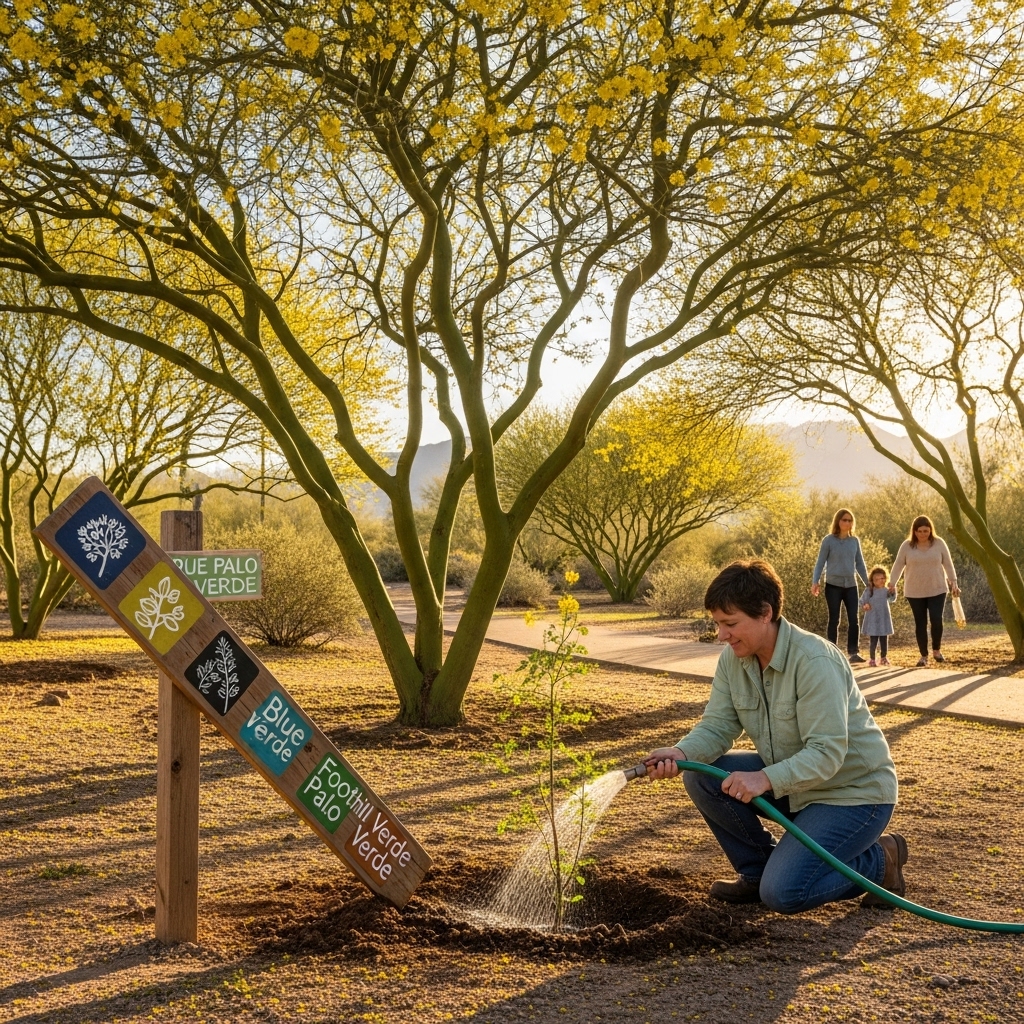
For anyone considering landscaping options, Palo Verde trees are a fantastic choice. Their ability to provide shade and their stunning visual appeal make them valuable assets in gardens and yards. I remember the first time I saw a Palo Verde tree in full bloom; the yellow flowers against the green bark created a breathtaking contrast that instantly caught my eye. Not only do they enhance the beauty of any space, but they also support local wildlife by providing habitat and food for birds and insects.
Moreover, these trees contribute to water conservation efforts. Their deep root systems allow them to access moisture from the ground, reducing the need for additional watering. As someone who has tried various plants in my garden, I can confidently say that Palo Verde trees are low-maintenance and environmentally friendly options that thrive with minimal care. They also help to improve air quality by absorbing carbon dioxide and releasing oxygen, making them a green choice for any landscape.
Types of Palo Verde Trees
Blue Palo Verde (Parkinsonia florida)
The Blue Palo Verde is one of the most visually striking types of Palo Verde trees. I find its blue-green bark particularly appealing, and it stands out beautifully in a landscape. This species can grow up to 30 feet tall and has a broad, spreading canopy that provides ample shade. The flowers are bright yellow and bloom in the spring, attracting bees and butterflies, which is an absolute delight for nature lovers like myself.
Mexican Palo Verde (Parkinsonia aculeata)
Mexican Palo Verde is another popular variety, known for its thorny branches and vibrant yellow flowers. I appreciate how this tree can reach heights of 20 to 25 feet, making it perfect for smaller yards. It tends to have a more upright growth habit compared to the Blue Palo Verde. The Mexican Palo Verde is also quite drought-tolerant, making it an excellent choice for those in arid areas seeking a resilient tree. For more details on the pros and cons of these trees, read our article on Pros and Cons of Palo Verde Trees: 4 Surprising Facts.
Desert Palo Verde (Parkinsonia microphylla)
The Desert Palo Verde is the smallest of the three types, typically reaching heights of 10 to 15 feet. I’ve found this species particularly charming due to its delicate, feathery leaves and the way it attracts hummingbirds with its flowers. This tree can create a lovely addition to any garden, especially if you’re looking to conserve space while still introducing a vibrant splash of color.
Comparison of Different Types
When comparing these three types of Palo Verde trees, I noticed that the choice often comes down to the specific needs of your garden. The Blue Palo Verde, with its grand size, is perfect for larger spaces and offers a lot of shade. The Mexican Palo Verde, on the other hand, is ideal for those with smaller areas as it retains a more compact form. Lastly, the Desert Palo Verde is best suited for gardeners who might want a unique touch without overwhelming their yard. Each tree has its own charm, and I believe the right choice depends on your landscape goals and personal preferences.
In my experience, planting any of these varieties leads to a beautiful and functional landscape element that requires relatively little maintenance once established. As we continue to explore more about the unique characteristics and care of Palo Verde trees, I believe you’ll find that they might just be the perfect addition to your home and garden.
Identifying Palo Verde Trees
Characteristics of Palo Verde Trees
Identifying a Palo Verde tree is a delightful experience, and I’ve found that once you know what to look for, these trees are hard to miss. The first thing that stands out is their distinctive green bark, which is quite unique among trees. Instead of the typical brown or gray bark, the green coloration of the Palo Verde serves a vital function; it allows the tree to photosynthesize even when it loses its leaves during dry seasons. I remember walking through a desert landscape and being captivated by the vibrant greenery of these trees, especially during the blooming season when they burst into color with their stunning yellow flowers.
Leaf Structure and Color
Another characteristic that helps in identifying Palo Verde trees is their leaf structure. Unlike many trees, the leaves of Palo Verde trees can be quite small, often resembling tiny pin-like structures. This adaptation is crucial for reducing water loss in arid climates. I’ve noticed that the Blue Palo Verde has slightly larger leaves compared to the other varieties, but they all share that lovely, light green hue that adds to their charm. The leaves can sometimes be so sparse that the tree almost appears leafless at certain times of the year, which only helps to accentuate the beauty of the vivid blossoms.
Flowers and Fruit Identification
Palo Verde trees are perhaps most easily identified by their bright yellow flowers that bloom in spring. When I first spotted a cluster of those flowers, it felt like discovering hidden gems in a vast desert. The blossoms cover the tree, creating a stunning display that attracts a variety of pollinators, including bees and butterflies. After the flowering season, the tree produces long, flat seed pods that can also be a helpful identification feature. The pods are usually green and turn brown as they mature, making them a unique addition to the landscape. I often enjoy collecting these pods from the ground, as they can be a fun reminder of the tree’s life cycle.
Common Mistakes in Identification
Even with such distinctive characteristics, I’ve learned that people sometimes confuse Palo Verde trees with other species. One common mistake is mistaking them for mesquite trees due to their similar growth habits and leaf structures. However, mesquite trees typically have a more bushy appearance and produce different types of flowers and seed pods. I recommend paying close attention to the bark and flowers, as these are often the best indicators. Another mistake I’ve noticed is overlooking the varying sizes of the different types of Palo Verde trees. Each type has its own unique growth patterns and features, and knowing these can help you choose the right one for your landscape.
Care and Maintenance of Palo Verde Trees
Soil Requirements
When it comes to caring for Palo Verde trees, understanding their soil requirements is essential. These trees thrive in well-draining soil, which is crucial to prevent root rot. I’ve found that sandy or rocky soils are typically ideal, as they mimic the tree’s native environment. If your soil is heavy or clay-like, consider amending it with sand or organic matter to improve drainage. I remember when I first planted my own Palo Verde; I made sure to check the soil’s drainage, and it made all the difference in its growth and health.
Watering Guidelines
Watering is another vital aspect of Palo Verde care. While they are drought-tolerant once established, young trees will need regular watering to help them establish their root systems. I usually water my young Palo Verde once a week, gradually reducing the frequency as they mature. It’s important to let the soil dry out between waterings, as this helps mimic their natural growing conditions. I’ve learned the hard way that overwatering can be detrimental, so it’s always best to check the soil moisture before adding more water.
Sunlight and Location Preferences
Choosing the right location for a Palo Verde tree is crucial for its success. These trees love full sun, so I always recommend planting them in areas where they can soak up at least six hours of sunlight each day. I placed mine in a sunny spot in my yard, and it has thrived beautifully. They are also quite tolerant of heat, which makes them perfect for arid climates. Just be mindful of any nearby structures or plants that could shade them, as they won’t grow to their full potential in low-light conditions.
Pruning Techniques
Pruning is an important part of maintaining a healthy Palo Verde tree. I’ve found that regular pruning helps to promote better air circulation and encourages healthier growth. The best time to prune is in late winter or early spring before the blooming season starts. I usually focus on removing any dead or crossing branches and shaping the tree to encourage a balanced canopy. It’s also vital to use clean, sharp tools to avoid damaging the tree and to prevent any potential infections.
Pest and Disease Management
While Palo Verde trees are generally resilient, they can be susceptible to certain pests and diseases. I’ve noticed that aphids sometimes invade the flowers, but they are usually manageable with a simple spray of water or a mild insecticidal soap. It’s also wise to keep an eye out for any signs of disease, such as leaf spots or unusual growths. Early detection has been key for me in keeping my trees healthy. I recommend observing your trees regularly and knowing what to look for, so you can act quickly if any issues arise.
Where to Purchase Palo Verde Trees
Local Nurseries and Garden Centers
If you’re eager to bring a Palo Verde tree into your garden, starting at a local nursery or garden center is a great option. I remember my first visit to a nursery; the friendly staff were not only knowledgeable but also genuinely excited to help me find the perfect tree for my landscape. Local nurseries often carry a variety of Palo Verde species, allowing you to see the trees in person before making a decision. This hands-on experience can be invaluable, as you can assess the tree’s health and suitability for your environment. Plus, I always find it rewarding to support local businesses.
Online Retailers for Palo Verde Trees
For those who prefer the convenience of shopping from home, online retailers are a fantastic resource. There are several reputable websites that specialize in trees and plants, including Palo Verde options. When I decided to add another tree to my yard, I explored a few online nurseries and found a great selection at competitive prices. However, it’s essential to choose a reliable seller; I recommend looking for reviews and checking their return policy. After all, you want to ensure that you receive a healthy tree that will thrive in your garden. You can also check out our piece on 10 Fun Facts About Palo Verde Trees: Desert Beauties for more information.
Factors to Consider When Buying
When purchasing a Palo Verde tree, there are several factors to keep in mind to ensure you make the best choice. Firstly, consider the size of the tree; young trees are often less expensive and easier to transport, but mature trees can provide an instant impact in your landscape. I’ve learned that smaller trees tend to adapt better to their new location and establish their roots more quickly, while larger trees can offer immediate shade and beauty.
Another important factor is the tree’s health. I always look for vibrant leaves, a robust trunk, and a well-formed canopy. Avoid any trees that show signs of disease, such as spots on the leaves or unusual growths. Additionally, inquire about the tree’s origin; locally grown trees are often better suited for your climate and soil conditions. Lastly, don’t hesitate to ask the nursery staff for care tips specific to the variety you choose—this personal touch can be incredibly helpful for first-time growers.
Planting Palo Verde Trees
Best Time for Planting
Timing is everything when it comes to planting a Palo Verde tree. I’ve discovered that the best time to plant these trees is in the spring or early fall. By planting in spring, you give the tree ample time to establish its roots before the heat of summer kicks in. Similarly, planting in early fall allows the roots to settle in before winter. My first Palo Verde was planted in early spring, and I was amazed at how quickly it adapted and grew in the sunny spot I selected.
Preparation of the Planting Site
Preparing the planting site is just as crucial as timing. I always start by choosing a location that receives plenty of sunlight—at least six hours a day. Next, I clear the area of any weeds or debris to create a welcoming space for the tree. It’s also important to dig a hole that is twice as wide as the root ball but no deeper than the root system. This ensures that the roots have room to spread out without becoming waterlogged. When I planted my second Palo Verde, I made sure to check the drainage, and it made a significant difference in its growth.
Step-by-Step Planting Guide
Now, let’s go through the steps I follow when planting a Palo Verde tree:
- Dig the Hole: As mentioned, dig a hole that is twice as wide as the root ball.
- Prepare the Soil: Mix some native soil with compost to create a nutrient-rich environment.
- Place the Tree: Gently place the Palo Verde in the center of the hole, ensuring that the top of the root ball is level with the surrounding soil.
- Backfill the Hole: Carefully backfill the hole with the soil mixture, packing it lightly to eliminate air pockets.
- Water Thoroughly: After planting, water the tree thoroughly to help settle the soil around the roots.
- Mulch: Apply a layer of mulch around the base of the tree to retain moisture and suppress weeds.
Following these steps has always led to successful plantings for me. I love watching my Palo Verde trees flourish and grow stronger as they settle into their new home.
Common Uses of Palo Verde Trees in Landscaping
Shade and Aesthetic Value
Palo Verde trees are not just beautiful; they provide much-needed shade during hot summer months. I remember relaxing under my Palo Verde on a sweltering afternoon, enjoying the cool breeze while surrounded by vibrant yellow flowers. They can create a lovely focal point in gardens and yards, offering a striking contrast against other plants and greenery. Their unique bark and foliage also provide texture and depth to a landscape, making them a favorite among gardeners and landscapers alike.
Wildlife Support and Habitat Creation
One of the most rewarding aspects of planting Palo Verde trees is how they support local wildlife. I’ve seen more birds and butterflies visiting my garden since adding these trees. The flowers attract pollinators, while the dense canopy provides shelter for birds and small animals. I feel that creating a habitat for wildlife not only enhances our gardens but also contributes to the local ecosystem. It’s a fantastic way to connect with nature right in our own backyards!
Water Conservation Benefits
In addition to their beauty and wildlife benefits, Palo Verde trees are champions of water conservation. Their deep root systems allow them to draw moisture from the soil, making them ideal for arid environments. I love knowing that my trees require minimal watering, especially during dry spells. This not only saves me time and effort but also supports sustainable gardening practices, which I believe is essential in today’s climate. Embracing plants like the Palo Verde that thrive with less water is a step we can all take toward a greener future.
Frequently Asked Questions
What is a Palo Verde tree?
Palo Verde trees are known for their striking green bark and vibrant yellow flowers. The name “Palo Verde” translates to “green stick” in Spanish, and these trees thrive in hot, arid desert regions of the southwestern United States and Mexico.
What are the types of Palo Verde trees?
There are three main types of Palo Verde trees: Blue Palo Verde (Parkinsonia florida), Mexican Palo Verde (Parkinsonia aculeata), and Desert Palo Verde (Parkinsonia microphylla). Each type has its own unique characteristics and growth habits.
How do Palo Verde trees contribute to landscaping?
Palo Verde trees provide shade, enhance visual appeal, support local wildlife, and contribute to water conservation efforts due to their deep root systems that access moisture from the ground.
What are the soil requirements for Palo Verde trees?
Palo Verde trees thrive in well-draining soil, such as sandy or rocky soils, to prevent root rot. If the soil is heavy or clay-like, it is advisable to amend it with sand or organic matter to improve drainage.
How often should I water a young Palo Verde tree?
Young Palo Verde trees need regular watering to help establish their root systems. It is recommended to water them once a week, gradually reducing the frequency as they mature and become more drought-tolerant.
When is the best time to plant a Palo Verde tree?
The best time to plant a Palo Verde tree is in the spring or early fall, allowing the tree to establish its roots before the heat of summer or winter conditions set in.
What pests and diseases should I be aware of with Palo Verde trees?
Palo Verde trees can be susceptible to pests like aphids and may show signs of diseases such as leaf spots. Early detection and management, such as using water sprays or mild insecticidal soap, are key to keeping the trees healthy.
Where can I purchase Palo Verde trees?
Palo Verde trees can be purchased at local nurseries and garden centers, where you can assess their health in person, or from online retailers that specialize in trees and plants.
What factors should I consider when buying a Palo Verde tree?
When buying a Palo Verde tree, consider the size of the tree, its health (vibrant leaves and robust trunk), and its origin (locally grown trees are often better suited for your climate). Asking for care tips from nursery staff can also be helpful.
How do Palo Verde trees support wildlife?
Palo Verde trees support local wildlife by attracting pollinators with their flowers and providing shelter for birds and small animals within their dense canopies, contributing positively to the local ecosystem.