
Palo Verde trees are a captivating addition to any landscape, known for their unique beauty and ecological significance. In this article, we will explore various aspects of these trees, including their types, identification, problems, and diseases. Read Interesting article: Pros and Cons of Palo Verde Trees: 4 Surprising Facts
Overview of Palo Verde Trees
What are Palo Verde Trees?
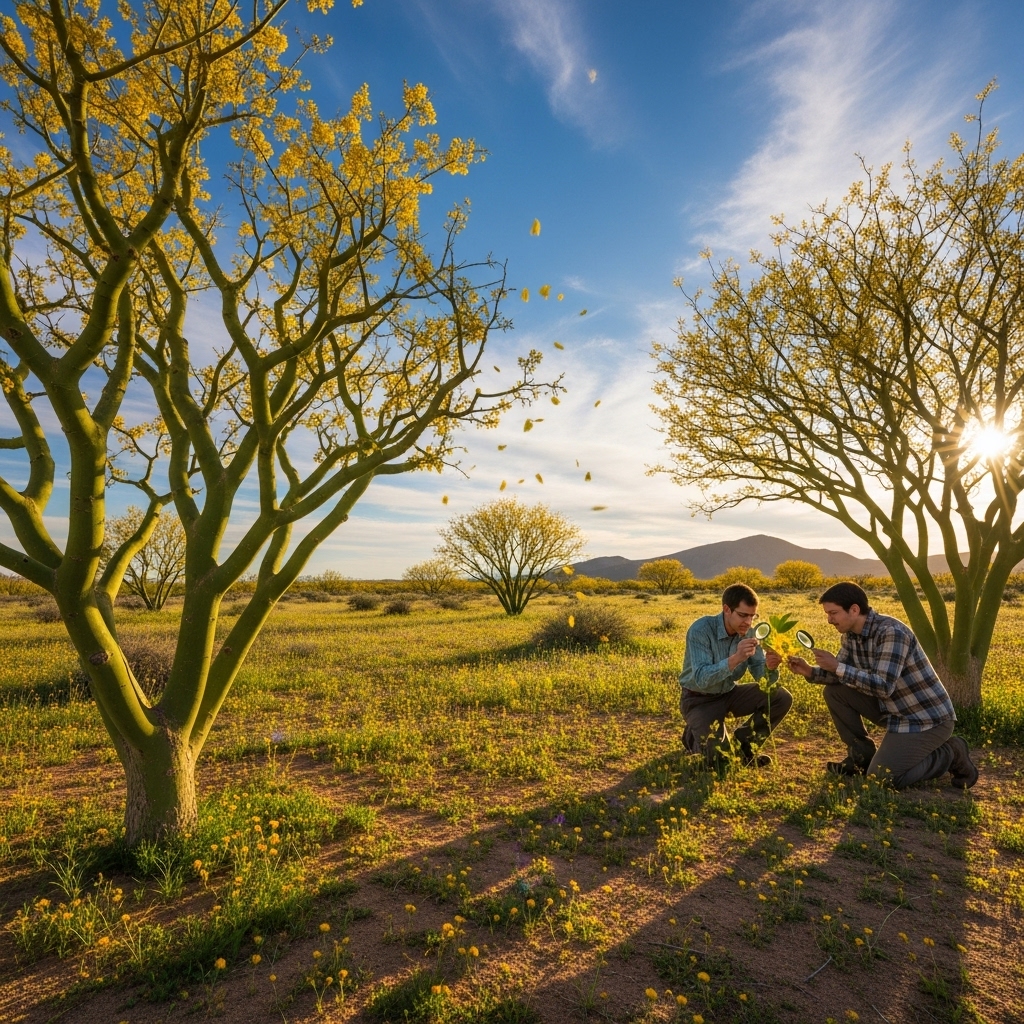
Palo Verde trees are native to the arid regions of the southwestern United States and Mexico. Their name, which translates to “green stick” in Spanish, refers to their green bark that photosynthesizes, allowing them to thrive in harsh conditions. I remember the first time I encountered a Palo Verde tree; its vibrant green trunk stood out against the desert landscape, making me curious about its resilience and adaptability. These trees can grow up to 30 feet tall and typically have a broad canopy that provides shade and beauty to their surroundings.
Importance in the Ecosystem
Palo Verde trees play a crucial role in their ecosystems. They provide habitat and food for various wildlife, including birds, insects, and small mammals. I’ve seen birds nesting in their branches and bees buzzing around their flowers during the blooming season. The tree’s deep roots help stabilize the soil, preventing erosion, while its leaves and flowers offer nectar and pollen, supporting pollinators. Additionally, their ability to survive with minimal water makes them an excellent choice for xeriscaping, promoting water conservation in landscape design. Read Interesting article: 10 Fun Facts About Palo Verde Trees: Desert Beauties
Types of Palo Verde Trees
Blue Palo Verde (Parkinsonia florida)
The Blue Palo Verde, or Parkinsonia florida, is perhaps the most recognizable of the Palo Verde species. I’ve admired its striking blue-green bark, which truly sets it apart from the others. This tree typically grows between 25 and 30 feet tall and boasts beautiful yellow flowers that bloom in the spring. The flowers attract various pollinators, making it a delightful sight in any garden. I’ve found that this species thrives in well-drained soils and can tolerate drought conditions, which is a blessing for anyone living in arid areas.
Green Palo Verde (Parkinsonia aculeata)
The Green Palo Verde, or Parkinsonia aculeata, is another common species. It features a more thorny appearance, with slender branches and green stems. I’ve noticed that its flowers are also yellow but tend to be smaller and less showy compared to the Blue Palo Verde. This tree can reach heights of up to 30 feet and often grows in a more bush-like form. I appreciate how adaptable this species is; it can thrive in various soil types and can handle occasional flooding.
Mexican Palo Verde (Parkinsonia texana)
The Mexican Palo Verde, or Parkinsonia texana, is slightly less common but still an essential part of the Palo Verde family. I’ve come across this species in southern Texas and northern Mexico. It has a more pronounced trunk and a dense canopy that provides excellent shade. The flowers are similar to those of its relatives, blooming in clusters of bright yellow. This species is also known for its resistance to certain pests and diseases, making it a resilient choice for landscaping.
Differences Between Species
While all three types of Palo Verde trees share some similarities, they each have distinctive features. The Blue Palo Verde is known for its striking bark and vibrant blooms, while the Green Palo Verde has a thornier appearance and more adaptability to different environments. On the other hand, the Mexican Palo Verde stands out with its robust trunk and dense foliage. Understanding these differences can help you choose the right type of Palo Verde for your landscape or garden. I’ve found that considering your local climate and soil conditions is essential when selecting the right tree.
Identification of Palo Verde Trees
Physical Characteristics
Identifying Palo Verde trees is quite an adventure, as their unique features make them stand out in any landscape. One of the first things I noticed about these trees is their distinct green bark. Unlike most trees, whose bark is brown or gray, the green bark of Palo Verde trees serves a practical purpose: it photosynthesizes! This means that even while they shed their leaves during dry periods, they can still produce energy. The branches are often spindly and can appear thorny, especially in the Green Palo Verde, which adds to the tree’s character. I remember being surprised by how delicate yet resilient they look, swaying gracefully in the wind.
Leaf Structure and Color
The leaves of Palo Verde trees are another fascinating feature. Depending on the species, the leaf structure can vary significantly. For instance, I’ve noticed that the Blue Palo Verde has small, compound leaves that are primarily green, while the Green Palo Verde can have a more sparse leaf appearance, especially during extremely dry seasons. The Mexican Palo Verde also has small leaves but tends to keep them longer, giving it a fuller appearance. Observing how these trees adapt their leaf structure to their environment has really made me appreciate their resilience. When they do have leaves, they are typically a vibrant green, contributing to their fresh appearance.
Flowering and Fruit Production
The flowering season is one of the most delightful times to observe Palo Verde trees. Each species showcases its blooms in different ways. I’ve seen the Blue Palo Verde burst into vibrant yellow flowers that create a stunning contrast against its blue-green bark. These flowers usually appear in the spring and attract a variety of pollinators, making the tree a lively part of the ecosystem. The Green Palo Verde also flowers with yellow blooms, albeit smaller and less showy, while the Mexican Palo Verde produces clusters of beautiful yellow flowers as well. After flowering, these trees often produce flat, elongated pods that contain seeds. I’ve spent many afternoons collecting these pods with friends, marveling at the life cycle of these trees.
Growth Habitats and Conditions
Palo Verde trees thrive in arid and semi-arid environments, which is part of what makes them such a popular choice in desert landscaping. I’ve seen them grow in a variety of soil types, though they prefer well-drained sandy or rocky soils. It’s fascinating to observe how they can withstand extreme heat and drought conditions, thanks to their deep root systems that reach for moisture and nutrients. I remember visiting a local park where several Palo Verde trees were planted, each one thriving despite the harsh sun. Their ability to adapt to changing environmental conditions is truly impressive. In my experience, they seem to flourish best when given plenty of sunlight, so finding the right spot in your yard for one of these trees can make all the difference.
Common Problems with Palo Verde Trees
Environmental Stress Factors
Although Palo Verde trees are quite hardy, they can still face environmental stress. I’ve seen how extreme weather, like prolonged drought or sudden heavy rains, can impact their health. For example, during a particularly dry summer, I noticed some trees in my neighborhood looked a bit droopy. This is a sign they were not getting enough water. Additionally, when the weather changes rapidly, like a sudden cold snap, these trees can also suffer. Understanding these stress factors has helped me recognize early signs of trouble, so I can take action before it escalates.
Pests Affecting Palo Verde Trees
Another concern for Palo Verde trees is pests. I’ve come across various insects that can affect their health. One of the more common pests is the Palo Verde borer, a beetle that bores into the trunk, causing damage. I remember seeing holes in the bark of a local tree, which made me worry it was in danger. Aphids can also be a problem, especially during warmer months. They suck the sap from the leaves, which can lead to yellowing and wilting. It’s essential to keep an eye out for these pests and take action if you notice any signs of infestations.
Common Signs of Stress or Damage
Recognizing the signs of stress or damage in Palo Verde trees can save them from further decline. I’ve learned that yellowing leaves, drooping branches, and a lack of flowers can indicate a tree is struggling. In some cases, the bark may start to peel or show discoloration. Recently, I noticed a neighbor’s tree with sparse foliage and brown tips on its leaves, which prompted them to look into potential issues with water or pests. Being proactive about these signs is crucial; a little attention can go a long way in maintaining the health of these beautiful trees.
Diseases Affecting Palo Verde Trees
Root Rot
One of the most serious threats to Palo Verde trees is root rot. I’ve seen how this disease can sneak up on even the healthiest-looking trees. It usually occurs in overwatered conditions or poorly drained soils. The roots become waterlogged, preventing them from getting the oxygen they need. I remember visiting a friend’s garden where a beautiful Blue Palo Verde suddenly started wilting. After some investigation, we discovered the roots were rotting because of excess moisture. Recognizing the signs early, like yellowing leaves and a general decline in vigor, can help save the tree. If you suspect root rot, it’s important to act quickly—removing the affected roots and ensuring better drainage can sometimes turn things around.
Leaf Spot Disease
Leaf spot disease is another common issue that I’ve encountered with Palo Verde trees. This disease manifests as dark spots on the foliage, often leading to premature leaf drop. I recall noticing a neighbor’s Green Palo Verde with numerous spots covering its leaves, which made it look less vibrant. This condition can be caused by various fungi and can be exacerbated by high humidity and poor air circulation. To prevent this, I’ve learned that maintaining proper spacing between trees and ensuring good airflow can really make a difference. In cases of severe infections, applying a fungicide may be necessary to help control the spread.
Stem Canker
Stem canker is a disease that can affect the health of Palo Verde trees, especially when they are stressed. I’ve seen trees show signs of this disease through sunken, discolored areas on the trunk or branches. It can weaken the tree significantly, making it vulnerable to other problems. The cankers are often caused by fungal infections that thrive in stressed trees, particularly those with wounds. I remember a time when I had to prune a tree that had a canker; it was shocking to see how much damage had occurred. Regular checks for any wounds or physical damage can help catch this issue early, and keeping trees healthy through proper care is key to prevention.
Prevention and Treatment Options
To keep Palo Verde trees healthy and disease-free, I’ve found that prevention is the best strategy. Ensuring that they have adequate drainage is crucial; I often recommend planting them in raised beds or using well-draining soil amendments. I’ve also learned the importance of proper watering techniques. For these trees, less is more; deep watering less frequently is generally more beneficial than shallow, frequent watering. Additionally, keeping an eye on their overall health by regularly inspecting their leaves and branches can help catch any issues before they become severe. If diseases do arise, applying treatments like fungicides or adjusting cultural practices can often help restore the tree’s health. Read Interesting article: Palo Verde Tree Problems, Types, Images & Disease Photos
Care and Maintenance of Palo Verde Trees
Watering and Irrigation Needs
When it comes to watering Palo Verde trees, I’ve learned that they prefer a bit of neglect rather than overwatering. These trees are well adapted to arid conditions and can survive on minimal water once established. During the first year after planting, I recommend watering them deeply every couple of weeks to encourage deep root growth. After that, they typically thrive with less frequent watering. I’ve noticed that during particularly dry spells, a good soak every month can keep them happy and healthy. It’s important to monitor the soil moisture and only water if it feels dry several inches below the surface.
Soil Requirements
Palo Verde trees thrive best in well-draining soils. I’ve found that sandy loam or rocky soils work wonders for them. When planting, I like to amend the soil with organic material to improve drainage without retaining too much moisture. I remember the first time I planted a Palo Verde in my yard; I mixed in some coarse sand and gravel, which helped ensure that the roots wouldn’t sit in water. This preparation has made a significant difference in the tree’s health and growth over the years.
Pruning Techniques
Pruning is a vital part of maintaining healthy Palo Verde trees. I usually prune them in late winter or early spring, just before the growing season kicks in. This helps encourage new growth and allows me to shape the tree. I’ve noticed that removing any dead or damaged branches not only improves the tree’s appearance but also its overall health. When pruning, I recommend using clean, sharp tools to make clean cuts, which helps prevent infections. I’ve found that lightly thinning the canopy can also improve air circulation, reducing the risk of diseases.
Fertilization Guidelines
While Palo Verde trees don’t require heavy fertilization, I’ve learned that a little boost can go a long way in promoting healthy growth. In the early spring, I like to apply a slow-release, balanced fertilizer to provide essential nutrients. I usually focus on fertilizers that are low in nitrogen to avoid excessive leaf growth, which can make the tree more susceptible to pests. I remember how vibrant and healthy my trees looked after following this practice. If soil tests show deficiencies, I’ll make adjustments, but generally, I’ve found that these trees do well with minimal intervention.
Final Thoughts
Palo Verde trees have captured my heart with their unique charm and resilience. They are not just beautiful additions to any landscape; they are living examples of adaptability and strength in tough environments. I think it’s fascinating how these trees can thrive in the harshest conditions, showcasing nature’s ingenuity. Whenever I see a Palo Verde, I am reminded of the important role they play in supporting local wildlife and promoting biodiversity. I feel lucky to have encountered these trees often enough to appreciate their beauty and the joy they bring to our surroundings.
If you’re considering adding a Palo Verde to your landscape, I genuinely believe it can bring a vibrant touch to your garden while also being eco-friendly. From my experience, these trees require relatively low maintenance compared to other species, making them ideal for busy gardeners. Just remember to consider your local climate and soil conditions, as they can affect how well your tree flourishes.
For anyone looking to deepen their understanding of Palo Verde trees or enhance their gardening skills, I recommend diving into local gardening groups or online forums. There are so many resources available, from books to videos, that can give you insights into care, pest management, and more. Engaging with fellow enthusiasts can also spark creative ideas on how to integrate these stunning trees into various landscape designs.
In summary, Palo Verde trees are more than just aesthetically pleasing; they are vital contributors to their ecosystems and resilient survivors in the face of adversity. As we continue to learn about and appreciate these trees, I hope more people will be inspired to plant and care for them, helping to preserve their beauty for generations to come. Together, we can celebrate their unique qualities and ensure they remain a cherished part of our landscapes.
Frequently Asked Questions
What are Palo Verde trees?
Palo Verde trees are native to the arid regions of the southwestern United States and Mexico. They are known for their green bark that photosynthesizes, allowing them to thrive in harsh conditions and grow up to 30 feet tall.
What role do Palo Verde trees play in the ecosystem?
Palo Verde trees provide habitat and food for various wildlife, including birds, insects, and small mammals. They stabilize the soil, prevent erosion, and support pollinators with their leaves and flowers, making them crucial for their ecosystems.
What are the different types of Palo Verde trees?
The three main types of Palo Verde trees are Blue Palo Verde (Parkinsonia florida), Green Palo Verde (Parkinsonia aculeata), and Mexican Palo Verde (Parkinsonia texana). Each species has distinctive features, such as bark color, flower size, and growth habits.
How can you identify Palo Verde trees?
Palo Verde trees can be identified by their distinct green bark, which serves a practical purpose of photosynthesis. They have spindly branches, and their leaf structure varies by species, with some having small, compound leaves and others being more sparse.
What are common problems that affect Palo Verde trees?
Palo Verde trees can face environmental stress from extreme weather, pests such as the Palo Verde borer and aphids, and signs of stress like yellowing leaves and drooping branches. Recognizing these issues early can help in maintaining their health.
What diseases commonly affect Palo Verde trees?
Common diseases affecting Palo Verde trees include root rot, leaf spot disease, and stem canker. These conditions can significantly impact the tree’s health and are often exacerbated by poor drainage or environmental stress.
What are the watering needs for Palo Verde trees?
Palo Verde trees prefer minimal water once established, thriving on deep watering every couple of weeks during their first year. They generally require less frequent watering and should only be watered if the soil feels dry several inches below the surface.
What soil conditions do Palo Verde trees require?
Palo Verde trees thrive in well-draining soils, such as sandy loam or rocky soils. It is beneficial to amend the soil with organic material to improve drainage when planting.
When is the best time to prune Palo Verde trees?
The best time to prune Palo Verde trees is in late winter or early spring, just before the growing season. This helps encourage new growth and keeps the tree healthy.
How can you maintain the health of Palo Verde trees?
To maintain the health of Palo Verde trees, ensure proper drainage, use less frequent deep watering, and apply a balanced fertilizer in early spring. Regularly inspecting the trees for pests and diseases is also essential for their care.