
Phorid flies and fruit flies can be distinguished by appearance and habitat; fruit flies favor fermenting food, while phorid flies are linked to moist, decaying matter and drains.
This article will help identify these pests through key differences in their appearance, behavior, and breeding sites, enabling more effective control strategies based on their distinct habitats.
Visual and Behavioral Characteristics of Phorid Flies and Fruit Flies
Distinguishing these tiny flies quickly relies on their physical traits and movement patterns. Recognizing key differences in shape, size, and behavior can help target the right control methods and identify the source of infestation with minimal effort.
1. Size, shape, and movement traits
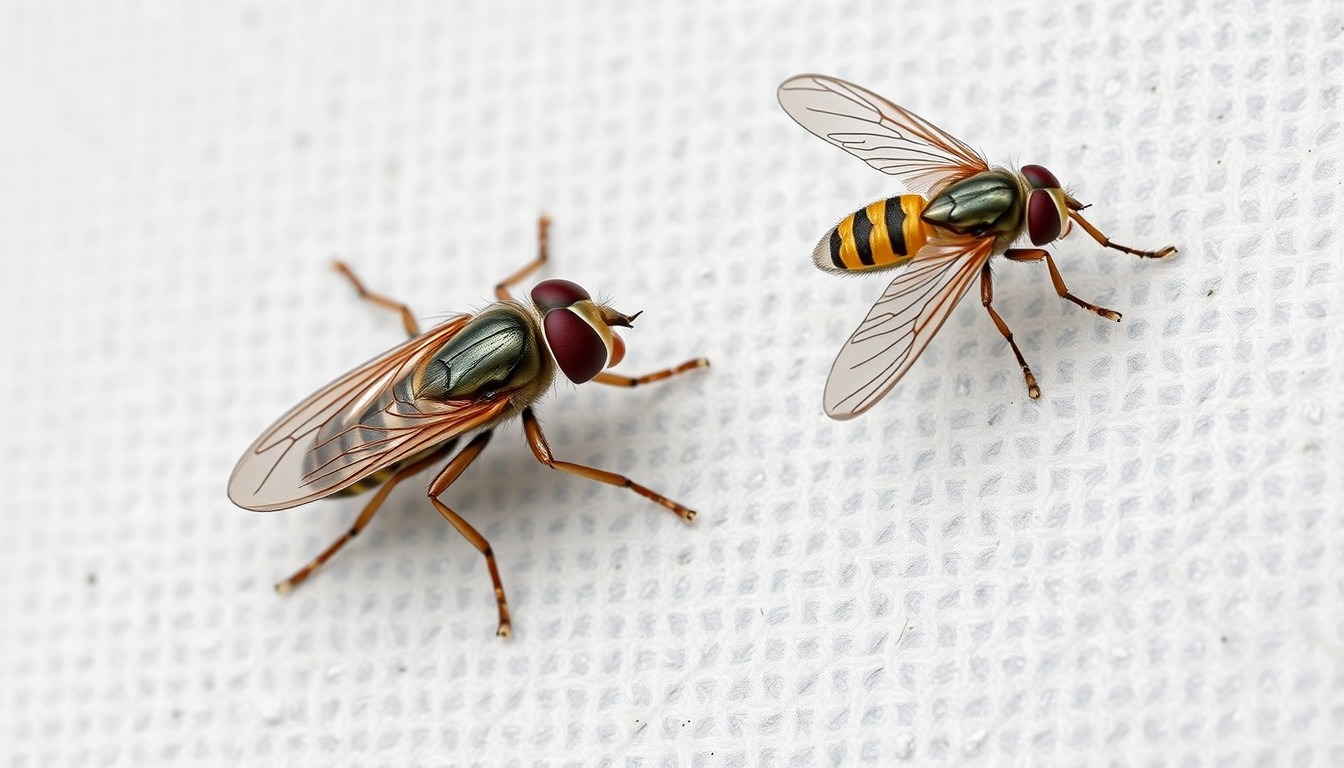
Phorid flies are notably smaller, measuring about 2 to 4 millimeters in length, and have a humpbacked appearance. They tend to move erratically or run quickly over surfaces, seldom hovering. In contrast, fruit flies are slightly larger, typically around 3 to 4 millimeters, and have a rounder, more streamlined body. They often hover with smooth, shuttling motions, especially around ripening or fermenting fruit.
Disclosure: As an Amazon Associate I earn from qualifying purchases.
Table of Contents
A magnification tool can aid in observing subtle physical differences. Shop suitable magnifying glass for insect identification on Amazon (affiliate link).
2. Key physical identifiers
Physical differences are clear: phorid flies usually possess a distinct humpbacked body and a shiny, shrink-wrapped look. Their rapid, jerky movements distinguish them visually from fruit flies, which have a smooth, rounded abdomen and are generally less frenetic. Fruit flies often display red or dark eyes that are prominent against their lighter-colored bodies, making physical identification straightforward when observing these features closely.
3. Behavioral patterns during flight and movement
The most notable behavioral trait is movement style. Phorid flies rarely hover; instead, they dash or run swiftly across surfaces and tend to take off suddenly when disturbed. Their erratic flight occurs in quick bursts when they do lift off but then settle rapidly. Fruit flies, on the other hand, hover gracefully near fermenting food, waste, or sugary liquids, exhibiting a slow, smooth flight pattern. Their persistent hovering around particular points indicates their search for optimal breeding sites, usually near organic decaying matter.
Understanding these differences in appearance and behavior speeds up onsite identification. Recognizing whether the flies are darting and hump-backed or gently hovering and round-bodied allows for targeted elimination and source control efforts that address the actual pest species quickly and efficiently.
}#}end of response
Primary Breeding and Source Locations for Phorid and Fruit Flies
Identifying the breeding sites of these flies is essential for effective pest control. They tend to breed in distinct areas, which can help pinpoint the root cause of an infestation and guide targeted removal efforts.
1. Common breeding sites of phorid flies
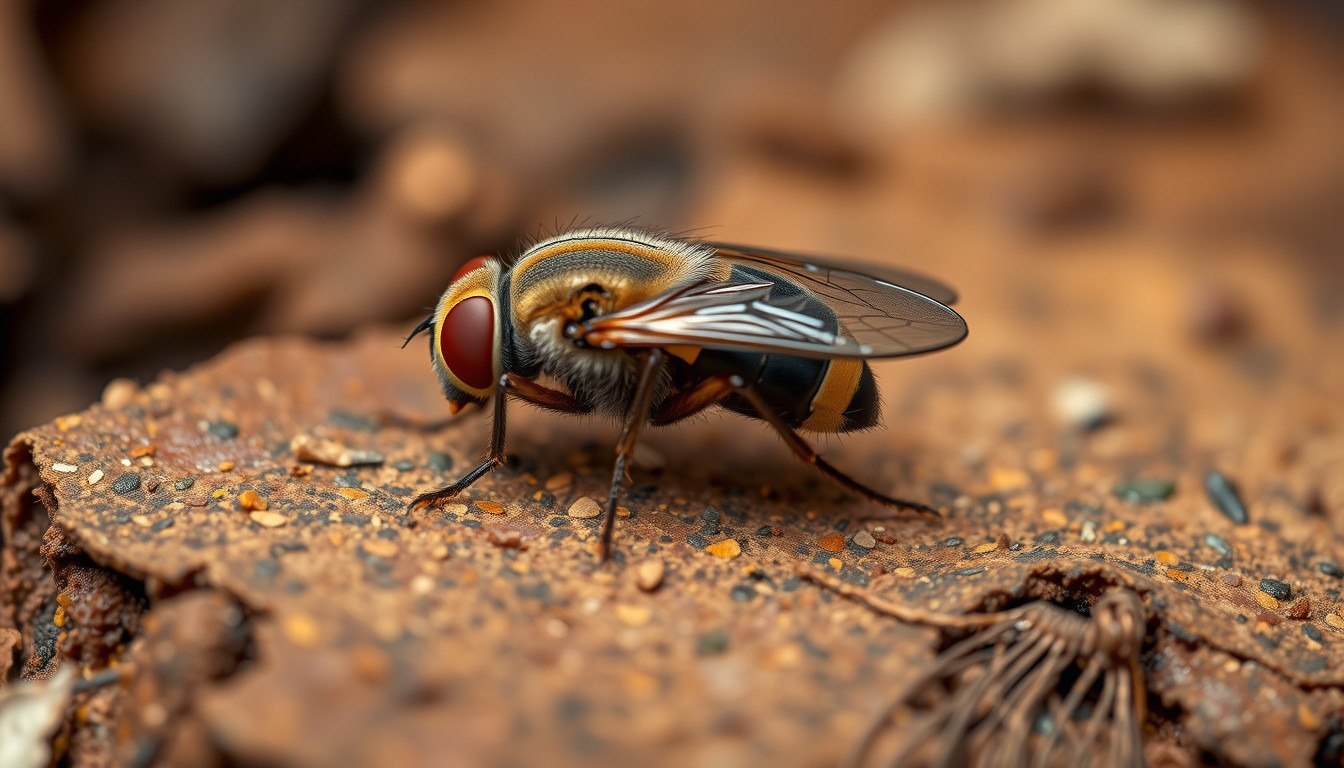
Phorid flies, also known as coffin or hump-backed flies, favor moist, decaying organic matter. They are frequently found breeding in areas where organic material remains damp and decomposes over time. Common locations include clogged drains, sewage lines, and areas with hidden moisture buildup. They often breed in decaying plant material, compost piles, and beneath surfaces where organic decay occurs, such as beneath floorboards or in trash containers with moist waste.
2. Typical fruit fly breeding environments
Fruit flies thrive in sugary, fermenting substances. Their breeding sites are typically linked to ripening or rotting fruit, vegetables, or sugary liquids. They commonly breed in kitchen trash cans with fruit scraps, unwashed fruit and vegetable containers, and in drains with fermenting residues. Uncovered or poorly sealed compost bins and spilled juice or wine sources also attract them. Their preference for sweet, organic matter makes their breeding locations easy to identify in food preparation areas and waste disposal zones.
3. Environmental clues to source location
Locating fly breeding sites requires assessing the environment for specific signs. For phorid flies, look for damp, decaying matter in hidden or hard-to-reach areas such as under sinks, in plumbing, or in moist basement areas. For fruit flies, check all ripening or rotting produce, uncleaned containers, and spills around food storage zones. Observing where the flies congregate, hover, or run rapidly can also indicate proximity to their breeding grounds. Eliminating these sites directly impacts their population, preventing further infestation.
Distinguishing Features in Appearance and Flight Style
Being able to identify flies quickly in real-time depends on understanding their visual and behavioral traits. Recognizing small differences in fly appearance and flight patterns can help determine whether you’re dealing with phorid flies or fruit flies, enabling targeted action.
1. Size, color, and body structure
Phorid flies are very tiny, generally measuring between 2⁄64 to 1⁄4 inch long. They have a distinctive humpbacked or hump-backed appearance, which is more noticeable than in fruit flies. Their bodies are often dark or dull in coloration, and they have short, stumpy legs. In contrast, fruit flies are slightly larger on average. They typically display smooth, slender bodies with bright red or dark eyes. Their bodies are often light-colored, and they lack the pronounced hump seen in phorid flies.
2. Flight and movement characteristics
Flight behavior provides a quick visual clue. Fruit flies tend to hover with weak, erratic flight patterns, flying in gentle circles or hovering in place. They often settle on ripe or fermenting foods and tend to stay near these sources. Phorid flies, however, frequently exhibit rapid, darting movements and are known for scuttling or running across surfaces rather than steady flight. They rarely hover for long periods; instead, they tend to run swiftly and change direction suddenly, often appearing in a zig-zag or erratic manner.
3. Running vs flying tendencies
A key behavioral difference is their tendency to run versus fly. If flies are seen scuttling rapidly across countertops, sink rims, or shelves, they are likely phorid flies. Their running is quick and often in unpredictable directions. In contrast, flies that appear to hover weakly, linger around food, and move in a steady, floating manner are more likely to be fruit flies. Recognizing these tendencies allows for quick identification without the need for magnification or detailed inspection.
Tools and Techniques for Rapid Identification in the Field
Quickly distinguishing between phorid flies and fruit flies prevents ineffective treatments and targets the actual infestation source. Employing simple observational methods and basic traps can provide reliable clues, while knowing when to consult professionals ensures accurate identification in ambiguous cases.
1. Using movement observations and location cues
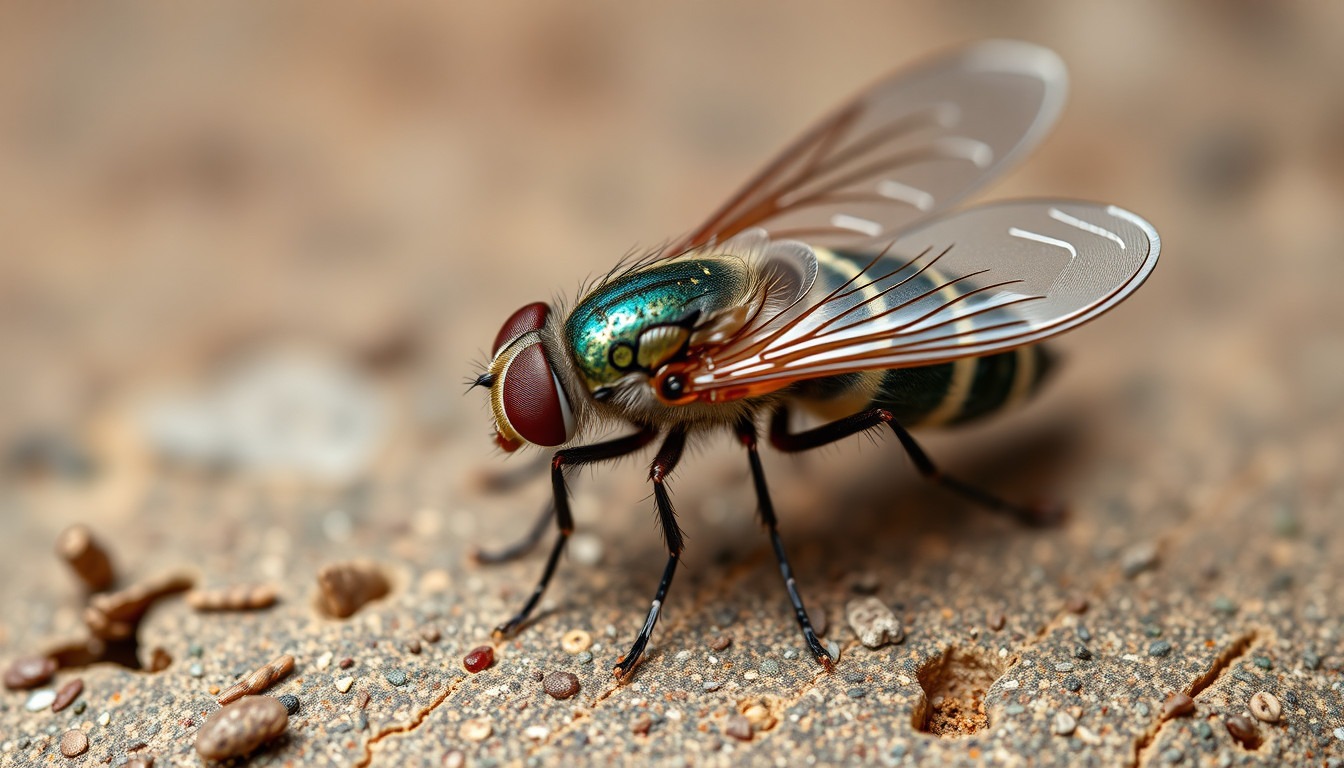
Movement patterns are key to identifying fly species in the field. Fruity flies tend to hover weakly around fermenting fruits, wine, or vinegar, often lingering in kitchens or near exposed food. They are generally passive, floating gently or landing softly on surfaces.
A simple trap can help in observing and identifying fly types on-site. Shop suitable field insect trap on Amazon (affiliate link).
In contrast, phorid flies are more active runners. They scuttle rapidly across countertops, sink rims, or floors in short, swift bursts, changing direction unpredictably. They rarely hover and often appear to dash in zig-zag or erratic paths. Where the flies are found also matters: fruit flies are commonly associated with ripening or rotting produce, while phorid flies prefer moist, decaying organic matter found in drains, trash, or damp basements.
2. Simple traps and their role in identification
Vinegar traps are a straightforward method for attracting fruit flies. Fill a small container with apple cider vinegar, add a few drops of dish soap, and cover it with plastic wrap punctured with small holes. Fruit flies entering the trap tend to hover near the vinegar, and their presence and behavior can confirm their species.
Phorid flies can also be trapped with baited sticky traps placed near suspected breeding sites such as drains or decaying organic material. Observing which flies are caught—whether they are running or weakly flying—helps confirm their identity. Repeat trapping over several days can provide a clearer picture of the species involved.
3. When to seek professional assessment
If movement patterns are inconclusive or if flies persist despite control efforts, professional pest assessment may be necessary. Experts can examine subtle anatomical features under magnification and identify the exact species, which guides targeted treatment. This step is particularly important if lingering infestations impact health or if the source remains hidden deep within structures.
Effective Actions for Eliminating Breeding Sources of Both Flies
Accurately identifying whether phorid flies or fruit flies are present is essential for targeting the appropriate elimination methods. While both pests are tiny and persistent, their breeding environments differ significantly. Fruit flies are primarily attracted to fermenting or rotting fruit, spilled wine, or sugary residues, whereas phorid flies tend to breed in moist, decaying organic matter, including drains, trash, and areas with hidden moisture buildup. Addressing these sources promptly prevents the population from expanding and reduces the risk of reinfestation.
1. Cleaning and disinfecting breeding sites
Removing overripe or spoiled fruit, cleaning kitchen counters, and thoroughly washing dishes eliminate the primary attractants for fruit flies. For phorid flies, focus on cleaning organic debris around drains, trash bins, and compost containers. Disinfecting these areas with appropriate cleaning agents reduces organic residues that serve as breeding grounds. Regularly wiping down surfaces and disposing of waste material minimizes ongoing attractants, cutting off the flies’ reproductive cycle.
Enzymatic cleaners can assist in removing organic matter from problem areas. Shop suitable organic drain cleaner on Amazon (affiliate link).
2. Using enzymatic and organic decay-breaking products
Enzymatic cleaners are particularly effective against organic buildup in drains, where phorid flies frequently breed. These products contain naturally occurring enzymes that break down complex organic matter, preventing larvae from establishing themselves within pipes. Applying enzymatic treatments according to manufacturer instructions ensures a thorough cleanout of breeding sites that are difficult to reach with standard cleaning methods. Organic decay-breaking products also help maintain hygiene by continuously suppressing the organic material that sustains fly populations.
3. Addressing plumbing and structural issues
Proper maintenance of plumbing is crucial to eliminate breeding habitats. Sealing leaks, repairing broken pipes, and insulating exposed plumbing reduce persistent moisture issues that favor phorid fly development. Additionally, inspecting and sealing entry points around windows, doors, and utility lines can prevent new infestations from entering the home. These structural repairs not only cut off breeding sites but also discourage future colonization by both fruit flies and phorid flies, helping to maintain a cleaner, pest-free environment.
Comparison Table Summarizing Key Traits of Phorid vs Fruit Flies
This table consolidates the main fly identification traits to help distinguish between phorid flies and fruit flies at a glance. Recognizing these differences is essential for targeting the correct pest and selecting effective elimination methods.
Having a visual reference can make on-the-spot identification faster and easier. Shop suitable insect identification chart on Amazon (affiliate link).
1. Physical size and shape
2. Flight style and behavior
| Feature | Phorid flies | Fruit flies |
|---|---|---|
| Flight style | Quick, erratic running and fluttering; tend to run across surfaces | Weak hovering, slow flight around ripe or rotting fruit |
| Movement pattern | Often seen running rapidly on walls, floors, or surfaces | Hovering near fermenting produce, rarely running |
3. Typical habitats and breeding sites
| Feature | Phorid flies | Fruit flies |
|---|---|---|
| Breeding sites | Decaying organic matter, drains, moist soil, mausoleums, hidden damp areas | Overripe or rotting fruit, vegetables, fermenting liquids like wine or vinegar |
| Indoor presence | Near moisture sources such as drains, trash, or damp compost | Near discarded fruit, spilled juice, or fermenting kitchen items |
4. Common sources and signs
Fruit flies are typically attracted to fermenting food and are seen fluttering around ripe or decaying produce. In contrast, phorid flies often appear in areas with persistent moisture, such as inside drains, trash cans, or damp basements. Spotting them running rapidly across surfaces signals a phorid fly infestation, whereas slow, hovering flies near fruit or fermenting liquids suggest fruit flies.
Frequently Asked Questions
1. Are phorid flies attracted to the same foods as fruit flies?
No, phorid flies primarily breed in decaying organic matter and moist environments, while fruit flies are attracted to fermenting fruits, vegetables, and sugary liquids.
2. How do I get rid of phorid flies in drains effectively?
Pour boiling water, a mixture of vinegar and baking soda, or a drain cleaner to remove organic buildup, then maintain cleanliness and dry out the area to prevent re-infestation.
3. Can fruit flies breed in damp areas like drains or mold?
No, fruit flies prefer fermenting organic materials such as rotting produce and spills, not damp or moldy surfaces; drains are more commonly breeding sites for phorid flies.
4. What are the best DIY traps for each fly type?
Use apple cider vinegar with dish soap for fruit flies, and for phorid flies, a trap with moist organic matter or rotten plant material can help lure and trap them.
5. Do I need professional pest control for phorid or fruit flies?
Typically, DIY methods suffice for moderate infestations, but persistent or widespread problems may warrant professional intervention, especially if sources are difficult to access or remove.
6. How long does it take to eliminate an infestation?
Elimination can take from a few days to two weeks, depending on the infestation size, thoroughness of source removal, and control measures applied.
7. Can these flies transmit diseases or cause health issues?
Fruit flies can contaminate food and surfaces, potentially spreading bacteria, while phorid flies are less associated with disease transmission but can indicate underlying sanitation issues.
Sources and Further Reading
- Is Phorid Fly Treatment the same as Fruit Fly Treatment?Question – Reddit
- Phorid flies vs fruit flies: How to tell the difference and get rid of them
- Drain Flies vs. Fruit Flies vs. Phorid Flies: Key Differences & How to Get …
- Phorid Flies – NC State Extension Publications
- How to identify fruit flies vs drain flies – Facebook