
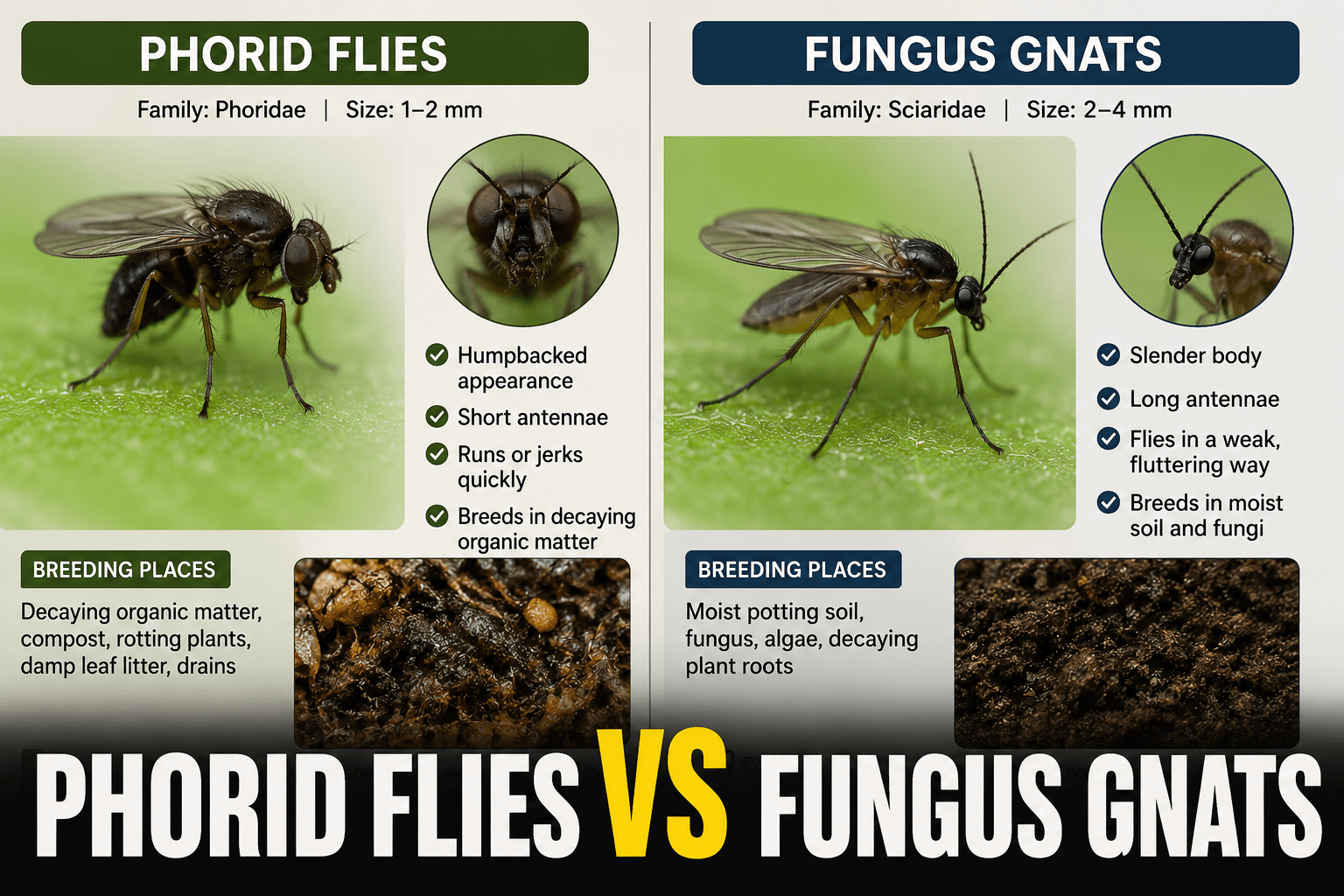
Phorid flies are slightly larger than fungus gnats and resemble very small houseflies, but they never reach normal fly size. Identification hinges on size, appearance, and breeding habitats.
Early identification of phorid flies versus fungus gnats relies on examining their size, appearance, and breeding sites. Phorid flies are slightly larger than fungus gnats, measuring around 1/16 inch, and have a distinctive hump-backed body resembling tiny houseflies. They often breed in moist, decaying organic matter such as drains, trash, or hidden areas like under sinks, particularly in environments rich in organic debris and moisture. Germane environmental factors include high humidity and damp conditions, which support both pests, but their preferred locations differ: fungus gnats thrive in the moist soil of potted plants or compost, while phorid flies favor dark, decaying matter in less accessible spots. Recognizing these traits aids in choosing targeted control strategies and differentiates the pests early on.
Readers will learn how to distinguish these pests based on visual traits and breeding sites, as well as practical control options tailored to each species’ behavior and preferred environments.
Key Conditions That Change Phorid Flies Vs Fungus Gnats
The environments, breeding sites, and behaviors of phorid flies and fungus gnats can shift depending on specific conditions. Recognizing these factors helps determine which pest is establishing or persisting and informs effective control strategies.
1. The factors with the biggest effect
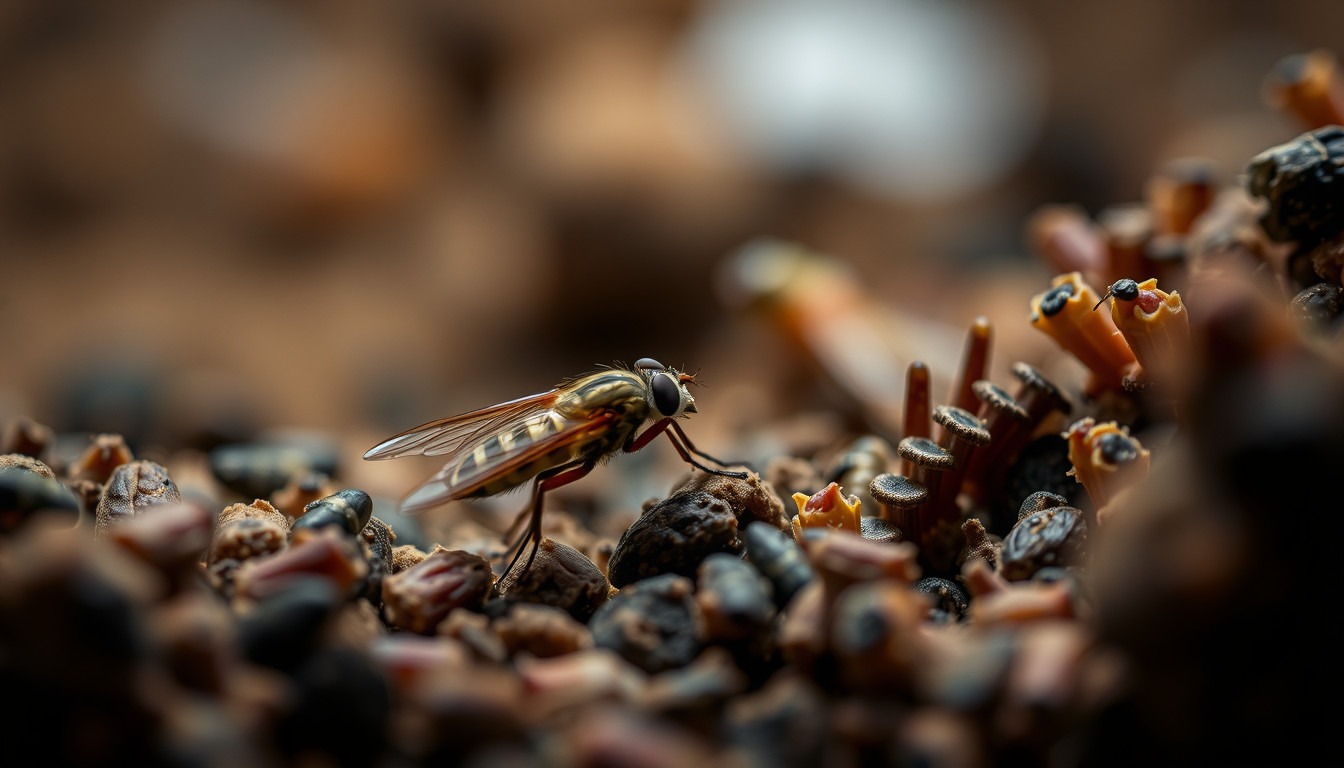
One primary condition influencing these pests is the type and state of organic material available. Phorid flies thrive in moist, decaying organic matter often found in hidden or less obvious spots like beneath sinks, in drains, or in storage areas. In contrast, fungus gnats prefer moist potting soil, compost, and other substrates rich in fungi or organic matter on the surface. These differences mean that a damp, non-draining compost pile may attract fungus gnats, whereas a cluttered or hidden area with decaying organic debris can support phorid fly populations.
Table of Contents
Disclosure: As an Amazon Associate I earn from qualifying purchases.
Using the right identification tools can clarify what kind of fly is present, helping guide effective action. Shop suitable insect identification tools on Amazon (affiliate link).
Temperature and humidity also play pivotal roles. Both pests flourish in warm, humid conditions, but extreme dryness or cold temperatures can suppress their activity. An increase in indoor humidity or consistent warmth can extend their breeding seasons or proliferation capacity.
2. What evidence or details to check
Observation of breeding sites provides critical clues: if flies are active around houseplants or soil, fungus gnats are likely the culprit. Conversely, if flies are found buzzing near drains, recycling bins, or hidden interior spaces, phorid flies might be involved.
Visual identification offers additional insights. Phorid flies are slightly larger and resemble tiny houseflies, often around 1/16-inch long, with a characteristic hump-backed appearance. Fungus gnats are smaller, delicate, with long legs and antennae, resembling tiny mosquitoes. Noticing where they congregate and their flight behavior can help distinguish them further.
3. When the usual advice does not apply
Standard control measures may be less effective when environmental conditions favor sudden population booms or when pests breed in inaccessible areas. For example, if organic matter in hidden or hard-to-reach spots sustains adult populations, physically removing or replacing substrates may be the most practical step. Persistent infestations despite conventional solutions may also indicate other breeding sites, such as clogged drains or neglected compost bins, requiring targeted inspection and remediation. Adjusting environmental factors—reducing excess moisture, improving drainage, or sealing entry points—can be necessary to disrupt the pests’ life cycle in complex conditions.
How to Evaluate Phorid Flies Vs Fungus Gnats Before Acting
Accurately identifying whether you are dealing with phorid flies or fungus gnats is essential for selecting effective control methods. Careful observation and evidence collection can prevent unnecessary treatments and target the underlying issues more efficiently.
1. What to check first
Start by examining where the flies are present. Phorid flies tend to swarm around decaying organic matter, including trash, compost, and breeding sites in dark, moist areas. They are often found in cluttered or poorly maintained areas, with a distinct hump-backed appearance and flagging flight pattern. In contrast, fungus gnats are generally associated with potted plants, especially soil that remains consistently moist. They hover near plant surfaces and are attracted to damp media where their larvae inhabit the soil. Observe the surroundings and the flies’ behavior to gather initial clues.
A magnifying aid can assist in examining fly features closely for proper evaluation. Shop suitable magnifying glass for insects on Amazon (affiliate link).
2. How to interpret the result
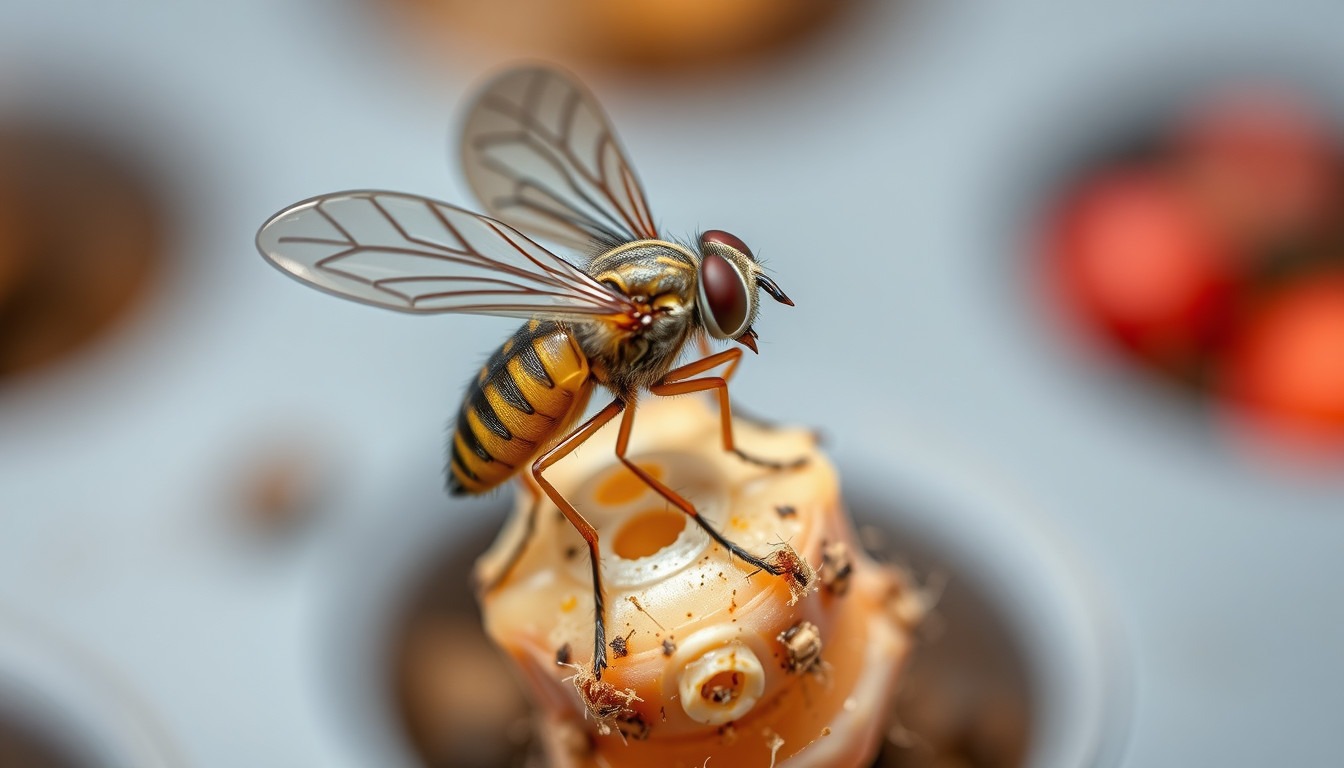
Identifying physical characteristics and environmental clues guides the evaluation. Phorid flies are small, slim, and have a characteristic hump-backed appearance, with a rapid, erratic flight. They often breed in organic matter like rotting leaves, trash, or in places with decayed material below or inside structures. Fungus gnats are also tiny but appear thicker-bodied with long legs and antennae, often moving in a more gentle, darting motion near soil surfaces. Their presence every time you water or handle potted plants suggests a soil-based breeding site.
Practically, inspect the breeding areas: for phorid flies, look at dark, moist, and organic-rich spots, including drains or neglected compost. For fungus gnats, examine the soil of indoor or outdoor potted plants, checking for larvae in the top inch of soil. Persistent presence despite cleaning or removing organic matter indicates an entrenched breeding site, prompting targeted remediation.
| Feature | Phorid Flies | Fungus Gnats |
|---|---|---|
| Size | 2/64-1/4 inch | Similar, slightly thicker body |
| Appearance | Hump-backed, slender | Long-legged, slender |
| Flight pattern | Erratic, rapid | Darting, gentle |
| Breeding sites | Decaying organic matter, drains | Moist soil, potted plants |
| Behavior | Swarming around organic debris | Hovering near plant soil |
A Step-by-Step Approach to Phorid Flies Vs Fungus Gnats
Distinguishing between these pests is essential for effective control. Follow this evidence-based process to identify their presence and decide on targeted actions.
Using traps designed for fungus gnats can provide insight into the pest level and help control measures. Shop suitable fungus gnat traps on Amazon (affiliate link).
1. Prepare the essentials
- Gather a bright flashlight, magnifying glass, and a container for sample collection.
- Identify and assemble potential breeding sites: decaying organic matter, drains, and moist soil in houseplants.
- Prepare to observe flight patterns and inspect breeding environments carefully.
2. Take the first action
- Inspect visible breeding sources: check dark, moist, organic-rich areas for phorid flies, especially in drains and compost. Look for dark patches and organic buildup.
- Examine indoor and outdoor potted plants: look for larvae in the top inch of soil, especially if tiny, black, moving specks are spotted.
- Note fly behavior: erratic darting and rapid flights suggest phorid flies; gentle hovering near soil points to fungus gnats.
3. Check the early result
- If flies are found breeding in drains or organic matter and exhibit quick, twitchy flight, identify them as phorid flies.
- If larvae are present in moist soil of potted plants and flies hover around soil surfaces, they are likely fungus gnats.
- Record the number and activity level of flies and larvae for ongoing assessment.
4. Adjust for changing conditions
- If phorid flies dominate, focus on removing organic build-up from drains, cleaning or replacing compost, and sealing potential breeding sites.
- If fungus gnats persist despite plant soil care, reduce watering frequency, let the soil surface dry, and consider replacing topsoil if larvae are widespread.
- Implement traps and biological control agents suited for each pest: predatory nematodes or biological sprays for fungus gnats; monitoring and elimination of breeding sites for phorid flies.
Choosing the Right Approach for Your Situation
Effective pest control depends on correctly identifying whether you face phorid flies or fungus gnats and understanding their breeding habits. Selecting the appropriate method relies on evaluating the environment, the severity of infestation, and the pest type involved.
1. When the simpler approach fits
If you notice flies around potted plants or in moist, organic-rich areas like drains, and the population is manageable, basic hygiene measures may be sufficient. For instance, letting soil surface dry out or removing decayed material can curb fungus gnat larvae, which thrive in moist soil. Similarly, cleaning drain pipes and sealing potential breeding sites usually discourages fly reproduction at a low cost.
2. When a more involved approach is justified
In cases where infestations are persistent or widespread, especially with rapid fly reproduction, more aggressive measures are needed. For phorid flies breeding in organic buildup, targeted sanitation—such as replacing compost, repairing leaks, or sealing cracks—becomes essential. Biological controls like predatory nematodes or specific sprays can effectively reduce fungus gnat larvae if soil conditions favor their development. Additionally, monitoring and eliminating breeding sources in concealed spaces prevent future outbreaks.
3. Trade-offs to consider
| Control Method | Viability for Phorid Flies | Viability for Fungus Gnats | Ease of Implementation | Cost |
|---|---|---|---|---|
| Sanitation (cleaning, sealing) | Highly effective when Source identified | Effective, especially in moist environments | Moderate | Low |
| Biological control (predatory nematodes, sprays) | Effective if breeding sites are accessible | Highly effective for larvae control | Moderate to high | Moderate |
| Physical traps (sticky traps, baited traps) | Useful for monitoring; limited in control | Effective for reducing adult populations | Easy | Low |
Mistakes That Change the Result
Identifying and controlling phorid flies versus fungus gnats requires accurate diagnosis. Common errors can lead to ineffective treatments or ongoing infestations. Recognizing these pitfalls and applying targeted corrections ensures a more successful pest management approach.
1. Mistaking a symptom for a cause
Many assume that visible flies are the root problem, but often they are just the adult stage of a broader breeding issue. For example, seeing flies around houseplants might be mistaken for fungus gnats when they could be phorid flies breeding in decomposing organic matter hidden in soil or drains. Addressing only the adult flies without locating and eliminating breeding sites allows the pest problem to persist or worsen.
Applying pest control sprays thoughtfully can target the root problem rather than just symptoms. Shop suitable organic pest control sprays on Amazon (affiliate link).
To correct this, thoroughly inspect potential breeding areas like soil, drains, or organic debris, regardless of which fly species is initially observed. Eliminate moist, decaying material—this is crucial since both phorid flies and fungus gnats thrive in such environments. Using sticky traps can help monitor adult activity but should be paired with source removal for lasting results.
2. Skipping a critical condition
Overlooking environmental factors, such as moisture levels or organic buildup, undermines control efforts. For example, failing to address overly moist soil or clogged drains keeps breeding conditions alive, allowing flies to rebound quickly after treatment. Relying solely on physical traps or insecticide sprays often falls short if the underlying habitat remains unchanged.
Effective correction involves modifying environmental conditions—reducing moisture, sealing entry points, and maintaining cleanliness. In plant treatments, allowing soil to dry out or repotting can greatly reduce fungus gnat populations, while cleaning and sealing drains prevent phorid flies from establishing breeding sites in hidden areas.
When to Adapt or Seek More Help
Determining whether to adjust your control methods or consult experts depends on the specific fly infestation and the accuracy of your identification. Properly distinguishing between phorid flies and fungus gnats clarifies the next steps and helps prevent unnecessary efforts.
1. Key points: next steps | limitations
If you find that your current approach targets adult flies without addressing breeding sites, it’s time to reconsider your strategy. For example, focusing solely on adult fly traps often fails in the long term if larvae continue to develop in hidden or neglected areas. When environmental conditions, such as excess moisture or organic debris, remain unaddressed, populations will rebound quickly—even after treatment. This highlights a significant limitation of methods that do not eliminate breeding grounds or modify habitat conditions.
For phorid flies, which are often linked to hidden breeding sites like drains or decaying organic matter, suppressing adult populations is insufficient if the habitat remains hospitable. Fungus gnats, typically breeding in moist soil or compost, require soil or potting medium management, such as drying out soil or repotting plants. If these basic environmental controls don’t reduce numbers, it’s a sign that more specific or aggressive interventions are necessary.
When observations consistently show ongoing fly activity despite initial treatments, or if the pests are unusual or difficult to identify correctly, seeking professional help or more detailed guidance becomes advisable. Pest control specialists can inspect and precisely identify the species, recommend targeted solutions, and address overlooked breeding sites. Making assumptions about the species involved can lead to ineffective efforts, wasting time and resources.
Ultimately, adapt your strategy based on the observed effectiveness of your current methods and the presence or absence of breeding sites. When in doubt, consultation with pest management professionals ensures a comprehensive approach that targets the root cause rather than only the adult flies.
Frequently Asked Questions
1. How do I differentiate phorid flies from fungus gnats?
Phorid flies are slightly larger, have a hump-backed appearance, and exhibit rapid, erratic flight near organic debris or drains, while fungus gnats are smaller, with long legs and antennae, flying gently near moist soil in potted plants.
2. What are the most effective control methods for each pest?
For phorid flies, remove decaying organic matter and fix drainage issues; for fungus gnats, reduce watering, replace topsoil, and use sticky traps to catch adults and larvae.
3. Can fungus gnats breed in indoor drains like phorid flies?
No, fungus gnats typically breed in moist potting soil, whereas phorid flies are more likely to breed in drains, decaying organic matter, or less accessible organic debris.
4. How long do adult phorid flies live compared to gnats?
Adult phorid flies usually live for about 8 to 10 days, while adult fungus gnats tend to survive from 7 to 14 days, depending on environmental conditions.
5. Are chemical pesticides safe for home use against these flies?
Some chemical pesticides are safe if labeled for indoor use and applied carefully, but focusing on environmental sanitation typically offers safer, more targeted control along with physical and cultural methods.
6. What preventive steps can I take to stop future infestations?
Keep areas dry, avoid overwatering plants, regularly remove organic waste, maintain clean drains, and inspect potential breeding sites to prevent both pests from establishing.
7. What is the most important thing to know about phorid flies vs fungus gnats?
Accurate identification of these pests’ breeding sites and physical traits determines the most effective, targeted control approach, preventing unnecessary treatments and addressing the root cause.