
Plumeria blooming stages progress from swollen buds to full flowers, typically taking several weeks after bud formation, with environmental conditions influencing their timing and success.
This article explores each stage of the plumeria blooming cycle, offering insights on timing, care tips to promote flowering, and common challenges faced by growers.
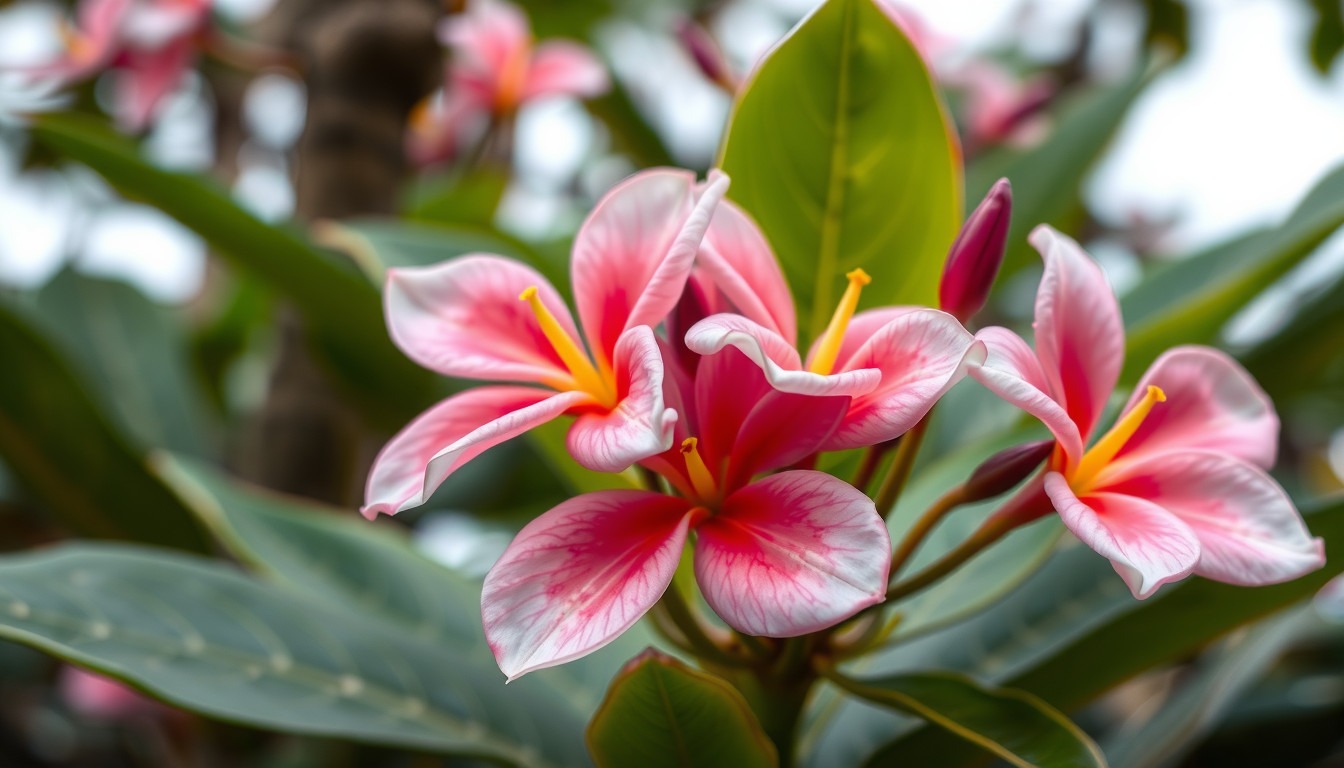
Introduction to Plumeria Blooming Lifecycle
Understanding the various stages of plumeria blooming helps growers optimize care, anticipate flowering times, and troubleshoot issues effectively. Each phase—from bud formation to flower decay—is crucial for healthy, vibrant blooms.
- Recognize early signs of bud development to support vigorous flowering.
- Adjust watering, fertilizing, and pruning practices according to each stage’s needs.
- Monitor environmental conditions like temperature and sunlight to ensure optimal blooming.
- Implement cultural practices that promote healthy bud formation and extended floral display.
- Identify signs of problems early, such as bud drop or delayed blooms, to take corrective action.
- Support mature plants to produce consistent, abundant flowers through proper care and environmental management.
The plumeria blooming process involves several distinct stages, extending from dormancy to the decay of flowers. These stages typically span several weeks, with each influenced by environmental cues like light, temperature, and moisture. Proper understanding and management of these phases allow gardeners to promote robust blooming and troubleshoot common issues such as bud drop or delayed flowering.
1. Understanding the importance of each stage
Each phase in the blooming cycle establishes the foundation for subsequent flower development. For example, healthy bud swelling and burst are essential for vibrant blooms, while proper petal fall management influences fruit set and plant health.
Table of Contents
2. Why knowing the blooming cycle helps in caring for plumeria
Knowledge of the blooming stages guides targeted interventions like fertilization during bud development or pruning after flowering. This tailored approach increases the likelihood of abundant, long-lasting flowers and overall plant vitality.
Dormant and Pre-bloom Stages: Recognizing Signs and Supporting Care
Identifying early signs of dormancy and pre-bloom phases helps ensure proper care and promotes healthy flowering in plumeria plants. Understanding these stages allows you to support the plant’s transition from rest to active growth effectively.
1. Signs of Dormancy
During dormancy, plumeria typically shows signs of slowed growth or leaf drop, especially in cooler months. The plant’s branches become less vigorous, and leaves may turn yellow or fall off. These are natural indicators that the plant is conserving energy, but it still requires proper care to prevent damage.
2. Transition to Active Growth
The shift from dormancy to active growth is marked by swelling buds and the emergence of new shoots. As temperatures increase and days lengthen, the plant begins to resume growth. Buds start swelling visibly, signaling readiness to burst into flowers.
3. Supporting the Plant During Dormancy and Transition
- Maintain moderate watering—avoid overwatering, which can cause root rot during dormancy.
- Protect the plant from frost and cold temperatures by moving it indoors or providing insulation in cooler climates.
- Reduce fertilization during dormancy; resume light feeding once new growth appears.
- Gradually increase sunlight exposure as signs of budding and growth manifest.
- Prune dead or damaged branches to encourage healthy new growth and better flowering potential.
Timely recognition and appropriate care during these stages set the foundation for robust blooming. Supporting the plant’s natural cycle through proper watering, protection, and pruning ensures a smoother transition into active growth and flowering phases.
Bud Formation and Swelling: Environmental Cues and Supporting Development
Understanding how plumeria buds form and swell is crucial for promoting healthy blooming. Proper environmental conditions and care practices create an ideal setting for bud development and blooming success.
1. Stages of bud development
- Initial bud formation: Small swellings appear at leaf axils, indicating the beginning of the budding process. Healthy buds are firm and show a slight color change.
- Swelling: The buds enlarge, swelling noticeably as they prepare for bloom. This stage signals the plant’s response to favorable conditions like increased sunlight and warmth.
- Bud burst: The buds start to crack open, revealing the first hints of color. Increased watering and fertilization at this stage support rapid growth.
- Full bloom: Flowers fully expand, displaying vibrant colors. Proper care during swelling ensures bigger, healthier flowers.
2. Environmental triggers (temperature, light, watering)
- Temperature: Warm temperatures (around 70-85°F) promote bud swelling and burst. Cold or rapid temperature fluctuations can hinder development.
- Light: Full sun accelerates bud formation and swelling. Insufficient sunlight leads to delayed or sparse blooming.
- Watering: During bud swelling, consistent watering supports cell expansion. Avoid overwatering, which can rot roots and delay flowers.
3. Supporting bud swelling with cultural practices
- Ensure the plant receives at least 6 hours of direct sunlight daily to promote healthy buds.
- Maintain evenly moist soil without overwatering, especially during swelling and early bloom stages.
- Apply balanced fertilizer during early growth phases to bolster bud development and flowering readiness.
- Prune dead or damaged branches after flowering to encourage new, healthy growth for upcoming blooms.
Key signs of healthy bud formation include firm swelling, early coloration, and an absence of pests or damage. Managing environmental factors and cultural practices during this stage can significantly improve blooming outcomes and support a vibrant display.
The Blooming Phase: Ensuring Full Flowers and Petal Development
Maximizing flower development during the blooming phase involves understanding visual signs, optimizing environmental conditions, and applying targeted care to support each stage of plumeria flowers from bud to full bloom.
1. Visual signs of opening and full bloom
Watch for buds swelling and developing early coloration, often with a creamy white hue at the white bud stage. As the flower opens, petals unfurl gradually, revealing vibrant colors. Full bloom occurs when petals are fully spread, creating a lush, fragrant display that can last several days.
2. Factors affecting bloom duration
- Temperature: Warm temperatures promote longer-lasting blooms. Cold snaps can cause early petal fall.
- Light: At least 6 hours of direct sunlight daily enhances flower production and prolongs bloom period.
- Watering and fertilization: Consistent moisture and balanced nutrients improve petal health and extend flowering.
- Pruning: Removing dead or damaged branches after flowering encourages new growth and better bloom sizes next cycle.
3. How to support petal health and longevity
Provide the plant with full sun and maintain evenly moist soil, avoiding overwatering that can cause petal wilting or early drop. Use a high-potassium fertilizer during flowering to strengthen petals and extend their lifespan. Ensure good airflow around the plant to prevent fungal issues, which can prematurely damage flowers. During peak bloom, avoid sudden temperature drops and protect flowers from strong wind to prevent petal damage.
| Focus Area | Recommendations |
|---|---|
| Petal fall and cleanup | Remove fallen petals promptly to prevent fungal issues and maintain tidy appearance. Clear around the base to facilitate airflow. |
| Seed and fruit development | Allow fruit to develop if seed collection is desired. If not, prune seed pods to conserve plant energy for next blooms. |
| Post-bloom pruning and feeding | Prune dead or damaged branches shortly after flowering to promote healthy growth. Follow with a balanced fertilizer, especially one high in potassium, to support recovery and future blooms. |
1. Petal fall and cleanup
Once flowers fade, carefully remove the remnants of petals and spent flower clusters. This cleanup prevents disease and fungus, which benefit from decaying organic matter. Proper debris removal improves airflow and reduces the risk of pests.
2. Seed and fruit development
If seed production is desired, allow the seed pods to mature naturally. However, for ongoing flowering, prune unopened seed pods to redirect energy into new growth and flower production. This practice helps prevent the plant from becoming overly stressed.
3. Post-bloom pruning and feeding
Timing is crucial: prune lightly after flowering to shape the plant and remove damaged branches. Applying a balanced fertilizer enriched with potassium shortly after blooming strengthens the plant and supports next cycle of flowering. Consistent post-bloom care results in healthier foliage and more abundant blooms in subsequent seasons.
Factors Influencing Bloom Timing and Duration
External environmental conditions and cultural practices play crucial roles in determining when plumeria blooms and how long each flowering period lasts.
1. Temperature and Sunlight Effects
Plumerias thrive in warm, sunny environments. Optimal blooming occurs when daytime temperatures stay between 75–85°F (24–29°C) with plenty of direct sunlight. Insufficient light can delay bud development, while exposure to cold temperatures can hinder or stop flowering altogether. In cooler climates, providing protection or supplemental lighting can promote earlier and more robust blooms.
2. Soil Quality and Watering Schedule
Well-draining soil rich in organic matter supports healthy root growth, which is essential for flowering. Overwatering can lead to root rot and suppress blooming, while drought stress delays or reduces flower production. Maintaining a balanced watering routine—deeply soaking the soil when dry and allowing it to dry between waterings—encourages strong bud development and prolongs bloom duration.
3. Fertilizers and Pruning Influence
Applying a fertilizer high in phosphorus and potassium during the active growing season encourages flower production. Regular pruning to remove dead or weak branches promotes better airflow and stimulates new growth, which can encourage earlier blooming and extend flowering periods. Proper timing of pruning—preferably just after blooms—helps ensure continuous flowering in subsequent cycles.
| Condition | Ideal Range | Impact on Blooming |
|---|---|---|
| Temperature | 75–85°F (24–29°C) | Promotes early and abundant bloom |
| Sunlight | Full sun, 6+ hours/day | Enhances bud formation and flower quality |
| Soil | Well-draining, organic-rich | Supports root health and flowering |
| Watering | Deep infrequent watering | Prevents stress and encourages blooms |
| Fertilizer | High phosphorus and potassium | Stimulates flowering |
- Monitor seasonal changes and adjust care accordingly.
- Use protective measures like shade during extreme heat to prevent stress.
- Maintain consistent care routines to avoid bloom delays.
- Enhance blooming potential through timely feeding and pruning.
Addressing Common Flowering Challenges
If your plumeria isn’t blooming as expected, understanding the common problems and solutions can help you encourage healthy flowering. Here are some typical issues and practical remedies.
1. Troubleshooting no-bloom situations
Many factors can prevent plumeria from flowering. Insufficient sunlight, overwatering, or improper fertilization often play a role. Ensure your plant receives at least 6 hours of direct sun daily, as inadequate light is a common cause of poor or absent blooms. Also, avoid overwatering, which can lead to root rot and stress, suppressing flowering. Use a fertilizer rich in phosphorus and potassium during the growing season to promote bud development.
2. Dealing with weak or sparse flowers
If your plumeria produces flowers, but they are few or short-lived, it may be due to immature age or environmental stress. Young plants typically start blooming after 2-3 years; patience is key. Additionally, inconsistent watering or temperature fluctuations can weaken flowering. Regularly feeding your plant and maintaining a stable environment helps produce more vibrant and abundant flowers.
3. Correcting environmental or care mistakes
Environmental stressors like extreme heat, low humidity, or inadequate soil drainage hinder blooms. To address these issues, provide well-draining soil and offer partial shade during the hottest part of the day if temperatures exceed 85°F (29°C). Proper pruning encourages airflow and bud formation. Keep your plumeria in an environment that mimics its natural tropical conditions for optimal blooming.
Practical Tips for Accelerating and Extending Blooming PeriodsBy optimizing care and environmental conditions, you can encourage early blooming and prolong your plumeria’s vibrant display. Follow these strategies to maximize flowering duration and frequency.1. Optimal fertilization schedulesApply a balanced, high-phosphorus fertilizer during the growing season. Fertilize every 4-6 weeks to promote bud development. Avoid excessive nitrogen, which encourages leafy growth at the expense of flowers. Using a bloom-boosting fertilizer with micronutrients can also support early bud formation and sustained flowering.2. Light and temperature managementEnsure your plumeria receives full sun—at least 6 hours daily—for best bloom production. During cooler months, protect the plant from temperatures below 50°F (10°C) to avoid stress that can delay flowering. Maintaining consistent, warm temperatures encourages earlier blooming and reduces bloom drop.3. Pruning and stress techniques
- Regularly prune to remove dead or crowded branches, improving airflow and facilitating bud development.
- Apply mild stress, such as slightly reducing watering after the plant is well-established, which can trigger flowering.
- Use strategic pruning to stimulate new growth and encourage earlier blooms. Timing pruning right after a blooming cycle helps promote a new flush of buds.
Implementing these cultural practices can effectively accelerate your plumeria’s blooming and extend its flowering period, creating a stunning, prolonged display of flowers. Proper fertilization, optimal lighting, and thoughtful pruning are key to maintaining healthy, vibrant blooms throughout the season.Seasonal and Climate Adjustments for Healthy Bloom CyclesAdapting your care routines according to seasonal changes and local climate conditions is essential for supporting plumeria blooms throughout the year.1. Warm vs. Cooler Climate StrategiesIn tropical and subtropical zones, plumerias enjoy consistent warmth and sunlight, enabling them to bloom more freely. Use natural sunlight and keep temperatures above 65°F (18°C) to promote flowering. In cooler climates, consider container planting so you can move your plant indoors or to a protected area during colder months to prevent frost damage. Using supplemental heating or using grow lights can also extend the growing and blooming period.2. Protecting Blooms in Adverse WeatherExtreme weather conditions can threaten your plumeria’s flowering efforts. In windy or rain-prone seasons, shielding blooms with shade cloth or using temporary covers minimizes damage. During frost alerts, cover your plant with frost blankets overnight and ensure good drainage to prevent root rot. Proper sheltering helps maintain the plant’s health and encourages consistent blooming.3. Seasonal Fertilization and Watering SchedulesAdjusting watering and fertilization according to the season ensures optimal growth and flower production. During the active growing season (spring and summer), feed your plant with a high-phosphorus fertilizer every 4-6 weeks to stimulate blooms. Water thoroughly when the topsoil feels dry, but avoid overwatering in winter, especially if the plant is in a dormancy phase. In fall, gradually reduce watering and stop fertilizing to prepare the plant for dormancy or slower growth.
- Evaluate local weather forecasts to time protection measures effectively.
- Use shade or partial cover during intense summer heat to prevent leaf scorch and promote flowering.
- Adjust watering frequency based on rainfall and seasonal dryness or humidity.
- Implement a seasonal fertilization schedule to support bud development and flower longevity.
- In cooler climates, containerize your plumeria for easy relocation during cold spells.
Additional Insights on the Timeline for Plumeria BloomingGenerally, plumerias start their flowering cycle after about 3 to 5 years of growth, although there are exceptions based on the cultivar and cultivation conditions. Some plants, especially those propagated from mature cuttings, may bloom as early as 2 years, but this is relatively uncommon and often depends on optimal care and environment.Timeline from Cutting to First Bloom
- Root development typically takes 1-3 months under proper conditions.
- Active growth and branching usually initiate around 1 year after planting, especially in younger plants.
- Flowers generally appear once the plant begins to mature and develop sufficient branches, often around 3-5 years.
Patience and consistent care—such as proper watering, fertilization, and sunlight—are crucial for encouraging early flowering.Environmental and Cultural Factors That Influence Blooming TimingSeveral environmental factors significantly affect when and how prolifically plumeria blooms:
- Temperature: Warm temperatures (around 70-85°F) are essential for bud swelling and flowering. Cold temperatures can delay or inhibit blooming.
- Sunlight: Full sun (at least 6 hours daily) is vital for bud formation and flowering intensity.
- Watering: Consistent, moderate watering supports healthy growth and bud swelling; overwatering can cause root rot and delay blooms.
- Fertilization: Regular, balanced fertilization, especially with a fertilizer high in potassium during the flowering period, promotes flower development and longevity.
- Pruning: Proper pruning after blooming encourages the development of new branching, which increases flowering potential for subsequent seasons.
Understanding the Complete Blooming Timeline for PlumeriaFrom bud swelling to full bloom, the entire process typically takes about 8 weeks, although this can vary based on environmental conditions and care practices. Once buds are visible, growers generally observe them gradually opening over the course of several days, with the entire blooming event culminating in a vibrant display. Proper attention to environmental factors and plant health ensures these phases progress smoothly, leading to plentiful and long-lasting flowers.Timeline from Bud to Full BloomFactors That Influence Blooming Timing and SuccessEnvironmental conditions such as temperature, sunlight, watering practices, and fertilization play pivotal roles in determining when and how well your plumeria will bloom. Inconsistent conditions can delay or reduce flowering, so understanding these influences allows you to optimize your care routine for the best results.
- Temperature: Warm temperatures between 70-85°F promote bud development and flowering; cold spells can halt blooming or cause bud drop.
- Sunlight: At least 6 hours of direct sunlight daily is critical for bud swelling and flowering.
- Watering: Consistent, deep watering during active growth supports bud swelling and flower development; avoid overwatering to prevent root issues.
- Fertilization: Applying a high-potassium fertilizer during the budding and flowering stages strengthens blooms and prolongs their lifespan.
- Pruning: Proper pruning encourages new growth and enhances flower production in subsequent seasons.
Detailed Description of Each Blooming StageUnderstanding each specific stage of plumeria flowering helps in providing appropriate care to ensure healthy blossoms. The process begins with bud initiation, where small swellings appear at leaf axils—these are firm and often slightly colored, indicating the beginning of bud formation. The next phase, bud swelling, involves the enlargement of these buds, which can take approximately 1-2 weeks under ideal conditions. During this period, environmental cues such as warmth and sunlight stimulate cell expansion.Following swelling, bud burst occurs as the buds crack open slightly, revealing a hint of petals and color. This phase generally lasts about 3-5 days. The flower opening or full bloom stage features petals unfurling completely, exposing vibrant colors and fragrance, typically lasting 4-7 days depending on environmental factors like temperature and humidity. Afterward, the flowers enter petal fall, where petals naturally drop when they begin to decay, often within 1-2 weeks, signaling the end of the bloom period. Finally, flower decay involves the petals shriveling and falling, and the plant entering a resting or fruiting phase if pollinated.Precise Timeline for Blooming StagesFrom planting or propagation, reaching the blooming stage typically spans:
- Bud initiation: 6-8 weeks after new growth begins in spring or early summer.
- Bud swelling: 1-2 weeks following initiation, influenced by warm temperatures and ample light.
- Bud burst: Occurs roughly 2-3 days after swelling, especially with optimal conditions.
- Full bloom: Usually 4-7 days after bud burst, depending on environmental factors.
- Petal fall and decay: 1-2 weeks after full bloom begins.
Environmental and Cultural Factors Influencing Blooming StagesEnsuring optimal environmental conditions during each blooming stage maximizes flower production:
- Temperature: Warm temperatures (70-85°F) promote bud swelling and prolong blooming; cold temperatures inhibit bud development and cause early petal drop.
- Light: Full sun with at least 6 hours daily promotes healthy bud formation and full bloom. Insufficient sunlight delays blooming or results in sparse flowers.
- Watering: Consistent, deep watering during bud swelling and blooming supports cell growth and flower longevity. Overwatering during dormancy can cause root rot.
- Fertilization: Regular feeding with a balanced, high-potassium fertilizer during active growth and flowering encourages larger, more abundant blooms. Less fertilization is recommended during dormancy.
- Pruning: Pruning after flowering removes dead or damaged branches, encouraging new growth and better flower production in subsequent cycles.
Signs of Stage Readiness and Care GuidanceBud Initiation: Small, firm swellings at leaf axils; monitor for color change and firmness. Support by maintaining consistent watering, ensuring adequate sunlight, and applying balanced fertilizer.Bud Swelling: Slight enlargement with visible color development; support with continued appropriate watering and light. Protect from temperature extremes.Bud Burst: Cracking open at the tip, with visible initial petals. Ensure optimal warmth and light, apply dilute fertilizer if needed.Full Bloom: Petals fully unfurled, with vibrant coloration and fragrance. Maintain even moisture, high potassium fertilization, and protect from wind or cold stress.Consistent monitoring and adjusting care practices tailored to each stage will effectively support the flowering process and enhance overall plant health.Frequently Asked Questions1. How long does each plumeria blooming stage typically last?The stages of plumeria blooming vary, but generally, bud formation lasts 2-3 weeks, swelling and burst take about 1-2 weeks, and full bloom persists for approximately 1-2 weeks per cycle. Environmental conditions can influence these durations, with warmer temperatures often accelerating the process.2. What environmental factors most influence flowering timing?Key factors include temperature, sunlight, and watering practices. Warm temperatures between 70-85°F encourage bud swelling and blooming. Full sun exposure accelerates development, while consistent moisture supports healthy growth. Sudden temperature drops or inadequate light can delay or suppress flowering.3. How can I tell if my plumeria is ready to bloom?Signs include swelling of the buds, early coloration, and the emergence of small flower points. When the buds are firm, enlarged, and showing color, the plant is nearing bloom. Proper environmental conditions and care also promote the readiness for flowering.4. What should I do if my plumeria isn’t blooming after many years?Ensure the plant receives ample sunlight, proper fertilization, and appropriate watering. Pruning dead or damaged branches can stimulate new growth and flowering. Also, verify that environmental conditions are optimal and that no stressors, such as pests or extreme temperatures, are inhibiting bloom production.5. Can pruning help speed up blooming stages?Yes, pruning encourages healthy growth and can improve airflow and light penetration. Removing dead or damaged branches after flowering promotes new, vigorous shoots that are more likely to produce flowers in the subsequent cycle.6. What fertilization schedule supports continuous flowering?Use a balanced fertilizer with micronutrients every 4-6 weeks during the active growing season. High-phosphorus fertilizers can promote flowering, but avoid over-fertilizing, which can lead to excessive foliage growth at the expense of blooms.7. Why do some plumerias bloom more than others?Differences in blooming can result from variations in age, health, environmental conditions, and care practices. Mature, well-maintained plants in optimal conditions tend to produce more flowers, while stress or poor nutrition can reduce flowering frequency.8. How does climate affect the blooming stages and timing?Warmer, stable climates support more consistent and extended blooming periods. Cooler or fluctuating temperatures can delay bud formation and reduce flowering. Extreme cold may cause dormancy or damage, while high humidity may promote pests or diseases affecting blooms.
Sources and further reading
- Plumeria growth stages from buds to full blooms
- Plumeria (Frangipani) Care: How to Grow and Keep It Blooming
- When do plumerias start branching?
- Plumeria Flower Log – Everybody Staze…
- How Long Does Plumeria Take to Start Flowering? – From …
- Plumeria Characteristics
| Climate Zone | Spring & Summer | Fall & Winter | Key Care Tips |
|---|---|---|---|
| Tropical | Full sun, regular fertilization, consistent watering | Reduce watering, stop fertilizing, protect from heavy rains | Maintain warmth, monitor for pests |
| Temperate | Indoor or greenhouse during cold, supplemental light, regular watering | Gradually reduce watering, indoor placement, avoid frost | Use grow lights, maintain stable temperatures |
| Subtropical | Outdoor in frost-free months, supplemental fertilization | Bring indoors before first frost, reduce watering | Use frost covers, ensure good drainage |
| Stage | Duration | Key Care Tips | |
| Bud Swelling | 1-2 weeks after formation | Maintain consistent watering, ensure full sun, avoid stress | |
| Bud Burst | 3-4 days after swelling begins | Monitor temperatures, support with balanced fertilizer | |
| Petal Opening and Full Bloom | 5-14 days after bud burst | Provide protection from wind and cold, keep soil evenly moist |