Both rice and pea proteins are plant-based, but rice is typically lower in amino acids, while pea offers higher protein content and essential BCAAs.
Disclosure: As an Amazon Associate I earn from qualifying purchases.
Choosing between rice protein and pea protein depends on dietary needs and preferences. Rice offers a hypoallergenic, minimally processed option, while pea provides a higher protein density and complete amino acid profile. This guide compares key features, strengths, and limitations from top products to help inform your decision.
How We Chose These Rice Protein Vs Pea Protein
Selections focus on products with high purity, organic or non-GMO certifications, and transparent ingredient lists. We prioritized those with comprehensive nutritional profiles, low allergenic potential, and positive third-party testing for safety and quality. Ease of mixing and versatility in recipes also influenced the picks, catering to different dietary goals and preferences.
Pros and Cons Comparison of the 10 Products
| Product | Good fit for | Pros | Considerations |
|---|---|---|---|
 NAKED Rice 1Lb – Organic Brown Rice Protein Powder NAKED Rice 1Lb – Organic Brown Rice Protein Powder
|
those seeking a pure, organic rice protein for vegan diets | Organic, sprouted rice with amino acid profile similar to whey; Third-party tested for metals and melamine | Limited to rice as the sole ingredient, no added flavors |
 SOLO Organic Pea Protein Isolate SOLO Organic Pea Protein Isolate
|
those wanting unflavored, high-protein pea isolate | Complete amino acid profile with BCAAs; Low sodium due to proprietary extraction | Unflavored, may need flavoring for some recipes |
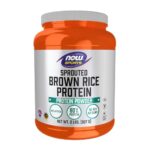 NOW Foods Sports Nutrition NOW Foods Sports Nutrition
|
athletes needing unflavored brown rice protein | High protein percentage, natural and pure; GMP certified manufacturing processes | Unflavored, may have a mild, neutral taste |
 Biotech Nutritions Pure Non-GMO Pea Rice Protein Biotech Nutritions Pure Non-GMO Pea Rice Protein
|
those preferring flavored, non-GMO pea and rice blend | Non-GMO, soy-free, gluten-free; Flavoring added for versatile use | Flavoring may not suit all taste preferences |
 NutriBiotic Certified Organic Rice Protein Vanilla NutriBiotic Certified Organic Rice Protein Vanilla
|
vegetarians needing organic rice protein with simple ingredients | Certified organic, Kosher and Keto friendly; No chemicals or additives | Less protein per serving compared to pea-based options |
 NOW Foods Sports Nutrition NOW Foods Sports Nutrition
|
those seeking fast-absorbing pea protein for athletic recovery | Fast absorption, high BCAA content; GMP certified quality | Unflavored, might require flavoring |
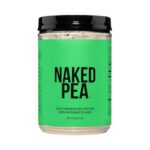 NAKED Pea – Pea Protein Isolate – Plant Based NAKED Pea – Pea Protein Isolate – Plant Based
|
fans of unflavored, NSF-certified pea protein | Certified purity and safety; GMO-free, soy-free, gluten-free | Unflavored, reliant on flavoring for tastes |
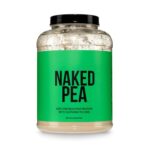 NAKED Pea – 5LB 100% Pea Protein Powder from NAKED Pea – 5LB 100% Pea Protein Powder from
|
large volume buyers of affordable pea protein | Bulk size offers value, NSF certified; Pure, with no additives | Unflavored, requiring flavoring for taste |
 Terrasoul Superfoods Organic Sprouted Brown Rice Protein Powder Terrasoul Superfoods Organic Sprouted Brown Rice Protein Powder
|
vegans desiring a certified organic brown rice protein | Organic, sprouted rice for digestibility; Neutral taste, blends easily | Lower in protein density than pea options |
 PURIS Organic Pea Protein Crisps PURIS Organic Pea Protein Crisps
|
organic pea protein crisps for snacking | Made from organic peas in the USA; High protein, soy-free | Focus on snack form rather than powder |
1. NAKED Rice 1Lb – Organic Brown Rice Protein Powder – Vegan Protein Powder, GMO Free, Gluten Free & Soy Free. Plant-Based Protein, No Artificial Ingredients – 15 Servings
Good fit if: those seeking a pure, organic rice protein for vegan diets
Table of Contents
A plant-based, GMO-free rice protein powder that is sprouted, tested for metals, and similar in amino acid profile to whey. Suitable for vegans and those avoiding soy, gluten, or artificial ingredients.
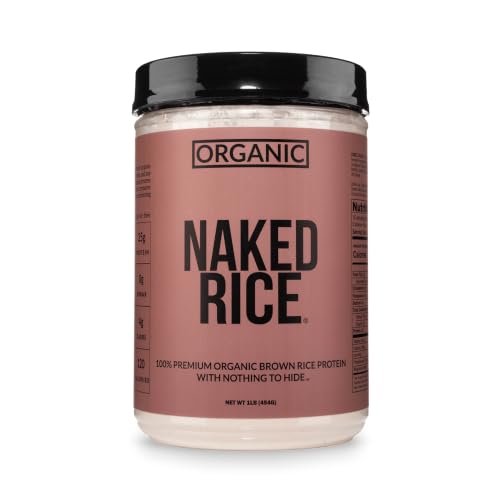
Pros: Organic, sprouted rice with amino acid profile similar to whey; Third-party tested for metals and melamine
Consideration: Limited to rice as the sole ingredient, no added flavors
Check current details on Amazon (affiliate link)
2. SOLO Organic Pea Protein Isolate, Unflavored Vegan Protein Powder (2.7 lbs)
Good fit if: those wanting unflavored, high-protein pea isolate
A certified organic pea protein with high protein content, low sodium, and a smooth blend for smoothies or recovery shakes. Ideal for clean eating and weight management.
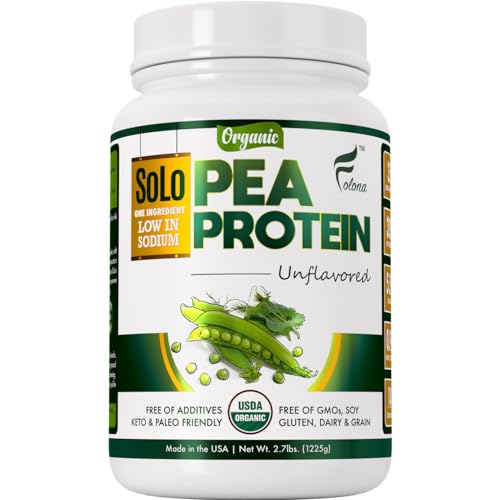
Pros: Complete amino acid profile with BCAAs; Low sodium due to proprietary extraction
Consideration: Unflavored, may need flavoring for some recipes
Check current details on Amazon (affiliate link)
3. NOW Foods Sports Nutrition, Sprouted Brown Rice Protein, 80% Protein, Unflavored Powder, 2-Pound
Good fit if: athletes needing unflavored brown rice protein
Unflavored sprouted brown rice protein powder with 80% protein and easy mixing, suitable for active lifestyles and muscle maintenance. Certified GMP for quality.
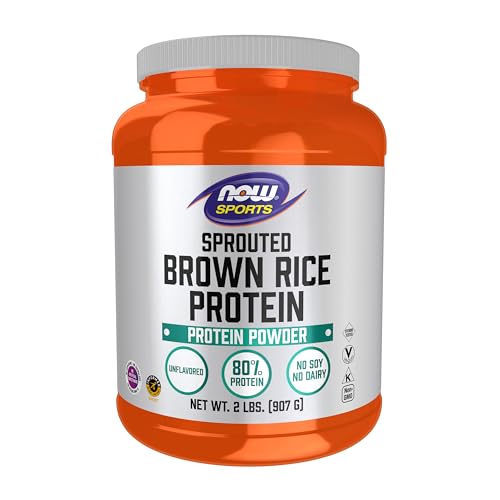
Pros: High protein percentage, natural and pure; GMP certified manufacturing processes
Consideration: Unflavored, may have a mild, neutral taste
Check current details on Amazon (affiliate link)
4. Biotech Nutritions Pure Non-GMO Pea Rice Protein, Vanilla, 16 Ounce
Good fit if: those preferring flavored, non-GMO pea and rice blend
Vanilla-flavored, non-GMO pea and rice protein blend that is soy-free and gluten-free, with a focus on natural ingredients for easy digestion.
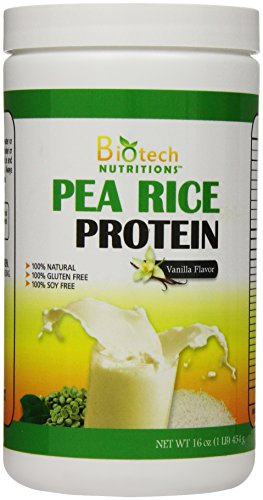
Pros: Non-GMO, soy-free, gluten-free; Flavoring added for versatile use
Consideration: Flavoring may not suit all taste preferences
Check current details on Amazon (affiliate link)
5. NutriBiotic Certified Organic Rice Protein Vanilla, 1 Lb. 5 Oz | Low Carbohydrate Vegan Protein Powder | Raw, Certified Kosher & Keto Friendly | Made Without Chemicals, GMOs & Gluten | Easy to Digest
Good fit if: vegetarians needing organic rice protein with simple ingredients
Organic, low-carb rice protein powder made from certified organic brown rice, offering easily digestible nutrition without chemicals or GMOs.
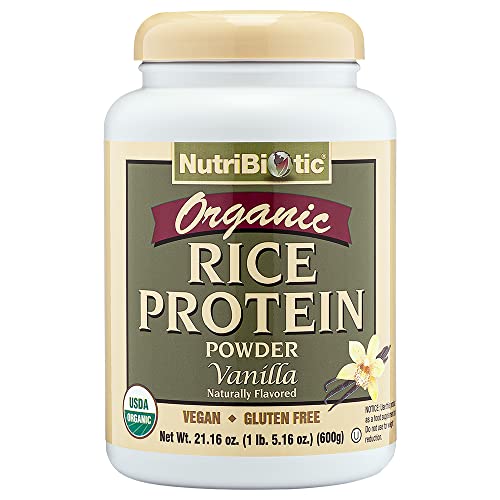
Pros: Certified organic, Kosher and Keto friendly; No chemicals or additives
Consideration: Less protein per serving compared to pea-based options
Check current details on Amazon (affiliate link)
6. NOW Foods Sports Nutrition, Pea Protein 24 g, Fast Absorbing, Unflavored Powder, 2-Pound
Good fit if: those seeking fast-absorbing pea protein for athletic recovery
Unflavored, fast-absorbing pea protein with 24 g of protein per serving, rich in BCAAs and arginine, ideal for post-workout nutrition.
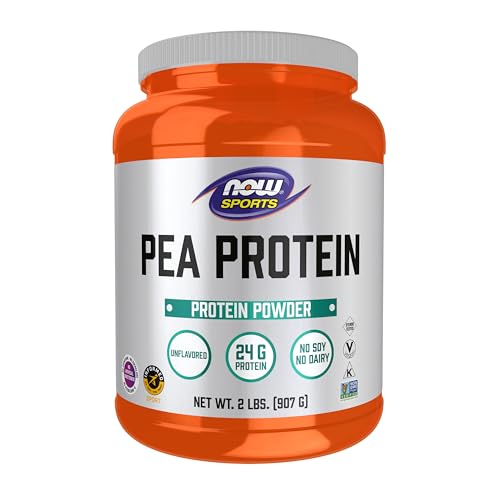
Pros: Fast absorption, high BCAA content; GMP certified quality
Consideration: Unflavored, might require flavoring
Check current details on Amazon (affiliate link)
7. NAKED Pea – Pea Protein Isolate – Plant Based, Vegetarian & Vegan Protein. NSF Certified, Easy to Digest, Non-GMO, No Lactose, No Soy and Gluten Free – 15 Servings
Good fit if: fans of unflavored, NSF-certified pea protein
Pure yellow pea protein with NSF certification, GMO-free, soy-free, and gluten-free, designed for clean gains and versatile use.
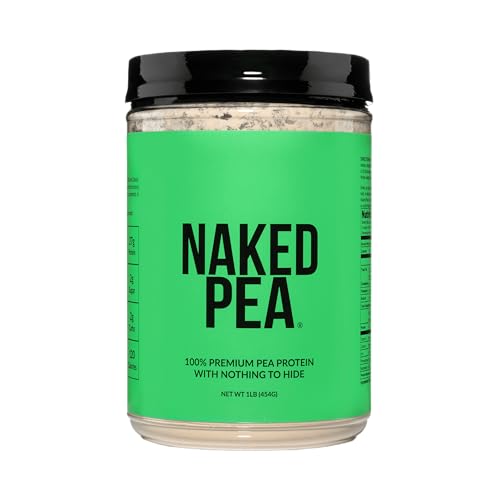
Pros: Certified purity and safety; GMO-free, soy-free, gluten-free
Consideration: Unflavored, reliant on flavoring for tastes
Check current details on Amazon (affiliate link)
8. NAKED Pea – 5LB 100% Pea Protein Powder from North American Farms – Unflavored Vegan Pea Protein Isolate – NSF Certified, Plant Protein Powder, Easy to Digest – 76 Servings
Good fit if: large volume buyers of affordable pea protein
A 5-pound unflavored pea protein powder from North American farms, NSF certified, perfect for bulk use, smoothies, and recipes.
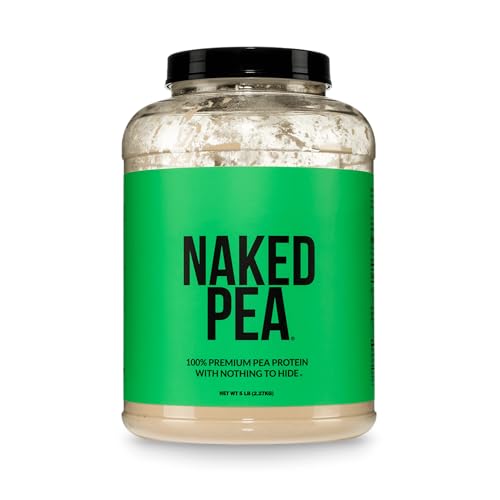
Pros: Bulk size offers value, NSF certified; Pure, with no additives
Consideration: Unflavored, requiring flavoring for taste
Check current details on Amazon (affiliate link)
9. Terrasoul Superfoods Organic Sprouted Brown Rice Protein Powder, 1.5 Pounds
Good fit if: vegans desiring a certified organic brown rice protein
Organic sprouted brown rice protein delivering a smooth, neutral flavor, suitable for daily nutrition, baking, and smoothies.
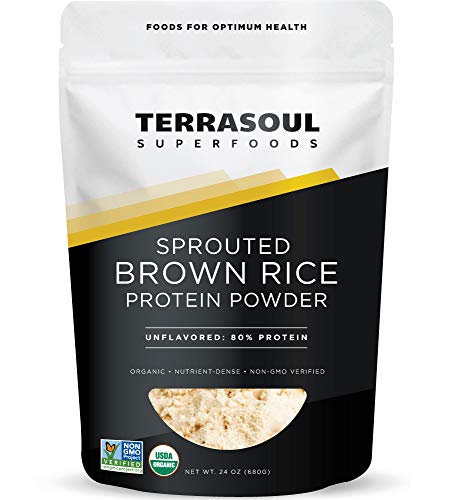
Pros: Organic, sprouted rice for digestibility; Neutral taste, blends easily
Consideration: Lower in protein density than pea options
Check current details on Amazon (affiliate link)
10. PURIS Organic Pea Protein Crisps, 18g Protein, Unflavored, Sugar & Soy-Free
Good fit if: organic pea protein crisps for snacking
Unflavored, soy and sugar-free pea protein crisps made from organic peas, providing a high-protein snack option free from common allergens.
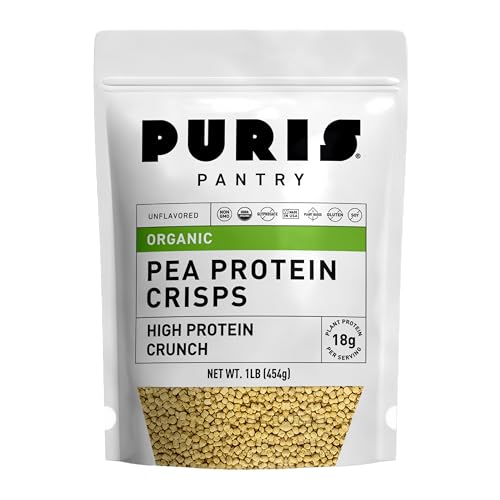
Pros: Made from organic peas in the USA; High protein, soy-free
Consideration: Focus on snack form rather than powder
Check current details on Amazon (affiliate link)
Rice Protein Vs Pea Protein Buying Guide
1. Choosing Between Rice and Pea Protein
Consider dietary restrictions, allergen concerns, and nutritional goals. Rice protein suits those with gluten or soy sensitivities, while pea offers higher protein density and BCAAs, beneficial for muscle repair and weight management.
2. Selecting Quality and Purity
Look for certifications like NSF, USDA Organic, or non-GMO labels. Third-party testing for metals and contaminants ensures product safety. Consider whether ingredients are natural, minimally processed, and free from artificial additives.
Which Rice Protein Vs Pea Protein Should You Choose?
Choose rice protein for hypoallergenic, minimal ingredients or pea protein for higher protein content and complete amino acids. Verify certifications, ingredient purity, and how well the product matches dietary needs and taste preferences before purchasing.
Frequently Asked Questions
1. Is rice protein suitable for vegans?
Yes, rice protein is plant-based and often used as a vegan or vegetarian protein source.
2. Does pea protein contain all essential amino acids?
Pea protein offers a complete amino acid profile, including BCAAs, supporting muscle growth and recovery.
3. Are these proteins hypoallergenic?
Rice protein is generally hypoallergenic; pea protein is also suitable for many with food sensitivities, but individual responses vary.
4. Can rice and pea proteins be used in baking?
Yes, both powders blend well into smoothies, baked goods, and recipes to boost protein content.
5. Is flavored protein better than unflavored?
Flavoring depends on personal taste; unflavored offers versatility, while flavored can improve taste and variety.
6. Are these proteins tested for contaminants?
Many products undergo third-party testing for metals and safety, but verify on each product page.
7. Which protein is better for weight loss?
Both can support weight management; pea protein's higher protein density and low calories make it particularly suitable.