
River Birch trees are a stunning addition to any landscape, known for their charming appearance and adaptability. Let’s dive into the fascinating characteristics of these trees, exploring their growth, roots, and much more!
Table of Contents
Overview of River Birch Trees
What is a River Birch Tree?
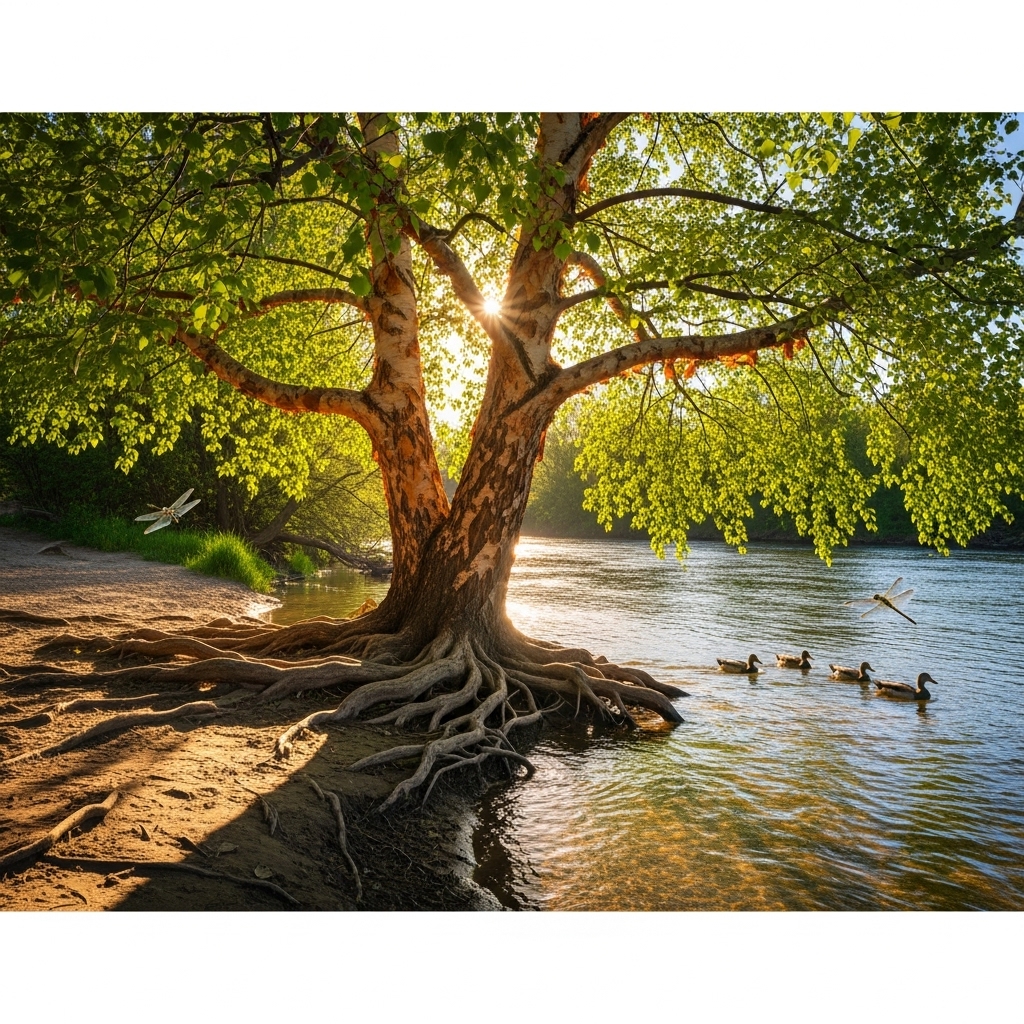
I remember the first time I came across a River Birch tree; I was struck by its graceful form and unique bark. River Birch, scientifically known as *Betula nigra*, is a deciduous tree native to the eastern United States. It thrives in wet, lowland areas, which is how it got its name. I’ve always found it enchanting how this tree manages to stand out with its beautiful foliage and attractive bark, making it a favorite among landscape enthusiasts. For more detailed information, you can check out River Birch Tree Size, Height, Roots, Problems & Lifespan.
Scientific Classification
Understanding the scientific classification of River Birch helps us appreciate its place in the natural world. It belongs to the Betulaceae family, which also includes other birch species, such as the Paper Birch. The genus name, *Betula*, comes from the Latin word for birch, while *nigra* means “black,” referring to the tree’s dark bark. This classification adds to my fascination with the River Birch, connecting it to a rich lineage of trees that have thrived across different environments.
Common Varieties of River Birch
Within the River Birch species, I’ve found several varieties that cater to different gardening needs. The most notable ones include the ‘Heritage’ and ‘Dura-Heat’ cultivars. The ‘Heritage’ variety is particularly popular due to its beautiful peeling bark and resistance to the bronze birch borer, a common pest. On the other hand, ‘Dura-Heat’ is praised for its exceptional heat tolerance and disease resistance. I appreciate how these cultivars allow us to enjoy the beauty of River Birch while addressing specific environmental challenges.
Physical Characteristics of River Birch Trees
Bark Texture and Color
The bark of the River Birch is one of its most distinctive features. It has a lovely, rough texture that peels off in thin, papery layers, revealing a smooth, pinkish-brown surface underneath. I love how this gives the tree a dynamic look, changing with the seasons. In winter, the stark contrast of the peeling bark against the white snow creates a beautiful visual. This texture not only adds character but also helps the tree adapt to its environment.
Leaf Shape and Size
When it comes to leaves, River Birch trees have ovate, serrated leaves that can grow up to 3 inches long. They emerge in a vibrant green during spring and turn a lovely yellow in the fall. I find it fascinating that these leaves are not only aesthetically pleasing but also serve an important role in the tree’s overall health. Their size and shape allow for efficient photosynthesis, which keeps the tree vigorous and strong.
Flowers and Seed Cones
Spring is an exciting time for River Birch as it produces catkins, which are the tree’s flowers. These small, greenish-yellow clusters appear before the leaves and can be quite a sight. The tree’s seed cones, which are small and cylindrical, follow shortly after the flowers. I remember being surprised to learn that these cones contain tiny seeds that are dispersed by the wind, providing new trees the chance to grow nearby. It’s a beautiful cycle of life that I appreciate each year.
Size and Growth Rate
Average Height and Spread
River Birch trees are known for their impressive stature. Typically, they can grow between 40 to 70 feet tall, with a spread of about 40 to 60 feet. I’ve seen some specimens reach even greater heights, especially in ideal conditions. Their wide canopy makes them perfect for providing shade in larger yards or parks. I think about how wonderful it would be to sit under one on a warm summer day, feeling the cool breeze rustle through the branches.
Growth Rate Comparison with Other Trees
One of the things I find most appealing about River Birch is its growth rate. They can grow 3 to 5 feet per year, making them relatively fast-growing compared to many other trees. In my opinion, this rapid growth is a significant advantage for those looking to establish a landscape quickly. It’s comforting to know that with a bit of patience and care, these trees can transform a space in just a few years. For more insights on their growth, check out River Birch Tree Growth Rate for Wet Soil Areas.
Factors Influencing Growth Rate
Several factors influence how quickly River Birch trees grow. Soil quality is paramount; they prefer moist, well-drained soils rich in organic matter. In my own experience, planting them in a location with plenty of sunlight has also made a notable difference. I’ve observed that trees thriving in full sun tend to grow faster and stronger than those in shaded areas. Water availability and overall climate conditions also play a role, as River Birch naturally flourishes in wet environments. Understanding these aspects has helped me cultivate healthier trees in my garden.
Root System of River Birch Trees
Root Depth and Spread
When I first started planting River Birch trees, I was curious about their root systems. I discovered that River Birch have a relatively shallow but widespread root system. Typically, their roots extend about 3 to 4 feet deep and spread outwards even more, often reaching up to 60 feet in diameter. This shallow root system helps them absorb water efficiently, which is crucial since they thrive in moist environments. I have noticed that when planted in the right conditions, these trees really take off, their roots establishing themselves quickly. I think understanding their root depth and spread is essential for anyone considering planting these trees, especially if you’re aiming for a garden that’s harmonious with its surroundings.
How Roots Affect Surrounding Soil and Plants
The roots of River Birch play an important role in the ecosystem around them. I learned that they help improve soil structure and health. As they grow, their roots can break up compacted soil, allowing air and water to penetrate more deeply. This is something I’ve seen firsthand; after planting them, the adjacent plants seemed to thrive better. Additionally, the roots can help prevent erosion, especially in areas prone to flooding or heavy rain. I’ve seen how their presence can create a more stable environment for other plants, contributing to a lush and vibrant landscape.
Potential Issues with Root Invasiveness
However, I’ve also come to realize that the River Birch’s root system can present some challenges. While they are generally not considered invasive, their extensive roots can sometimes encroach on nearby structures, sidewalks, and even other plants. I remember a neighbor who planted a River Birch too close to their home and found that the roots started lifting their patio stones. It’s a reminder that planning is key! If you’re considering these trees for your garden, I recommend planting them at least 10 to 15 feet away from any hardscapes or other sensitive plants to avoid potential conflicts down the road.
Environmental Adaptability
Soil Preferences
One of the aspects I admire about River Birch is their adaptability to various soil types. They flourish best in moist, well-drained soils rich in organic matter. I’ve planted them in both sandy and clay soils, and they seem to manage just fine as long as they have adequate moisture. However, I noticed that they truly thrive when the soil is loamy and slightly acidic. When I’ve enriched the soil with compost, the trees responded beautifully, producing lush foliage and vibrant growth. This adaptability makes them a great choice for many gardeners and landscapers.
Sunlight and Water Requirements
River Birch trees love sunlight! They do best in full sun to partial shade, which has been my experience as well. I remember planting one in a spot that only received partial sun, and while it grew, it didn’t have that same robust health compared to the ones in full sunlight. Water is another critical factor; they prefer consistently moist conditions. I found that during dry spells, it was essential to give them a good soak to keep them happy. With their natural inclination towards wet environments, they can also tolerate some flooding, which is a plus for regions with heavy rainfall or near water bodies.
Resistance to Pests and Diseases
In my gardening journey, I’ve been fortunate that River Birch trees are relatively resistant to pests and diseases compared to other tree species. They can occasionally face challenges from pests like the bronze birch borer, but I’ve learned that proper care can mitigate these issues. I remember once noticing some signs of borer activity and quickly treating it with an insecticidal soap, which helped save the tree. Moreover, their natural resilience makes them ideal for urban environments where other trees might struggle. I appreciate that even with occasional pests, the overall health of these trees can usually be maintained with a little vigilance.
Uses and Benefits of River Birch Trees
Landscaping and Aesthetic Appeal
The aesthetic appeal of River Birch is something I can’t overlook. Their unique bark, beautiful foliage, and graceful form make them a stunning focal point in any landscape. I’ve seen them used in both residential gardens and public parks, providing a lovely contrast against other plants. The way their branches sway gently in the breeze adds a dynamic quality to the landscape. I often recommend using them as specimen trees or in group plantings to create a natural-looking space. They also blend beautifully with other plants, adding depth and texture to any garden design.
Ecological Benefits
Beyond their beauty, River Birch trees offer significant ecological benefits. I’ve read that they provide essential habitat for various wildlife species. Birds are particularly drawn to these trees, and I’ve often spotted them flitting among the branches, searching for insects and nesting materials. Additionally, their roots help improve soil health and stabilize the surrounding environment, which is something I truly value. Knowing that my choices in landscaping can support local ecosystems makes me feel more connected to nature and responsible as a gardener.
Uses in Urban Settings
River Birch trees are also a fantastic choice for urban areas. Their ability to tolerate pollution and adapt to city conditions has made them a popular selection for street trees and parks. I’ve seen how they can help reduce the urban heat island effect, providing shade and comfort on hot days. Furthermore, their rapid growth means they can quickly provide benefits in newly developed areas. I believe that planting River Birch in urban settings not only beautifies the space but also contributes positively to the community’s overall well-being.
Care and Maintenance of River Birch Trees
Best Practices for Planting
When I decided to plant my first River Birch, I wanted to make sure I did it right. I learned that choosing the right location is crucial. Ideally, these trees should be planted in the spring or fall when the weather is milder. I’ve found that digging a hole twice as wide as the root ball and just as deep helps encourage healthy root growth. It’s also essential to loosen the soil at the bottom of the hole to allow the roots to spread easily. I always make sure to plant them at the same depth they were in their nursery container; this helps prevent issues with rot.
After planting, I like to mulch around the base with organic material, such as wood chips or shredded bark. This not only retains moisture but also helps suppress weeds, which can compete for nutrients. I remember the first year I mulched my trees; they seemed to flourish much more than the ones I had planted without it. It’s a simple step that I believe makes a big difference!
Watering and Fertilization Tips
Watering has been one of my top priorities when caring for my River Birch trees. They love moisture, so I keep an eye on the soil, especially during dry spells. I’ve found that deep watering is more beneficial than frequent shallow watering. This encourages the roots to grow deeper, which helps them become more established. I typically water them about once a week during dry periods, ensuring the soil remains consistently moist but not waterlogged.
As for fertilization, I’ve learned that River Birch doesn’t require a lot of extra nutrients once established. However, in the early years, I like to give them a balanced fertilizer in the spring. I remember using a slow-release fertilizer that lasted several months, giving my trees just the right amount of nutrients they needed. It’s essential to follow the instructions on the package, as too much fertilizer can harm the tree. I find that observing how the trees react to my care helps me adjust my strategies over time.
Pruning Techniques and Timing
Pruning River Birch trees is something I initially approached with caution, but I’ve grown to appreciate its importance. I’ve found that the best time to prune is during late winter or early spring while the tree is still dormant. This way, I minimize sap loss and encourage new growth when the weather warms up. I typically look for any dead or damaged branches and remove them first. I remember how satisfying it was to see my tree flourish after a good pruning session! For detailed guidance, refer to River Birch Tree Pruning for Decorative Yards.
It’s also important to maintain a good structure for the tree. I try to remove any crossing branches or those growing inward to improve airflow and sunlight penetration. I’ve noticed that this not only keeps my trees healthy but also enhances their overall appearance. I always make sure to use clean, sharp tools to make clean cuts, which helps prevent disease.
Common Questions about River Birch Trees
How Fast Do River Birch Trees Grow?
This is a question I often hear from fellow gardeners. River Birch trees can grow impressively fast, typically achieving 3 to 5 feet in height each year under optimal conditions. I remember planting a few in my backyard and watching them thrive. It felt like they were reaching for the sky just as quickly as I was trying to keep up with their needs! Their rapid growth makes them ideal for creating shade or privacy in a relatively short amount of time.
What Conditions are Best for River Birch Trees?
From my experience, River Birch thrives in moist, well-drained soils with plenty of organic matter. They prefer full sun to partial shade, which I’ve found helps them grow stronger and healthier. The more sunlight they receive, the more vibrant their leaves appear. I also discovered that they are adaptable to various soil types, but they truly shine in slightly acidic, loamy soils. Providing the right conditions can lead to stunning results!
Are River Birch Trees Messy?
One thing I’ve noticed about River Birch is that they can be a bit messy, particularly during the fall when they shed their leaves. The peeling bark, while beautiful, can also create some litter beneath the tree. However, I’ve come to appreciate that this is part of the natural cycle and adds character to the landscape. Regular maintenance, like raking fallen leaves or cleaning up the bark, can keep the area tidy. For me, the beauty and benefits of the River Birch far outweigh the minor mess they may create.
Frequently Asked Questions
What is a River Birch Tree?
A River Birch, scientifically known as Betula nigra, is a deciduous tree native to the eastern United States, distinguished by its graceful form, unique bark, and adaptability to wet, lowland areas.
How tall do River Birch trees typically grow?
River Birch trees can grow between 40 to 70 feet tall, with a spread of about 40 to 60 feet, making them impressive additions to landscapes.
What are the common varieties of River Birch?
Notable varieties of River Birch include the ‘Heritage’ and ‘Dura-Heat’ cultivars. ‘Heritage’ is popular for its peeling bark and pest resistance, while ‘Dura-Heat’ is known for its heat tolerance and disease resistance.
How fast do River Birch trees grow?
River Birch trees are relatively fast-growing, typically achieving heights of 3 to 5 feet per year under optimal conditions.
What are the soil preferences for River Birch trees?
River Birch trees thrive in moist, well-drained soils rich in organic matter, and they particularly flourish in loamy and slightly acidic soils.
What are the sunlight and water requirements for River Birch trees?
River Birch trees prefer full sun to partial shade and require consistently moist conditions, as they are naturally inclined to thrive in wet environments.
Do River Birch trees face pest and disease issues?
While River Birch trees are relatively resistant to pests and diseases, they can occasionally face challenges from pests like the bronze birch borer, but proper care can help mitigate these issues.
What ecological benefits do River Birch trees provide?
River Birch trees provide essential habitat for wildlife, improve soil health, and help stabilize the surrounding environment, contributing positively to local ecosystems.
What are the best practices for planting River Birch trees?
When planting River Birch, it’s ideal to choose a location in spring or fall, dig a hole twice as wide as the root ball, and mulch around the base to retain moisture and suppress weeds.
Are River Birch trees messy?
River Birch trees can be somewhat messy, especially in the fall when they shed leaves and peeling bark. However, regular maintenance like raking can help keep the area tidy, and many appreciate the natural character they add to the landscape.