
The River Birch tree is a beautiful and versatile addition to any landscape. With its stunning bark and graceful form, it offers not just beauty but also numerous benefits to the environment.
Table of Contents
Overview of the River Birch Tree
Scientific Classification
When I first became fascinated with trees, I learned that the River Birch, known scientifically as *Betula nigra*, belongs to the Betulaceae family. This family includes other birches and alders, but the River Birch stands out for its unique characteristics. Understanding its classification helped me appreciate its role in the ecosystem, and I found it intriguing how each species has its own traits and adaptations.
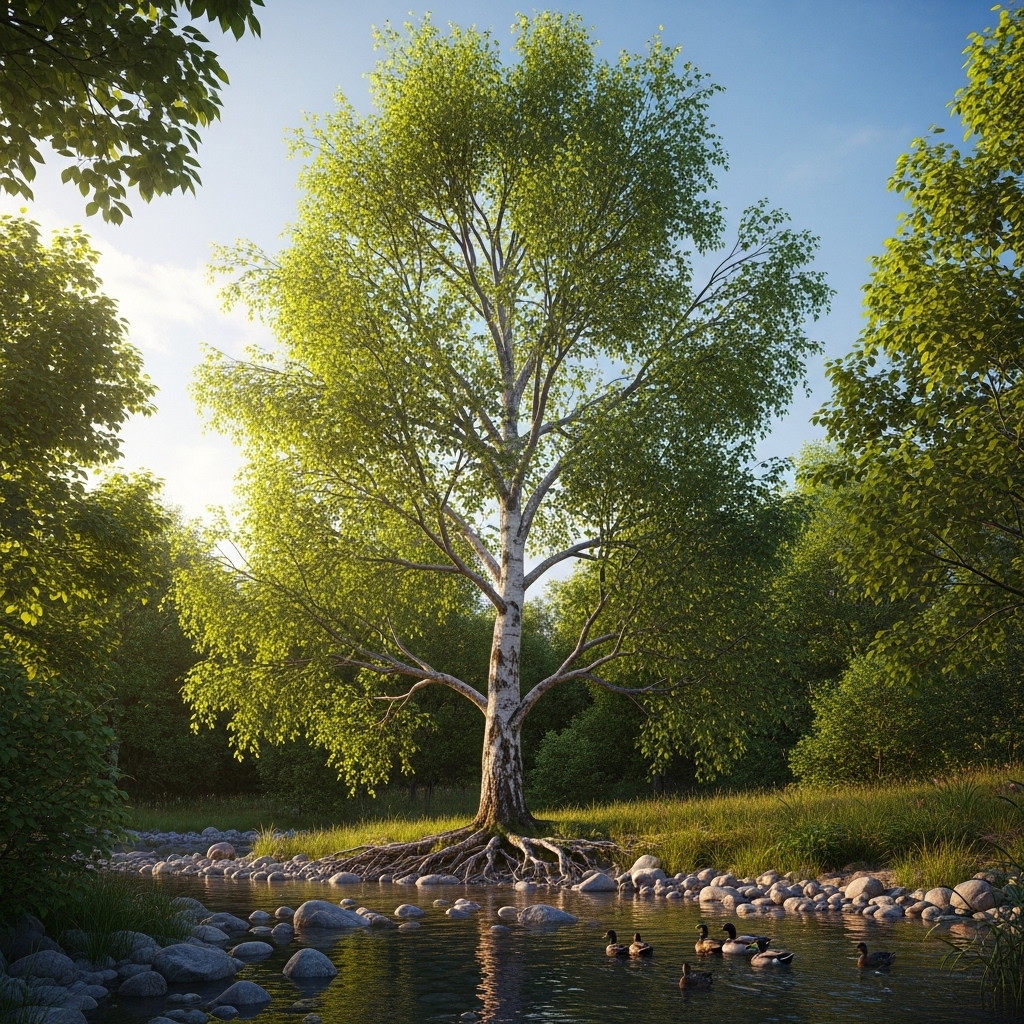
Common Names
I’ve come across various common names for the River Birch, including Black Birch and Water Birch. Each name tells a part of its story—its habitat near water sources and its dark, attractive bark. In my local area, people often refer to it simply as the “river tree,” reflecting its close connection to waterways. This adaptability makes it a favorite among landscapers and gardeners alike.
River Birch Tree Size
Typical Dimensions
When I think about the size of a mature River Birch, I’m often amazed. Typically, these trees can reach heights of up to 40 to 70 feet, with a spread of around 40 to 60 feet. Their size can be quite impressive in a landscape, providing great shade and a striking visual element. I remember walking through a park where several mature River Birches stood proudly, their branches swaying gently in the wind. It was hard not to feel a sense of peace in their presence.
Growth Rate
What I found particularly interesting is that River Birch trees are known for their rapid growth. Under ideal conditions, they can grow 2 to 3 feet per year! This quick growth can be one of the reasons they’re so popular among homeowners looking to establish a landscape quickly. However, I’ve also learned that this fast growth means regular care is necessary to keep them healthy and thriving. Understanding the growth rate of River Birch trees in wet soil areas can help homeowners make informed decisions about planting.
Factors Affecting Size
While River Birches can grow tall and wide, several factors can influence their ultimate size. The first thing I noticed is that soil quality and moisture levels play a significant role. These trees prefer moist, well-drained soil and often thrive near riverbanks or in wetland areas. I’ve seen that when planted in drier conditions, their growth can be stunted. Sunlight is another crucial factor. River Birches love full sun, and when they get enough light, they flourish. In my experience, planting them in the right location and providing adequate water can make a huge difference in their overall size.
Height of the River Birch Tree
Average Height
On average, River Birch trees stand between 40 to 70 feet tall, but I’ve often seen reports of even taller specimens in the wild. This impressive height adds a dramatic flair to any setting. I remember visiting a botanical garden where a particularly tall River Birch caught my eye. Standing beneath it, I felt dwarfed by its grandeur, a reminder of nature’s incredible ability to inspire awe.
Height Variations by Climate and Soil
From my observations, the height of a River Birch can vary significantly depending on its environment. Trees in a more humid climate tend to reach greater heights compared to those in arid regions. The soil type and its drainage capacity also play critical roles. I’ve learned that River Birches thrive in wet, loamy soils, and when planted in such conditions, they tend to maximize their height potential. In contrast, trees in sandy or compacted soils may not reach their full height, which can be a disappointment for those hoping for a towering specimen in their yard.
Roots of the River Birch Tree
Root Structure and Depth
One aspect of the River Birch that I find fascinating is its root system. The roots of this tree are typically shallow but extensive, spreading out widely to absorb moisture and nutrients. In my experience, this means that while they don’t grow particularly deep, they can cover a large area, which is great for stability but can also lead to challenges in smaller gardens.
Surface Roots and Their Implications
I’ve noticed that the River Birch can develop surface roots that can be quite pronounced. While they may seem like a nuisance, they serve a purpose. These roots help the tree access surface moisture, which is crucial in its natural habitat. However, this can also complicate planting nearby flowers or shrubs, as they may struggle to compete for nutrients. I recommend being mindful of this when planning your garden layout.
Impact on Surrounding Plants and Structures
After planting a River Birch, I quickly realized how its roots can impact nearby plants and structures. They can compete for water and nutrients, affecting the health of surrounding flora. I’ve seen gardens where new plantings struggled due to the established tree’s root system. Additionally, if planted too close to sidewalks or foundations, these roots can cause damage over time. I learned that keeping a good distance from hardscapes is essential for both the trees and the structures around them.
Common Problems Associated with River Birch Trees
Pests Affecting River Birch Trees
While River Birch trees are generally resilient, I’ve noticed that they can attract a few pests that might cause concern. One of the more common offenders is the bronze birch borer, which can create issues if not addressed promptly. I remember the first time I saw the telltale signs of these pests—small holes in the bark and an overall decline in the tree’s health. It was disheartening because I had grown quite fond of my River Birch. What I learned is that keeping a close eye on your trees can help catch these issues early. Regular inspection can help spot any signs of infestation, and if you do see something suspicious, I recommend consulting a local arborist for advice on treatment options.
Diseases and Fungal Infections
Just like us, trees can be susceptible to diseases, and River Birches are no exception. One common disease I’ve encountered is leaf spot, which can leave unsightly brown patches on the leaves. At first, I was worried it was something severe, but after doing some research, I found out that it often isn’t fatal. Still, it can affect the tree’s appearance and overall health. I’ve also read about fungal infections that can attack the tree’s bark, leading to cankers. These can be more serious, and I’ve learned that proper care, such as ensuring good air circulation and avoiding overhead watering, can help minimize these risks.
Environmental Stress Factors
Environmental stress can significantly impact the health of a River Birch. I’ve seen firsthand how drought conditions can lead to wilting leaves and overall decline. River Birches thrive in moist environments, so when the weather turns dry, it’s essential to step in and provide additional water. Conversely, I’ve also noticed that too much water can be problematic. If planted in poorly drained soil, they can suffer from root rot. In my experience, finding that sweet spot of moisture is crucial. Mulching around the base can help retain moisture while also preventing weeds. I’ve found that keeping the environment just right can make all the difference in how my River Birch flourishes.
Lifespan of the River Birch Tree
Average Lifespan in Ideal Conditions
When it comes to the lifespan of the River Birch, I’ve seen estimates ranging from 30 to 50 years. In ideal growing conditions, with ample moisture and sunlight, they can even live longer. I remember visiting a park that had several ancient River Birches, and I couldn’t help but marvel at their age and grandeur. It’s fascinating to think about how long these trees can thrive if properly cared for. It really makes me appreciate the legacy of these trees and their ability to provide beauty and shade for generations.
Factors Influencing Lifespan
Throughout my journey with River Birch trees, I’ve discovered that several factors can influence their lifespan. The quality of the soil plays a significant role. Trees planted in rich, well-drained soil tend to live longer than those in compacted or sandy soils. I remember a friend who planted her River Birch in a less-than-ideal location, and over the years, it struggled to thrive. Environmental conditions, like extreme weather or pollutants, can also have a negative impact. I’ve learned that providing the best possible environment—adequate water, proper spacing, and good drainage—can substantially increase their chances of a long life.
Care and Maintenance Tips
Pruning Techniques
Pruning is an essential part of keeping a River Birch healthy, and I’ve discovered that the best time to do this is in late winter or early spring before the leaves emerge. I remember the first time I attempted to prune my River Birch—I was nervous! But once I got started, I found it quite satisfying to shape the tree and remove any dead or crossing branches. This not only encourages new growth but also helps prevent disease by improving air circulation. I highly recommend looking into pruning techniques to enhance its appearance and health. I recommend using clean, sharp tools to make precise cuts and to avoid any unnecessary damage to the tree.
Soil and Water Requirements
As I’ve mentioned before, River Birch trees love moisture. I’ve found that they thrive best in well-drained, loamy soil. When it comes to watering, I usually give them a good soaking during dry spells, especially in the first few years after planting. I remember a particularly hot summer when I noticed my tree looking a bit droopy. A deep watering made a world of difference! I’ve learned that keeping the soil consistently moist, but not soggy, is key to helping them thrive.
Fertilization Practices
Fertilizing River Birch trees can also enhance their growth and health. I usually opt for a balanced fertilizer in early spring, which helps provide the nutrients they need to kickstart their growing season. When I first started fertilizing, I was unsure how much to apply. I learned that following the instructions on the package is crucial, as over-fertilization can lead to more harm than good. I’ve noticed that proper fertilization has helped my trees become more vibrant and lush over the years.
Best Uses for River Birch Trees
Landscape Applications
River Birch trees are one of my favorites for landscaping. They can be used as focal points in a yard, or they can be planted in groups for a stunning visual effect. I’ve seen them used effectively in parks and public spaces, providing shade and beauty. Their unique bark and graceful branches add character to any landscape. I often recommend them to friends who are looking to create a more inviting outdoor space.
Ecological Benefits
Beyond their beauty, River Birch trees play a vital role in the ecosystem. I’ve read that they provide food and habitat for various wildlife. Birds love to nest in their branches, and I often spot squirrels scampering around them. They also help improve soil quality by adding organic matter when their leaves fall. I feel good knowing that having a River Birch in my yard not only enhances my landscape but also contributes positively to the environment.
Urban Planting Considerations
In urban settings, River Birch trees can be particularly beneficial. Their adaptability to various soil conditions makes them ideal for streets and parks. I’ve seen them planted in areas where other trees struggle, and they seem to thrive despite the challenges. Their ability to tolerate some pollution is another bonus. I always encourage urban gardeners to consider these trees, as they can provide much-needed greenery and beauty in concrete jungles.
Best Uses for River Birch Trees
Landscape Applications
I truly believe that River Birch trees shine in landscaping, and I’ve seen firsthand how they can transform a space into something extraordinary. When I was designing my garden, I decided to incorporate a few River Birches, and the difference they made was astounding. They can serve as stunning focal points, especially when their distinctive bark catches the light. I love how their branches create a beautiful canopy, providing shade and a cozy outdoor space for family gatherings.
One way I’ve seen them used effectively is in clusters, which creates a striking visual effect. Imagine a group of River Birches with their white and coppery bark contrasting against lush green grass—it’s simply breathtaking. I often visit local parks where these trees are planted along walking trails, creating a picturesque scene that encourages people to stop and admire their beauty. I recommend planting them in groups or as a border to maximize their aesthetic impact. It’s a fantastic way to create a natural privacy screen while adding visual interest to your yard.
Another application that excites me is their use in rain gardens. Since River Birch trees thrive in wet conditions, they are perfect for areas that experience periodic flooding or excess rain. I’ve seen communities plant them in these gardens to not only beautify the space but also help manage water runoff. It’s a win-win situation where beauty meets function, and I love knowing that I’m contributing to both my local environment and my personal enjoyment.
Ecological Benefits
River Birch trees are not just beautiful; they also come with a host of ecological benefits that I find enriching. For instance, I’ve read that they provide vital habitat for various forms of wildlife. During the spring and summer months, I often hear birds chirping and nesting in the branches of my River Birch. I’ve spotted blue jays and cardinals making their homes there, and it fills my heart to know that my tree is supporting local biodiversity. Having a River Birch in my yard has truly turned it into a lively sanctuary.
These trees are also beneficial for soil health. As the leaves fall and decompose, they add organic matter that enhances the soil’s quality. I noticed that my garden flourished after I added my River Birch. The rich, loamy soil became more fertile, and I started seeing better growth in my flower beds. I’ve learned that trees like the River Birch play a crucial role in maintaining soil stability and health, which is something every gardener should consider.
Additionally, River Birches are excellent at filtering pollutants, making them ideal for planting near urban areas or places with heavy foot traffic. I was thrilled to learn that their ability to absorb toxins can help improve air quality, which is a critical benefit in today’s world. I feel a sense of pride knowing that my choice of tree contributes positively to the environment, and I often encourage others to consider the ecological advantages of planting trees like the River Birch. Learn more about the pros and cons of River Birch trees to make an informed decision.
Urban Planting Considerations
In urban settings, River Birch trees truly stand out as a resilient and adaptable choice. I’ve seen them thrive in conditions that would challenge other trees, like compacted soil and limited space. Their ability to tolerate some pollution is a considerable advantage. I remember visiting a city park where the River Birches not only added beauty but also helped create a microhabitat for wildlife amidst the concrete. It was a refreshing sight, and it reinforced my belief in the importance of integrating nature into urban landscapes.
When considering planting River Birch in urban areas, I’ve learned that proper spacing is essential. Given their extensive root systems, it’s important to plant them far enough from sidewalks and buildings to prevent damage. I’ve often seen trees planted too close to structures, leading to issues down the line. It’s vital to give them the room they need to grow and thrive without interference. I recommend checking the mature size of the tree and planning accordingly to ensure they have ample space to flourish.
Another consideration is the availability of water. While River Birch trees love moisture, urban settings can sometimes present challenges with inconsistent watering practices. In my experience, if rain is sparse, providing supplemental watering during dry spells is crucial. This can help ensure that the trees remain healthy and vibrant, even in the midst of city life. I’ve found that city dwellers can greatly benefit from planting these trees, as they not only enhance the landscape but also contribute to a greener, healthier environment.
Frequently Asked Questions
What is the scientific name of the River Birch tree?
The scientific name of the River Birch tree is Betula nigra, and it belongs to the Betulaceae family.
What are some common names for the River Birch?
Common names for the River Birch include Black Birch and Water Birch. In some areas, it is simply referred to as the “river tree.”
How tall do River Birch trees typically grow?
River Birch trees typically grow to heights of 40 to 70 feet, with some reports of even taller specimens in the wild.
What factors influence the size of River Birch trees?
Factors that influence the size of River Birch trees include soil quality, moisture levels, sunlight exposure, and whether they are planted in appropriate conditions.
What is the average lifespan of a River Birch tree?
The average lifespan of a River Birch tree ranges from 30 to 50 years, although they can live longer in ideal conditions.
What are some common pests that affect River Birch trees?
Common pests affecting River Birch trees include the bronze birch borer, which can cause decline in the tree’s health if not addressed promptly.
What diseases can River Birch trees be susceptible to?
River Birch trees can be susceptible to diseases such as leaf spot, which causes brown patches on leaves, and various fungal infections that can lead to cankers on the bark.
What type of soil do River Birch trees prefer?
River Birch trees prefer well-drained, loamy soil and thrive best in moist conditions, often found near riverbanks or wetland areas.
How should River Birch trees be pruned?
River Birch trees should be pruned in late winter or early spring before leaves emerge. This helps promote new growth and prevents disease by improving air circulation.
What are some ecological benefits of planting River Birch trees?
Ecological benefits of planting River Birch trees include providing habitat for wildlife, improving soil quality with organic matter from fallen leaves, and filtering pollutants which can enhance air quality.