
Most roses bloom several times a year, typically in late spring, summer, and early fall, depending on climate, care, and rose variety.
This article explains the factors influencing rose blooming, including climate conditions, proper care, and specific rose varieties, to help you understand and encourage the blooming cycle.
When Do Roses Bloom in Different Climates and Seasons
The blooming period of roses varies considerably depending on regional climate conditions and specific rose varieties. Understanding the typical timing of rose blooms can help gardeners plan their planting schedules, ensure proper care, and anticipate flowering periods for visual impact or floral arrangements. In general, climate and seasonal patterns significantly influence when roses start to bloom, how long they stay in bloom, and whether certain varieties can flower multiple times a year. Regional differences often cause shifts in bloom start and end dates, making it important to recognize local climatic influences.
1. Spring Bloom Period
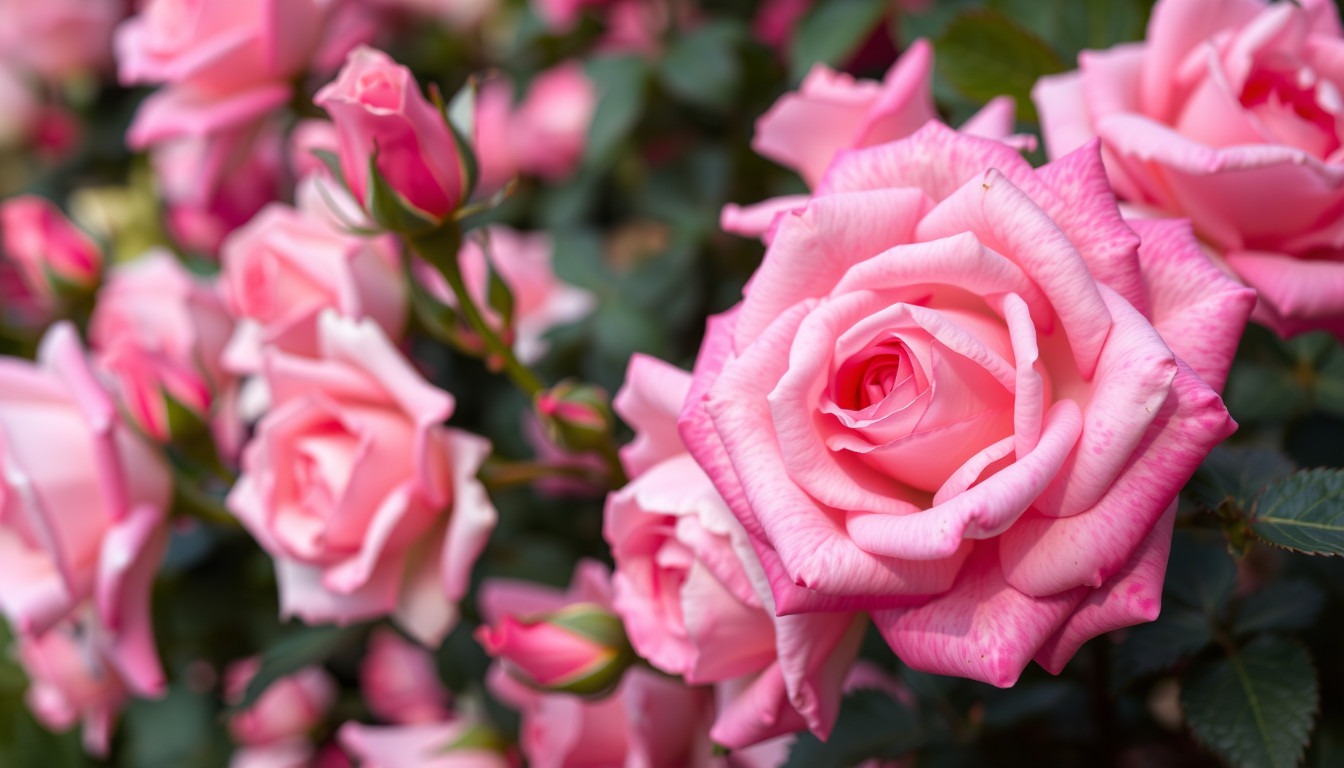
In temperate regions, roses typically begin their spring bloom when temperatures consistently rise above 50°F (10°C). This period often occurs between March and May, depending on the latitude and local climate. Roses are emerging from winter dormancy, and the initial flush of blooms can be quite vigorous, especially for varieties known as floribundas or shrub roses. Early spring blooms are usually the most vibrant, benefiting from increasing daylight and favorable growing conditions.
Disclosure: As an Amazon Associate I earn from qualifying purchases.
Table of Contents
To encourage vibrant spring flowering, consider using a balanced fertilizer formulated for roses. Shop suitable garden rose fertilizer on Amazon (affiliate link).
2. Summer Bloom Period
Many rose varieties, particularly repeat bloomers such as hybrid teas or grandifloras, continue to flower throughout summer. In climates with warm summers—such as USDA zones 7-9—roses can sustain blooming from late spring through early fall, often peaking in July and August. However, in regions with intense heat, some roses may experience a delay in blooming or a reduction in flower production, as high temperatures can stress the plants and limit flowering cycles.
3. Fall Bloom Period
In many areas, roses will produce a final flush of blooms in the early fall. This is especially true in regions with mild autumns, where roses remain active until cooler temperatures and decreasing daylight slow their growth. Fall bloom timing generally spans September through October but can extend later if the climate remains mild, allowing roses to brighten gardens with their color before winter dormancy sets in.
4. Year-round Blooming in Milder Climates
Overwintering in frost-free zones or regions with very mild winters, such as parts of Florida or southern California, enables roses to bloom year-round. In these climates, the combination of consistent warmth and abundant sunlight encourages continuous flowering, provided plants receive adequate care. Gardeners in these areas often select varieties explicitly bred for repeated blooming and can enjoy a steady display of roses throughout the year, with only brief pauses during very hot or very wet periods.
Factors Influencing the Timing and Duration of Rose Blooming
The timing and length of a rose’s bloom period depend on a combination of genetic traits, environmental conditions, and care practices. While certain rose varieties have specific blooming windows dictated by their inherent genetic makeup, external factors like climate and horticultural techniques can significantly modify these patterns. Understanding how these elements interact can help gardeners optimize blooming cycles for longer and more vibrant displays.
Adjusting your garden environment or microclimate can help optimize rose flowering. Shop suitable climate control gardening tools on Amazon (affiliate link).
1. Rose Variety Characteristics
| Attribute | Details |
|---|---|
| Blooming season | Varies with cultivar; some roses bloom once per season, others bloom repeatedly, with specific windows often defined by genetics. |
| Bloom duration | Ranges from a few days to several weeks, depending on the variety and growing conditions. |
2. Climate Variables (Temperature, Humidity)
- Temperature: Warmer temperatures generally accelerate blooming, leading to earlier flower emergence, whereas cooler temperatures can delay blooming. Mild winters may extend bloom periods, especially for varieties sensitive to cold.
- Humidity: High humidity can prolong bloom life but also increases risks of fungal diseases that can shorten flowering duration. Conversely, dry conditions may cause blooms to wither faster.
3. Care Practices (Pruning, Fertilizing, Deadheading)
| Practice | Impact on Blooming |
|---|---|
| Pruning | Correct pruning stimulates new growth and can extend the blooming period by encouraging the development of flower buds. |
| Fertilizing | Balanced fertilization promotes healthy growth and can lead to more numerous and longer-lasting blooms. |
| Deadheading | Removing spent flowers often encourages the plant to produce new blooms sooner, thereby extending the overall blooming period. |
How to Optimize & Extend Rose Blooming Periods
Prolonging the bloom cycle of roses enhances their visual appeal and maximizes their flowering potential. Effective rose care involves specific practices that encourage continuous flowering, sustain healthy growth, and prevent premature decline of blooms. Regular pruning removes spent flowers and encourages new growth; proper fertilization provides essential nutrients for sustained flower production; and consistent watering coupled with mulching maintains optimal soil conditions for root health. Implementing these practices with attention to timing and technique can significantly extend the flowering period of roses, resulting in a vibrant and abundant display throughout the growing season.
1. Pruning and deadheading techniques
- Regularly remove spent blooms (deadheading) to signal the rose plant to produce new flowers; this not only prolongs flowering but also maintains plant aesthetic.
- Prune back canes in early spring, cutting just above outward-facing buds, to shape the plant and promote good air circulation—key factors in encouraging reblooming.
- After the first flush of blooms, prune lightly to stimulate new growth for subsequent bloom cycles, especially in remontant or repeat-blooming varieties.
2. Fertilization schedules
- Apply a balanced, slow-release fertilizer every 4-6 weeks during the active growing season to provide consistent nutrients for flower production.
- Use specialized rose fertilizers high in potassium and phosphorus, which support flowering and root development.
- Reduce fertilization in late summer to prevent excessive soft growth that may not harden before winter, especially in colder climates.
3. Watering and mulching
- Maintain consistent moisture in the soil, ensuring deep watering about once a week, adjusting for rainfall and temperature, to support healthy blooms.
- Apply mulch around the base of the rose bush, using organic matter like compost or wood chips, to conserve moisture, regulate soil temperature, and suppress weeds.
- Avoid overhead watering, which can promote fungal diseases; instead, water at the base to keep foliage dry and healthy.
Common Challenges and Solutions for Irregular or Short Blooming
Irregular or short blooming periods in roses can be frustrating, especially when effective care practices are not followed or environmental conditions are not ideal. Gardeners often encounter issues such as bloom cycle disruptions caused by climate fluctuations, pests, or improper pruning and fertilization. Recognizing the underlying causes is essential for improving flowering performance. This section explores common problems impacting rose blooming and offers practical solutions based on well-founded horticultural principles.
1. Climate-related issues (cold snaps, droughts)
Extreme weather conditions, such as late spring cold snaps or prolonged droughts, can interfere with the natural blooming cycle. Cold temperatures can delay bud development or cause buds to drop prematurely, while drought stress causes the plant to conserve resources, often leading to fewer or shorter blooms. To mitigate these issues, it is advisable to select rose varieties suited to the local climate, provide mulching to retain soil moisture during dry spells, and consider using frost protection measures during unexpected cold snaps. Regular watering, especially during drought, ensures the plant remains healthy enough to bloom.
2. Disease and pest impacts
Pests like aphids, spider mites, and diseases such as black spot or powdery mildew can weaken the plant, diverting energy from flowering to defense and repair. This results in fewer blooms or flowers that fade quickly. Effective integrated pest management—including regular inspections, removing infected leaves, and applying suitable organic or chemical controls—can reduce pest pressures. Additionally, ensuring good air circulation around the plant and maintaining proper humidity levels help prevent many common diseases, supporting better flowering cycles.
Effective pest and disease management strategies can help maintain healthy, blooming roses. Shop suitable rose pest control products on Amazon (affiliate link).
3. Insufficient pruning or fertilization
Overly aggressive pruning or neglecting fertilization can both lead to poor bloom performance. Pruning that is too severe may remove potential flower buds, while lax pruning allows the plant to become congested, limiting light and airflow. Proper pruning encourages new growth and flower production, particularly when performed during the dormant season. Fertilization provides necessary nutrients; a balanced, rose-specific fertilizer applied during active growth stages promotes larger and more abundant blooms. Adjusting pruning and fertilization schedules based on the rose variety is critical for consistent flowering.
4. Incorrect variety selection
Choosing a rose variety not adapted to your regional climate and growing conditions can result in inconsistent or limited blooming. Some varieties are bred for repeat flowering, while others bloom only once per season. Understanding the bloom cycle of specific rose types helps match plant choices to your garden’s environment. Selecting disease-resistant, climate-appropriate varieties and ensuring they are suited for your particular growing conditions helps achieve more reliable and prolonged blooming periods.
Frequently Asked Questions
1. What are the main environmental factors that influence when roses bloom?
Temperature, daylight hours, humidity, and soil conditions primarily determine when roses bloom, with warmer temperatures and longer daylight generally promoting earlier and more extensive flowering.
2. Can I make my roses bloom earlier or longer with care adjustments?
Yes, timely pruning, consistent fertilization, and deadheading can encourage earlier blooms and extend the flowering period by stimulating new growth and flower production.
3. Which rose varieties bloom multiple times a year?
Repeat-blooming varieties such as hybrid teas, floribundas, and certain shrub roses can flower multiple times annually, especially when provided with proper care and suitable climates.
4. How does pruning affect the timing and number of blooms?
Pruning removes old flowers and encourages new growth, which can delay flowering if done too late but generally promotes more frequent and vigorous blooms when timed correctly.
5. Does climate change impact rose blooming patterns?
Yes, shifts in temperature and weather patterns can alter bloom timings, sometimes causing earlier or irregular flowering cycles and affecting overall blooming potential.
6. What common pests and diseases interfere with blooming?
Pests like aphids and diseases like black spot or powdery mildew damage buds and flowers, often reducing bloom quality and lifespan.
7. How do I plan for off-season or year-round blooming in my region?
Choose climate-appropriate, repeat-blooming varieties for mild areas, employ protective measures like mulching or covering during cold seasons, and optimize care practices to encourage continuous flowering.