
Sakura, or cherry blossoms, mean ‘cherry blossom’ in Japanese and symbolize the beauty and transience of life. Deeply embedded in Japanese culture, sakura represent renewal, hope, and the fleeting nature of existence, making them iconic in seasonal celebrations and traditions like hanami [1].
Table of Contents
The Meaning of Sakura: A Cultural Overview
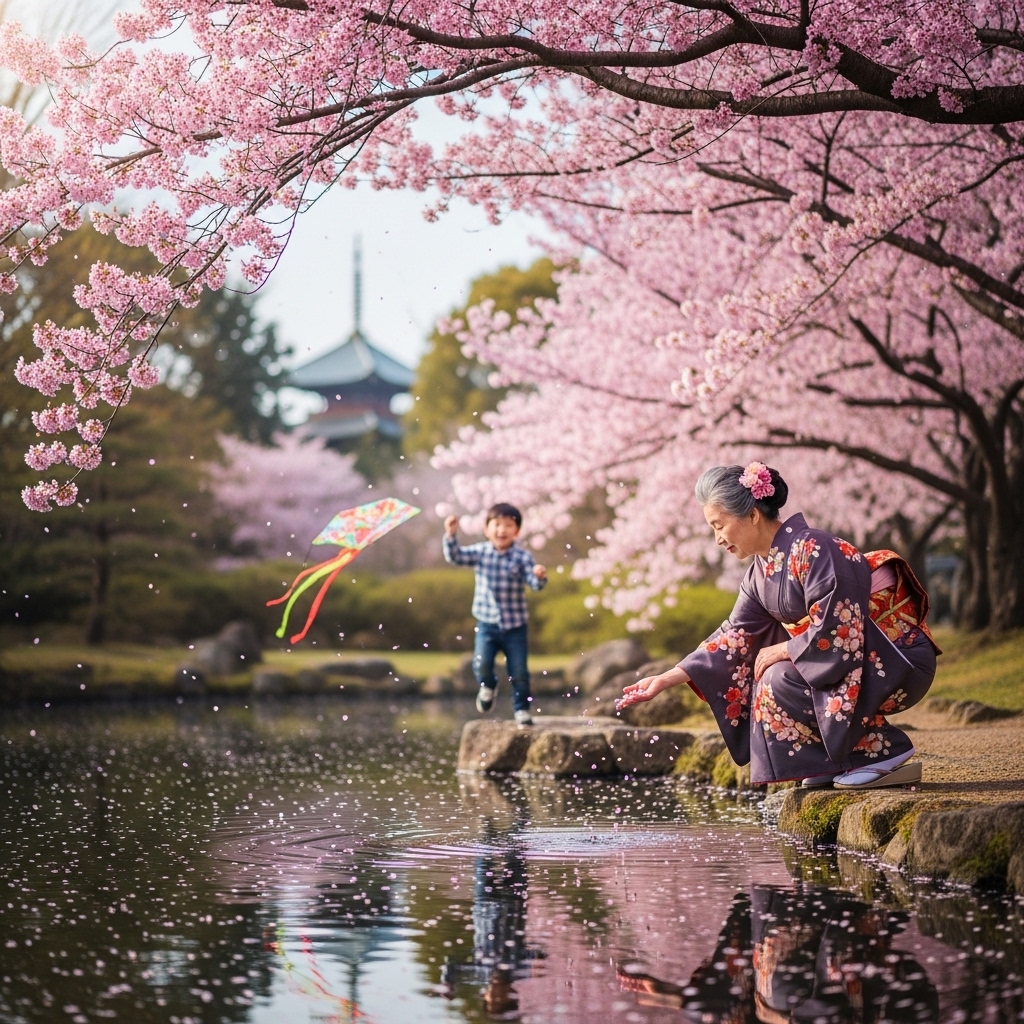
The term “sakura” directly translates to “cherry blossom” in Japanese, but its significance goes much deeper than just its name. In Japanese culture, sakura are celebrated not only for their stunning appearance but also for what they symbolize. They represent beauty, renewal, and a poignant reminder of life’s impermanence. This connection to fleeting beauty is tied to the philosophical concept of mono no aware, which reflects an emotional awareness of the transience of life and the bittersweet nature of existence [1].
Sakura blossoms bloom for a short time, typically lasting only one to two weeks each spring. This brief period highlights the idea of impermanence, a central theme in Japanese thought. The momentary beauty of cherry blossoms serves as a metaphor for human experiences, reminding people that life is both precious and fleeting [2]. As such, sakura hold a special place in the hearts of many, encouraging a deep appreciation for the present moment.
During the cherry blossom season, Japan comes alive with hanami, the traditional practice of flower viewing. Families and friends gather under the blooming sakura trees to celebrate nature’s beauty and enjoy each other’s company. This custom reinforces the connection between sakura and renewal, as it allows people to reflect on the cycles of life and the importance of cherishing every moment [1].
Moreover, sakura embodies the essence of mono no aware, which teaches individuals to find beauty in the impermanent. This philosophy encourages mindfulness and a deeper appreciation for the world around us, as it emphasizes being present and recognizing the fleeting nature of happiness and joy [3]. The impact of sakura can even be seen in various aspects of Japanese art and culture, from ceramics to poetry, where the cherry blossom serves as a powerful symbol of renewal and beauty [2].
The significance of sakura continues to resonate today. During spring, many businesses release special sakura-themed products, inviting people to partake in the seasonal celebration. This practice not only highlights the beauty of cherry blossoms but also reminds everyone to savor life’s moments, reinforcing the cultural importance of sakura in a modern context [1]. The connection between sakura and the idea of impermanence remains an integral part of Japanese identity, making these blossoms a cherished symbol beyond their visual appeal.
Historical Roots of Sakura Appreciation

The appreciation for sakura, or cherry blossoms, in Japan dates back to the Heian period (794-1185). During this time, there was a strong emphasis on valuing Japanese culture, which led to the blossoming popularity of cherry blossoms. It was in this era that the first recorded cherry blossom viewing, known as hanami, took place, held by the emperor in 894 [1]. This event marked the beginning of a tradition that would become a staple of Japanese culture.
As the Heian period progressed, cherry blossom viewing spread beyond the imperial court to the aristocrats, solidifying its place in Japanese society. This period is often credited with establishing the perception that “hanami equals cherry blossoms,” as noted in the oldest Japanese garden book, “Sakutei-ki,” which recommended planting cherry trees in gardens [1]. This cultural connection began to shape the understanding of sakura, intertwining it with themes of beauty and renewal.
The tradition of hanami evolved further during the Kamakura period (1185-1333). It became more than just a royal pastime; samurai began to host grand cherry blossom viewings, complete with tea ceremonies and poetry readings. The famous “Yoshino no Hanami” and “Daigo no Hanami,” organized by Toyotomi Hideyoshi, showcased the grandeur of these events, emphasizing the importance of sakura in communal celebrations [2].
By the time the Edo period (1603-1868) arrived, cherry blossoms had become a symbol of transient beauty in Japanese culture. The fleeting nature of sakura blooms—lasting just a couple of weeks—perfectly encapsulated the concept of impermanence, known as mono no aware. This idea resonated deeply within Japanese aesthetics, highlighting the beauty found in life’s fleeting moments [1].
During the Edo period, hanami festivals gained even more popularity, with people spreading blue tarps under cherry trees to enjoy food and drink while admiring the blossoms. This communal celebration reflected a broader societal appreciation for nature and the changing seasons, reinforcing sakura’s role as a cultural icon [1].
Additionally, the connection between sakura and the divine has historical roots. Some believe the term “sakura” derives from “Konohana-no-Sakuyabime,” a goddess associated with cherry blossoms. Another theory posits that the word is linked to the reverence for cherry trees as homes for the deity of rice, further deepening the spiritual significance of sakura in Japanese culture [4].
As cherry blossoms continue to bloom each spring, they serve as a reminder of renewal and beauty in Japanese life. From ancient times to modern celebrations, sakura remains a beloved symbol, capturing the hearts of people across generations.
Hanami: The Tradition of Cherry Blossom Viewing
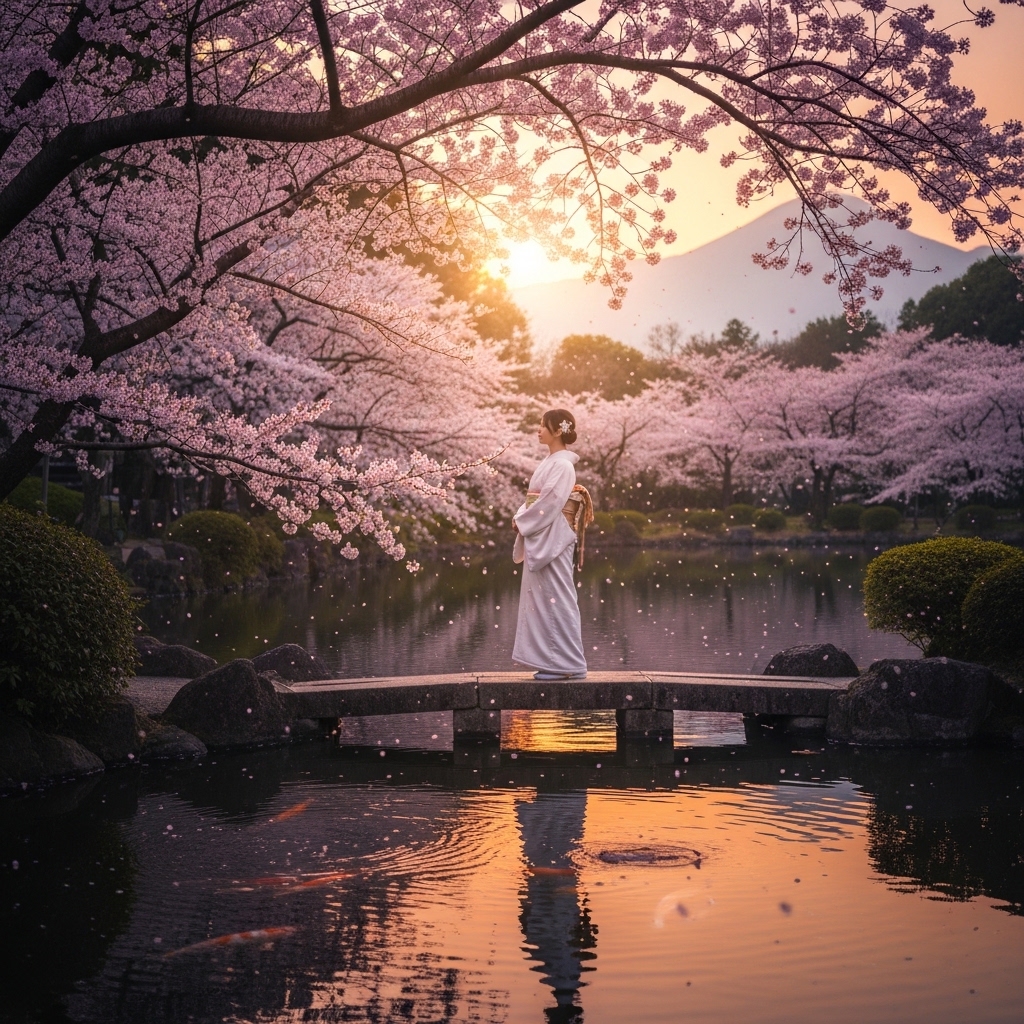
Hanami, which means “flower viewing” in Japanese, is a cherished tradition that celebrates the beauty of sakura, or cherry blossoms. This practice dates back centuries and is deeply rooted in Japanese culture, marking the arrival of spring and the renewal it brings. Historically, hanami began during the Heian Period when emperors and aristocrats gathered to admire the blossoms, making it a symbol of high culture and appreciation for nature’s fleeting beauty [4].
Today, hanami is a vibrant community event where friends and families gather beneath the blooming sakura trees to enjoy picnics and celebrate together. People often spread blue tarps, bring food and drinks, and share laughter and stories while surrounded by the stunning blossoms. This gathering fosters a sense of community, as everyone comes together to appreciate the beauty of nature and the joy of companionship [5].
The sakura blossoms are not just beautiful; they also symbolize impermanence in Japanese culture. The brief blooming period of cherry blossoms serves as a poignant reminder of the ephemeral nature of life. This concept, known as “mono no aware,” highlights the beauty found in transience, encouraging people to cherish each moment [6].
During the cherry blossom season, parks and gardens across Japan transform into picturesque landscapes filled with vibrant pink and white flowers. Many regions hold Cherry Blossom Festivals, featuring food stalls, live performances, and cultural activities, drawing visitors from all over [2]. These festivities enhance the hanami experience, allowing even more people to engage with the sakura’s beauty and the excitement of spring.
As people partake in hanami, they not only celebrate the beauty of sakura but also reflect on the themes of renewal and hope that spring brings. The tradition continues to be an essential aspect of Japanese culture, reminding everyone of the importance of community, nature, and the moments that connect us all [4].
The Symbolism of Impermanence in Sakura
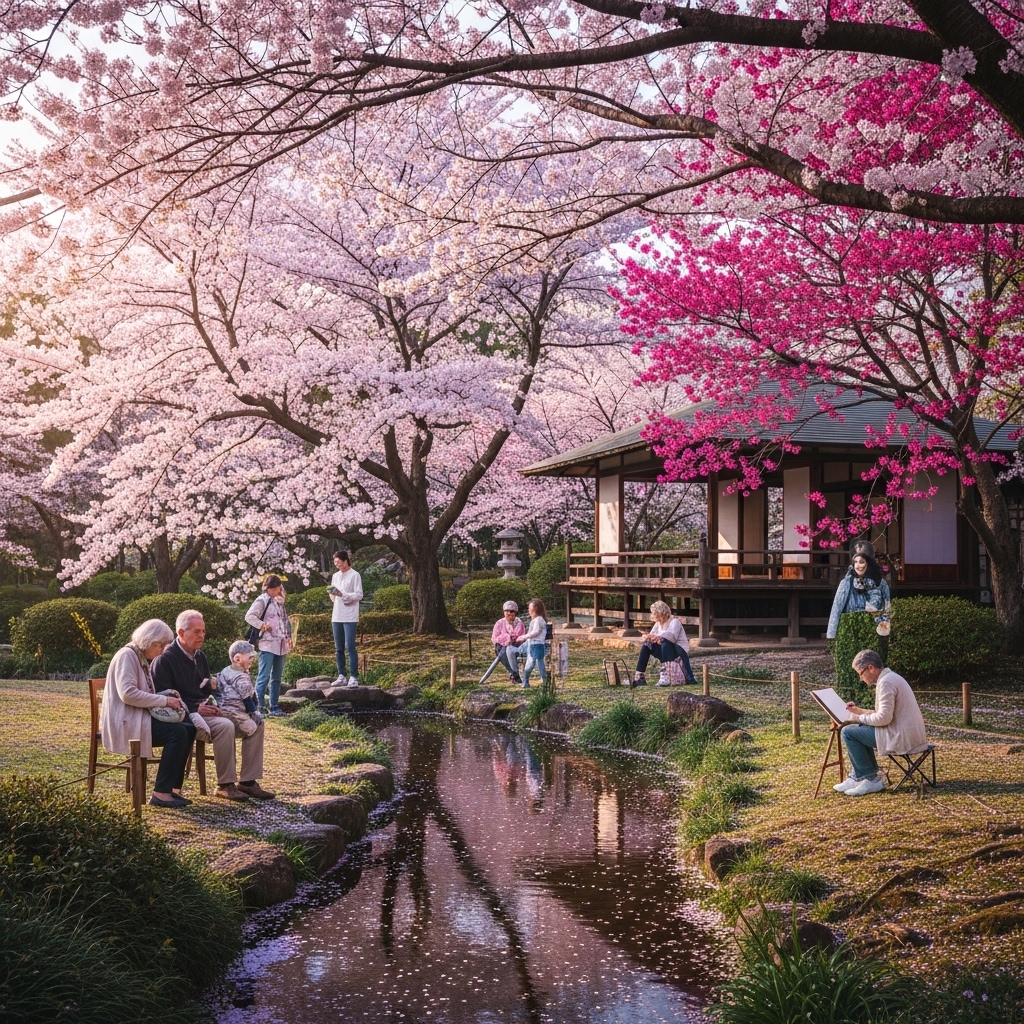
Sakura, or cherry blossoms, hold a deep meaning in Japanese culture, symbolizing the transient nature of life. This concept of impermanence, known as “mujo,” is central to Buddhist philosophies and reflects the idea that nothing lasts forever. The brief blooming period of sakura, typically lasting just a week or two, serves as a poignant reminder of life’s fleeting moments and the beauty found within them [3].
In Japanese literature and art, sakura are prominent symbols representing not only beauty but also the emotional depth associated with life’s impermanence. Poets and artists have long drawn inspiration from cherry blossoms, using them to express complex feelings of love, longing, and nostalgia. For instance, classical works like the “Manyoshu” and “The Tale of Genji” feature sakura as a backdrop for stories of transient love and the bittersweet nature of existence [1]. These themes resonate powerfully in the hearts of readers and viewers, making sakura a vital part of Japan’s cultural narrative.
The fleeting nature of sakura is also closely tied to a Japanese sentiment known as “mono no aware.” This phrase captures a sensitivity to the passing of time and the beauty found in life’s impermanence. Rather than evoking despair, mono no aware encourages appreciation for the present moment, allowing individuals to find meaning in their experiences and relationships [6]. As people celebrate hanami, the tradition of cherry blossom viewing, they embrace this philosophy, connecting with nature and each other in a meaningful way.
In modern interpretations, sakura continue to embody these timeless themes. Seasonal products, such as sakura-flavored treats and limited-edition items, reflect the cultural appreciation for the ephemeral. For example, sakura-themed bento boxes and drinks are popular during spring, reminding people to savor the moment and enjoy the beauty around them [6]. This celebration of sakura not only honors the flower itself but also reinforces the values of mindfulness and presence that are deeply ingrained in Japanese culture.
Overall, the significance of sakura transcends its physical beauty. It encapsulates a philosophy that permeates many aspects of Japanese life, from art and literature to everyday experiences. The cherry blossom reminds us that life is a series of fleeting moments, each deserving of our attention and appreciation.
Types of Cherry Blossoms and Their Unique Meanings
When it comes to sakura, or cherry blossoms, Japan is home to various types that each carry unique cultural meanings. Understanding these varieties enriches the experience of hanami, or cherry blossom viewing, by connecting the beauty of the blossoms with deeper aspects of Japanese culture.
One of the most popular cherry blossom varieties is Somei Yoshino. This type is characterized by its pale pink petals that bloom in abundance, creating stunning landscapes when in full bloom. Somei Yoshino symbolizes the arrival of spring and renewal, making it a favorite during hanami celebrations [7]. Its widespread presence in parks and gardens signifies a collective appreciation of nature’s beauty, resonating with the Japanese concept of impermanence.
Another significant variety is the Yamazakura, known for its beauty and connection to nature. This cherry blossom not only represents the fleeting nature of life but also embodies the essence of mono no aware, which translates to the “pathos of things.” This philosophy emphasizes the beauty in transience, reminding observers that life is precious because it is temporary [8]. Yamazakura is often seen in rural areas, adding to its charm and cultural significance.
In addition to these, there are various other cherry blossom types, each with its own unique symbolism. For example, the Shidarezakura, or weeping cherry tree, is celebrated for its graceful drooping branches and delicate flowers. This variety is often associated with elegance and grace, making it a popular choice for gardens and temples [9]. The visual impact of the Shidarezakura during hanami enhances the experience, drawing people into a shared appreciation of beauty and the fleeting moments of life.
The diversity of cherry blossom varieties in Japan adds depth to the sakura experience. Each type captures a different aspect of nature and life, reinforcing the significance of sakura within Japanese culture. Whether it’s through the vibrant blooms of Somei Yoshino or the elegant cascades of Shidarezakura, each cherry blossom type serves as a reminder of the beauty and impermanence that defines existence.
Sakura in Modern Japanese Identity and Youth Culture
Sakura, or cherry blossoms, hold a significant place in modern Japanese identity, particularly among the youth. Each spring, these beautiful blossoms signal the arrival of hanami, a cherished tradition where people gather to appreciate the fleeting beauty of cherry blossoms. This cultural practice not only emphasizes the aesthetic enjoyment of sakura but also deepens connections among friends and families, making it a vital part of Japanese life today [1].
In contemporary media, sakura appear everywhere—from popular anime to product packaging. Brands often create limited-edition sakura-flavored snacks and drinks, tapping into the collective nostalgia that these flowers evoke among the Japanese public [1]. This commercial use of sakura reflects its enduring symbolic power, reminding people of the beauty and transience of life [10]. The presence of cherry blossoms in media reinforces their importance as a cultural touchstone, creating emotional connections for younger generations who associate the blooms with joyful memories and shared experiences.
The concept of impermanence, known as mujo, is central to the meaning of sakura. The blossoms bloom for only a short time, serving as a poignant metaphor for life’s fleeting moments. This idea resonates deeply with the youth, who often find themselves navigating the ups and downs of growing up [2]. The bittersweet nature of sakura—representing both beauty and the inevitability of change—comes to life during school entrance ceremonies or graduations, where these flowers symbolize new beginnings and cherished farewells [5].
Seasonal festivals celebrating sakura, such as cherry blossom viewing parties, play a crucial role in shaping Japanese identity. These events encourage people to savor the moment and appreciate their surroundings, fostering a sense of community among participants [1]. The atmosphere during these festivals is often filled with laughter, food, and shared stories, creating lasting memories tied to the cherry blossoms. For many, these experiences evoke feelings of nostalgia, as they remember past celebrations with family and friends, further embedding sakura into the fabric of their lives.
Sakura are also prominently featured in literature and art, serving as a source of inspiration across generations. From classical poetry to modern storytelling, cherry blossoms symbolize not only beauty but also the emotional depth of human experiences [3]. Artists and writers use sakura to express themes of love, loss, and the passage of time, reinforcing their significance in Japanese culture [6]. This creative representation of sakura invites the youth to engage with their cultural heritage, ensuring that the meaning of these blossoms continues to evolve while remaining deeply rooted in history.
In recent years, the resurgence of interest in traditional crafts has also highlighted sakura’s role in Japanese identity. Beautiful ceramics and textiles often incorporate cherry blossom motifs, reflecting the appreciation of nature’s beauty and the cultural significance of sakura [6]. Youth today are drawn to these artisanal products, as they not only celebrate the beauty of cherry blossoms but also connect them to their cultural roots, making the sakura a timeless symbol of Japanese identity.
Regional Variations in Sakura Festivals Across Japan
Japan’s diverse regions celebrate sakura through unique festivals, each adding local flavor to the meaning of cherry blossoms. These festivals, known as hanami, are not just about viewing the blooms; they embody the cultural significance of sakura in Japanese society.
In Tokyo, the famous Ueno Park hosts one of the largest sakura festivals, where thousands gather under blooming cherry trees. The park transforms into a lively hub filled with food stalls, music, and laughter, illustrating the joy that sakura brings to communities. Here, the concept of mono no aware—the beauty of ephemeral things—is deeply felt as people cherish the fleeting beauty of the blossoms [10].
Moving to Kyoto, the cherry blossoms at Maruyama Park are a sight to behold, especially when illuminated at night. This tradition, called yozakura, invites visitors to appreciate sakura in a different light, emphasizing the transient nature of life and beauty. The local culture encourages people to reflect on the deeper meaning of cherry blossoms as symbols of renewal and new beginnings, aligning with the start of the fiscal and school year in April [1][5].
In Hirosaki, the sakura festival is renowned for its majestic cherry blossom trees surrounding the historic Hirosaki Castle. Here, locals engage in traditional activities like tea ceremonies and kimono parades, enriching the cultural experience. The festival serves as a reminder of the impermanence of beauty, as the blossoms bloom briefly, encouraging everyone to savor the moment [11].
In the southern region of Kumamoto, the cherry blossoms signify resilience, especially after the devastating earthquakes. The local community celebrates sakura as a symbol of hope and recovery, reinforcing its significance as more than just a flower. This connection to the spirit of the blossoms encourages people to embrace new beginnings amidst change [10].
Each region’s sakura festival highlights local traditions and customs, reinforcing the bond between cherry blossoms and Japanese culture. The celebrations vary widely, yet the core meaning of sakura remains constant: a reminder of life’s fleeting nature and the beauty found in each moment, echoing the heart of Japanese philosophy.
References
1. Sakura: Cherry Blossoms in Japanese Cultural History
2. Sakura’s Passage: Embracing the Ephemeral Beauty of …
3. Mono no Aware: The Transience of Life
4. Hanami (U.S. National Park Service)
5. The Conversation: Cherry Blossoms – Celebrated … – News
6. Sakura: Symbol of Alliance and Diplomacy – My education
7. Types of Trees – Cherry Blossom Festival (U.S. …
8. The Japanese and Cherry Blossoms
9. VARIOUS VARIETIES OF CHERRY BLOSSOMS IN JAPAN …
10. Significance of Sakura: Cherry Blossom Traditions in Japan